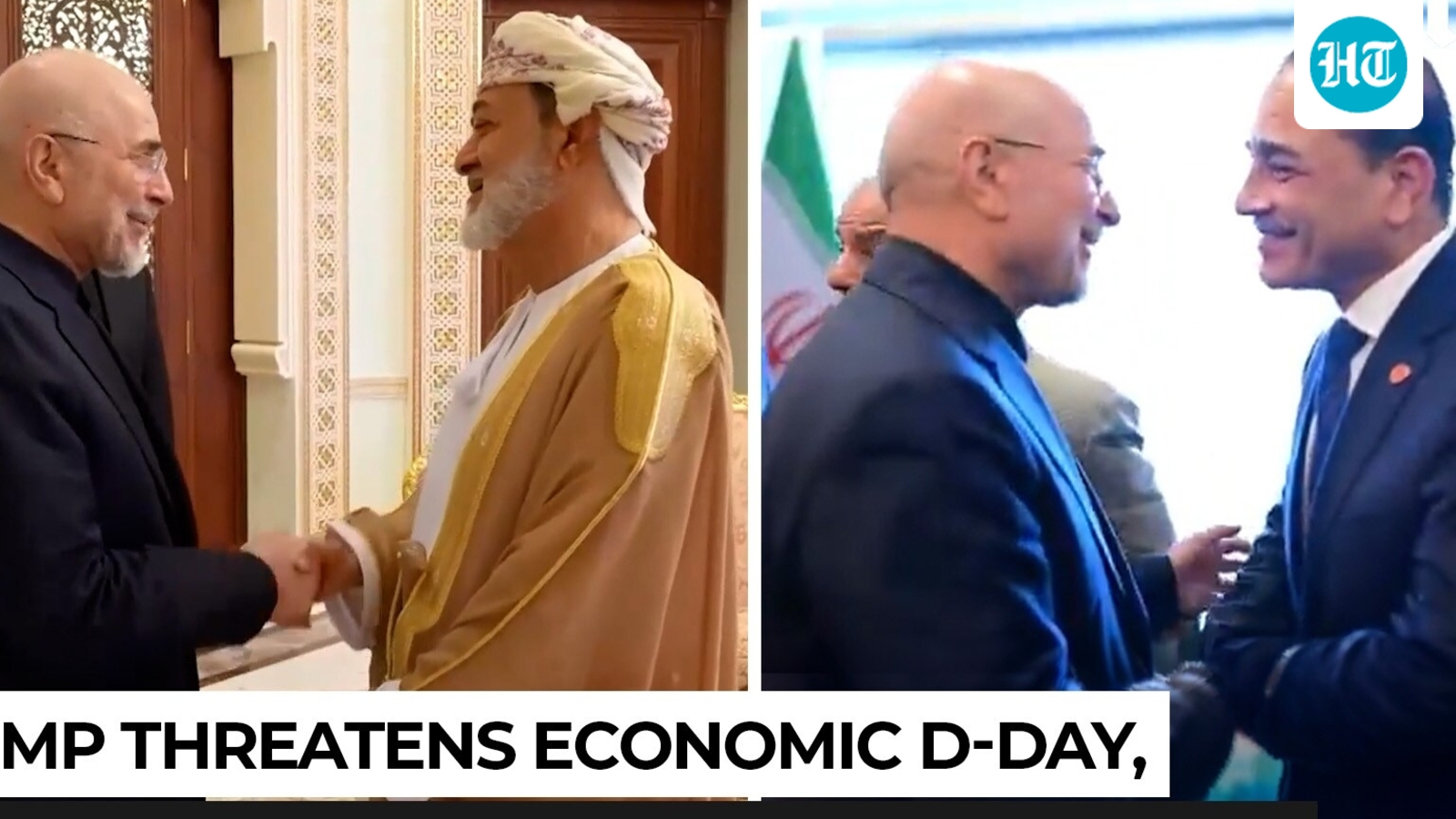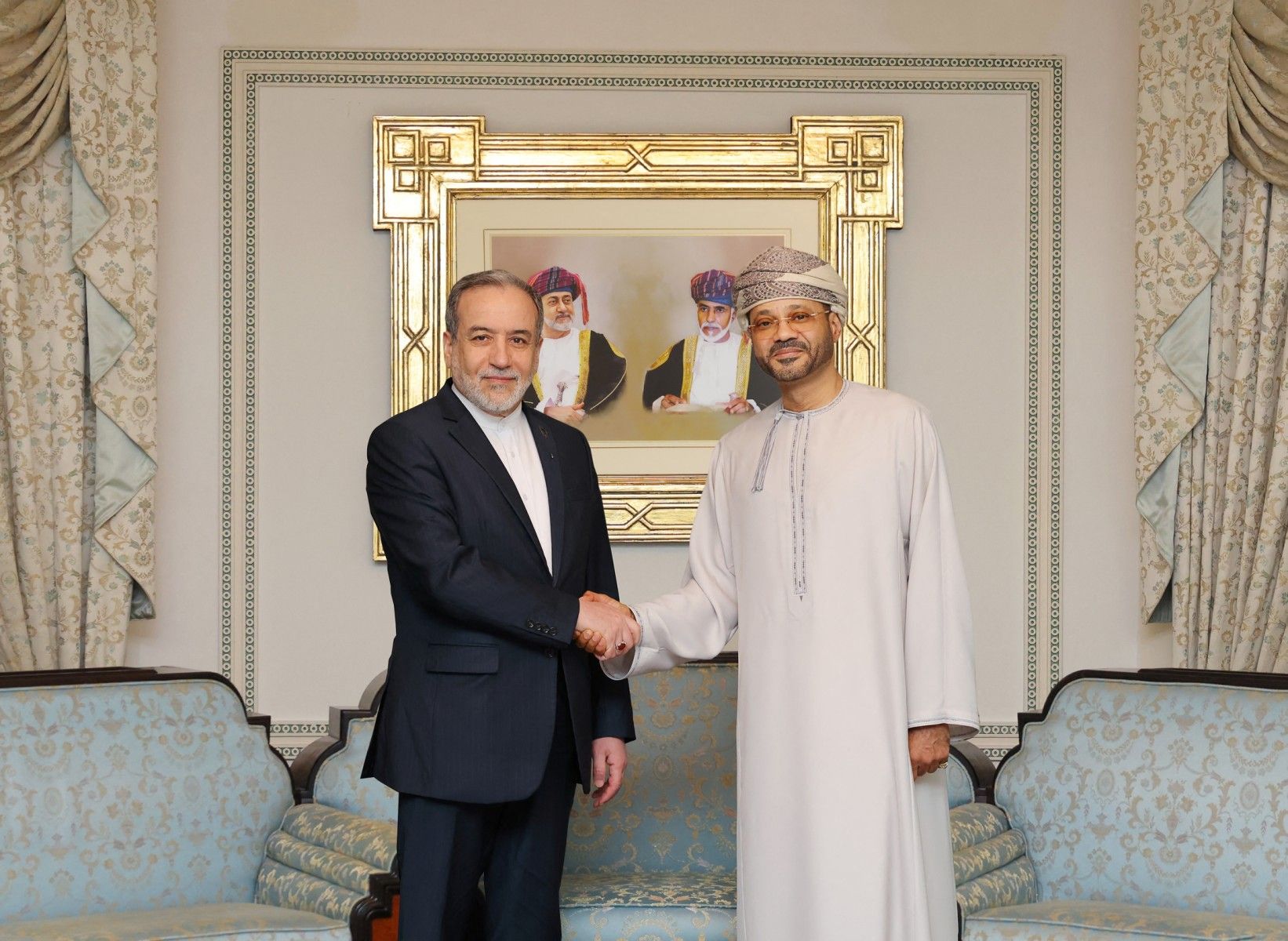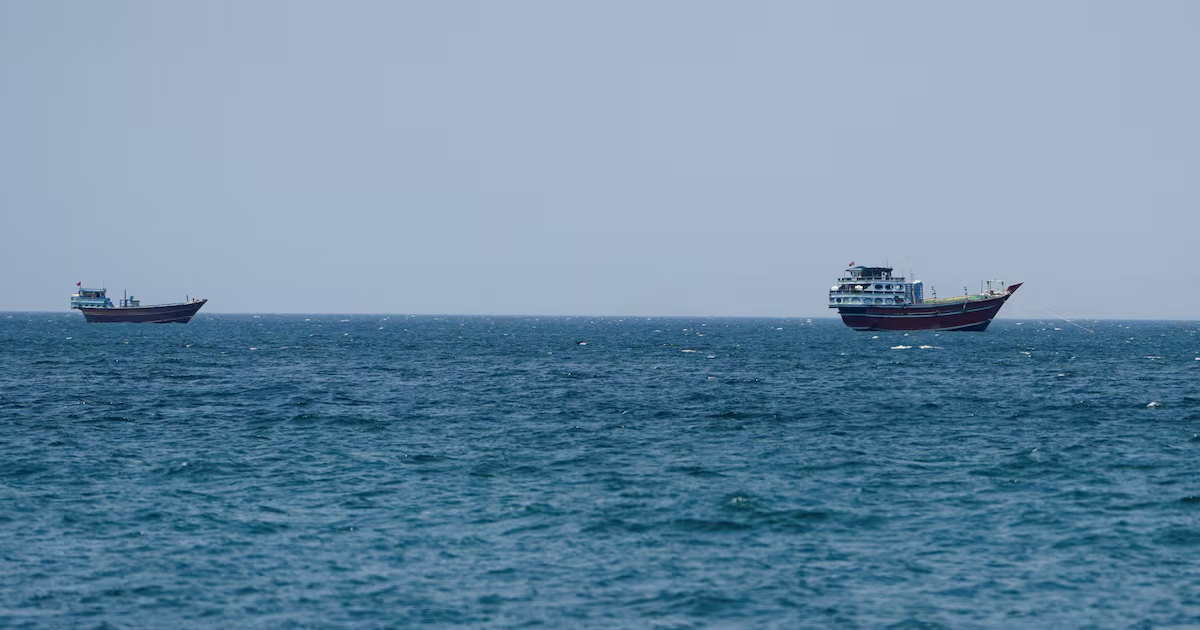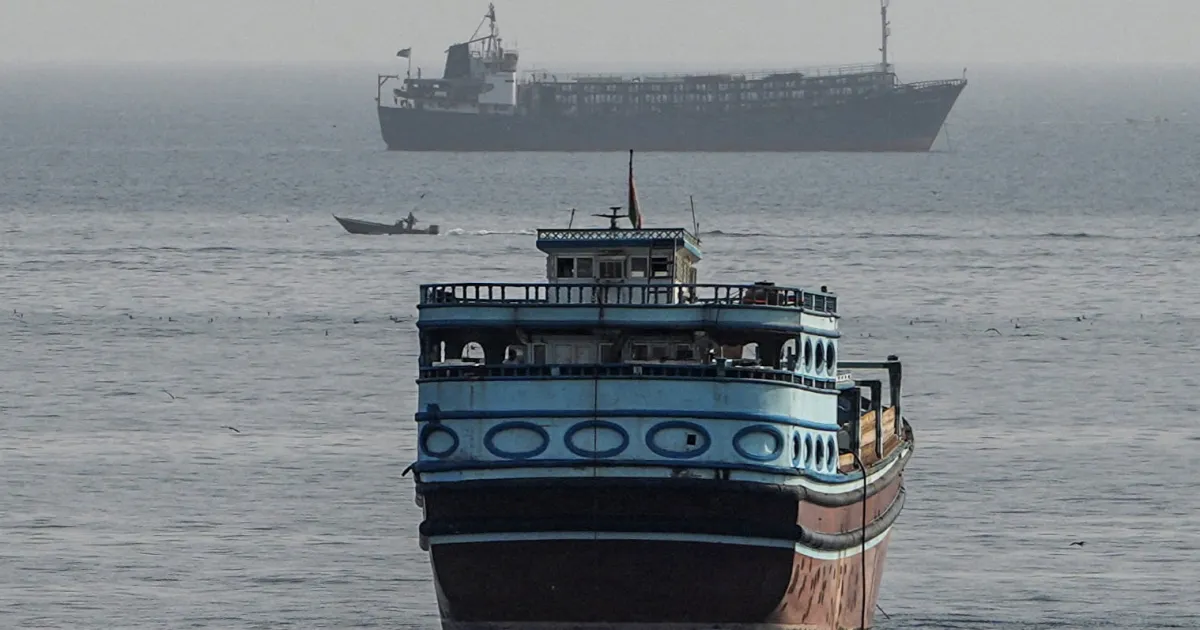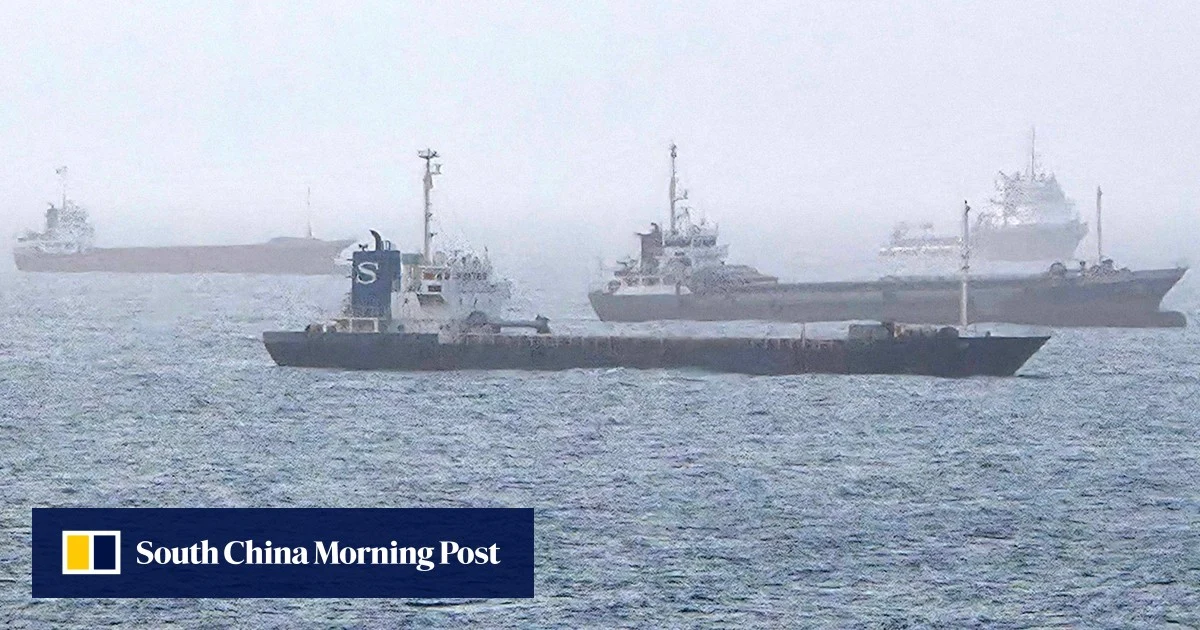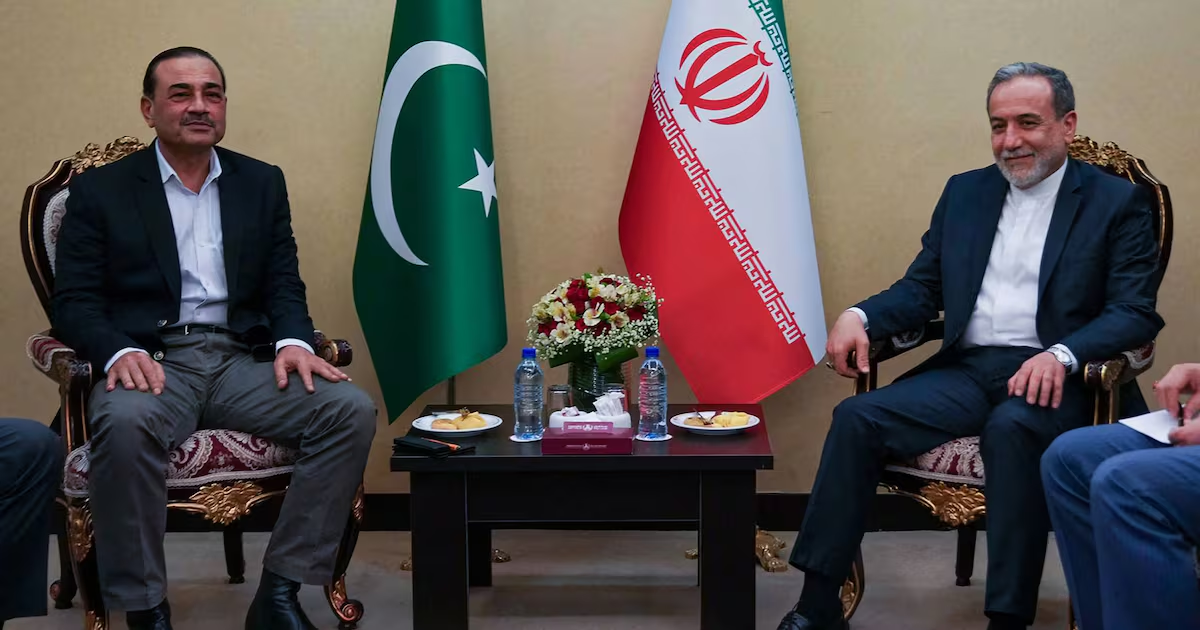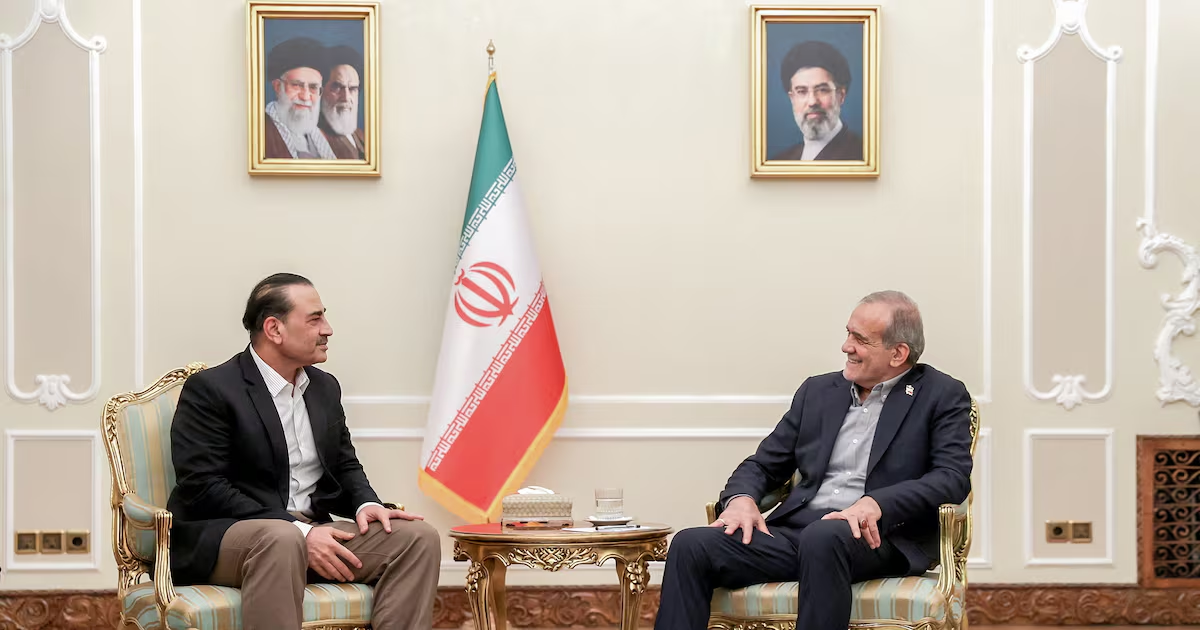
Pakistan and Oman are stepping up diplomatic engagement with Iran, sending senior officials to Tehran as efforts intensify to ease the conflict with the US and address the crisis surrounding the Strait of Hormuz.The diplomatic push comes as the Trump administration has threatened to impose tough new sanctions on countries that continue to conduct business with Iran, in the latest effort to punish the Islamic republic. US Treasury Secretary Scott Bessent unveiled the measures on Monday but stopped short of the most punishing sanctions, saying countries that continued trading with Iran risked being forced out of the dollar-based financial system. Mr Bessent did not identify the countries that would be targeted or reveal when the penalties would take effect, saying he would instead offer time to comply with the directive. The US also announced new sanctions targeting almost 60 Iran-linked individuals, entities and vessels. It says the pressure campaign is aimed at cutting off Iran's economic lifeline. The Iranian economy is already under severe strain but observers warn further pressure could prompt Tehran to escalate the conflict rather than return to negotiations.'Significant progress'Field Marshal Asim Munir, Pakistan's Chief of Defence Forces, and Interior Minister Mohsin Naqvi visited Tehran on Monday for talks with Iranian leaders, with Islamabad saying the discussions were focused on preventing escalation, reopening the Strait of Hormuz and bringing the conflict to an end through talks.Pakistan has been serving as a key mediator in indirect negotiations between the US and Iran, and Islamabad made “significant progress” in the latest talks with Tehran, Mr Naqvi said on Tuesday. “The Iranian President [Masoud Pezeshkian] candidly shared his government's perspective and we had a very constructive exchange on the issues involved,” Mr Naqvi said in a post on X. He added that the discussions addressed restoring an earlier US-Iran memorandum signed by the two countries on June 17.The agreement was aimed at ending the war that began with US and Israeli attacks on Iran, but the Islamabad memorandum, as it is known, quickly faltered amid a flurry of retaliatory strikes.A Pakistani source told The National that Field Marshal Munir’s focus was to try to bring the US and Iran back to the negotiating table and to persuade Tehran not to attack Gulf countries, particularly Saudi Arabia, which has a defence partnership with Pakistan.Field Marshal Asim Munir, Pakistan's army chief, and Eskandar Momeni, Iran's Interior Minister, meet in Tehran. ReutersShow caption: Field Marshal Asim Munir, Pakistan's army chief, and Eskanda…Separately, Badr Albusaidi, Oman's Foreign Minister, is due in Tehran on Tuesday for a round of talks with Iranian officials, including Foreign Minister Abbas Araghchi. Iran's Foreign Ministry said the visit was aimed at maintaining political consultations between the two countries as littoral states of the Strait of Hormuz and strengthening peace and security in the region.The Omani talks are focused particularly on the strait, a crucial route for global oil and gas shipments that has been at the centre of the confrontation. Tehran and Muscat have been discussing arrangements for the passage of ships through the waterway, with Oman seeking safe passage.The two visits highlight the overlapping diplomatic channels being pursued by regional states as tension between Iran and the US continues to rise.Pakistan has sought to position itself as a channel between Tehran and Washington, while Oman has a long-standing role as an intermediary between the two sides and is now directly engaged with Tehran over the Hormuz crisis.Qatar, which played a key role alongside Pakistan in brokering the mid-June MoU, said the US sanctions on Iran were unilateral and that Doha supported mediation efforts to resolve the dispute between the two countries.Defiant IranAs Washington struggles to resolve an unpopular war that has pushed up energy prices, US President Donald Trump appears to be counting on exerting more economic pressure to force Tehran into making concessions.Play01:22US announces new economic campaign against IranThe Iranian currency has weakened to an all-time low against the dollar, dropping 6.7 per cent since Mr Trump announced plans last week to step up economic pressure on Tehran. Annual inflation is above 80 per cent, adding to the strain on Iran’s population of about 93 million. The currency’s collapse was at the heart of violent nationwide public protests weeks before the US and Israel launched their war on Iran on February 28.Still, Tehran remains defiant. It has vowed to retaliate and is threatening a potential military response and measures that could further disrupt Gulf oil exports.After the latest measures were announced, Iranian Economy Minister Ali Madanizadeh said: “We are fully prepared for the US sanctions.”He told state television: “Naturally, the enemies intend to launch an economic terrorist attack on us, but we also have our own tools and know how to play the game. Our defence is no longer so defensive; the enemies should wait for an attack.”Meanwhile, only two tankers transited the Strait of Hormuz on Monday – the lowest daily tally of commodity vessels since early May – with both entering the Gulf, shipping data indicated. The figure was also well below the 10-day average of 14.
Pakistan and Oman step up diplomacy with Tehran amid mounting US-Iran tension | The National
Iran signals it will resist rising economic pressure from Washington
842 words~4 min read