Turning first to Xpeng’s core vehicle business, the company delivered 103,295 vehicles in the second quarter. That was virtually unchanged from the 103,181 units delivered in Q2 2025, but well above the 62,682 vehicles delivered in the first quarter of 2026. However, seasonal effects play a role in the quarter-on-quarter comparison: the first quarter is typically weaker for Chinese manufacturers due to the Chinese New Year holidays. China also reduced its electric vehicle subsidies at the turn of the year.
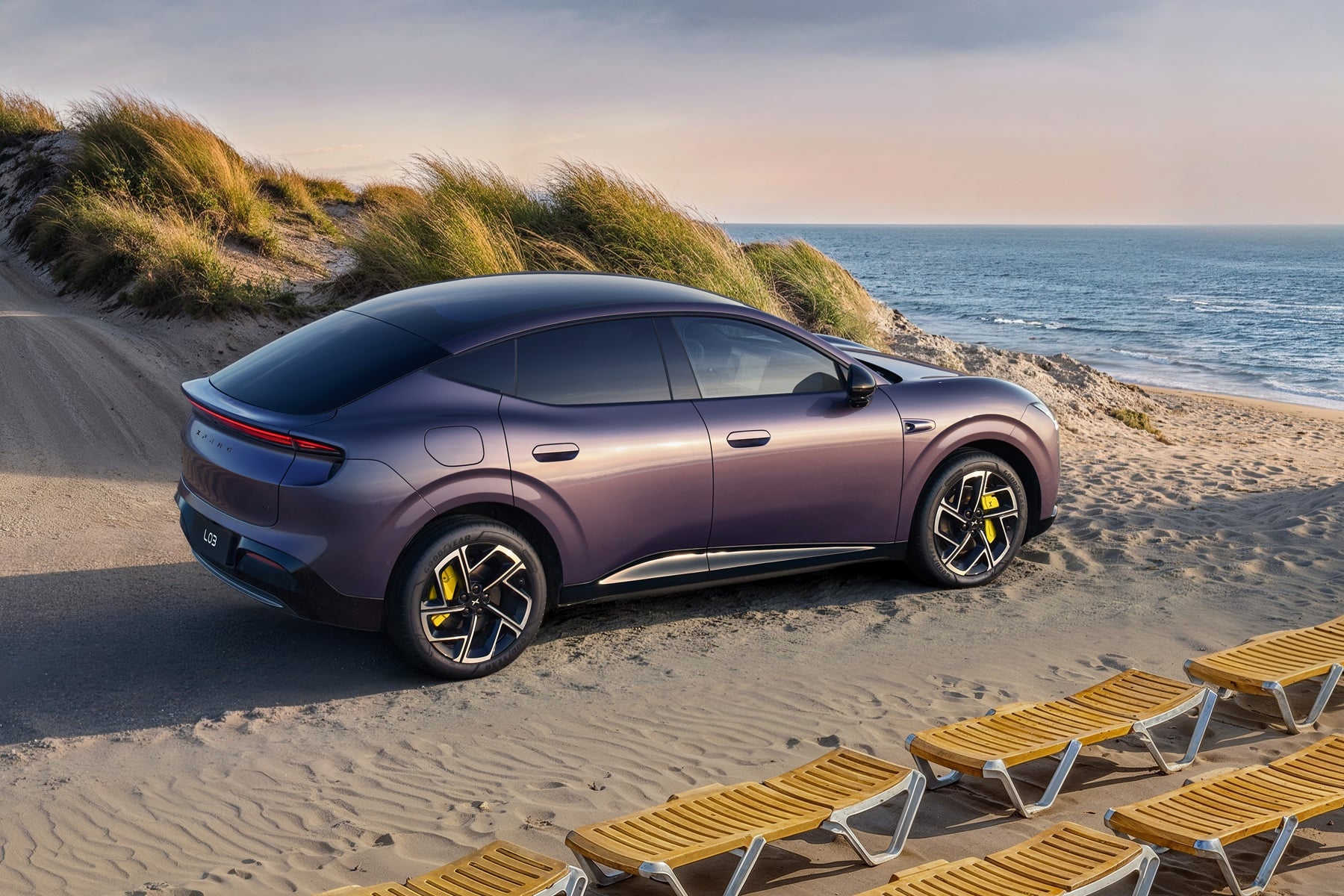
Vehicle revenue consequently showed little growth year-on-year. Xpeng generated 17.05 billion yuan (approximately €2.2 billion) from vehicle sales, one per cent more than in Q2 2025. At the same time, the gross margin in the vehicle business fell from 14.3 to 12.1 per cent. This is likely due to model changes, which entail higher costs. However, Xpeng already has a new model in the pipeline: the L03 SUV coupé, unveiled in Munich in July. The battery-electric model combines strong performance and rapid charging with advanced AI technologies and a relatively low starting price of €35,600, positioning it as a potential challenger in the European market.
By contrast, revenue from services and other activities rose sharply to 2.70 billion yuan (approximately €350 million), up 93.9 per cent year-on-year. Xpeng’s management attributed the increase primarily to technical R&D services provided to the Volkswagen Group, which holds a five per cent stake in the Chinese EV maker, as well as higher parts and accessories sales. (XPeng Inc.)