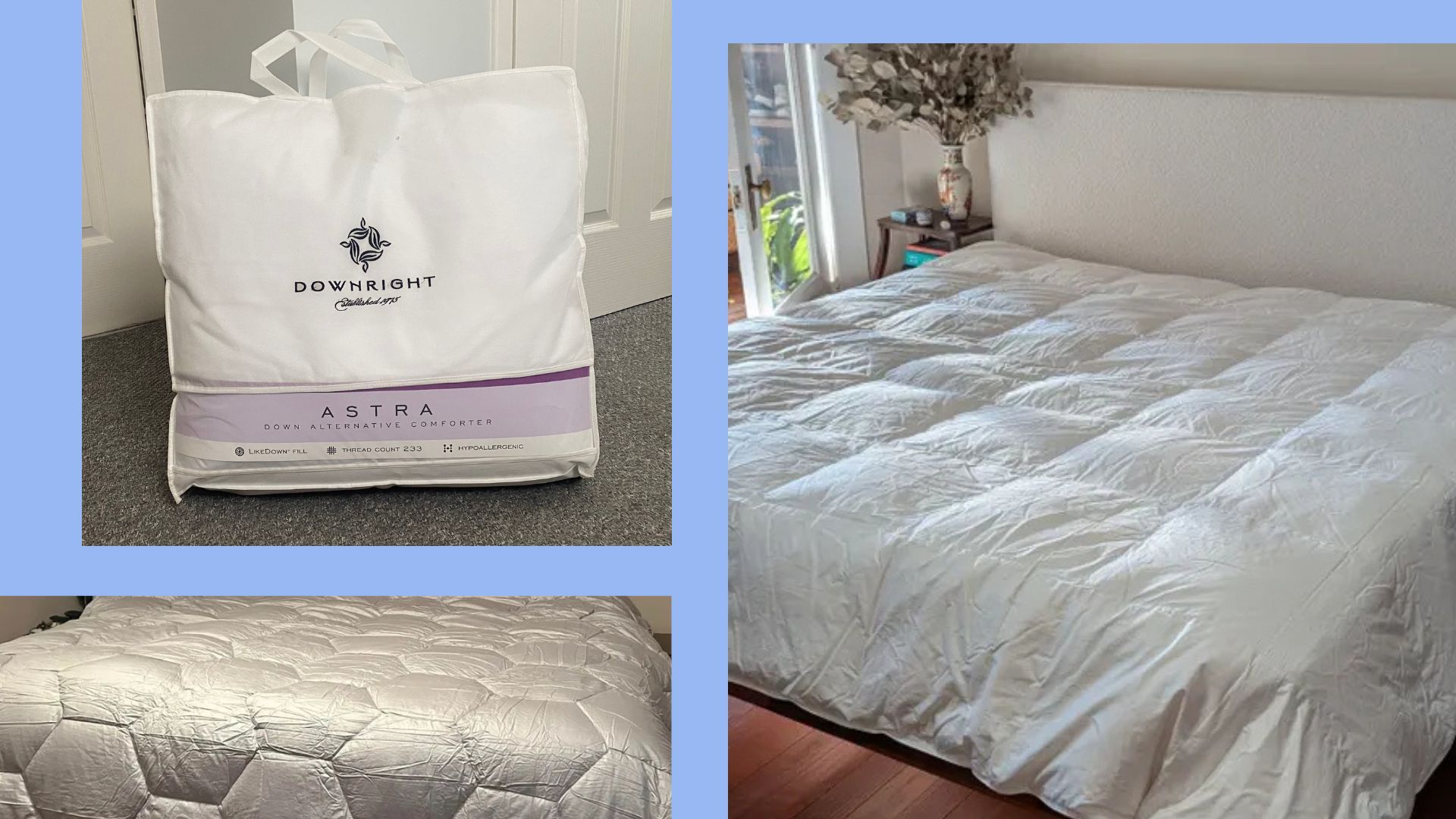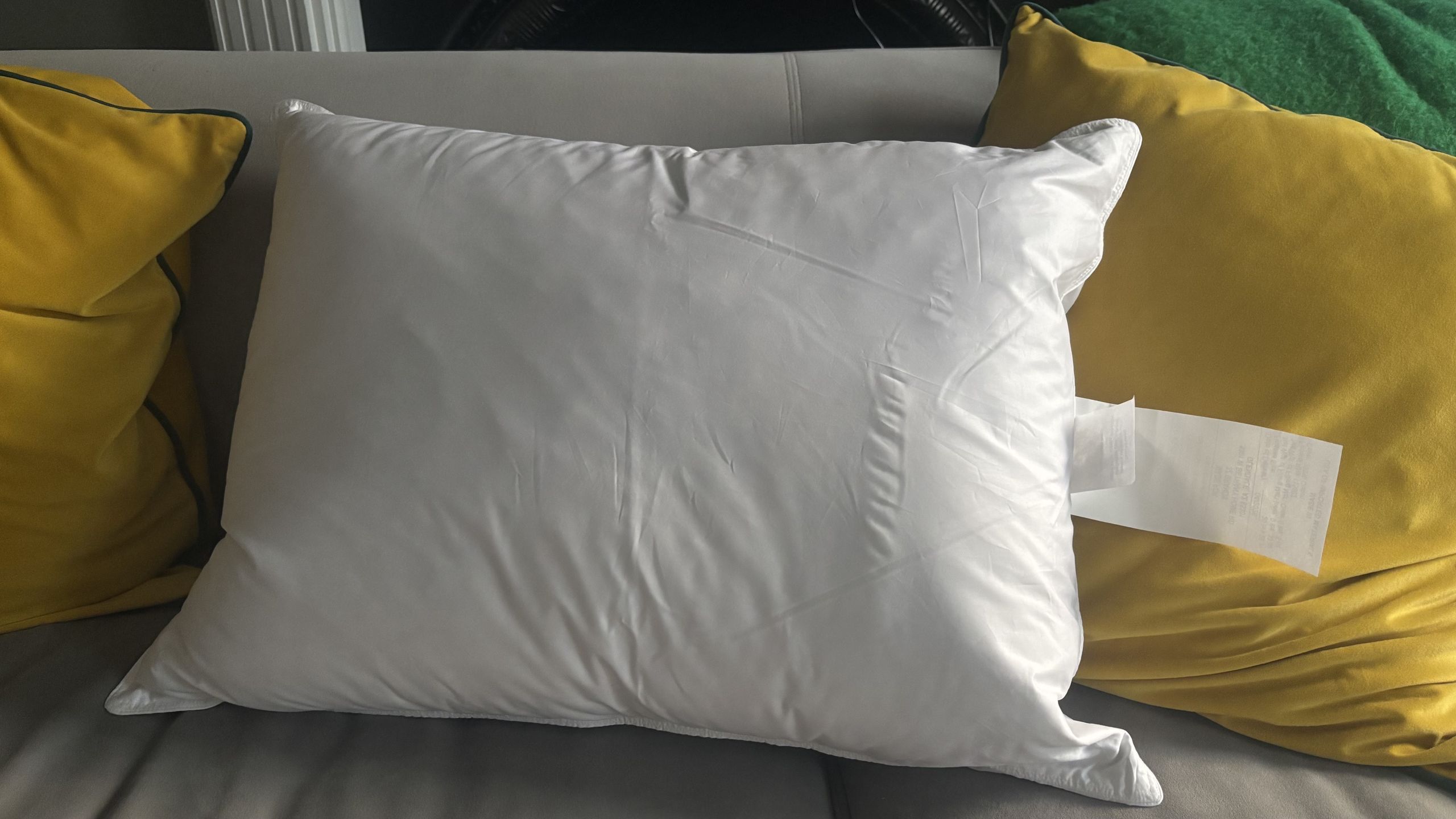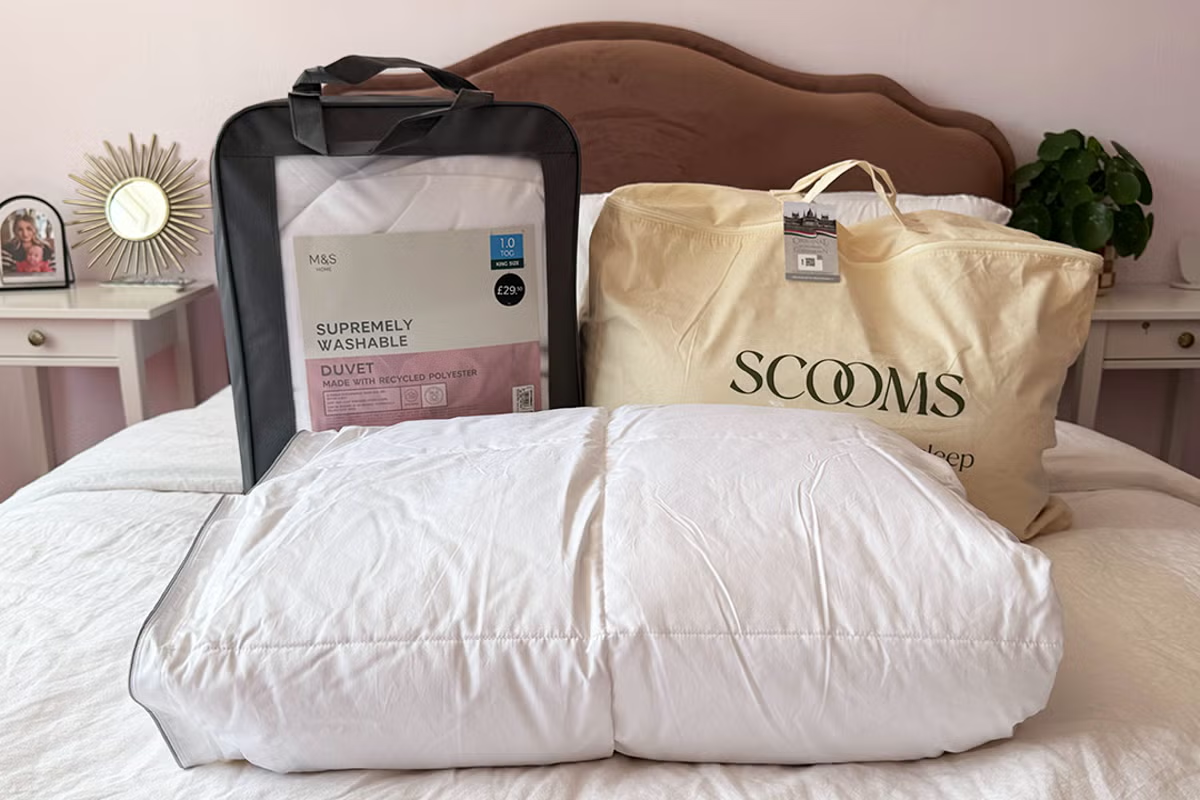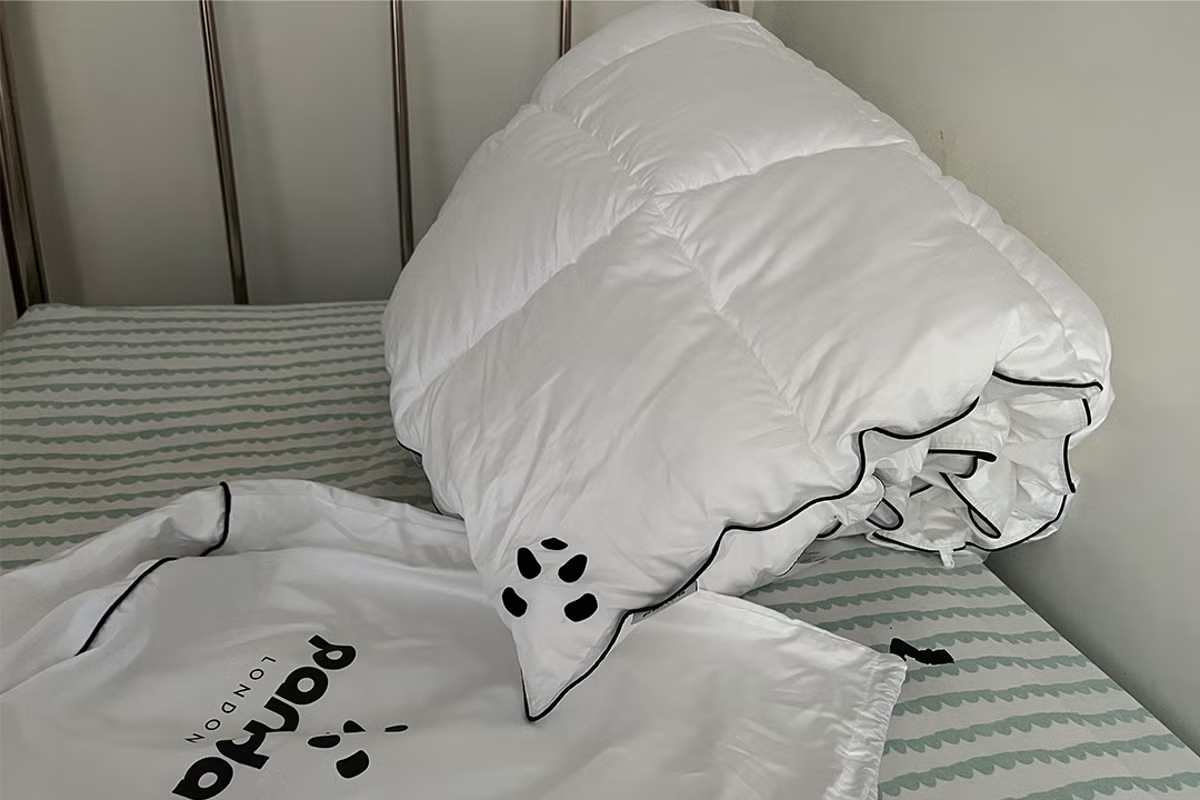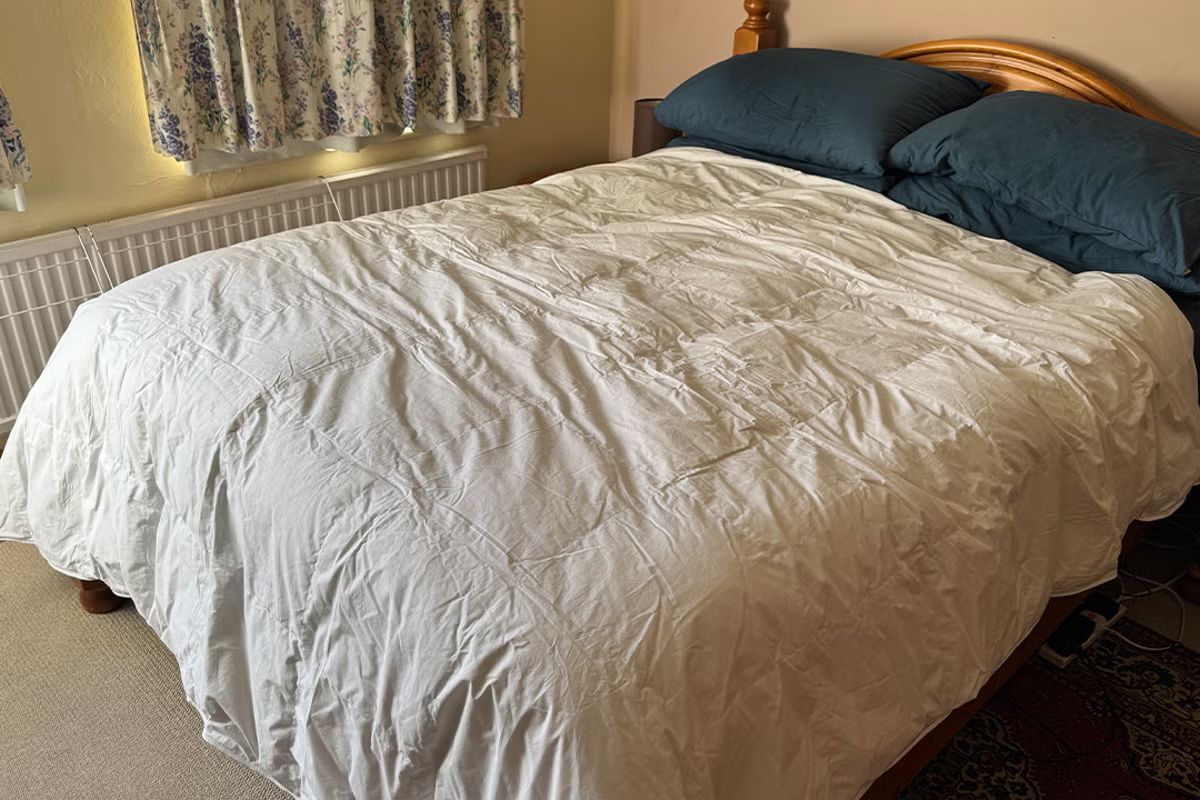
Your questions about goose and duck down duvets answeredWhat is the best goose down duvet?As I stated at the beginning of this article, a lot of research and testing means that I have, in my opinion, picked a set of down duvets that all pretty much match up to each other. I awarded the Secret Linen duvet the best overall award thanks to its range of tog options and the fact that I felt it was the softest of all to sleep under. Budget wise, the Fine Bedding Company’s feather and down duvet is a bargain but, of course, the compromise is that it’s more feather than it is down and is a little noisier to sleep under. How I tested goose down duvets My husband and I slept under each duvet before I passed them on to my stepdaughter to get her view on them from the perspective of an eczema sufferer. I slept under each duvet for at least a week, testing them over both cooler and hotter nights during early summer 2026. I rated each duvet on the following:Ethical credentials: All the duvets I tested either had to have accreditations or be made from recycled down. Quality: I looked at the stitching, materials used, fill distribution and how well-made the duvets were overall. Price: Down isn’t the cheapest option but I have included a range of prices. Breathability: Was the duvet breathable? Did my hot-sleeping husband overheat at night and did my reptilian self stay warm? Ease of care: How easy is it to take care of the duvet? Can it be machine washed and, if not, how do you keep it clean and fresh? How to wash a goose down duvetMost goose down duvets are machine washable on a gentle, cool cycle using a mild detergent, but it’s always best to check the label first as some may require professional cleaning. After washing, tumble dry it on a low heat with dryer balls to help fluff the down and stop it from clumping. Make sure it’s completely dry before using or storing it, as any leftover moisture can damage the filling.What is the difference between goose and duck down?“Down is the underlayer of fine feathers primarily found on the chest and belly of a bird,” explains Anna Heaton, animal materials lead at The Textile Exchange. “Geese are larger birds, so each individual piece of down is likely to be larger than down from a duck. The insulating capacity of down is measured by its fill power—put simply, this is how much space a given weight of down takes up. While there is some overlap with higher quality duck down, goose down tends to have a higher fill power than duck down, meaning it tends to be fluffier and provides better insulation.”How do brands go about getting RDS certification?“As the standard owner, Textile Exchange develops and maintains the Responsible Down Standard (RDS), which sets requirements for both animal welfare and traceability at the raw material production stage,” says Anna Heaton. “Brands do not typically become directly certified to the RDS; instead, they participate by sourcing down and feathers from certified suppliers, relying on our robust chain of custody requirements to ensure that certified material is tracked through every stage.” “Organizations within the supply chain—such as farms, processors and manufacturers—must work with an approved third party certification body to achieve certification. These certification bodies audit operations against RDS requirements, usually at the farm level in the case of the RDS, to verify compliance with the standard. They are responsible for issuing certificates and approving product claims and labelling, helping companies make credible, verified claims about their products. Because the RDS follows a complete chain of custody from farm to final product, consumers can have confidence that the down and feathers in RDS-labelled products are genuinely RDS-certified.”How is recycled down produced?“Our natural recycled down bedding is filled with NEOKDUN 100 per cent recycled down, a premium recycled filling created from high-quality down and feather materials that have already been in use,” explains Alice Dee, ESG & sustainability manager at Secret Linen Store. “These materials are carefully recovered through established collection systems, including post-consumer and post-industrial sources, before undergoing a rigorous sorting, washing and reconditioning process.”“During processing, the recovered down is thoroughly cleaned, sterilised and quality checked to ensure it meets strict hygiene and performance requirements. The fibres are then carefully restored to help maintain the natural loft, softness and insulating properties that make down such a comfortable bedding filling. The result is a light, breathable and cosy duvet that offers the cloud-like feel associated with traditional down while making use of existing materials. Naturally breathable and temperature regulating, recycled down helps create a comfortable sleep environment by allowing air to circulate while providing lightweight insulation. By extending the life of existing down materials, it also supports a more circular approach to material use, reducing the need for newly sourced down.”Why you can trust IndyBest reviewsJo Plumridge is an expert product tester with more than 20 years of experience, and has tested everything from the best cylinder vacuums to the best shower heads for IndyBest. Her interests centre on interior design, sleep and photography, as well as home and tech products. For her review of down duvets, each one was tested in her own home.We’ve found the best duvets for all kinds of sleepers
11 best goose and duck down duvets for luxurious sleep, tried and tested
Snuggle up for a cosy night’s sleep under one of these lightweight but cosy duvetsRead more: Best duvets, tested
894 words~4 min read