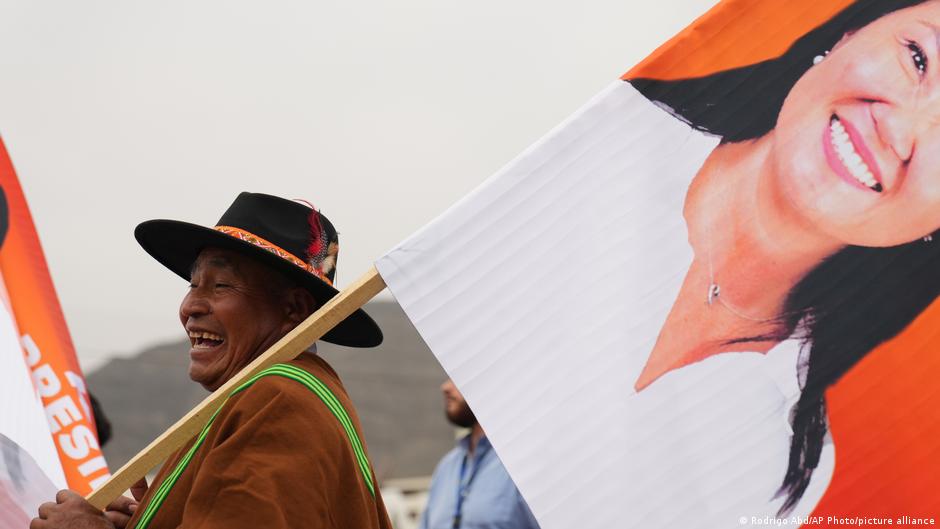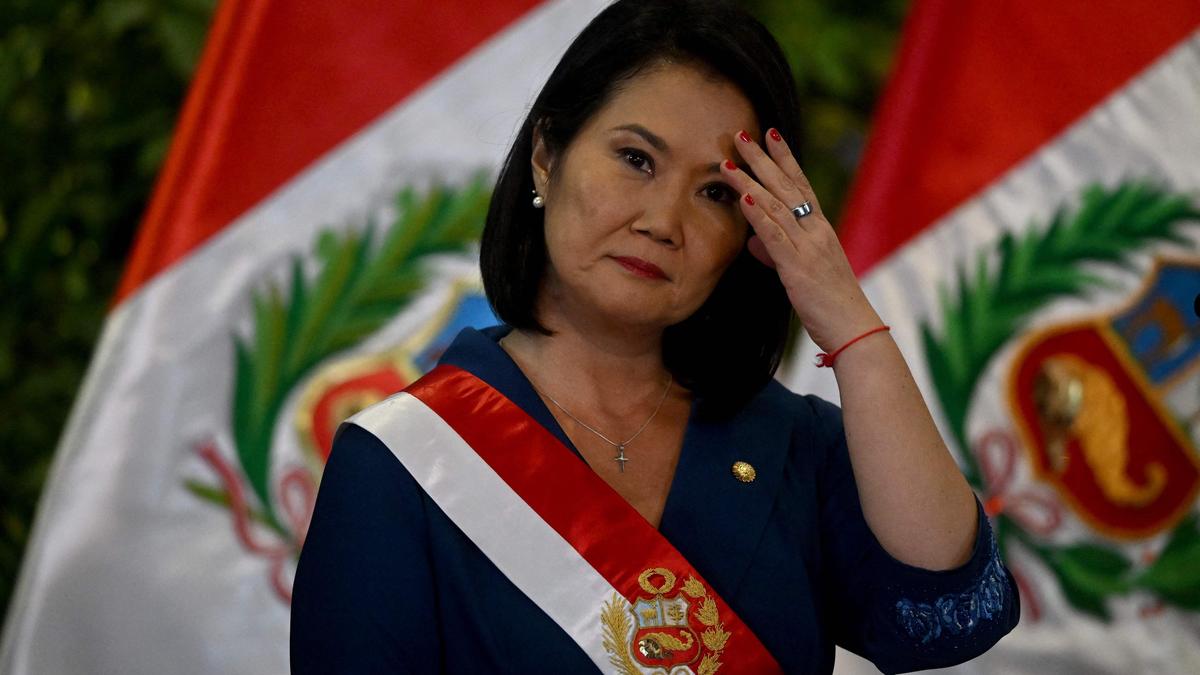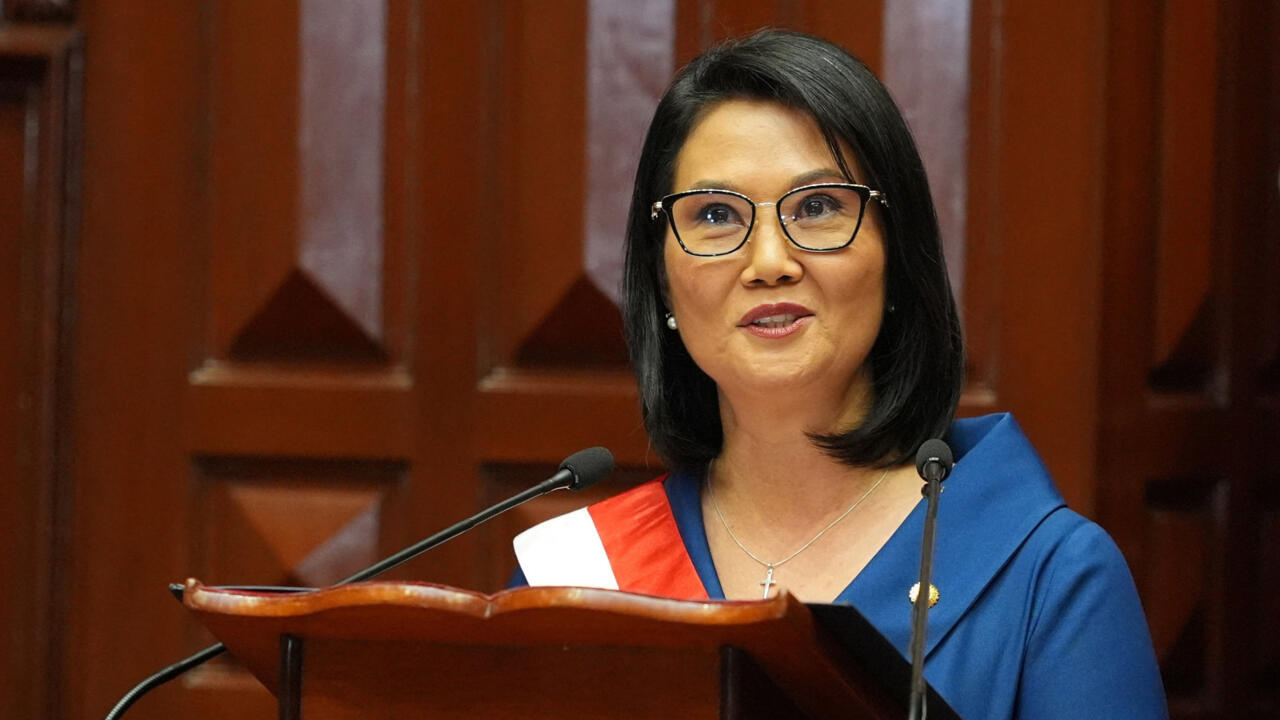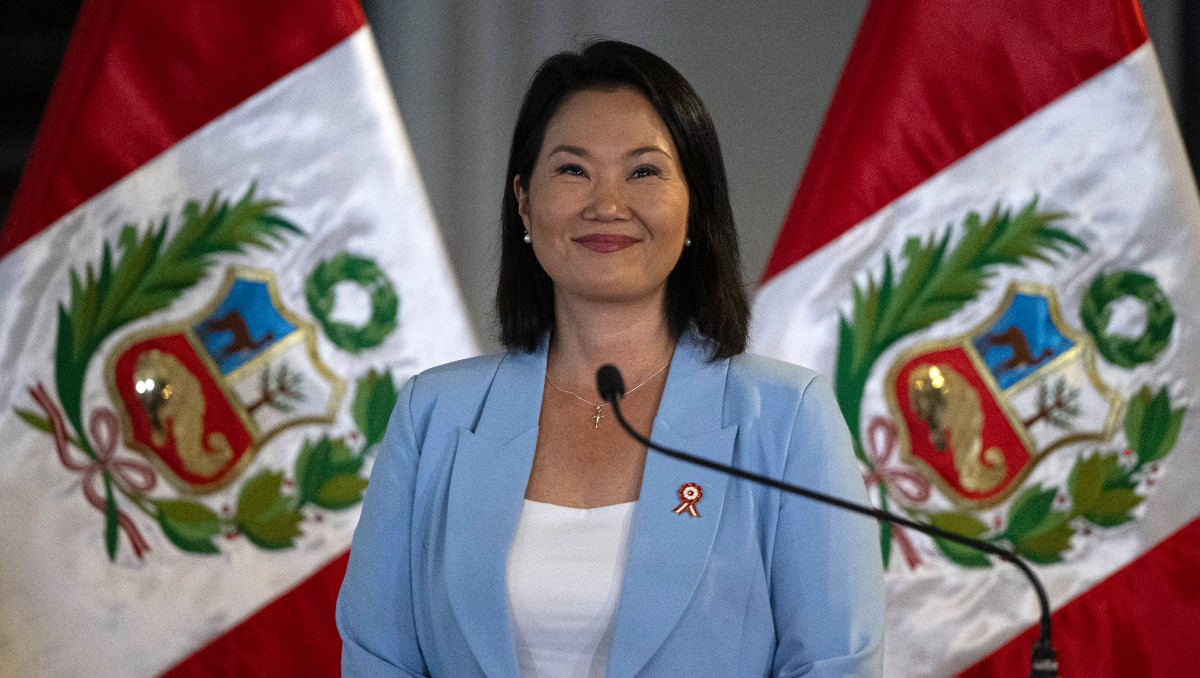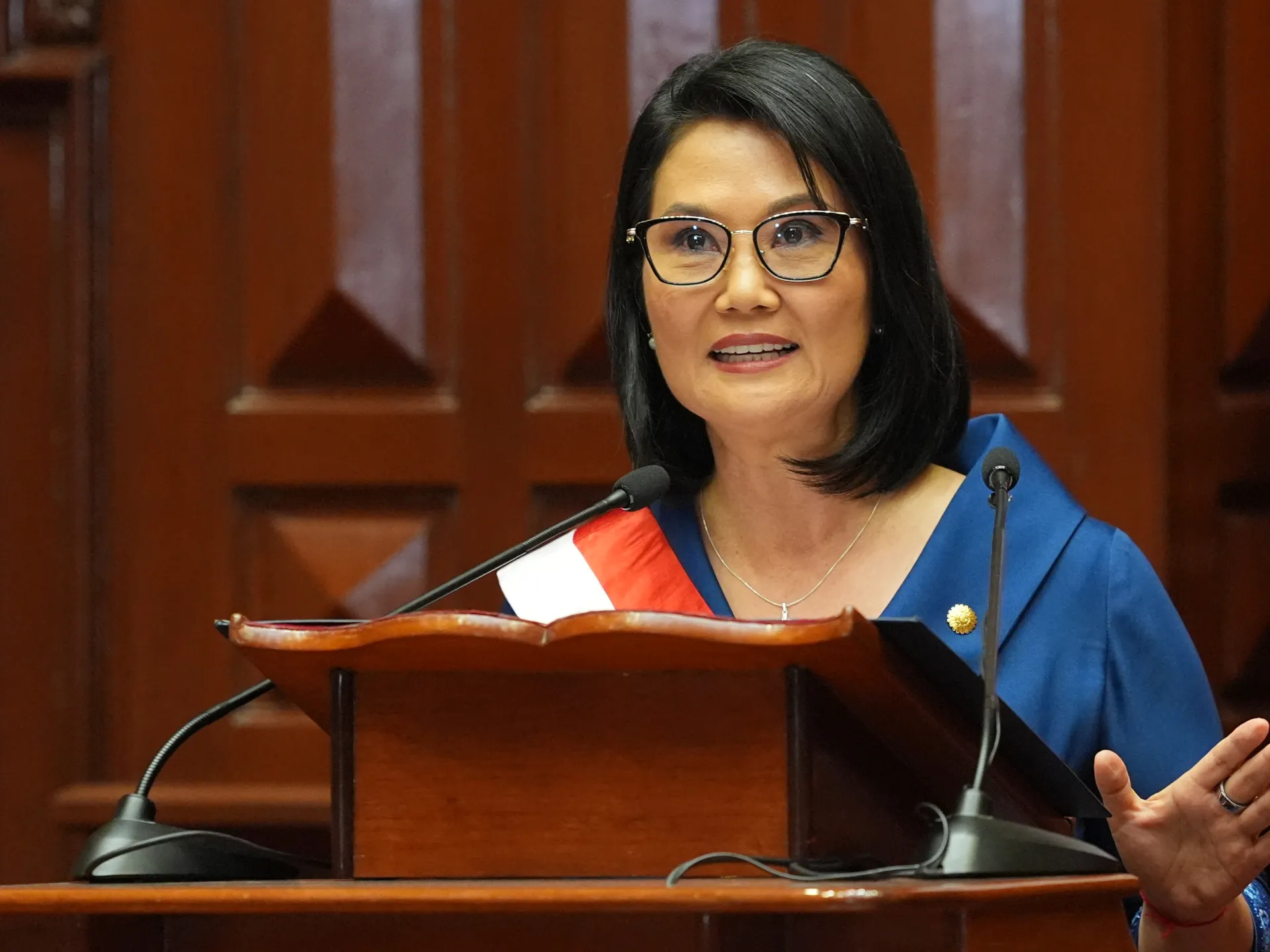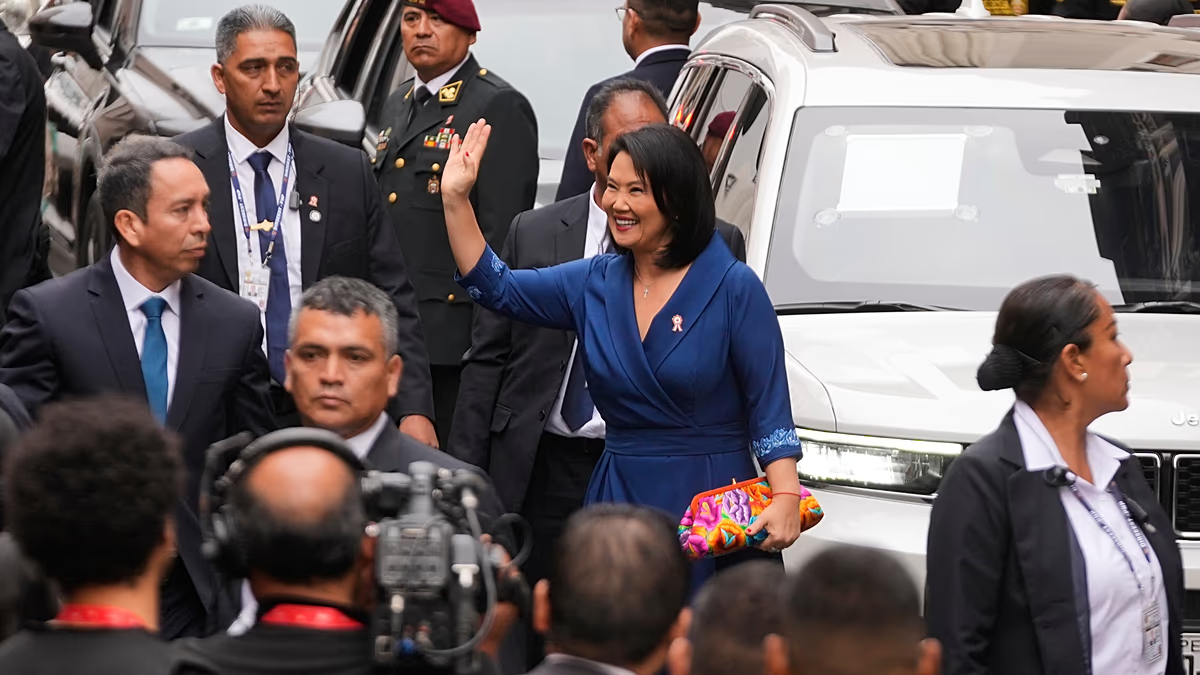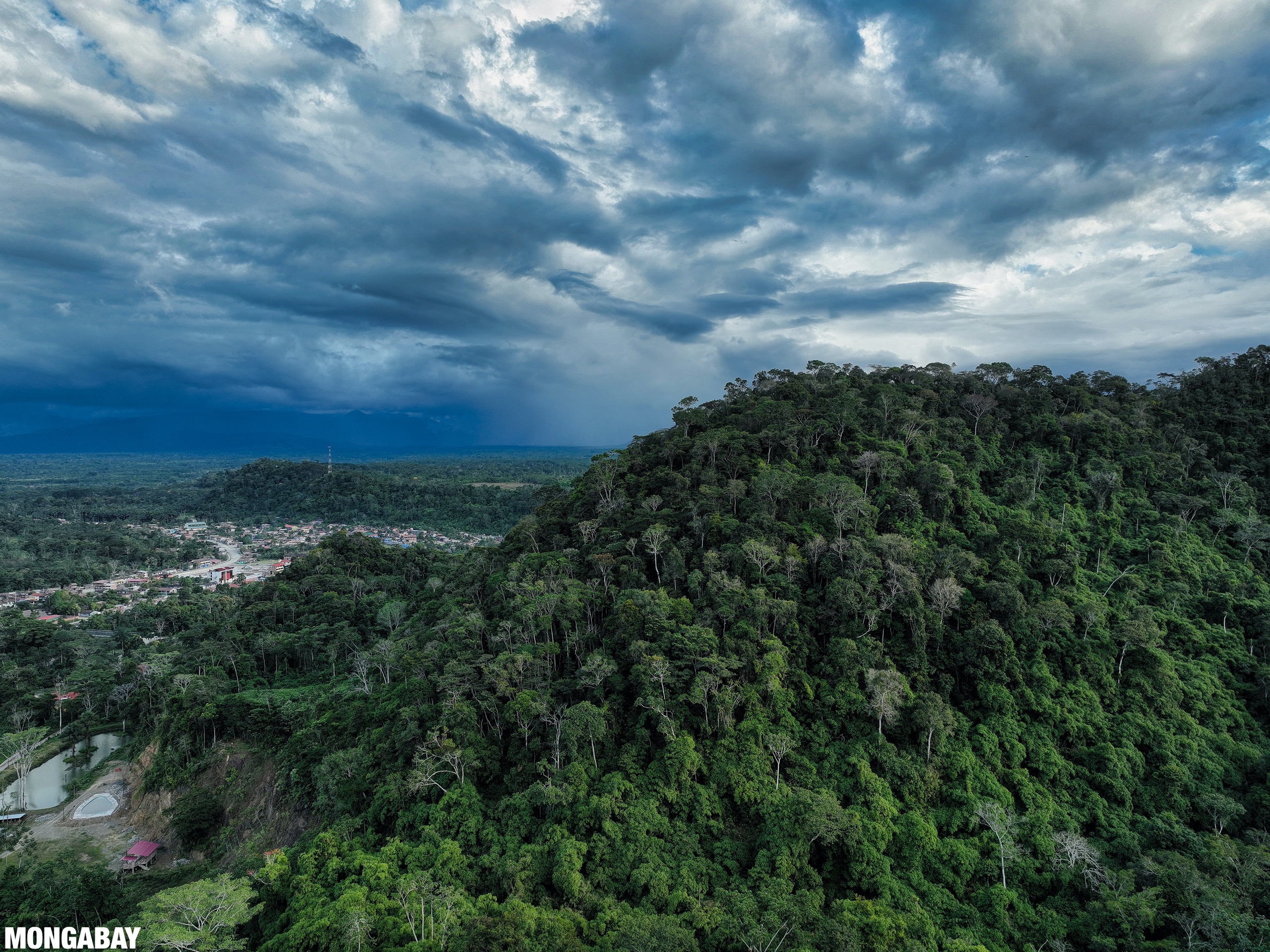
On July 28, Peru inaugurated its new leader, Keiko Sofía Fujimori Higuchi, from the Popular Force Party.Fujimori says she will expand fossil fuel production and mining across the country, as well as road, rail and port networks to facilitate extractive and productive projects.Mongabay spoke with legal experts, environmentalists and Indigenous leaders about the government’s plans and what it might mean for the country’s energy transition commitments and the environment.
Keiko Sofía Fujimori Higuchi from the Popular Force Party was sworn in as the new president of Peru on July 28. Fujimori, who has pledged to tackle insecurity using greater force and militarization, narrowly defeated her left-wing opponent Roberto Sánchez by fewer than 50,000 votes on June 7.
The new president has promised to expand fossil fuel production and mining across the country, raising concerns among environmentalists and Indigenous leaders about the future of the Peruvian Amazon, as well as its international commitments to reduce greenhouse gas emissions through its Nationally Determined Contributions (NDCs) — a national climate action plan under the Paris Agreement.
The country submitted its first NDC in 2016, which was then updated in 2020 and 2025. In its plan, it has committed to diversify renewable energy sources, strengthen sustainable transportation, reduce deforestation, protect natural areas and support Indigenous and local communities, among other mitigation priorities.