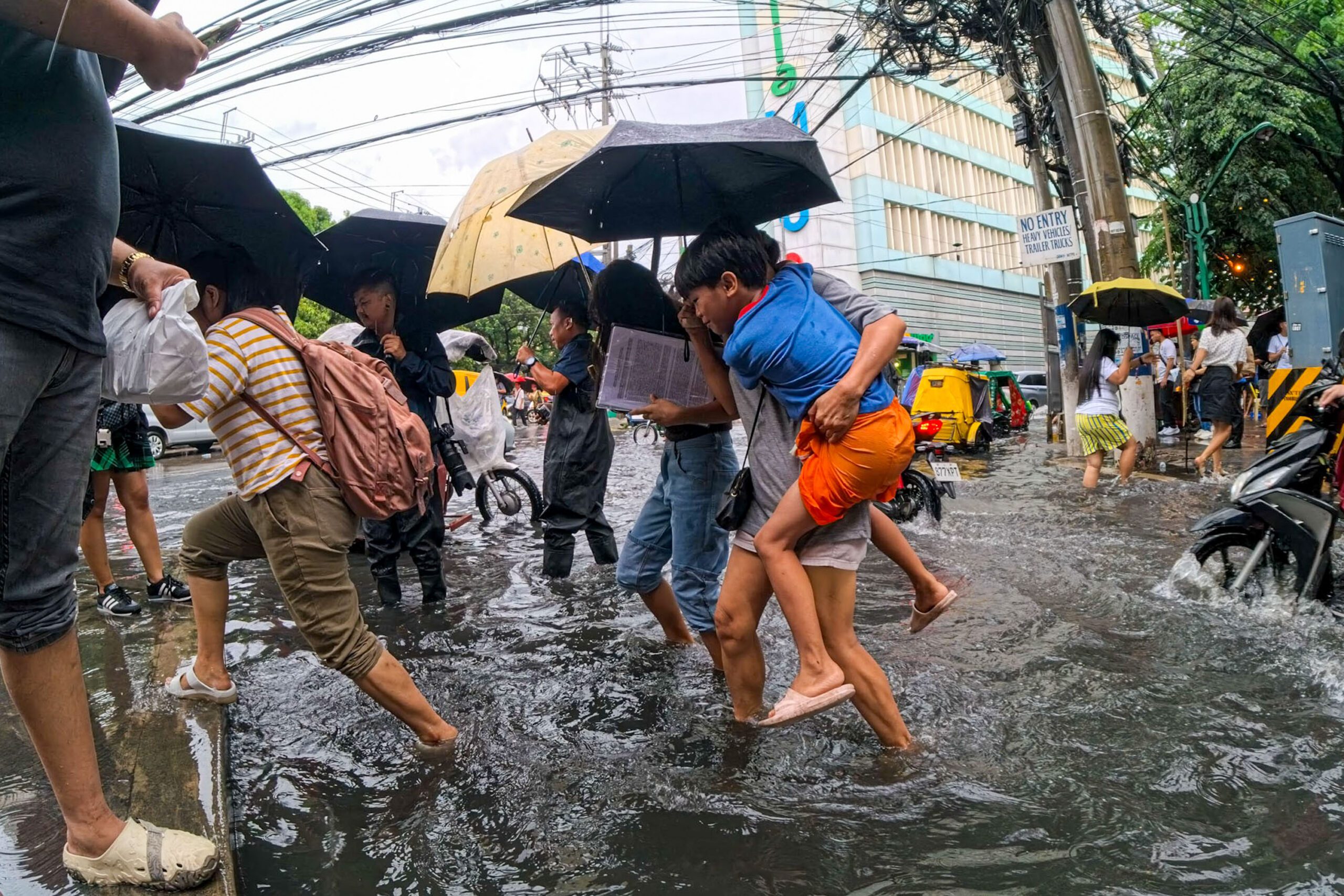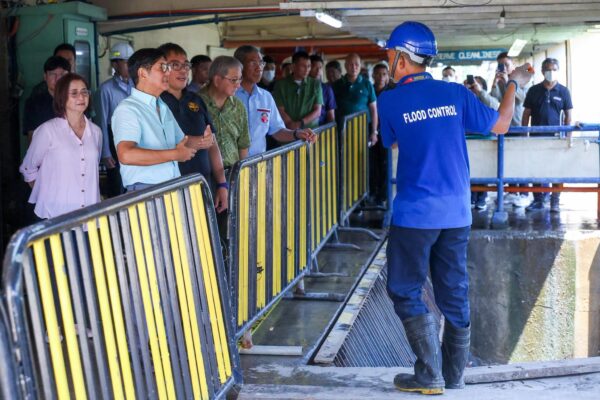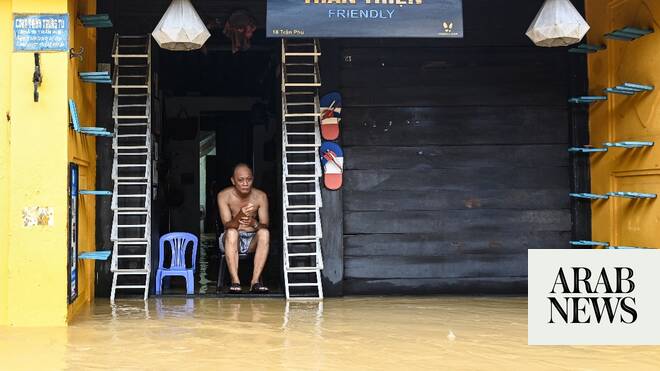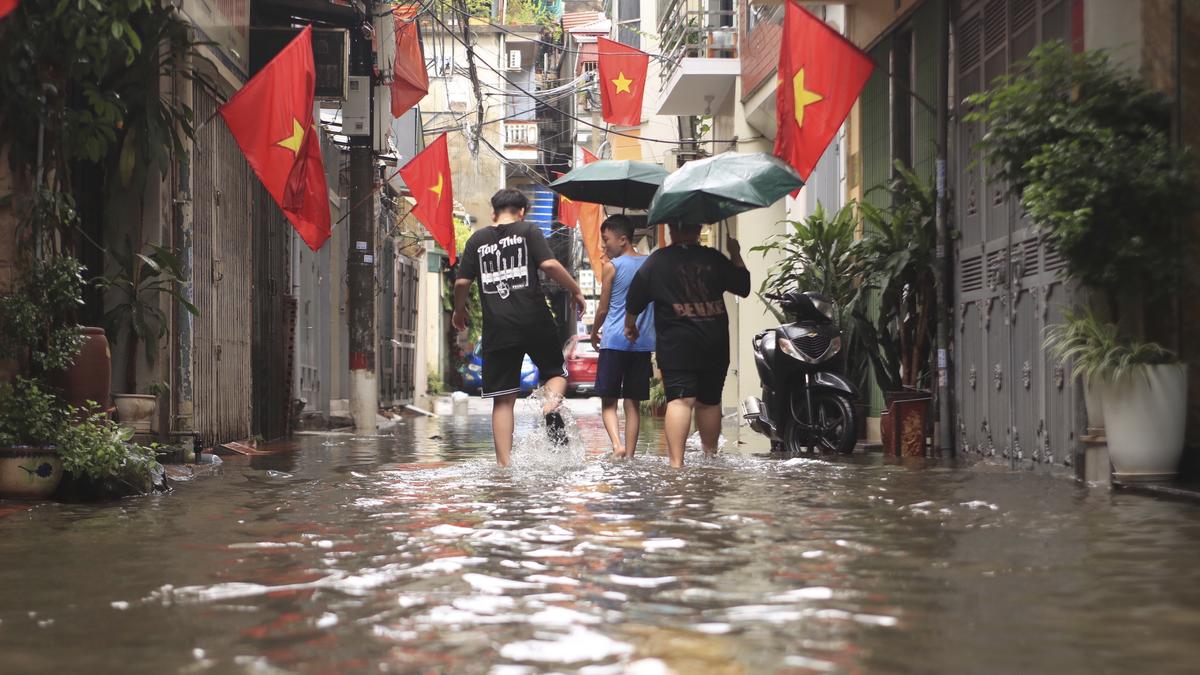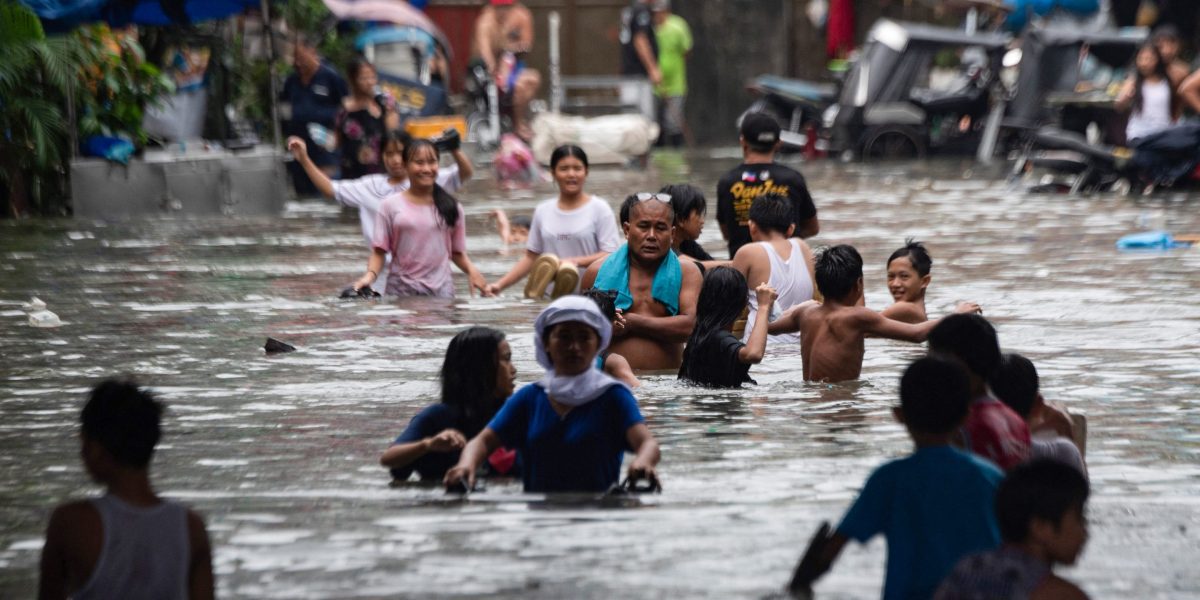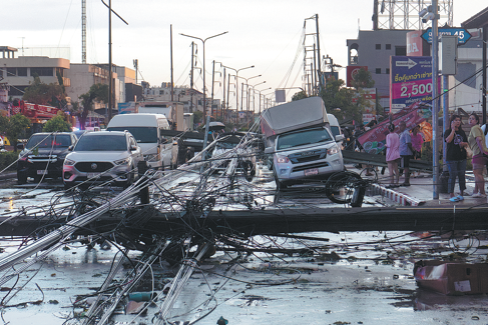
A severe storm accompanied by torrential rain and violent wind gusts caused extensive infrastructure damage in Lat Krabang, Bangkok, Thailand, on June 26. THAI NEWS PIX/GETTY IMAGE
Climate resilience has stopped being an environmental issue and become an economic one, experts said. When 35 percent of a year's rainfall falls within a single week, as it did in parts of Thailand last year, the failure is not simply meteorological. It is a failure of design, of coordination, and of economics.
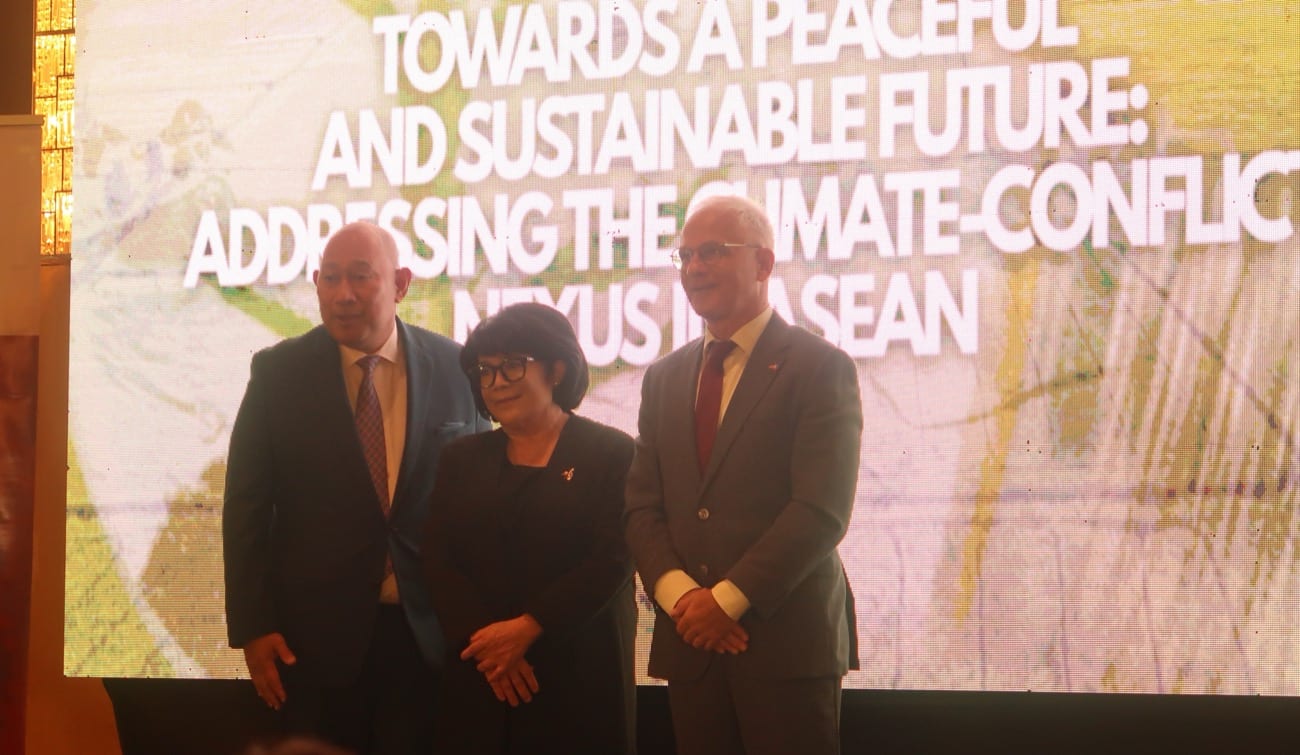
That was the argument advanced at a CAsean Forum 2026 panel on "Strengthening ASEAN's Physical Resilience", held in Bangkok in August, where experts said Southeast Asia's climate exposure is no longer a side issue for environment ministries but a direct threat to the region's economic competitiveness.
Witaya Wannasuphoprasit, dean of engineering at Chulalongkorn University, framed Thailand's exposure through three converging failures.
First, rainfall patterns have become faster and more erratic than existing forecasting tools can track, overwhelming the drainage systems designed for a gentler climate.