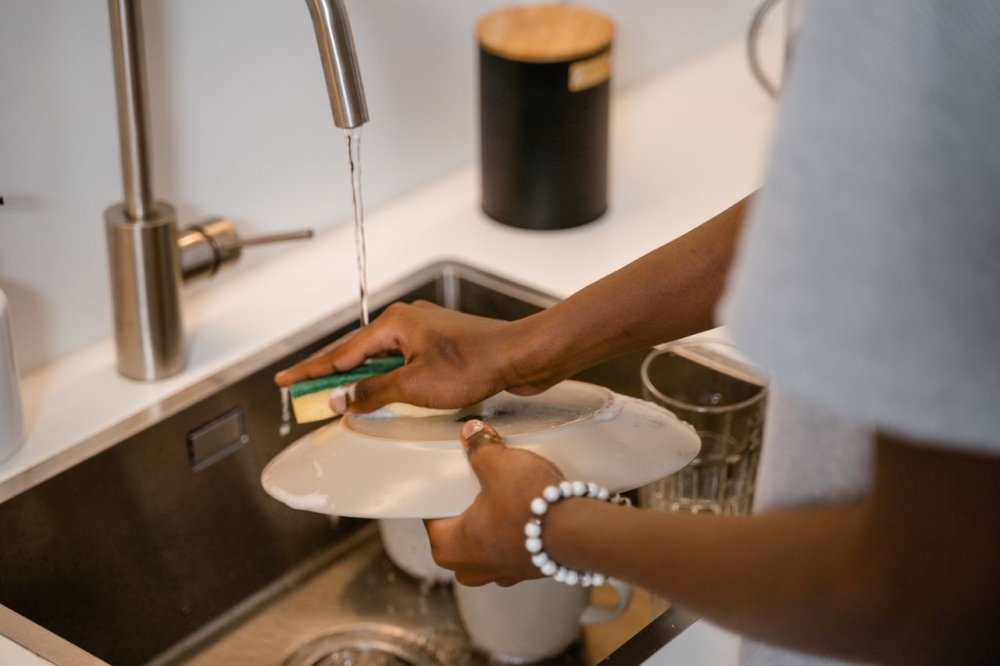
From cooking and cleaning to childcare, grocery shopping and remembering family appointments, women often carry a second, unpaid workload after their paid jobs end.
For many women, the working day does not end when they leave the office, close their laptop or finish their shift.
Instead, another shift begins at home.
There are meals to prepare, children to care for, laundry to fold, groceries to buy, bills to remember and appointments to arrange. Even when these tasks are shared, women often find themselves carrying the mental responsibility of remembering what needs to be done and when.
This unpaid work is often described as the “invisible workload” because, unlike paid employment, it rarely comes with a salary, a job title or formal recognition.