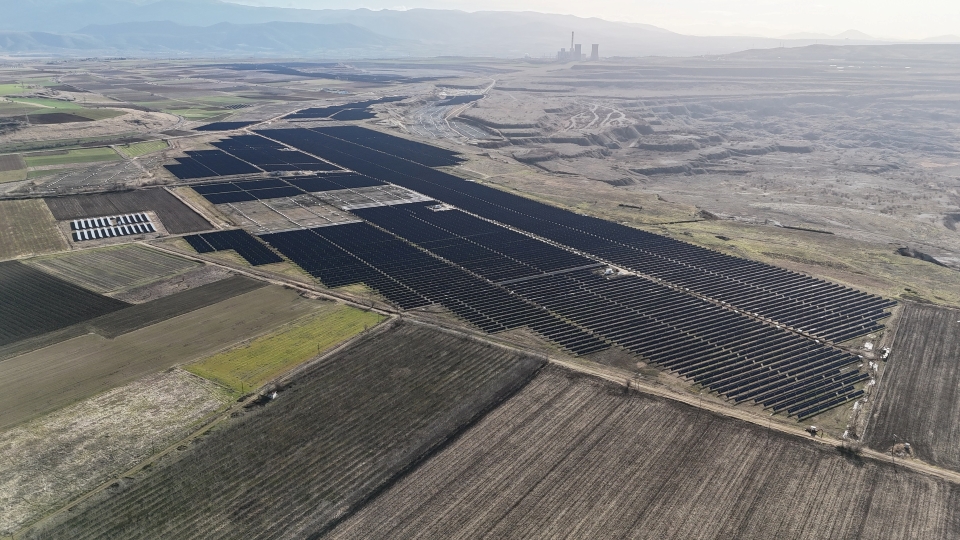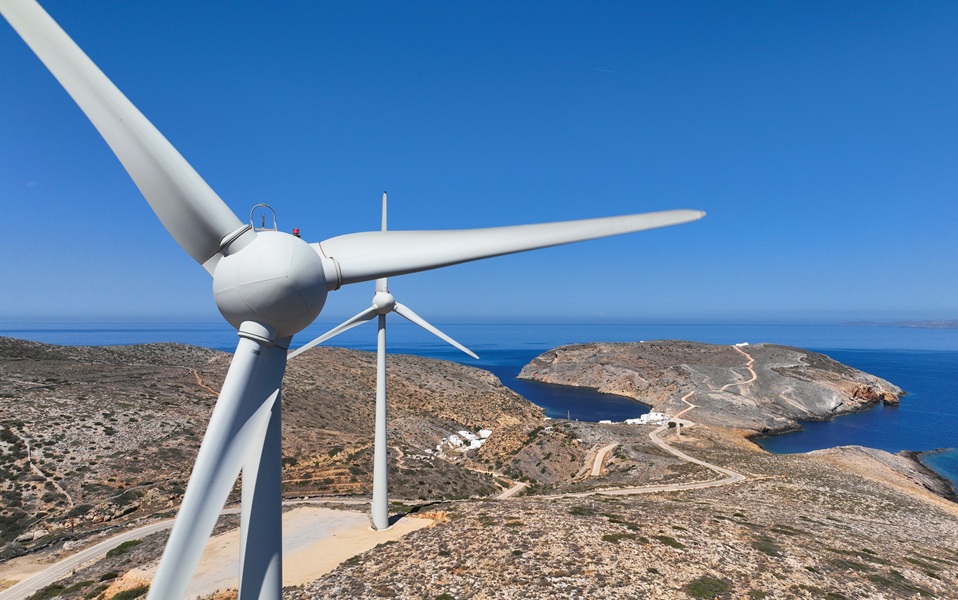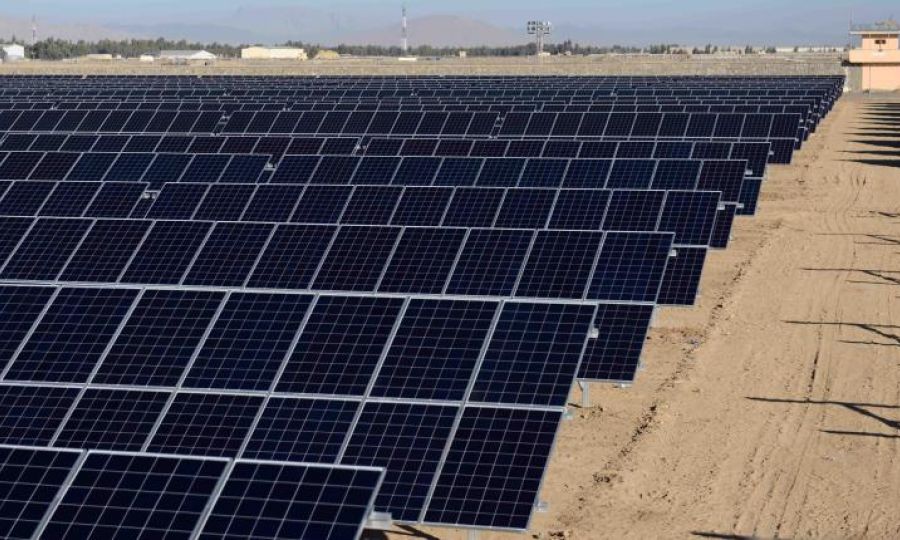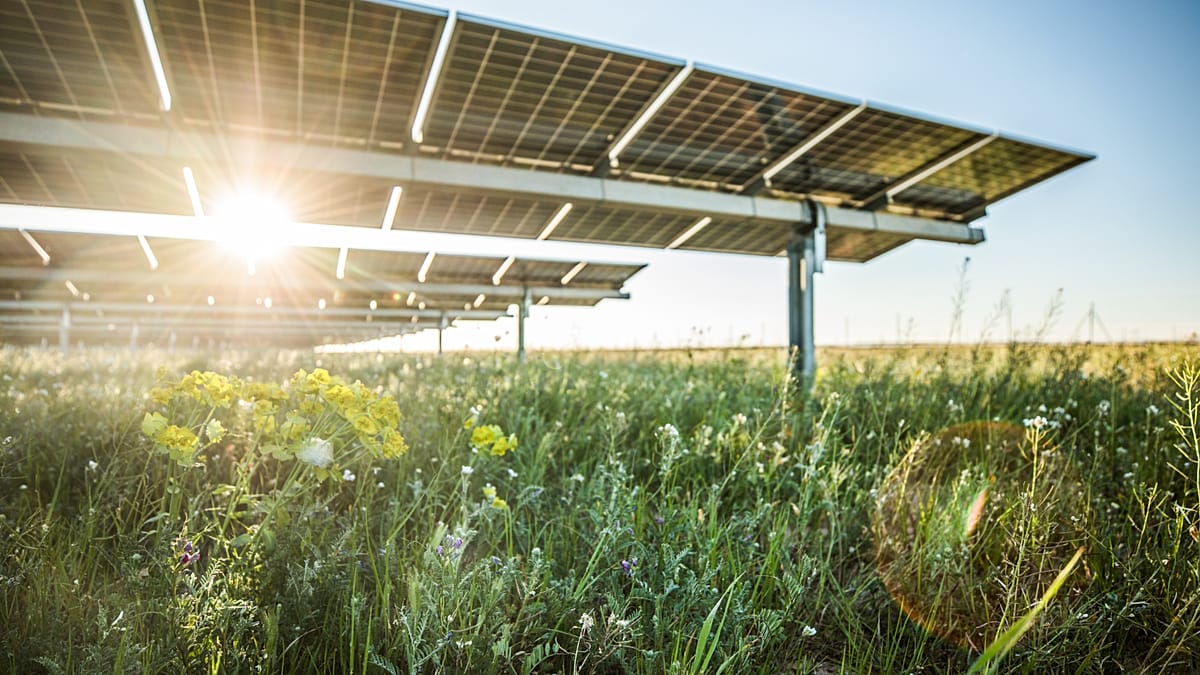
Greece has introduced a new spatial planning framework for renewable energy and storage, tightening siting rules for PV and expanding protected areas. The rules cap PV land use at 1.5% in each of 74 regional units but exempt permitted projects.
Greece’s Ministry of Environment and Energy has introduced a new spatial planning regime for renewable energy and energy storage, including photovoltaic systems.
The new framework has now become state law and has overhauled the country’s spatial planning framework for renewable energy, updating policies dating back to 2008. The previous framework did not include spatial planning rules for energy storage, so the ministry has also introduced provisions covering storage systems.
The new regulations “modernize siting rules by establishing stricter and clearer criteria, restrictions, and guidelines for the installation of new renewable energy plants and storage facilities,” the ministry said in a press release.
The rules also “take into account current environmental, social, and economic conditions and are geared towards the long-term goal of achieving the country’s energy targets by 2050,” it added.