For the past 15 years, the default assumption about cloud computing has been simple: When enterprises needed more capacity, cloud providers would deliver it. The price might go up. The instance type might be scarce in one region. Maybe procurement would complain. But capacity would eventually show up.
That assumption is starting to break.
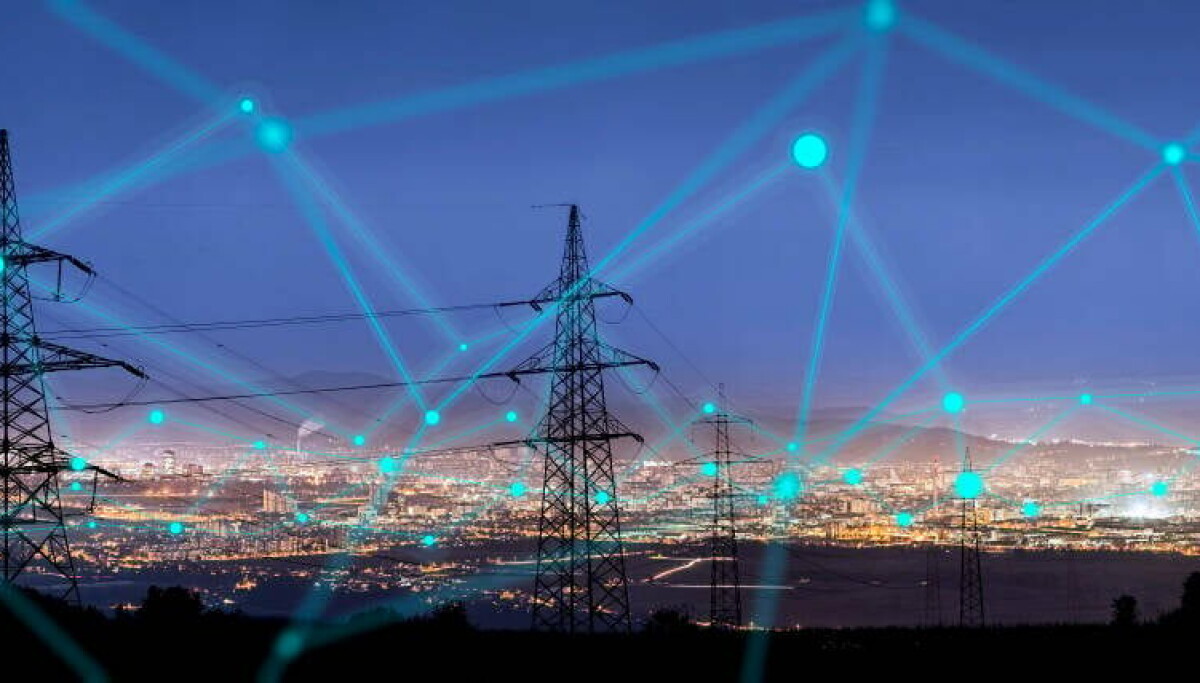
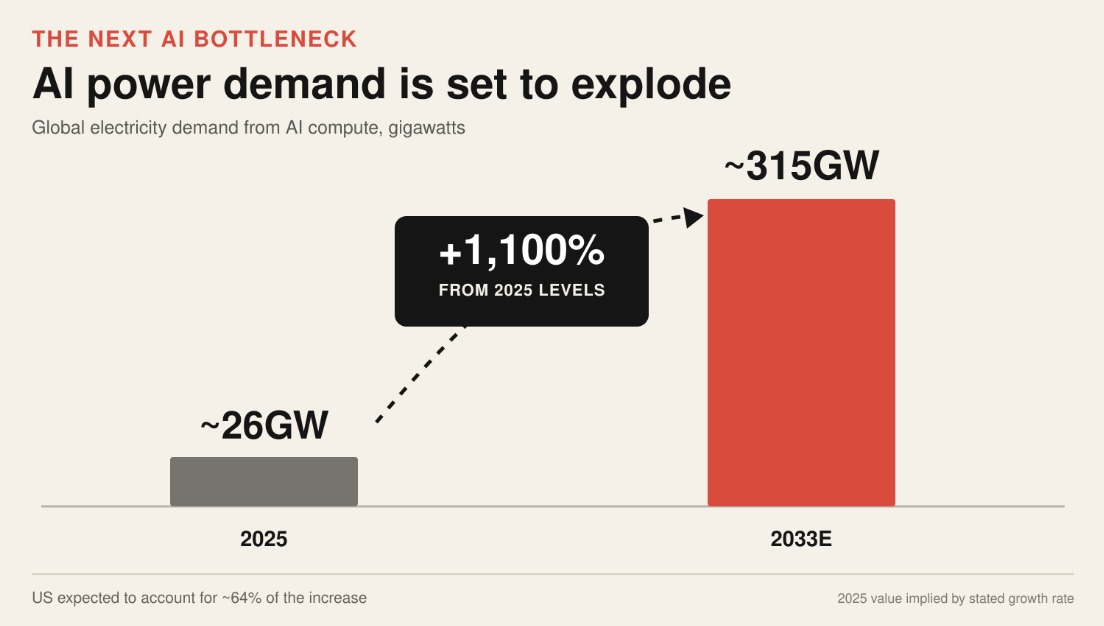
The next major constraint on cloud growth is not chips, cooling systems, fiber, land, or software automation. Those all matter, of course, but the next limiting factor is more basic: Power. Not theoretical power. Not power as an engineering line item. Actual grid-connected, regulator-approved, utility-delivered electricity at the scale needed to run the next generation of AI and data-intensive systems.
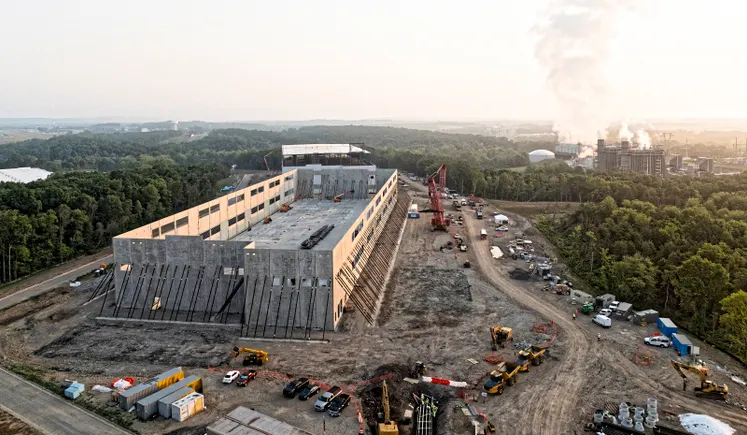
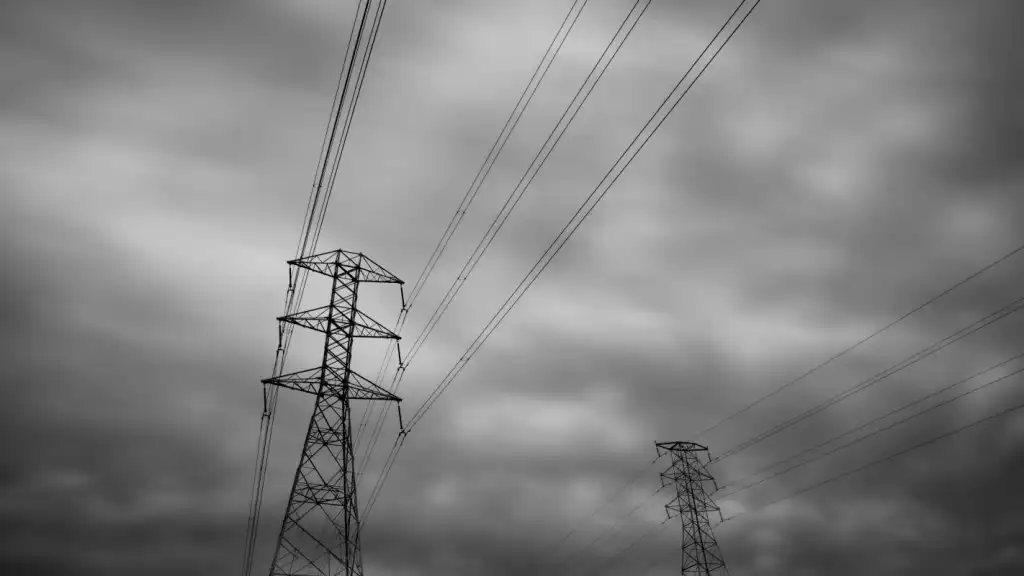
Power has always been a challenge in data center construction. Anyone who works with infrastructure long enough knows that data centers are essentially power plant drains with servers attached. But the landscape we enter in 2027 and 2028 is different. Demand now collides with the limits of local grids, municipal approvals, transmission infrastructure, environmental reviews, and political patience.
The cloud conversation changes.