Bogong moths are a critical resource for the many rare and wonderful species that live in the Australian Alps, but their future is far from certain.The IUCN classifies the bogong moth as an endangered species, but Australia, the only country where the moth is habitually found, has refused to recognize it as such, categorizing it instead as “data deficient”.Currently, a network of entomologists, ecologists, data scientists, First Nations peoples, and volunteers is working to address the data gaps, hoping to reapply for a national endangered species listing and identify the best strategies to protect the bogong moth.However, tracking a tiny creature that migrates hundreds of kilometers in the dark of night is no easy task.
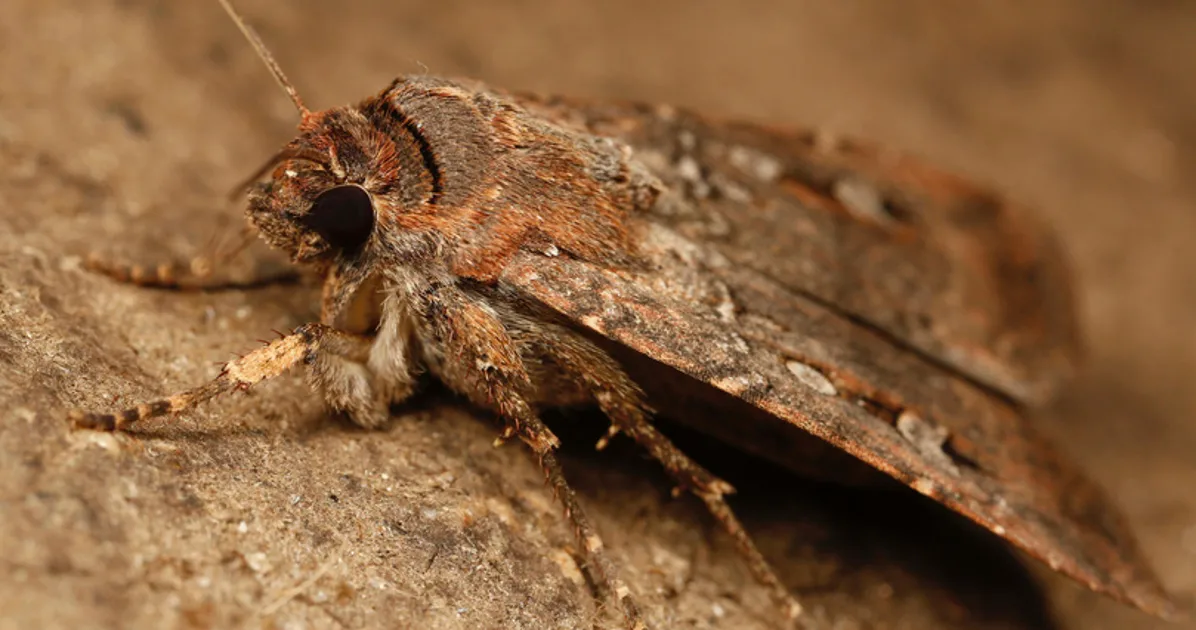
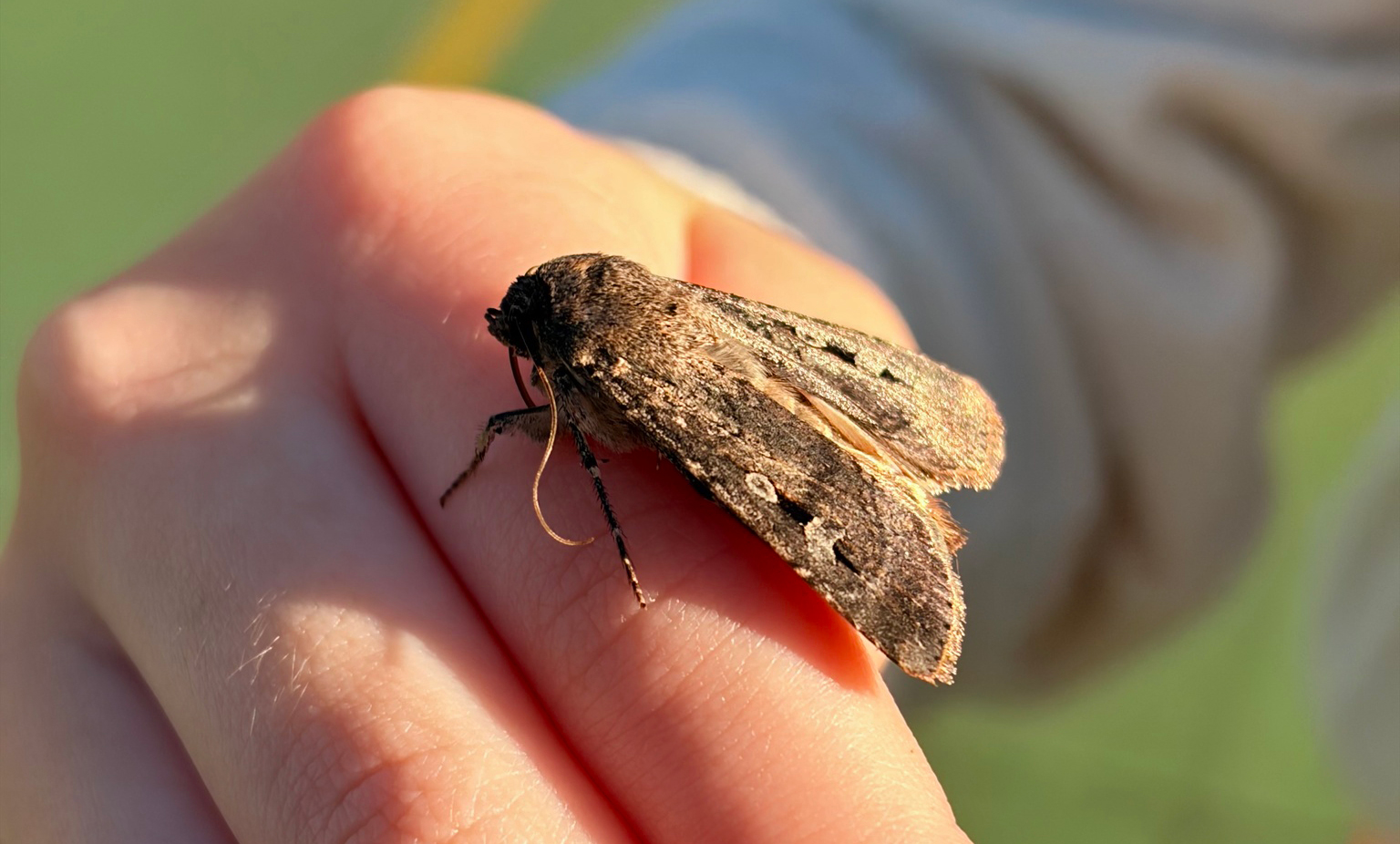
At first glance, Australia’s bogong moth is a decidedly unspectacular-looking creature. The moths are typically a dark, mottled brown and each weighs less than a Tic Tac mint or half a gram. But looks can be deceiving.
Every spring in the Southern Hemisphere, from September to November, billions of bogong moths (Agrotis infusa) undertake an epic journey. Using the stars and the Earth’s magnetic field, these tiny insects navigate hundreds of kilometers across Australia. Their destination is the Australian Alps, located in the far southeast corner of the country, where they will shelter in cool caves for the duration of the summer.