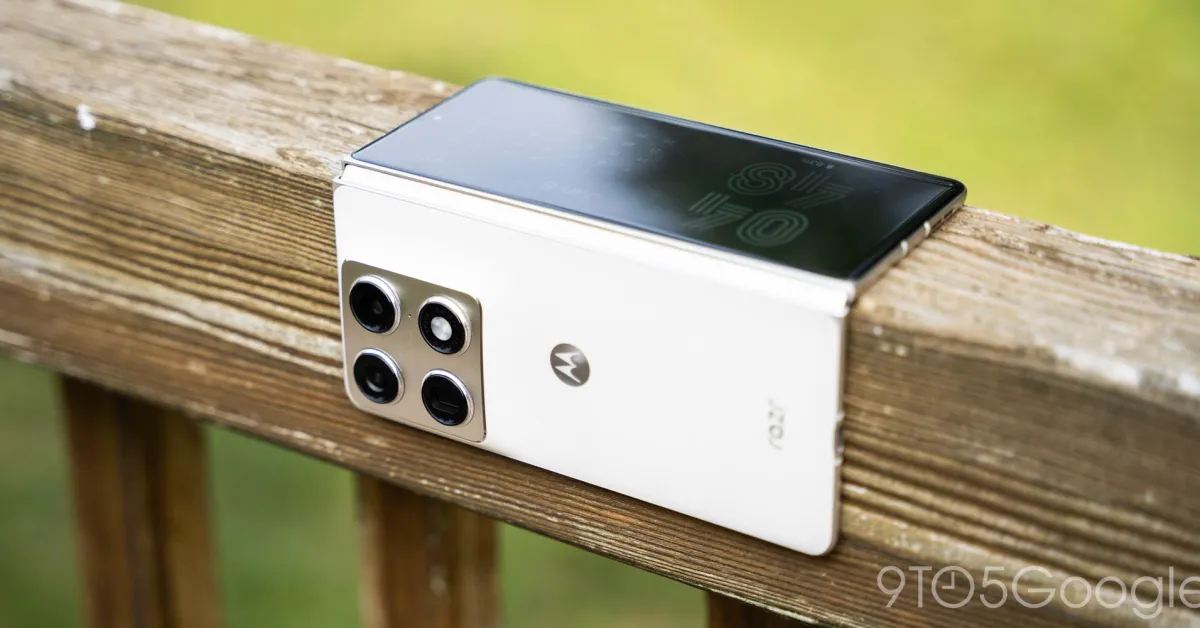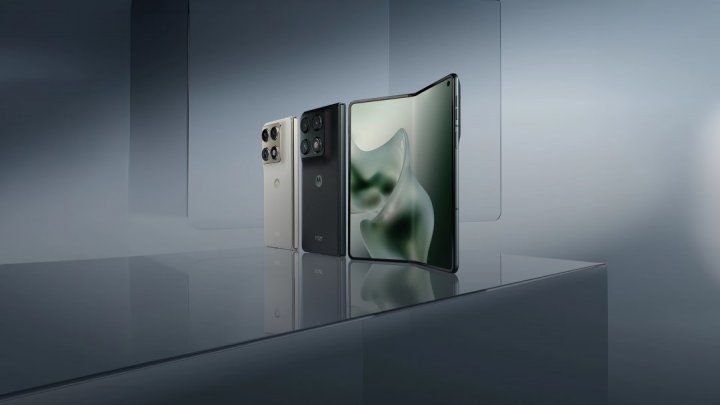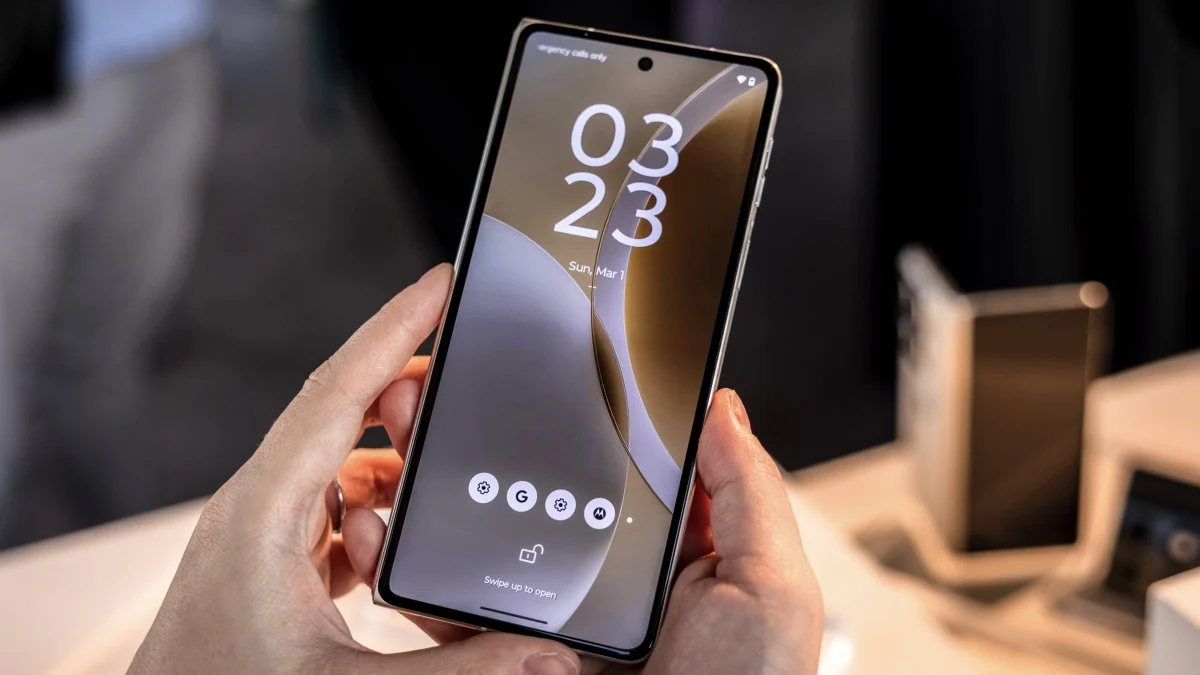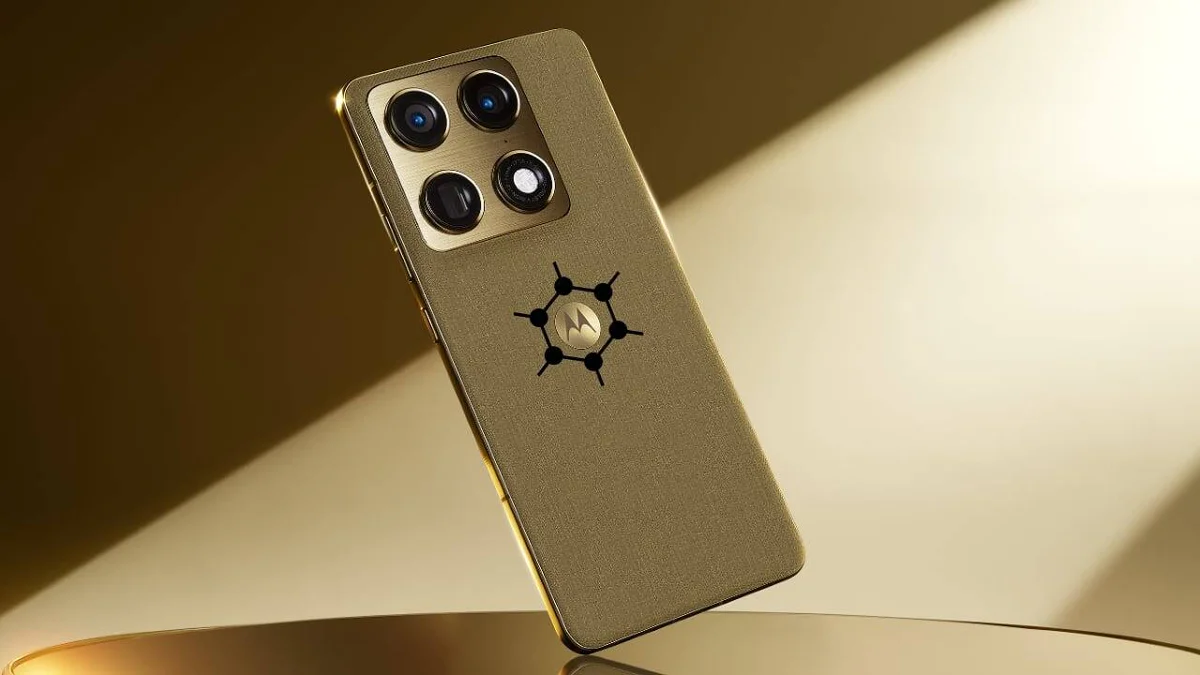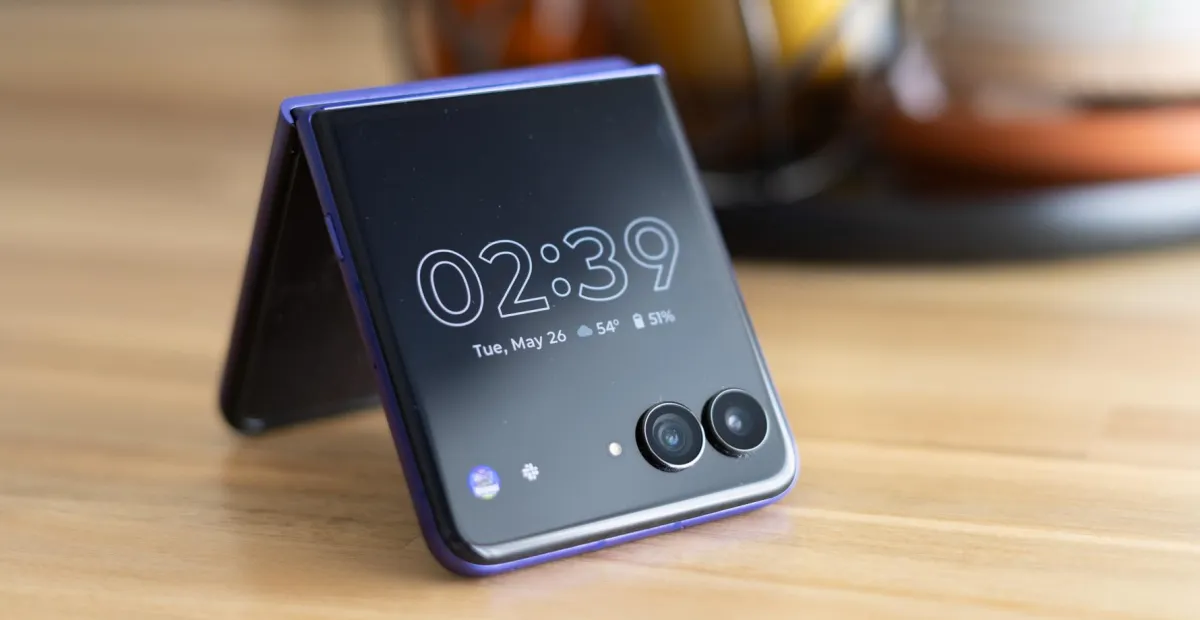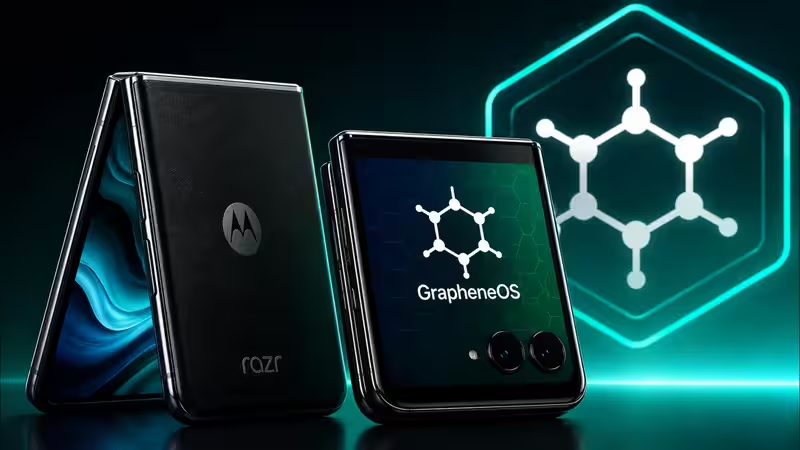
In a detailed Mastodon post, the GrapheneOS foundation outlined its plans for supporting Motorola's devices, beginning with a "standard flagship" phone in 2027. Following that initial release, GrapheneOS will bring support for two Motorola foldable devices, the Razr Fold and the Razr Ultra. Interestingly, the latter device is a vertically foldable flip phone, whereas prior GrapheneOS releases have only supported horizontally foldable book-style devices such as the Pixel Fold, Pixel 9 Pro Fold, and Pixel 10 Pro Fold.What About This Year's Razr Phones?A reasonable question to ask is why Motorola's 2026 release of the Signature, Razr Fold, and Razr Ultra smartphones are not eligible for GrapheneOS support. According to GrapheneOS, Motorola's current smartphones "are very close to being supported" but lack two particular security requirements:Memory Tagging Extension (MTE) support to help GrapheneOS defend against memory-related security exploits.Mature Secure Element Integration refers to a dedicated hardware component for storing and protecting sensitive information such as cryptographic keys.According to the post, both of these features are expected to land with Qualcomm's next-generation Snapdragon "Elite Gen 6" chip, which is expected to power Motorola's 2027 flagship devices. As GrapheneOS requires "strong, proven hardware security" before adding official support for a device, the 2026 Motorola phones are not compatible, at least not for the time being.Motorola Is Doing More Than Just Hosting the OSUnlike a typical community-driven Android OS, GrapheneOS says that Motorola is directly contributing to the project by providing engineering resources to ensure compatibility with its devices. In particular, Motorola is handling much of the demanding porting and maintenance work for GrapheneOS, and in exchange, the company's devices will see seven years of OS updates, the same level of support as Google's Pixel smartphones.
GrapheneOS Is Coming to Motorola's Razr Fold And Razr Ultra – Here's When
GrapheneOS is gearing up to officially support Motorola smartphones from 2027, opening the door for the iconic Razr Fold and Razr Ultra devices. Unfortunately, those with 2026 foldable models will not benefit from this update. Looking ahead, future Motorola devices will boast improved security, equipped with advanced Snapdragon chips, while the partnership with Google's Pixel devices stays strong.
282 words~1 min read