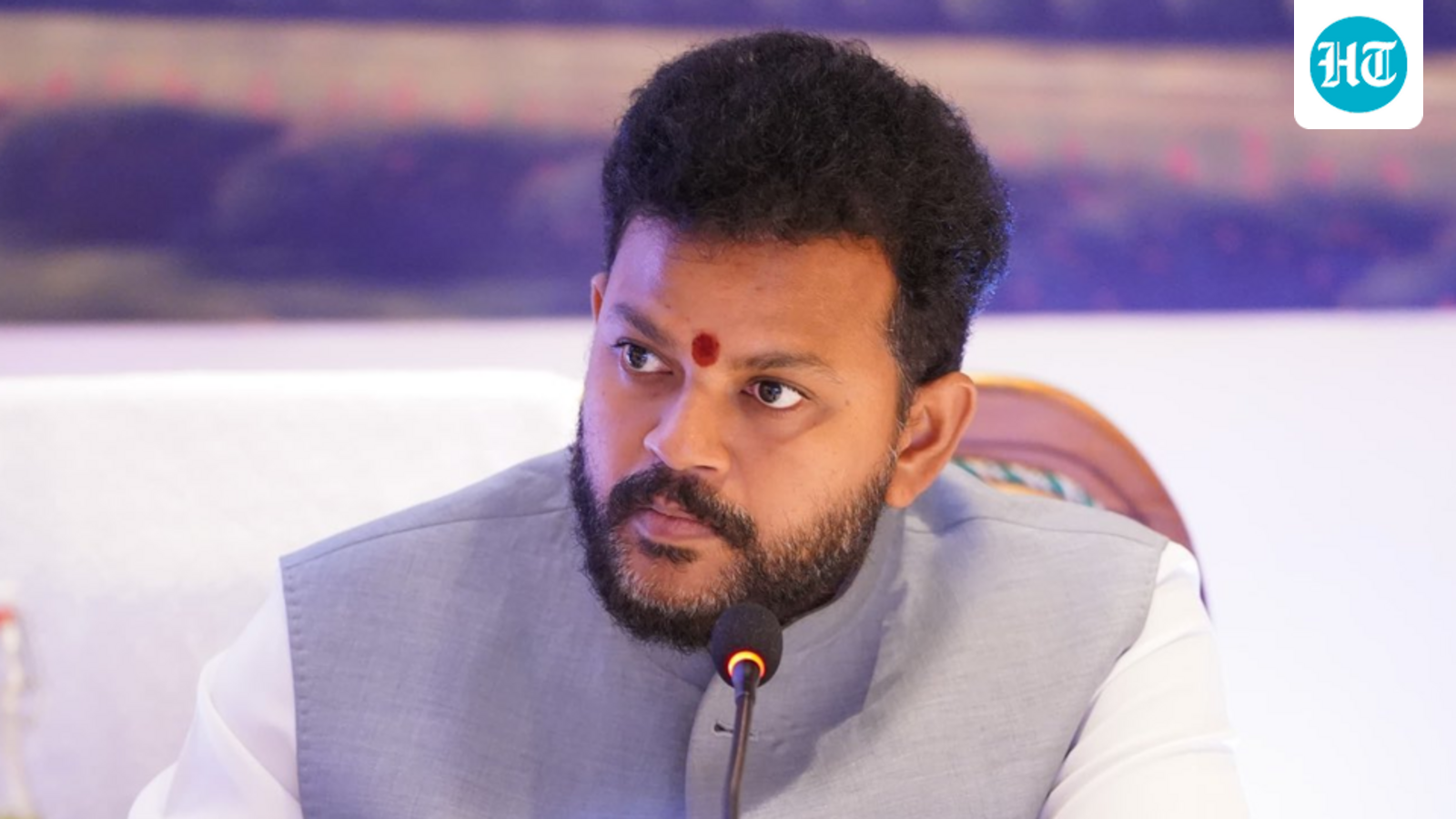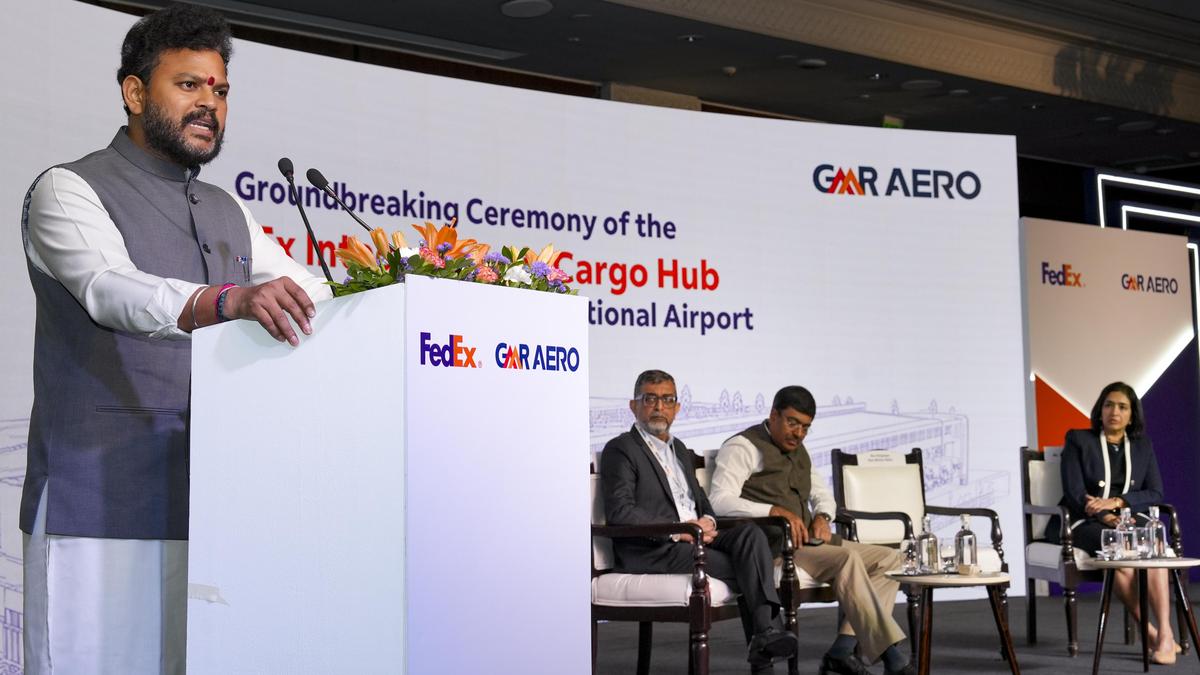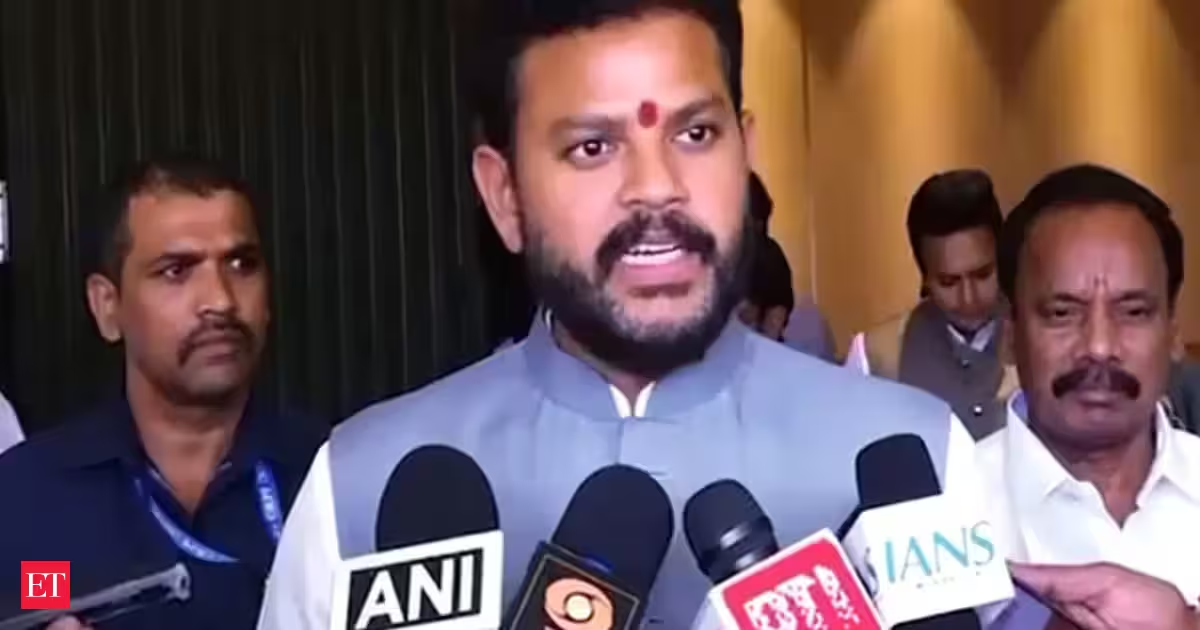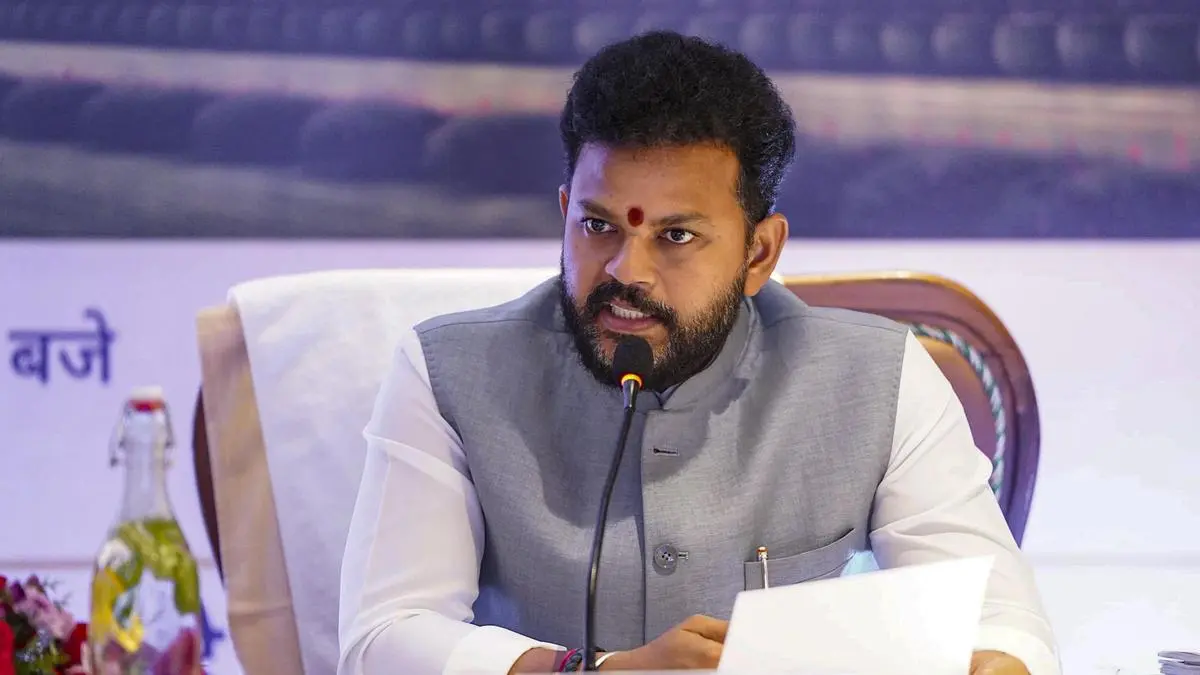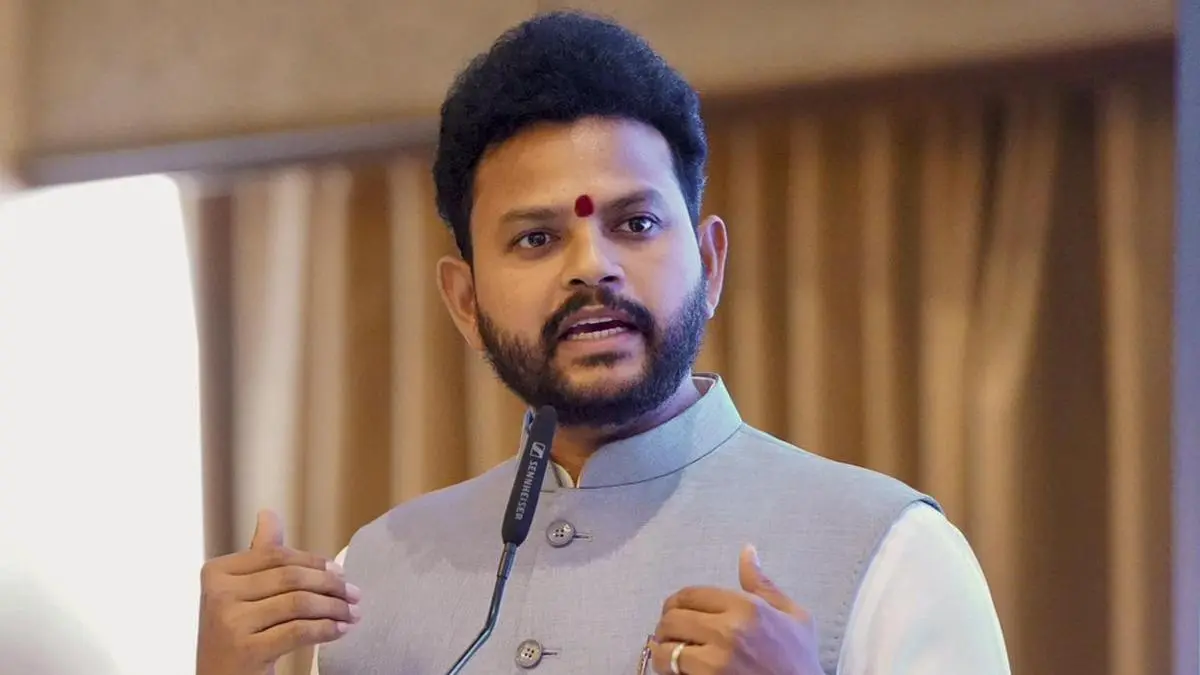
Union Civil Aviation Minister Kinjarapu Ram Mohan Naidu (file photo)
| Photo Credit:
@RamMNK/X via PTI Photo
The Centre is considering expanding mandatory drug testing of airline pilots from the existing requirement of 10 to 100 per cent, with testing to be conducted at random intervals, Civil Aviation Minister Ram Mohan Naidu said.If implemented, India will become the first country in the world to administer such strict testing regime.As per estimates, India based airlines currently employ over 11,000 pilots, while the overall numbers range to about 25,000. Speaking on the sidelines of an industry event here, Naidu said, “At present, the dope test rule is 10 per cent for pilots in airlines. We want every pilot to go through it at a random time.”The proposed expansion, the minister said, would have to take into account both safety considerations and its operational impact on airlines.“The safety aspect, operational impact also has to be taken into consideration,” he said.Meanwhile, the Directorate General of Civil Aviation (DGCA) is assessing the impact of expanding the testing requirement to 100 per cent of airline pilots, Naidu said.The development comes as the government examines ways to strengthen the existing framework for testing aviation personnel for consumption of psychoactive substances.Presently, the regulatory framework requires random drug testing of a specified proportion of flight crew members and other safety-sensitive personnel.Besides, airlines other than Air India are also conducting drug testing of their pilots, the Minister said.“Like Air India, other airlines are also conducting dope tests on their pilots,” Naidu said.The comments come after Air India Group began mandatory screening of its pilots for substances or medications not permitted under prevailing regulations.Notably, the airline had initiated the exercise following the August 4 Air India Phuket-Delhi flight incident involving an Airbus A320neo, which suffered a sudden loss of altitude during cruise before stabilising and landing safely in Delhi.The pilot-in-command had returned a non-negative preliminary screening result for psychoactive substances, although the confirmatory result has not been officially confirmed.Furthermore, the proposed expansion of testing would require the DGCA to assess how a 100 per cent random testing regime can be implemented without affecting airline operations while ensuring the intended safety objectives, the Minister said.Last week, businessline, quoting sources, reported that the DGCA is considering a new, more stringent Civil Aviation Requirement (CAR) governing testing for psychoactive substances among aviation personnel.The regulator, sources had said, is expected to discuss new provisions relating to the testing process, including changes in testing requirements and sample size with stakeholders before the new CAR is finalised.Currently, the existing CAR requires scheduled commercial aircraft operators and air navigation service providers to conduct random drug testing of flight crew members and air traffic controllers.The existing CAR requires flight crew members, air traffic control officers, aircraft maintenance engineers or certifying staff, trainee pilots and instructors or examiners to undergo testing at specified stages, including before employment and as part of follow-up testing of confirmed cases.Additionally, the framework covers testing for amphetamine and amphetamine-type stimulants, opiates and metabolites, cannabis as THC, cocaine, barbiturates and benzodiazepines.In case of a non-negative screening result, the employee is required to be removed immediately from safety-sensitive duties until the confirmatory report is received.Published on August 25, 2026