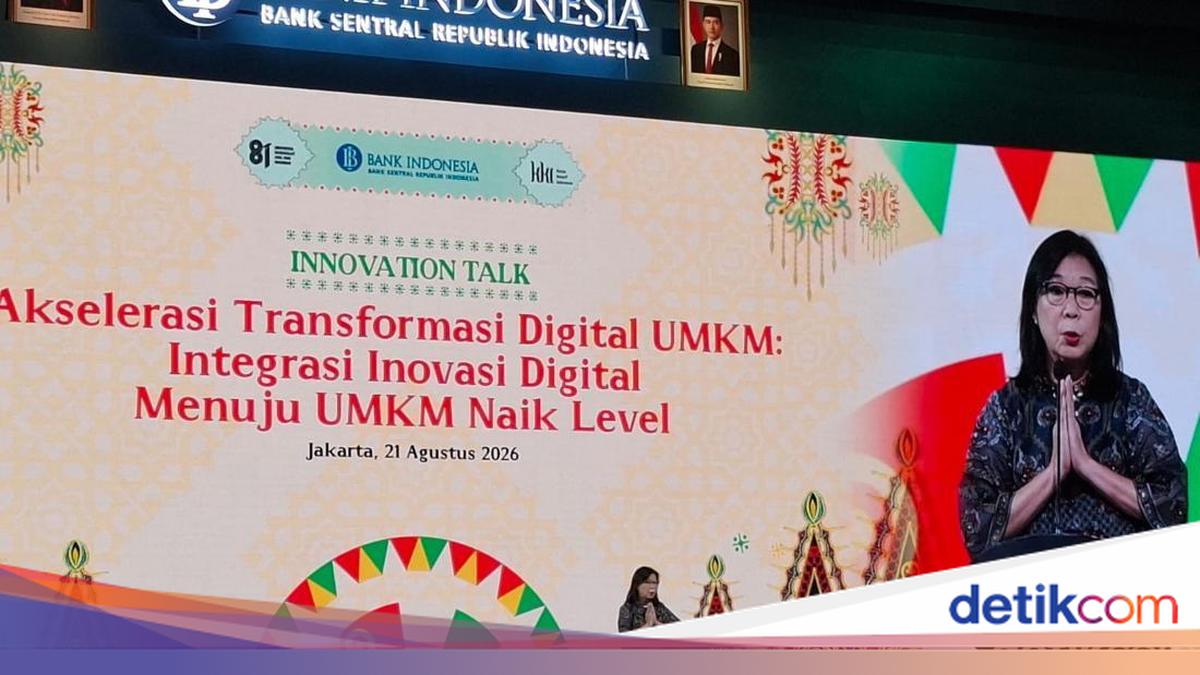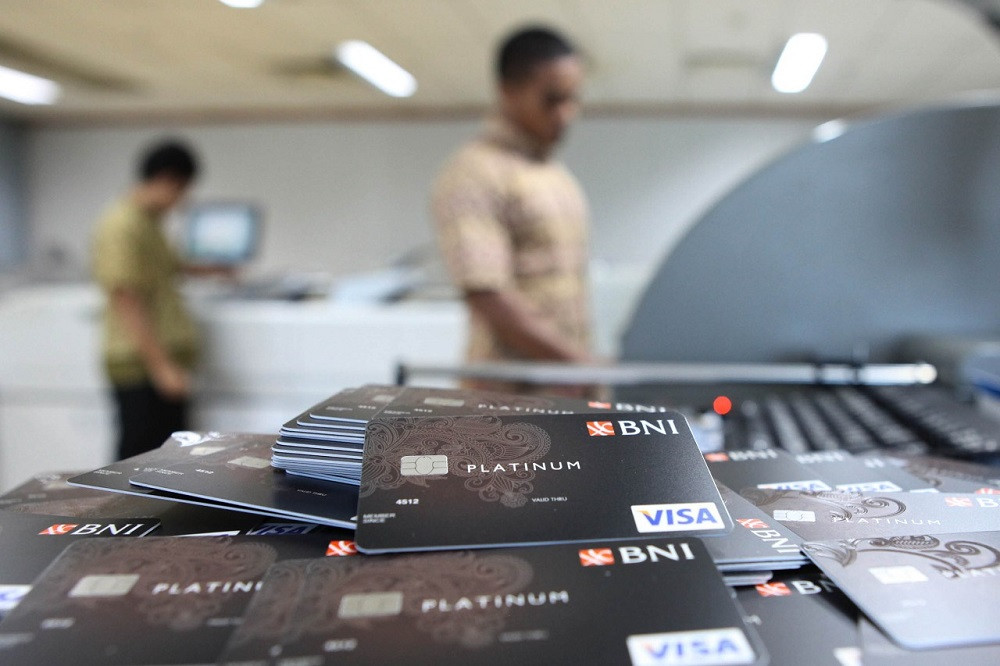
Indonesia’s credit card market is moving in an unusual direction. As of June, Bank Indonesia (BI) recorded 18.09 million credit cards in circulation, around 700,000 fewer than a year earlier. At the same time, transaction volume rose 15.7 percent year-on-year and transaction value increased 13.3 percent.The number of cards is shrinking, but the cards that remain are being used more actively. This is the market that Kartu Kredit Indonesia (KKI), launched by BI together with the Indonesian Payment System Association (ASPI) on Aug. 17, is entering.
KKI is part of a longer effort by BI to build more of Indonesia’s payment system at home. The direction started with the National Payment Gateway (GPN) in 2017, which connected domestic payment networks and allowed more retail transactions to be processed within the country. QRIS later gave consumers and merchants one common standard for digital payments. KKI extends that same direction into credit.
Eight banks joined the initial rollout, including Bank Mandiri, BCA, BNI, BRI, CIMB Niaga, PermataBank, Bank Mega and BSI. These banks issue the credit facility, while payments are made through QRIS, either by scanning a code or using QRIS Tap. BI describes KKI as a deferred-payment instrument that is processed domestically.