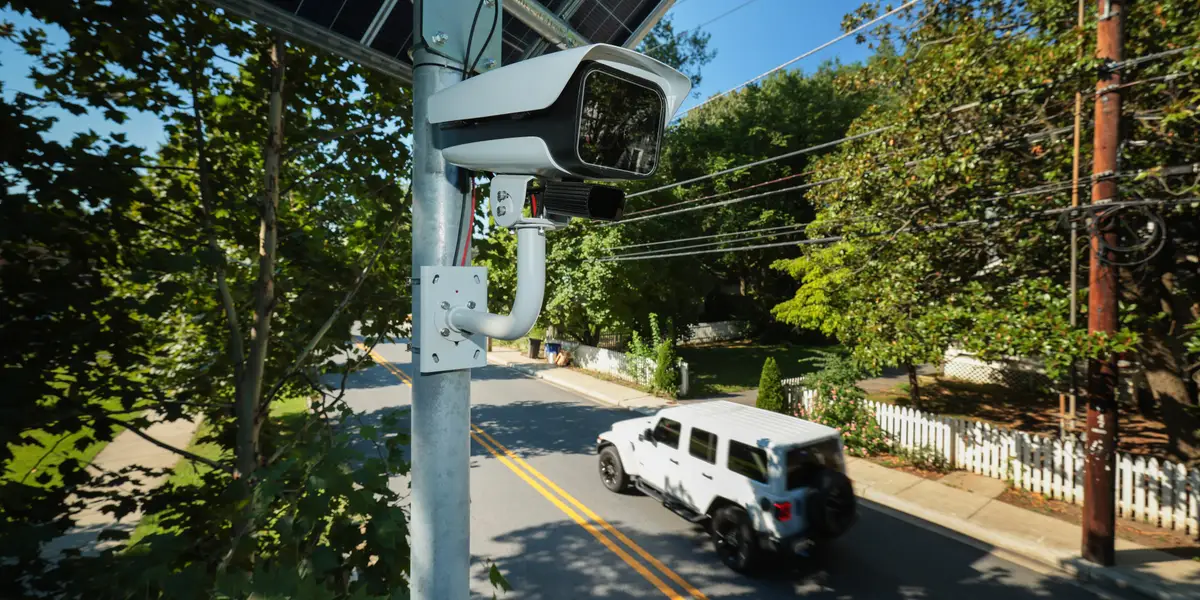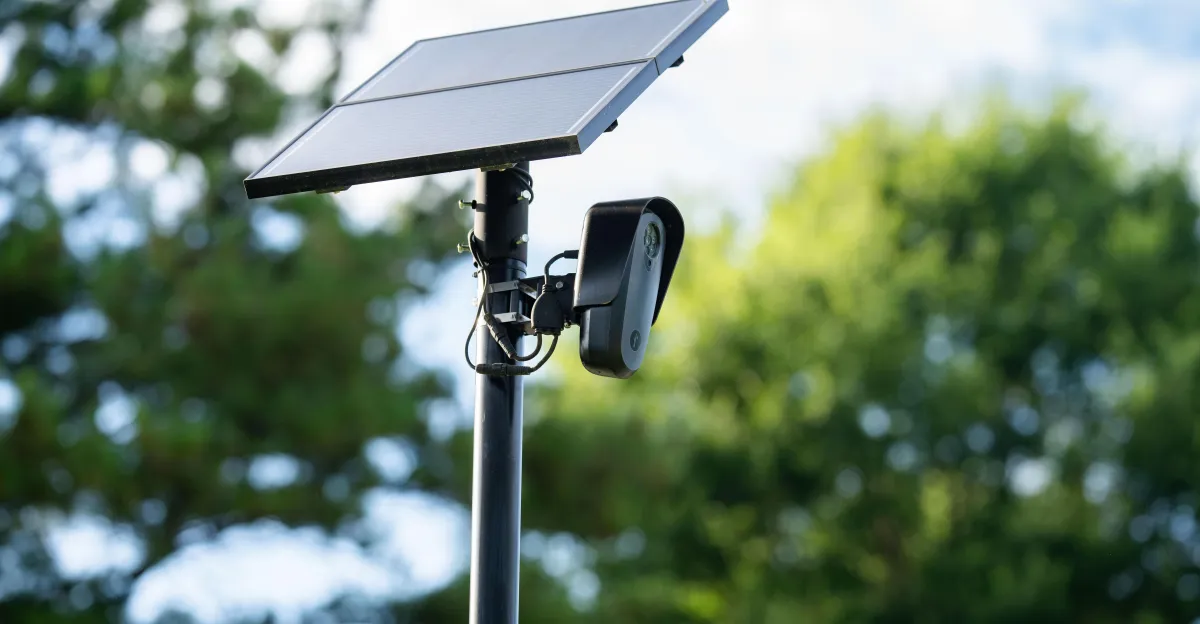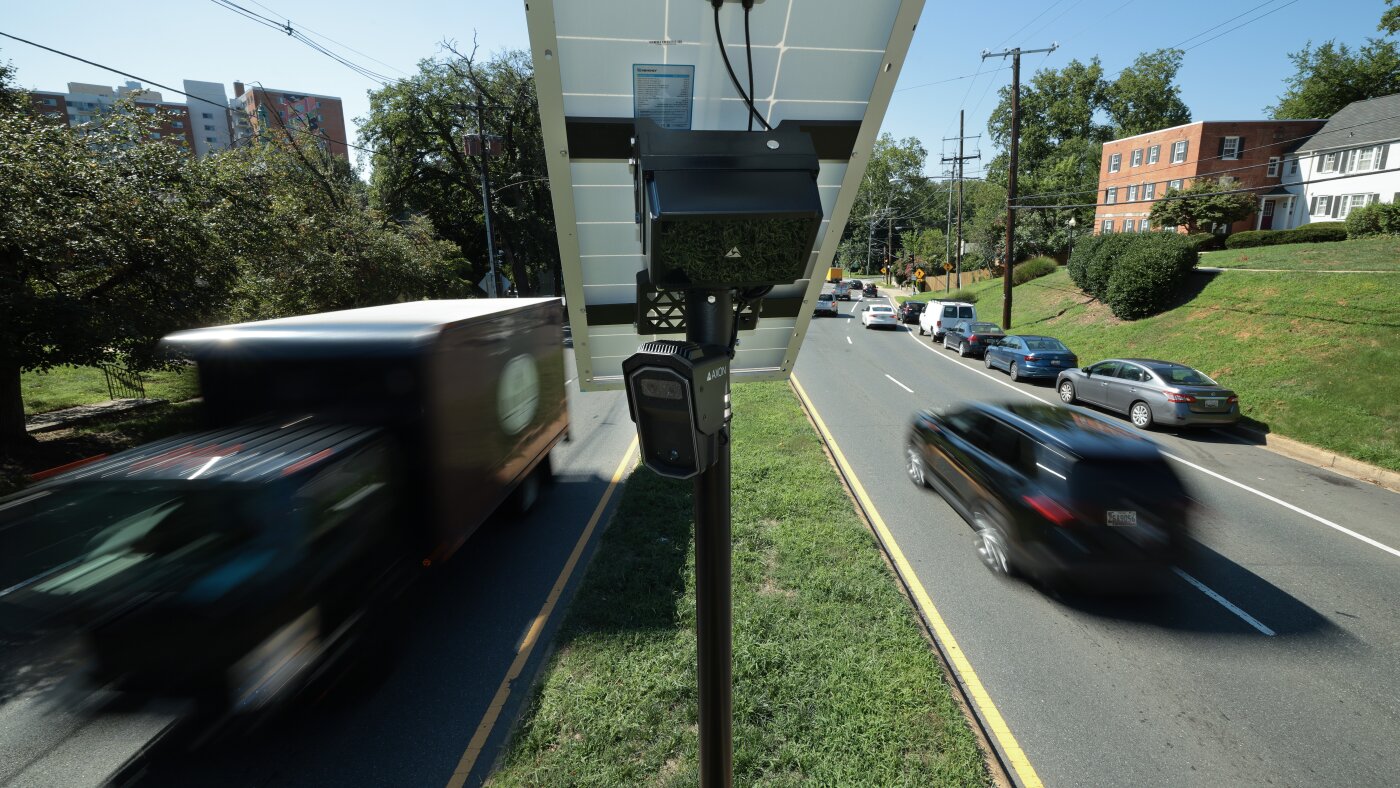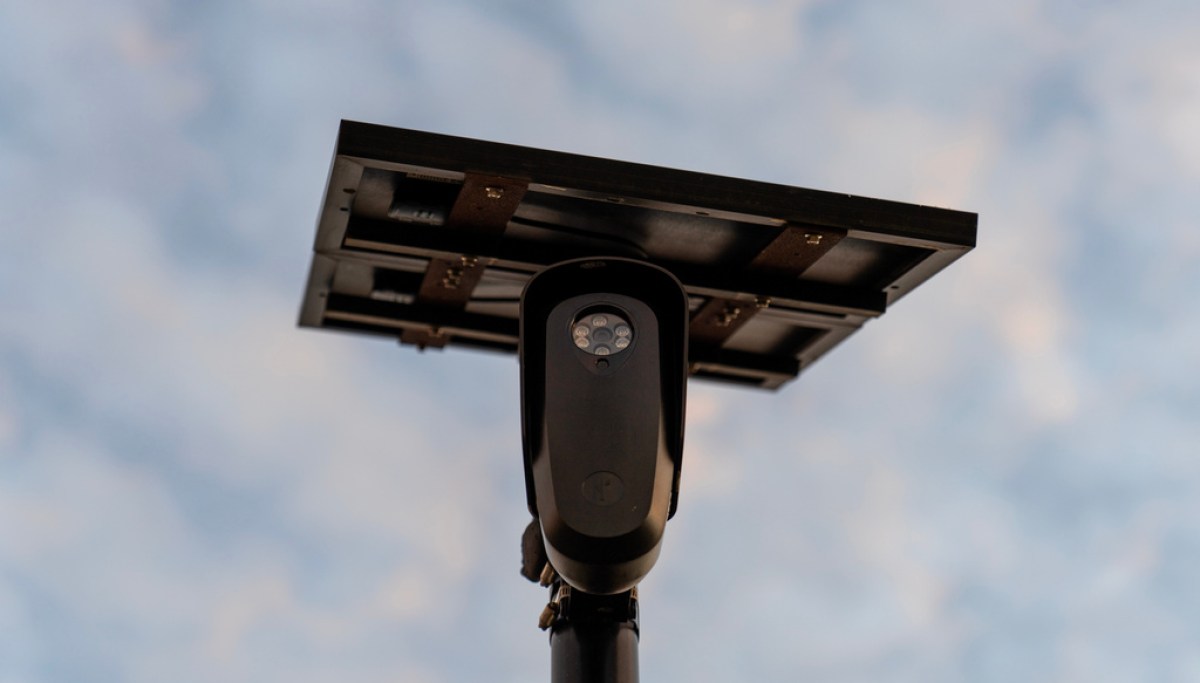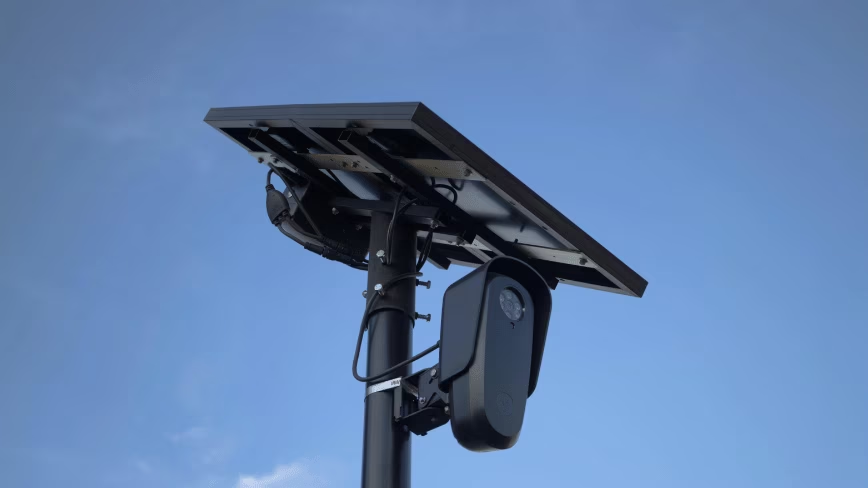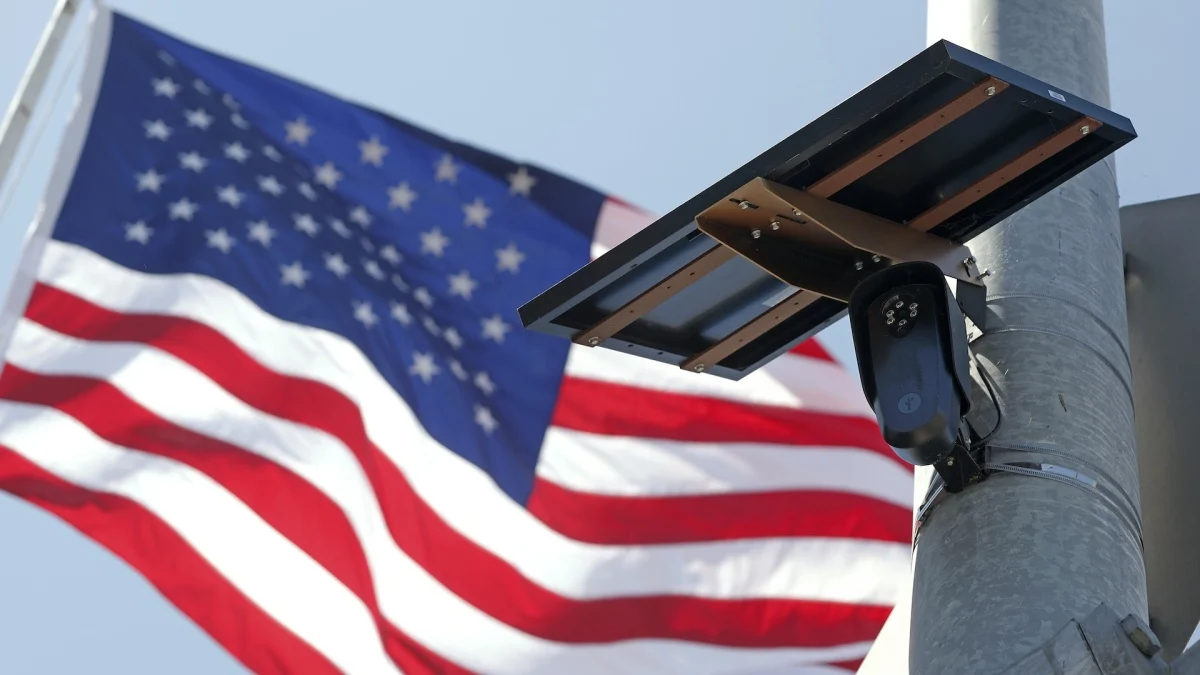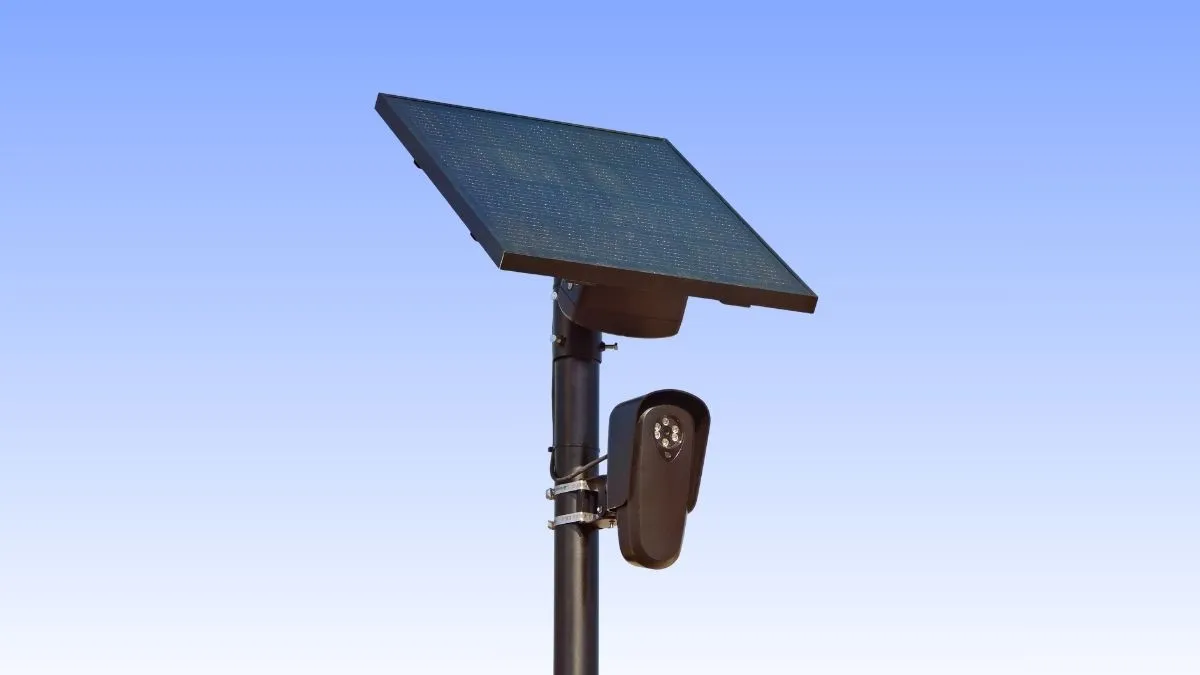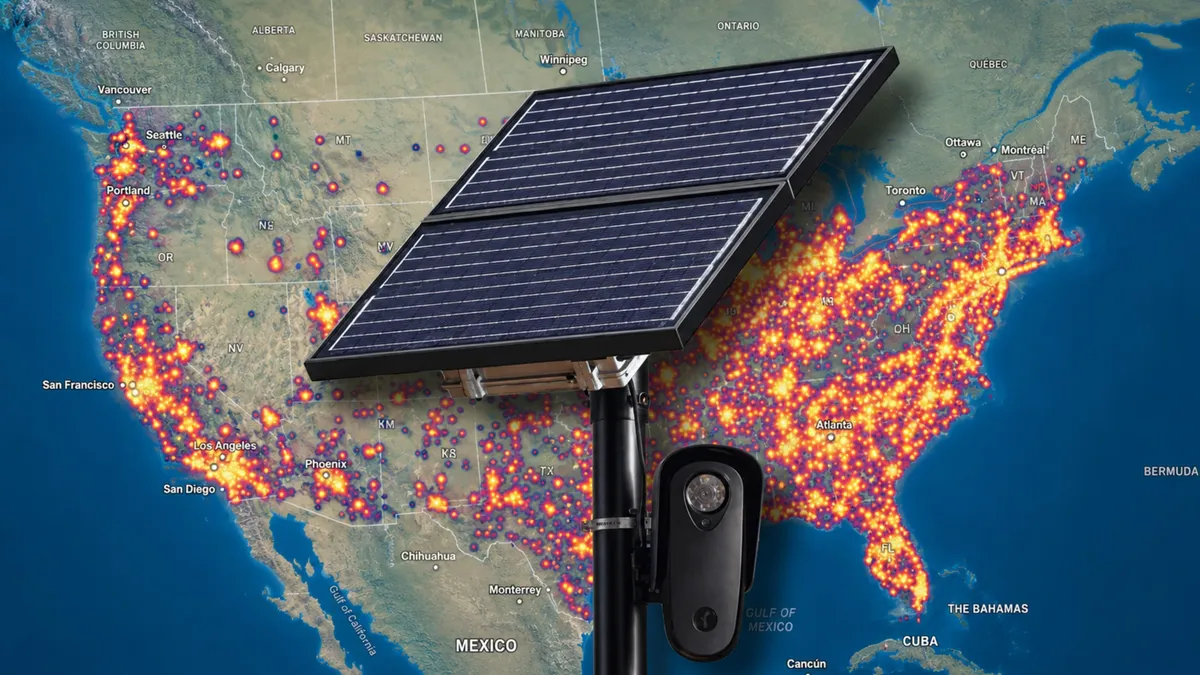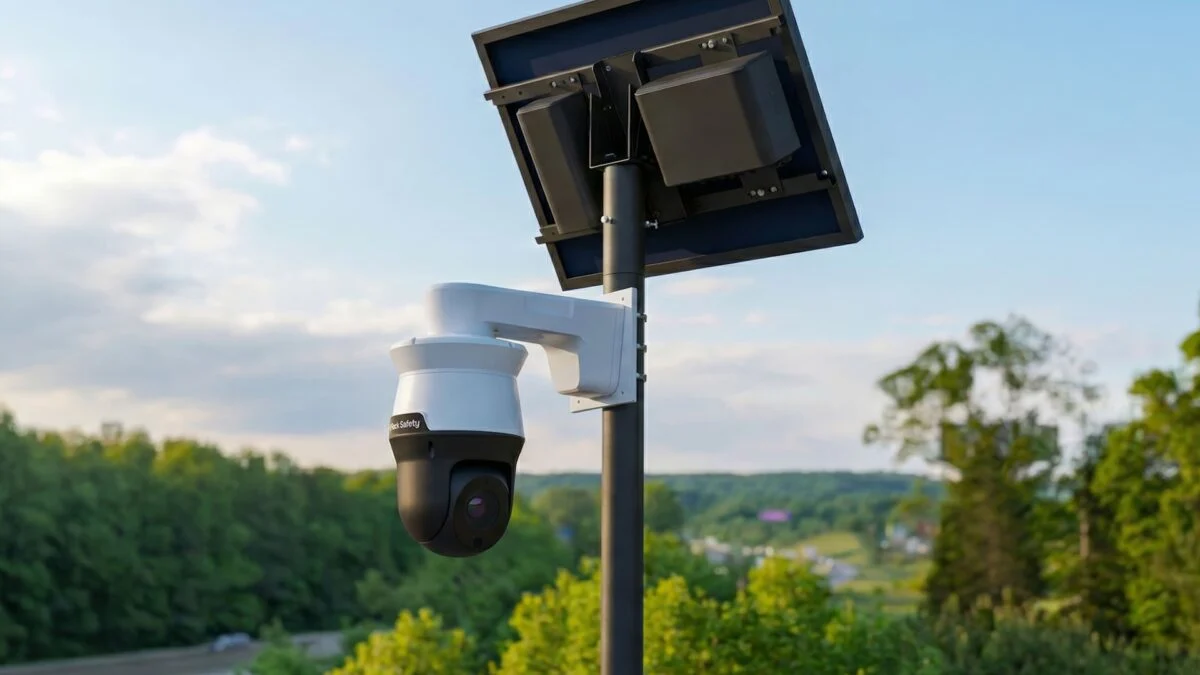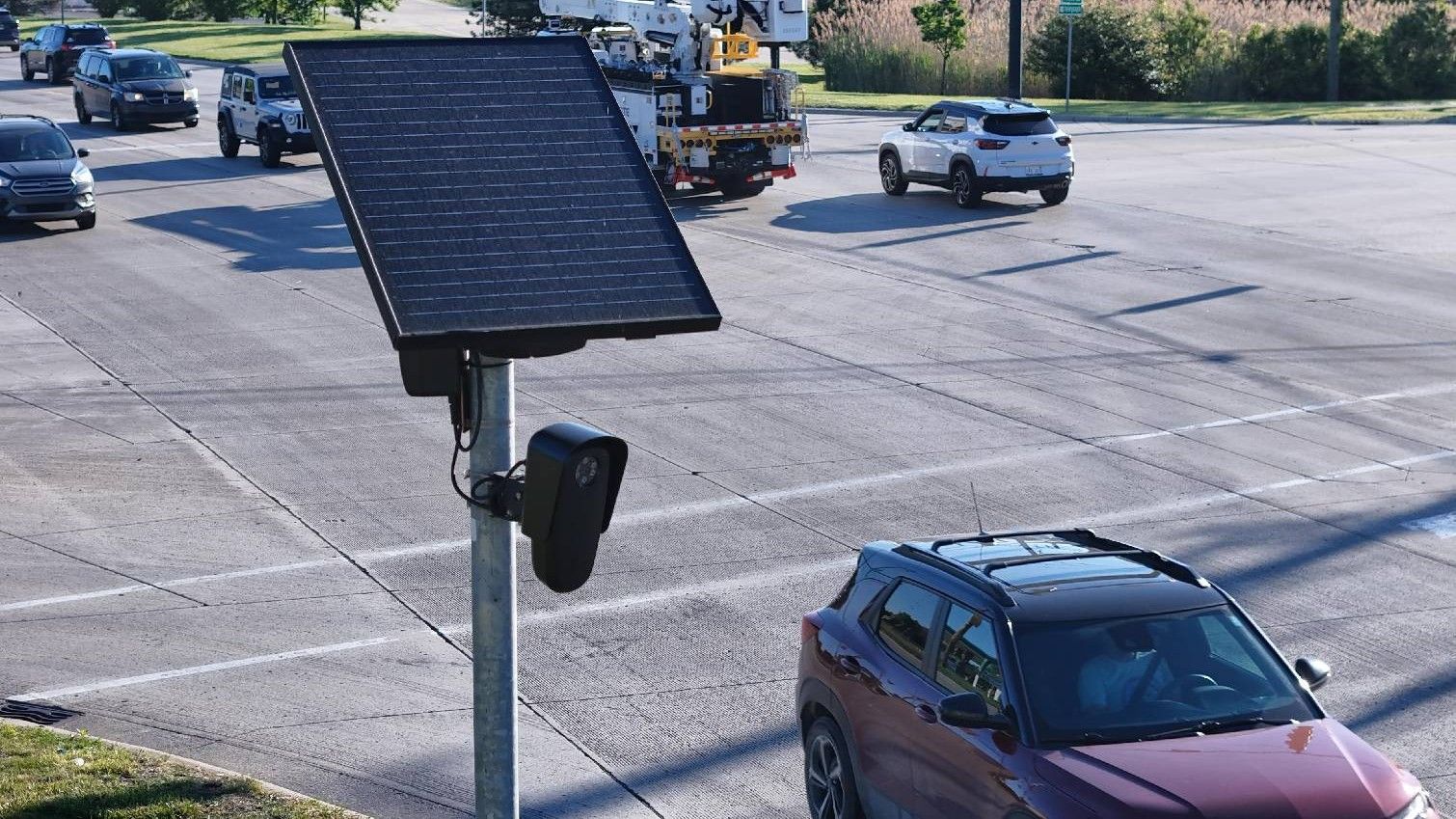
Automated license plate readers (ALPR) manufactured by Flock Safety operate across tens of thousands of locations in nearly every U.S. state.Mounted near intersections, neighborhood entrances, and main highways, these motion-activated systems capture high-resolution snapshots of passing traffic. The software logs license plate numbers, vehicle colors, make, and distinctive visual markers like roof racks or damage.While law enforcement agencies cite the technology for helping solve active cases, privacy advocates raise concerns over continuous passive surveillance of everyday drivers.Checking whether your daily commute passes through an active camera zone requires using public transparency tools, crowdsourced databases, and visual hardware checks. Here's where to start.Curious if you are on the police's radar?The independent transparency project Have I Been Flocked offers a rare, though limited, public window into automated surveillance by compiling official audit logs obtained through public records requests.Where data is available, putting your license plate number into the site lets you check if participating law enforcement agencies have queried your specific vehicle.
(Image credit: Tom's Guide)Keep in mind that coverage is far from comprehensive. It cannot show a real-time feed, nor does it log every time your car passes a camera. Instead, it exposes the historical paper trail left behind only when an officer manually searches your plate within a jurisdiction that has released its audit logs.Get instant access to breaking news, the hottest reviews, great deals and helpful tips.The platform also overlays crowdsourced camera maps and regional policy trends, helping to highlight local data retention habits and how agencies share access across city lines.You don't have to wait for an audit logWhile lookup sites rely on public records, community-driven maps offer a clearer picture of physical hardware placements. Volunteer-driven projects like DeFlock map thousands of confirmed automated plate readers across interactive regional layouts.Inputting your home or work address displays verified device markers, often including field-of-view indicators that reveal which direction a camera faces.