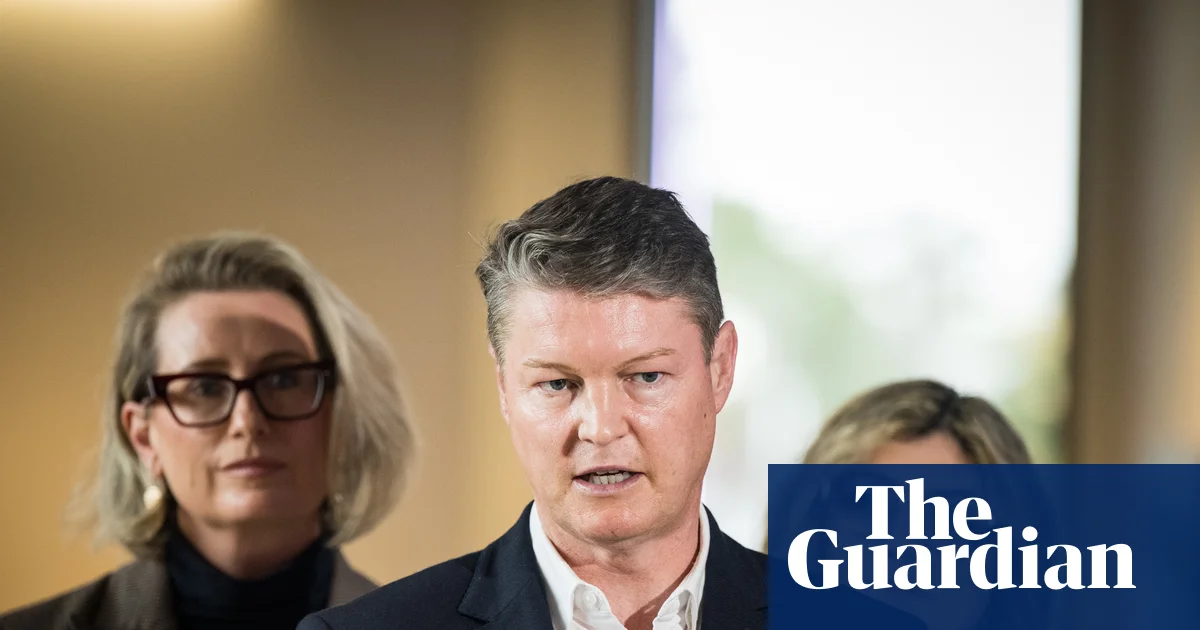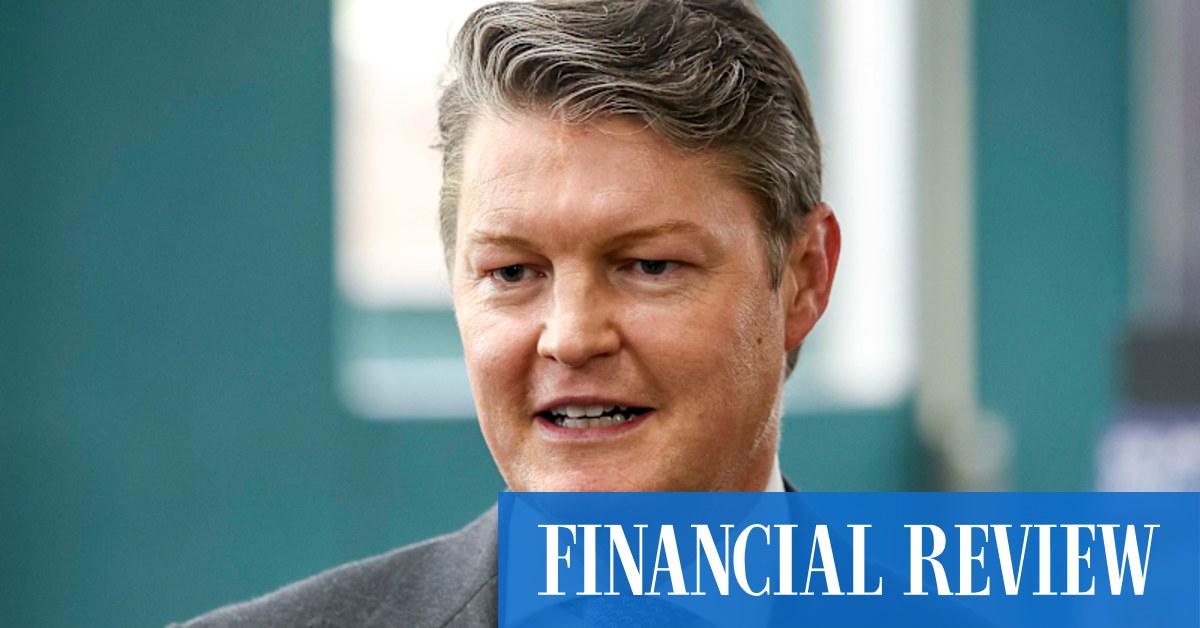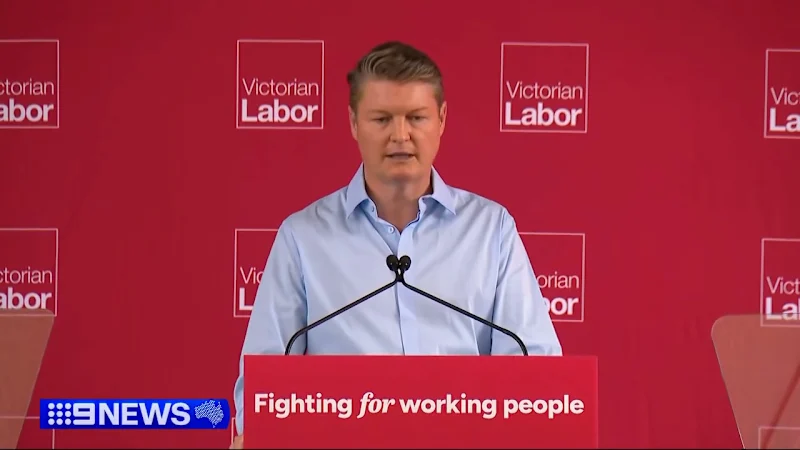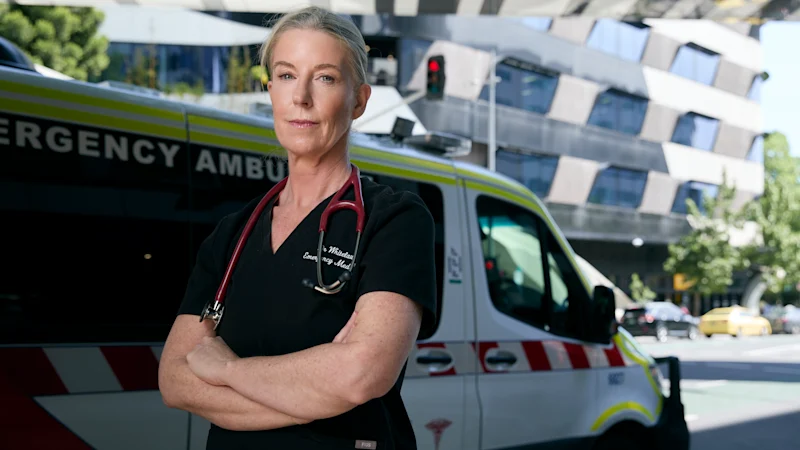
August 25, 2026 — 4:29pmVictoria’s dental industry has slammed an election promise by Premier Ben Carroll to establish 10 free public dental clinics, dubbing it a political ploy to buy votes and warning it could blow out years-long waiting lists for the state’s most vulnerable patients.The government announced on Saturday that it would create clinics with capacity to treat more than 100,000 people annually, at a cost of $230 million over three years under an Australian-first proposal, if Labor wins the November state election.Australian Dental Association Victorian branch president Dr Carolyn Ng has warned the proposal would increase waiting times for the more than 2 million low-income or vulnerable people who are eligible for public dental care.Wayne TaylorCarroll vowed anyone would be able to access dental care at the seven Melbourne and three regional walk-in clinics.But the Australian Dental Association’s Victorian branch president, Dr Carolyn Ng, has criticised the proposal, warning it will only increase waiting times for the more than 2 million low-income or vulnerable people who are currently eligible for public dental care and already facing delays of up to three years.“By opening up the funding, which is only $75 million per year, to everyone in the state, it means that ones who are already identified as being at most risk of dental disease are going to miss out,” the Melbourne dentist and specialist orthodontist said.“It will only worsen the waitlists for them. The most vulnerable people will miss out on having their teeth saved.”She also questioned how the government was going to staff the new clinics, saying publicly funded dental chairs were already operating at only about 50 per cent capacity around the state due to a workforce crisis plaguing the industry.“How is he [Carroll] going to staff these clinics?” Ng said.“Will he to be taking them from the public sector, where we already have huge shortages?”Associate Professor Matt Hopcraft, a dental expert from the University of Melbourne, was also critical of the plan.“The whole thing they are proposing just doesn’t make any sense to me,” Hopcraft said. “Fundamentally, it feels like an attempt to buy votes by tapping into a very real public desire for expanded dental funding.”He said thousands of Victorians were increasingly losing teeth or ending up in hospital due to long public dental waiting lists, and $75 million a year and the proposed new clinics would not fix that.“There’s absolutely a huge need for more emergency dental care, but at the state level, the problem that Victoria has is that they’re not staffing their existing clinics,” he said.Under Labor’s plan, patients would be able to get free check-ups and treatment such as fillings, root canals and extractions.Hopcraft said this proposal abandoned the established public health model of care, which focused on high-need patients, and instead opened access to everyone in a move that would make dental care harder to reach for those with the greatest need.The state government plans to spend $230 million over three years under its proposal. Quentin JonesIt is a concern shared by Ng, who fears the government’s proposed walk-in “urgent care” model of clinics would struggle to deliver complex emergency treatment such as root canals because these procedures often require multiple visits.“A single walk-in, walk-out clinic is likely to lead to more extractions, not better care,” she said.The current wait listing for public dental care is open only to eligible Victorians, such as those with a healthcare card. The government has vowed these existing services, which treat tens of thousands of Victorians a year, will continue under the proposal.Hopcraft said the promise of free dental clinics was uncannily similar to former premier Daniel Andrews’ 2018 pre-election commitment to introduce free dental vans, under a program known as Smile Squad, for all public school students.He estimated eight years on from the Smile Squad pledge that only about 10 per cent of children were getting dental exams through the free vans, and fewer were getting treatment.“That was another policy that also had absolutely no basis,” Hopcraft said. “One of my biggest concerns is they’ve [Labor] got a recent history of promising something really big that sounds amazing on paper, and then failing to deliver on it.”Ng said that while the free vans were meant to improve children’s dental health, all the data suggested tooth decay was on the rise among children in Victoria.The dental experts said the focus should be on expanding Medicare to cover more dental services at a national level, while the state government should prioritise urgently tackling staffing shortfalls.They warned that publicly funded dentists were paid 30 per cent less in Victoria than the national average, making retention of staff difficult.Ng also pointed out 66 towns in Victoria (making up about 13 per cent of the state’s population) still lack fluoridated tap water. She said expanding fluoridation to unfluoridated regional communities would directly prevent severe dental decay and hospitalisations.The Victorian Council of Social Service urged the government to target low-income people first to stop vulnerable families being forced to raid their retirement savings or put up with excruciating pain if the plan went ahead.The council’s chief executive, Juanita Pope, said more than 10,000 Victorians had already been forced to draw on superannuation savings to meet urgent dental needs.“We’d love to see universal free dental care, but until that is a reality we need to focus on Victorians who are struggling to put food on the table and pay the rent,” Pope said.The government as said urgent patients would be given priority at the clinics and details about the workforce and proposed locations would be released in the coming weeks.“I’m fighting for the tens of thousands of working people who can’t afford to see a dentist,” the premier said in a statement. “It’s structural cost-of-living support, and it’s a national first.”The government has been contacted for comment.Start the day with a summary of the day’s most important and interesting stories, analysis and insights. Sign up for our Morning Edition newsletter.From our partners
‘Who will staff them?’ Dentists slam Labor’s promise of free dental care
Victoria’s dental industry has attacked a plan to establish 10 free public dental clinics, warning it is a political ploy that could increase years-long waiting lists.
993 words~5 min read