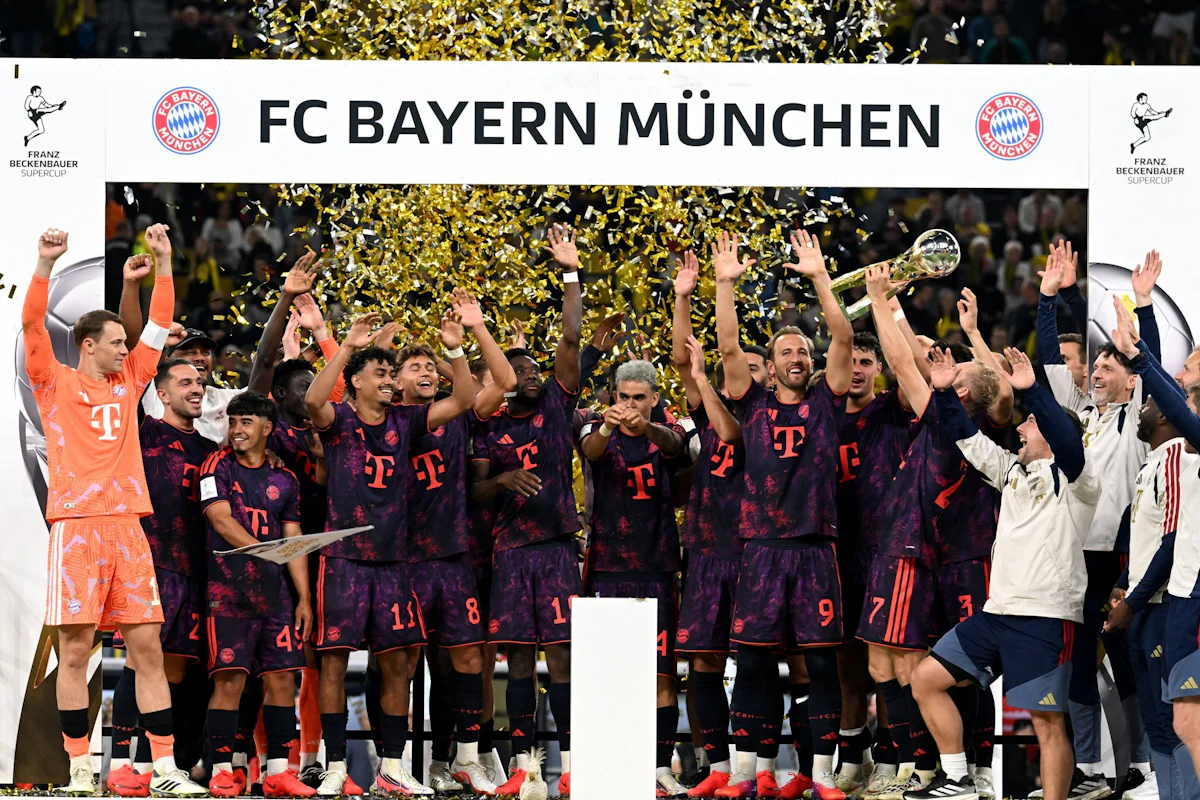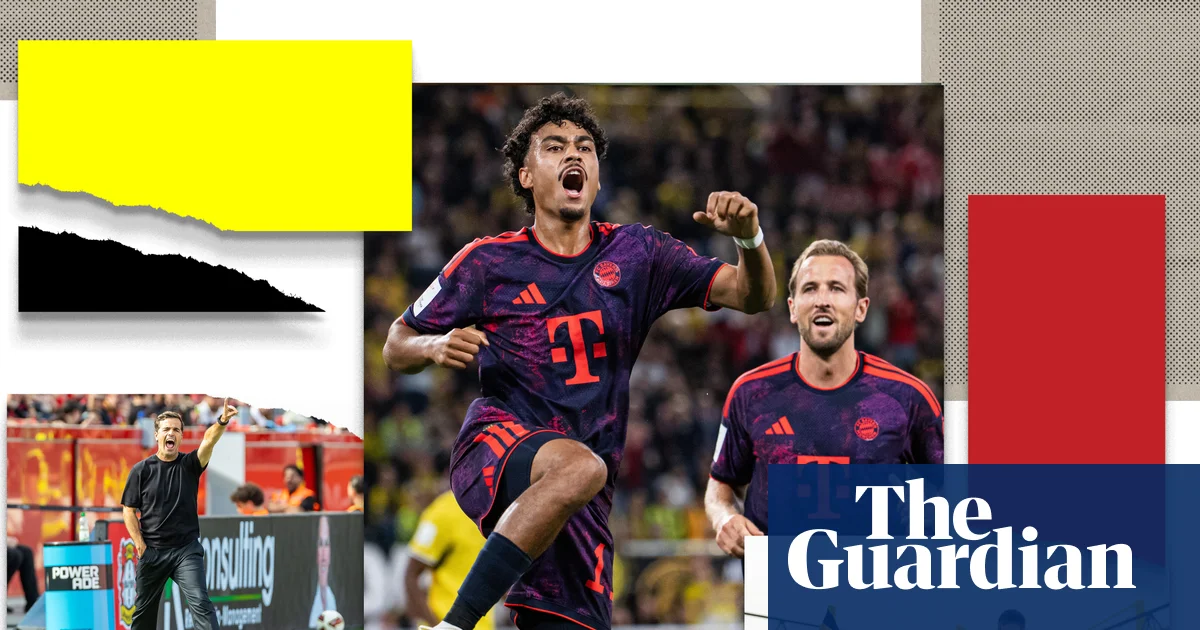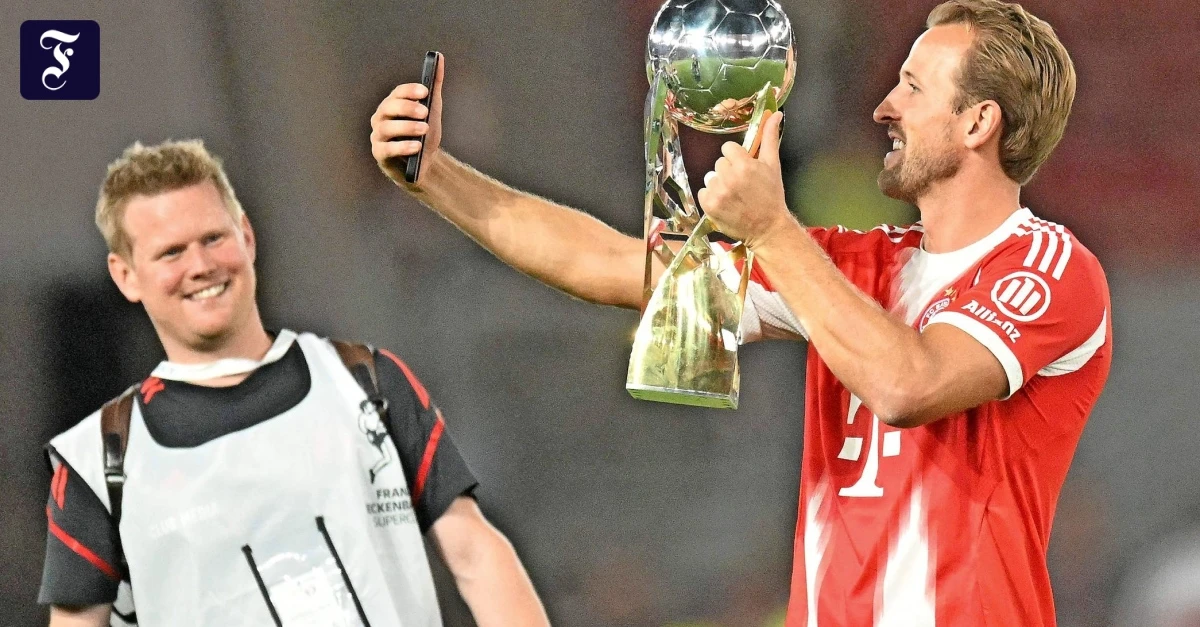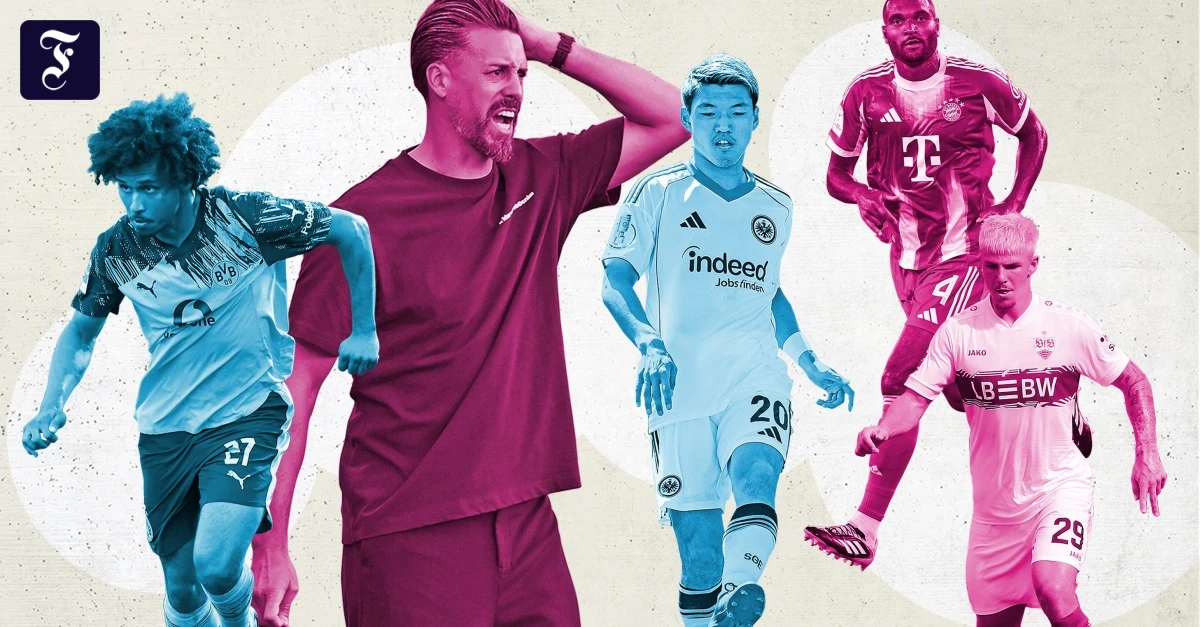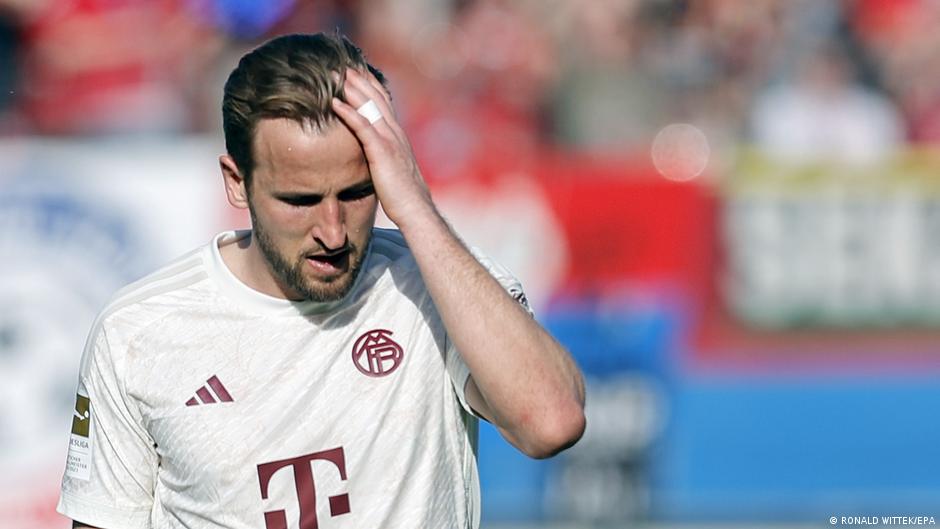
The 64th season of the Bundesliga is here. The tiny team from Elversberg will become the 59th club to play in the league, Ismael Saibari is Harry Kane's new back-up at Bayern Munich, Schalke return after three years away, and Kathleen Krüger is Head of Sport at Hamburg.
Coming off an XXL World Cup and a new broadcasting deal in the US, the Bundesliga is looking to step forward into a new era. But beyond the loyal support of club fans both domestic and abroad, has the international appeal of the league, particulary in the key US market, worn off?
"It would be hard to argue that the Bundesliga has not suffered some back-sliding in their standing. When Bayern and Dortmund met in the Champions League final [in 2013], I believed it was just the league announcing its superiority with intent to stay at the pinnacle of club football in Europe. I couldn't have imagined that might have been the brief apex," Randall, a US-based Cologne fan who has been watching the league for 16 years, told DW.
"Frankly, the Bundesliga has likely already seen its popularity at its peak. It is only downward from here."
Dominik Schreyer, a professor of sports economics at Germany's Otto Beisheim School of Management, doesn't believe that is the case though.