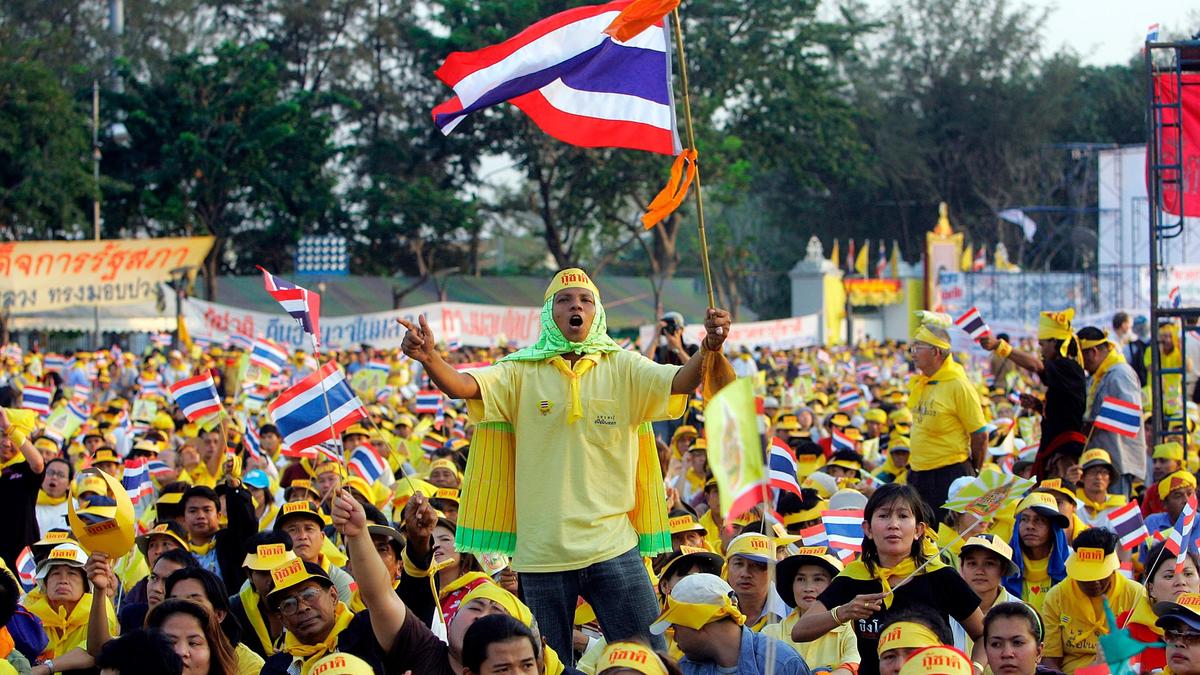
The story so far: Thailand’s Peaceful Society Promotion Act, an amnesty initiative passed by lawmakers in July, came into effect on Monday (August 24, 2026), as the government under Prime Minister Anutin Charnvirakul seeks reconciliation with a large share of the population still leaning towards populist former leader Thaksin Shinawatra, a key figure at the centre of the country’s political turmoil.The Act covers offences committed between 2005 and 2025, and would favour thousands who were prosecuted in the aftermath of the 2006 coup that led to the ouster and exile of Mr. Shinawatra.However, the Act also seeks to protect the elected government from provoking royalists and the country's coup-prone military by allowing citizens charged under the controversial Article 112, lese majeste, which criminalises insult to the monarchy.What are the provisions of the new Act?The Act seeks to grant amnesty to those convicted over protests or for “expressions motivated by political conflicts” from January 1, 2005, to July 16, 2025, except for offences involving corruption, lese majeste violations, murder or causing serious injuries, and those against private entities on a case-by-case basis.The Act has listed more than 40 categories of offences eligible for amnesty, including severe charges such as sedition, rebellion, cybercrimes and emergency violations.
What is Thailand’s new amnesty Act? | Explained
Thailand's new Amnesty Act promotes political reconciliation while excluding lese majeste violations, raising concerns about selective justice and dissent suppression.
843 words~4 min read