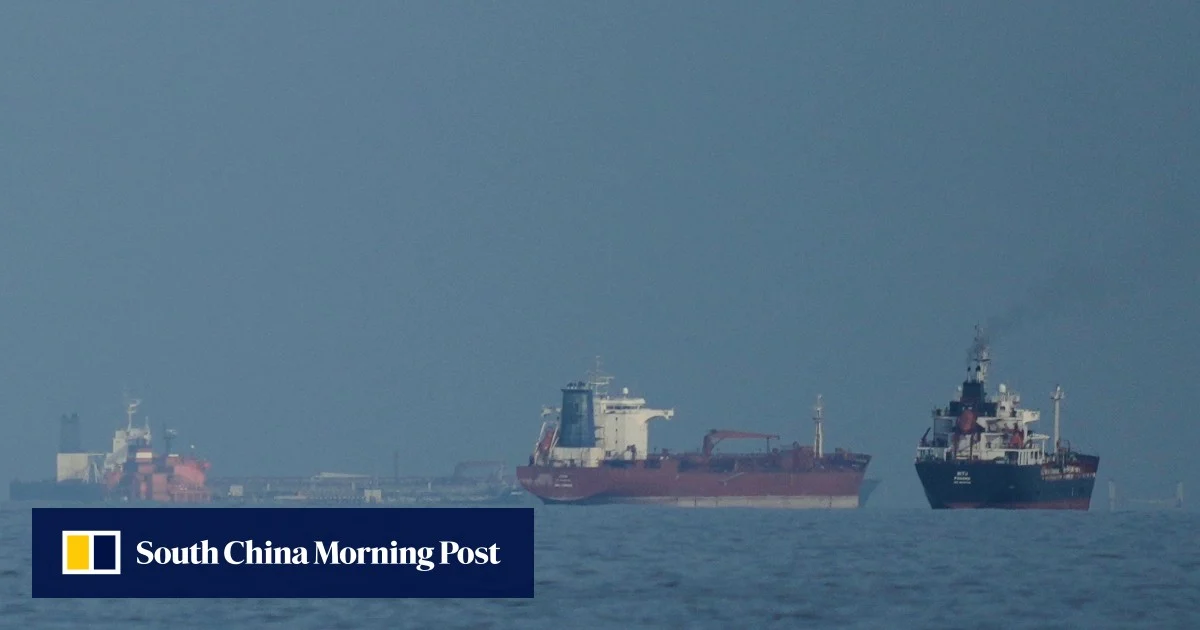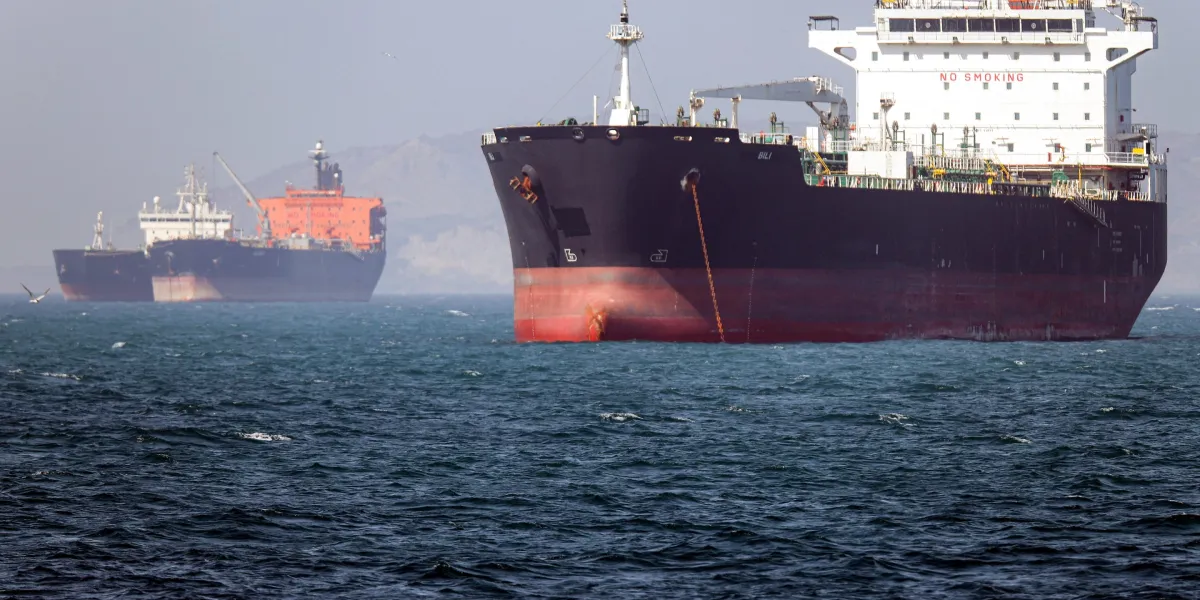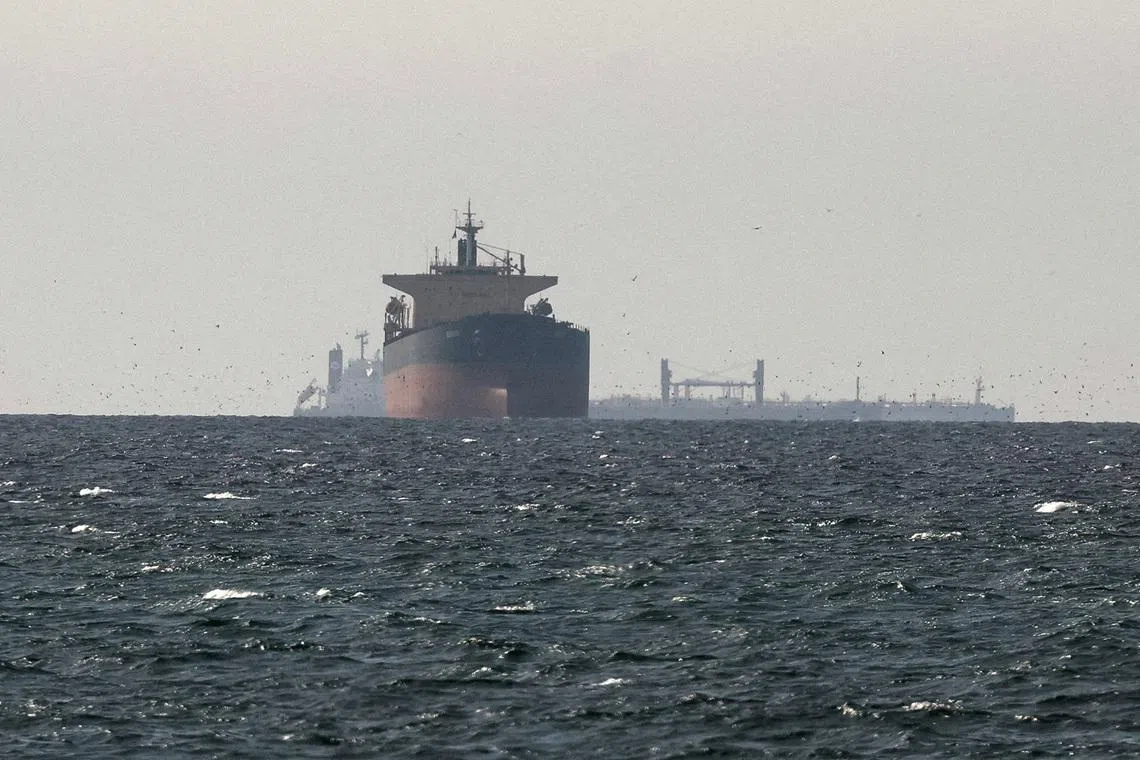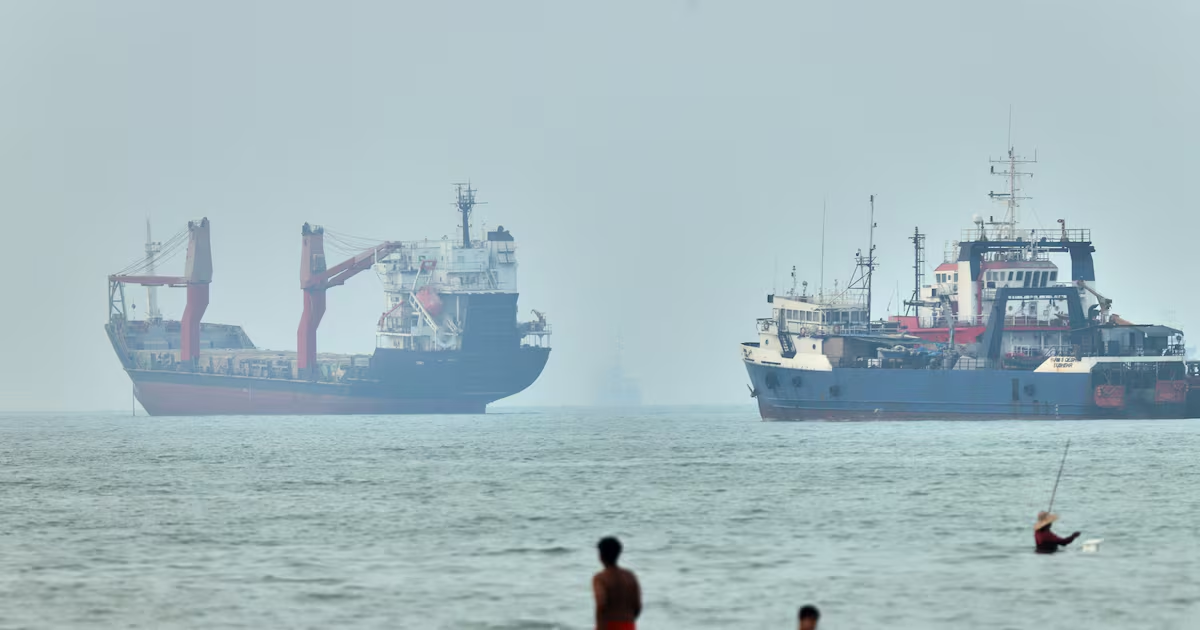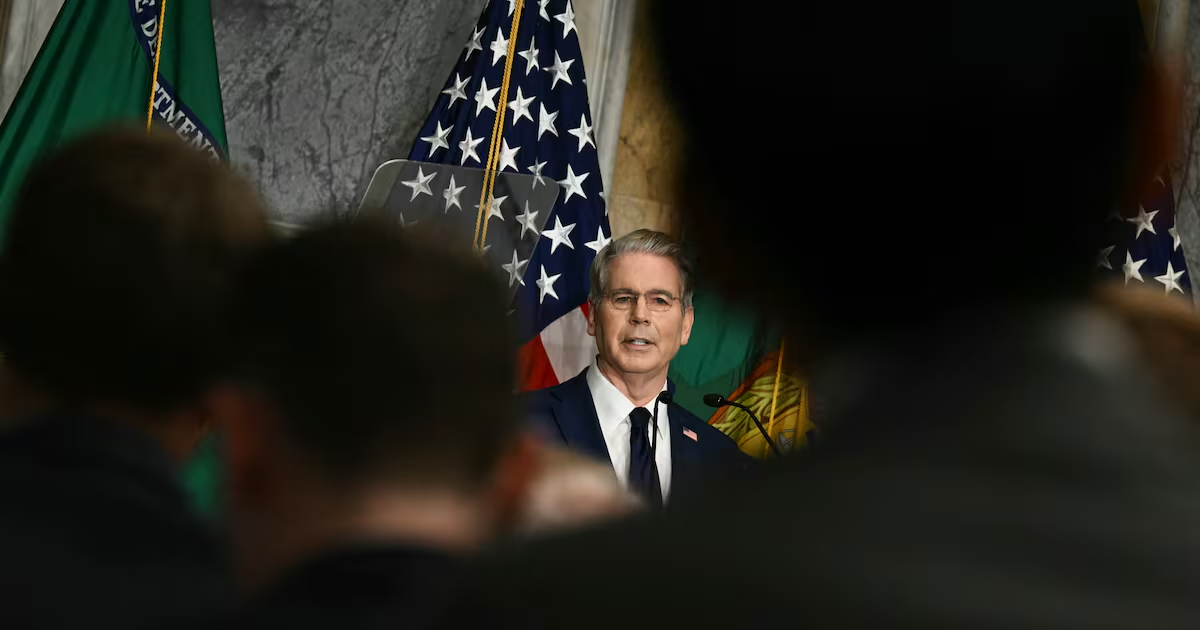
Oil held a decline as the US ramped up economic pressure on Iran and its trading partners in a bid to force the resumption of energy flows through the Strait of Hormuz.Brent traded near $92 a barrel, after falling more than 2 per cent in the previous session, while West Texas Intermediate was around $85. Countries will face a specific timeline to shut down links with Iran or face unilateral punishment, US treasury secretary Scott Bessent said on Monday as part of what he called an “economic D-Day” campaign.While the US added new restrictions on around 60 entities, including Tehran’s oil‑revenue generation networks and shadow fleet vessels moving its petroleum products, Bessent had hyped up the latest measures, even comparing them to the Normandy landings that helped end World War II. Oil prices fell soon after the announcement as the threat of more stringent secondary sanctions didn’t materialise.“There was a lot of buildup around the announcement but what we got was more a warning about where policy is heading than an immediate shock to physical supply,” said Haris Khurshid, chief investment officer at Chicago-based Karobaar Capital. “Until secondary sanctions start changing who can buy, ship or even finance Iranian crude, I don’t think traders have much reason to add another geopolitical premium.”Crude has rallied more than 50 per cent this year as the war — now in its sixth month — continues to disrupt the shipping of crude and refined fuels out of the Middle East. It’s unclear whether the US plan will loosen Tehran’s stranglehold on the critical Hormuz waterway, or risk blowback by putting America on a collision course with China, which buys the bulk of Iran’s oil.While sanctions have damaged Iran’s economy, the country is “fully prepared” for Washington’s new economic campaign, economy minister Seyed Ali Madanizadeh told state TV. The Islamic Republic is facing mounting fuel shortages and longer petrol station lines.As it is, threats to energy flows remain elevated, with the UK navy reporting that an oil tanker was struck and disabled by a projectile northeast of Ash Shishah, Oman, in Hormuz. Earlier, Iran-backed Houthi militants said they fired at a Saudi Arabian supertanker sailing through the Red Sea.The conflict has allowed traders and shipowners to make wide margins by buying crude at a discount to global benchmarks inside the Persian Gulf. TotalEnergies is buying oil at $50 to $60 a barrel inside the inland sea, with additional freight through the strait on a supertanker equating to about $10, chief executive Patrick Pouyanne said. - Bloomberg
Oil steadies as US plan offers little clarity on Hormuz deadlock
Countries will face a specific timeline to shut down links with Iran
421 words~2 min read