Get the latest news and updates from Dawn
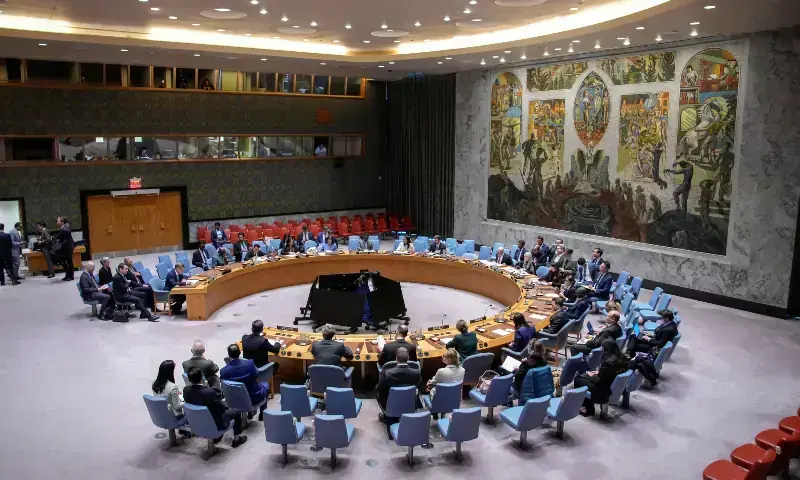
Every few years, the world revisits an old promise: reforming the UN Security Council so it reflects today’s realities rather than the victors of a war fought eight decades ago. Each round of talks ends the same way — more speeches, no structural change. The reason lies not in the details of who gets a seat, but in what that seat can do once occupied.
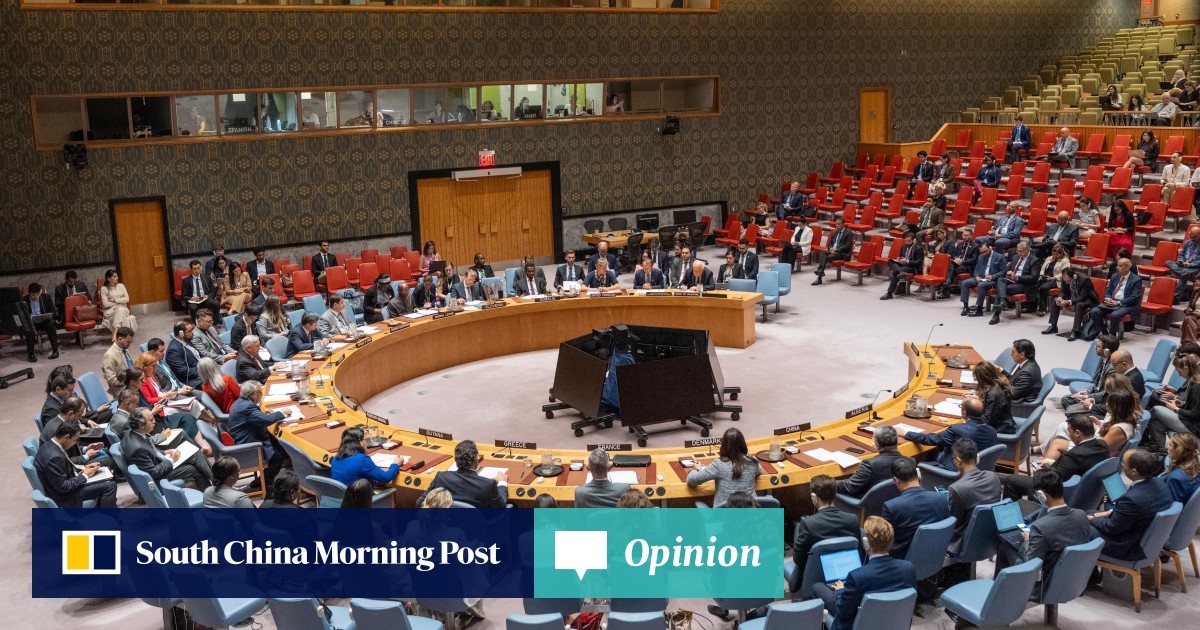
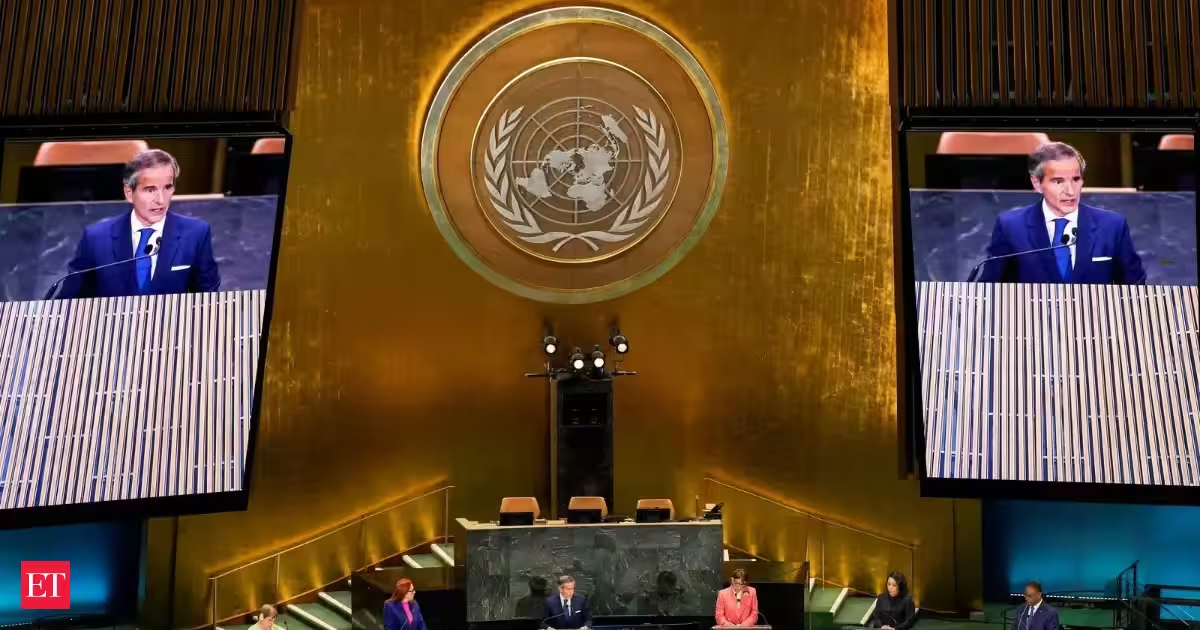
The UN General Assembly’s decision, in its 62nd session, to begin intergovernmental negotiations (IGN) on equitable representation in the Security Council set this process in motion. It gained real traction in 2008, when the IGN was formally established to carry forward UNSC expansion and reform — an effort born of the decision-making paralysis inherent in the UN’s own institutional design. To understand the limits of that design, it helps to look back at the world that produced it.
The UN system, established after 1945, reflected the realities of a Hobbesian world, where the victors’ justice was codified in the shape of a UN Charter that gave the five major victors of World War II the power to keep their interests protected and fence in their rivalries with a veto.
The League of Nations’ failure to prevent that war offers a preview of the institutional rigidity now visible in the UN itself. The League’s absence of key powers such as Germany, Russia, and the United States, combined with its consensus-based decision-making and lack of enforcement mechanisms, left it unable to act on the Soviet Union’s attack on Manchuria, Italy’s invasion of Abyssinia, or Germany’s abrogation of the Versailles Treaty.