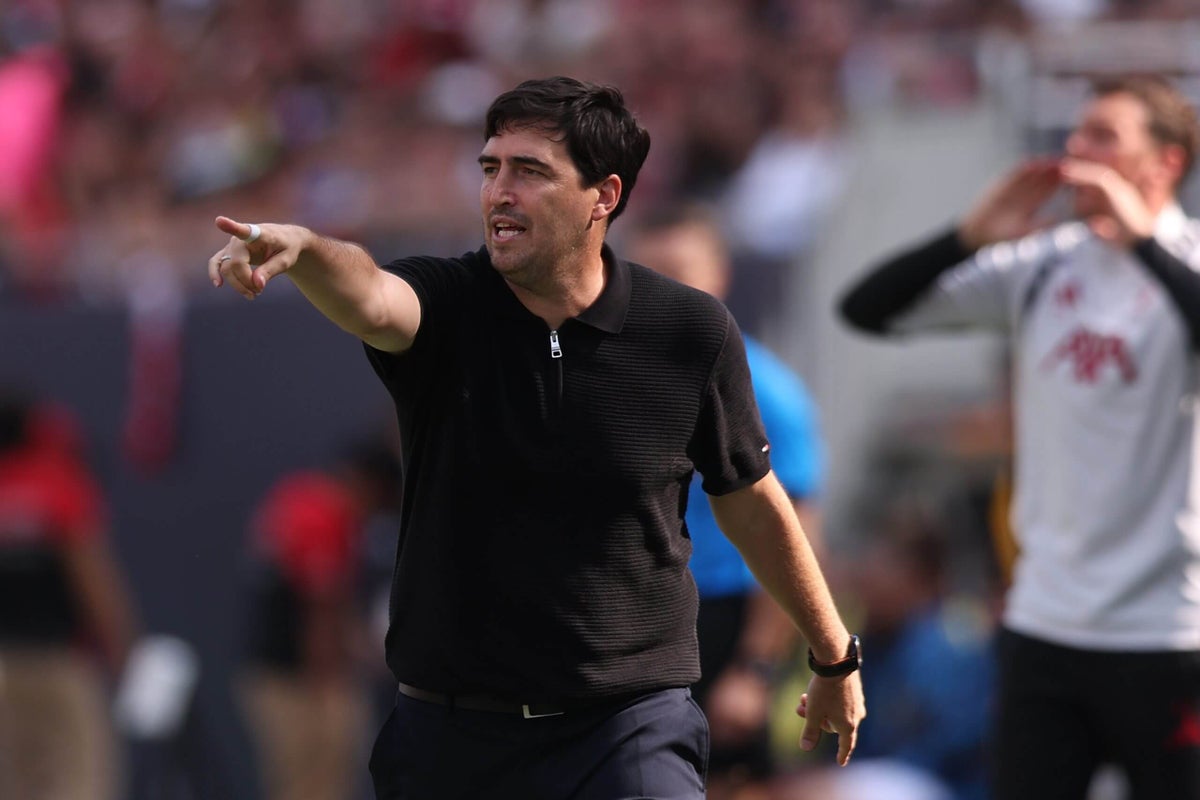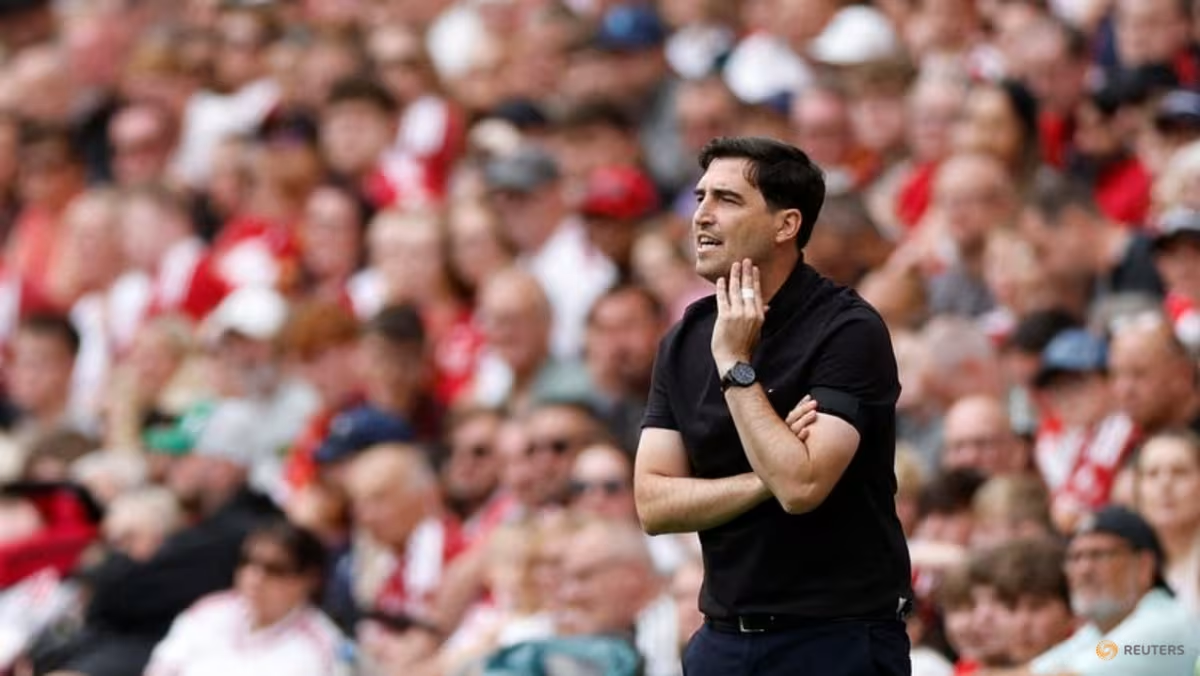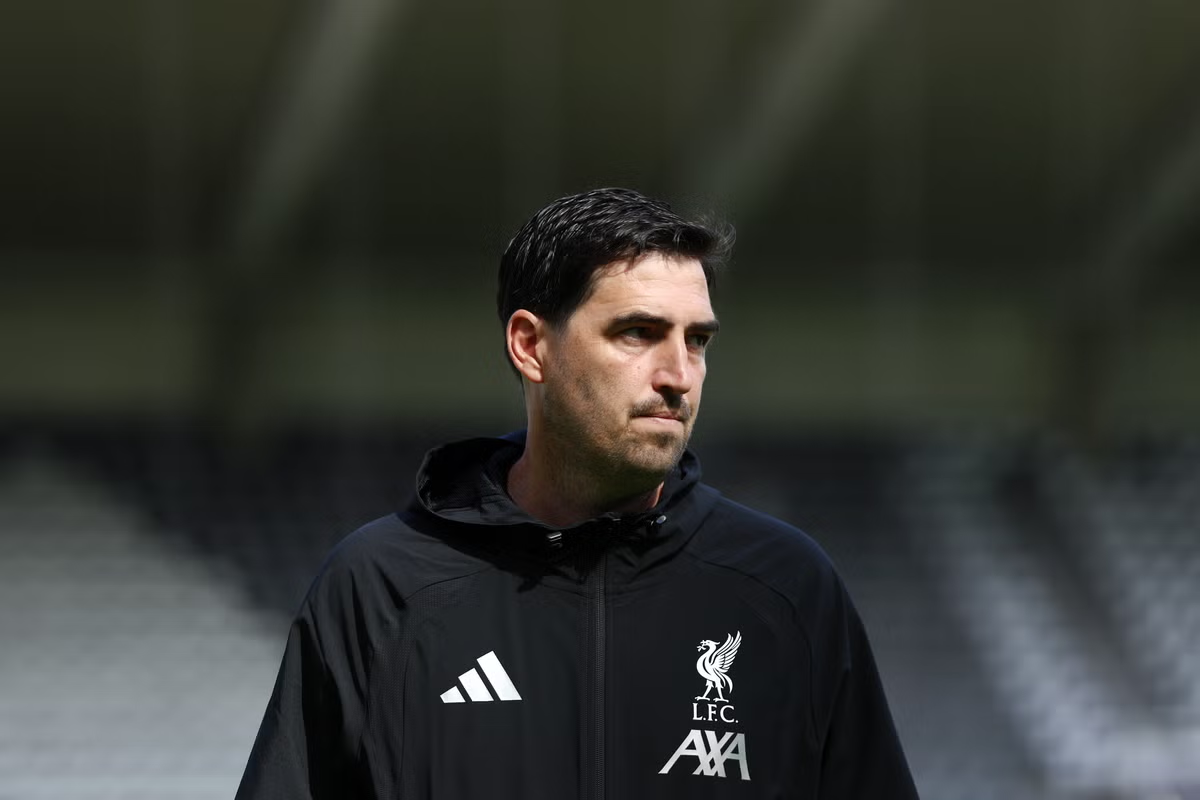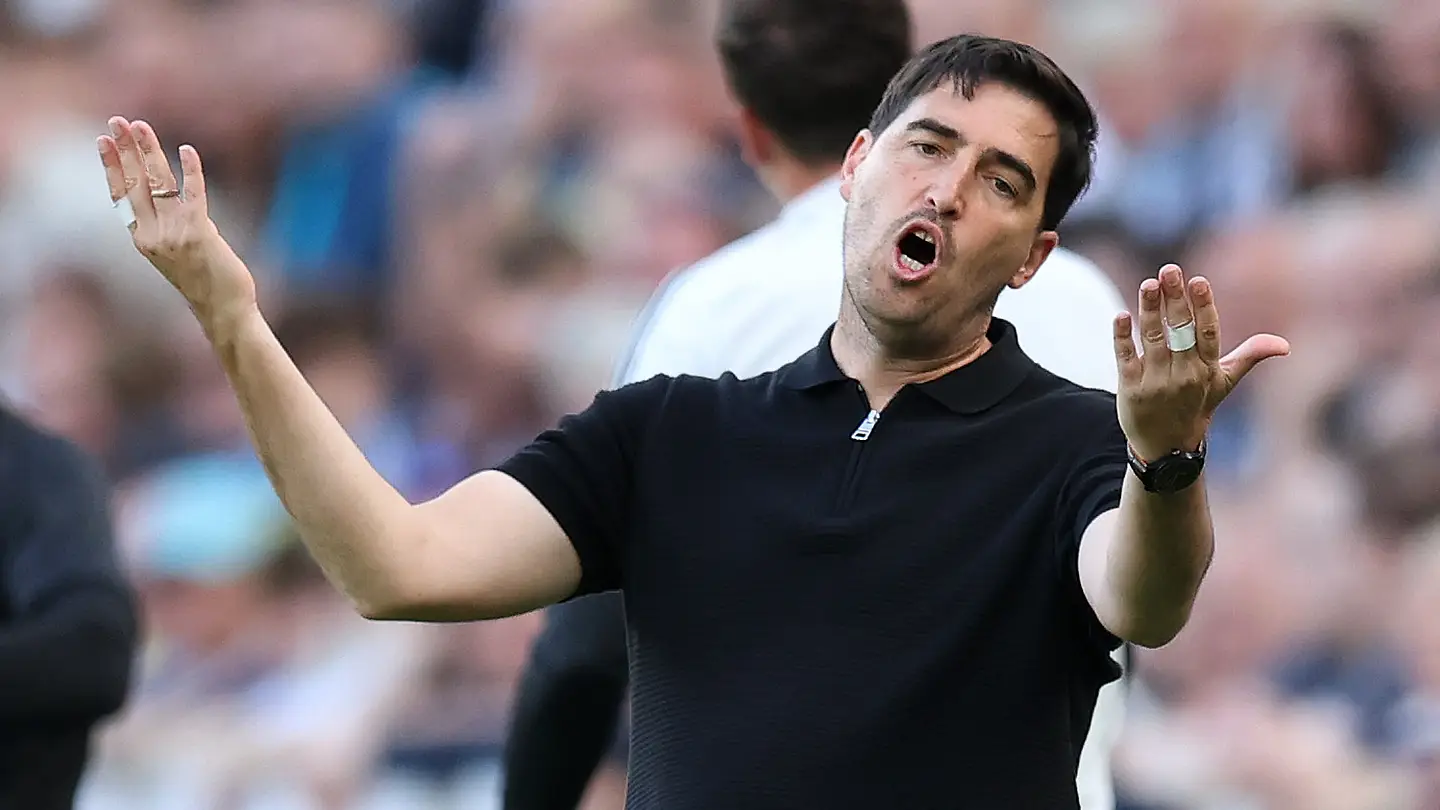
Ever since Andoni Iraola made the step into elite football with Liverpool this summer, we’ve been talking about ‘scalability’. Yes, Iraola had enjoyed success with mid-table sides both in La Liga and the Premier League. But could you really expect a style of play that relies on intensity, physicality and collective endeavour — particularly when a team don’t have the ball — to have the same kind of impact at a club which expects to be challenging for a league title in the near future?With Liverpool heading into a tough opening game in the new Premier League season, these debates started to reach a crescendo, and as I settled into my seat before the game, my head was swirling with the potential hurdles that could unseat Iraola at the first available opportunity.Of all the nightmare scenarios running, none of them involved the concept of ‘rest defence’. But by the end of the game — a somewhat fortuitous 2- 2 draw for Liverpool — plenty of people were talking about this fairly esoteric idea and how it had contributed to both of Newcastle’s goals. So let’s begin this season’s noticing with a quick refresher on what rest defence is as we attempt to understand what Liverpool’s draw with Newcastle could mean for their season.Iraola’s Liverpool will have more of the ball than his Bournemouth side… but still have to deal with turnovers (Molly Darlington/Getty Images)If you break football down into its constituent parts, it can be reduced to two basic phases of play: in possession and out of possession. Usually, when a team are in possession of the ball, they will be looking to move the ball towards the opponent’s goal in a bid to score. You could call this “the attacking phase”.When a team are out of possession, they will generally be looking to stop the opponent from moving the ball closer to their own goal so as to make it harder for them to score. You could call this “the defensive phase”. There are, of course, outlier situations in both phases but between these two phases of play you have the most basic moments in football.Now it’s tempting to think of these two phases of play as being completely separate from one another, but they’re actually opposite sides of the same coin. If a team is not in possession, then, by definition, they are out of possession. If they lose the ball when they are attacking, then they are now defending.It is this process — of teams shifting between in-possession and out-of-possession phases of play — that offers the context to understand rest defence. Because for any team that is in an attacking phase, there is always the possibility that they lose the ball and enter a defensive phase.This is the question that the concept of rest defence seeks to answer: How well prepared are you in the attacking phase to deal with that shift to defending?If you’re wondering where the phrase rest defence actually comes from, it’s a translation of the German phrase, restverteidigung. This is a portmanteau word that is built from two separate words: the word ‘verteidigung’ means ‘defence’ and the word ‘rest’ translates directly into English.There is a potential etymological problem here, though. When a native English speaker hears the word ‘rest’, they will most likely associate it with the verbal form of the word and think ‘relaxing’ or ‘putting less effort in’. In German, though, its usage is nounal. It refers to the idea of what is left over: the remainder.To put it in practical terms: in the attacking phase, a team will commit a number of players forward to try to score a goal. The ‘rest’ of ‘rest defence’ refers to the players that are left over — the non-attacking players in the attacking phase.‘Rest defence’ refers to the defensive attitude of these non-attacking players and asks, “How are these players set up in order to best deal with a turnover of the ball?” This is rest defence in its simplest form.With all this in mind, it’s easy to see why everyone was talking about rest defence after Liverpool’s game with Newcastle. Both of the goals they conceded began with Liverpool in dangerous attacking positions, and there were clear issues at play with how they defended the counter-attacking moments that ensued.
Did You Notice: Liverpool have a ‘rest defence’ problem
Why Andoni Iraola is right to point out that solutions to Liverpool's defensive issues can be found internally within the squad
2,036 words~9 min read