Asia’s financial defences were designed for a world in which US dollarstress was transmitted mainly through banks and exchange rates. Since the 1997–98 Asian financial crisis, central banks have accumulated larger foreign exchange reserves, exchange rates have become more flexible and regional financial safety nets have expanded. Stablecoins create a different kind of exposure.
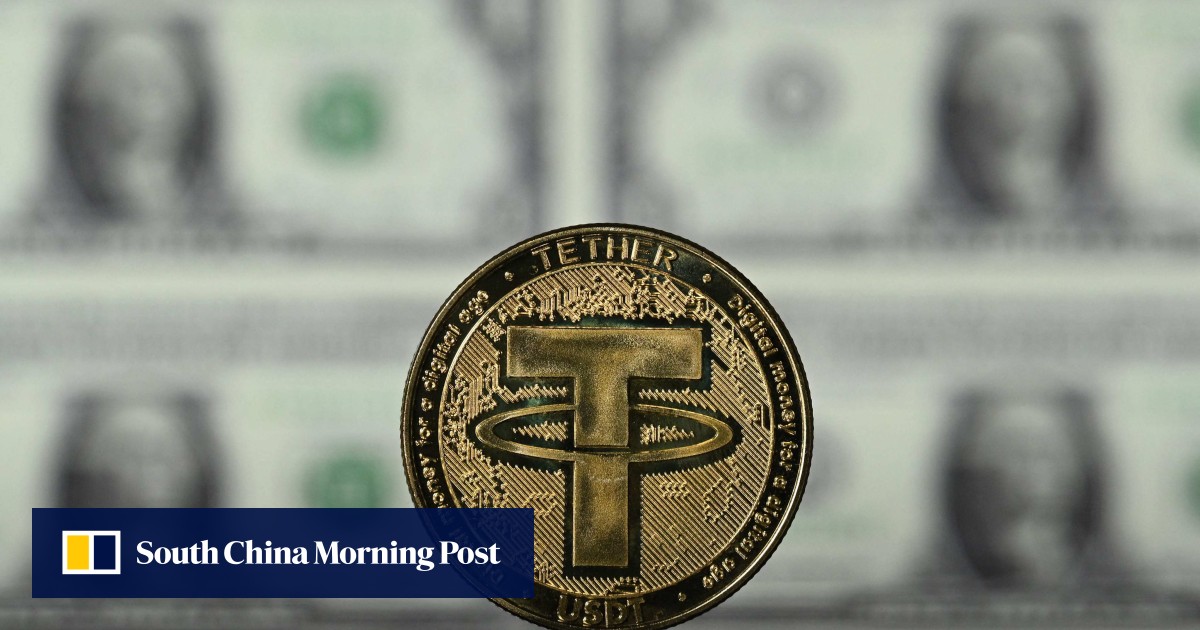
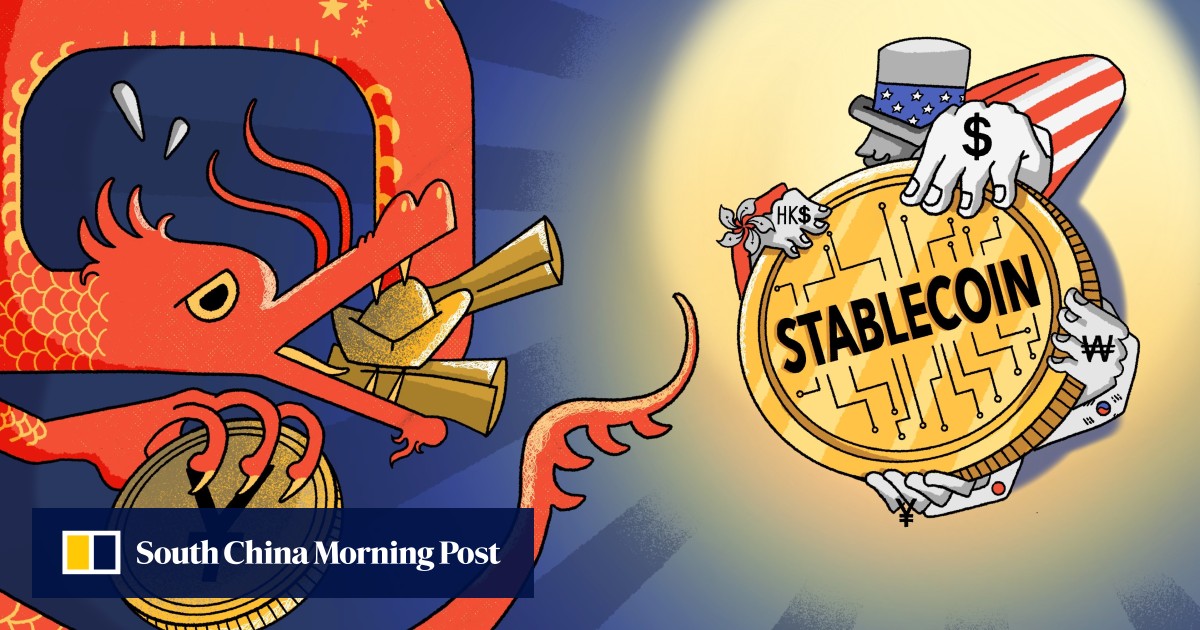
The largest and most widely used stablecoins are linked to the US dollar, allowing private dollar claims to circulate through payment networks in ways that conventional measures of external vulnerability may not fully capture.
Stablecoins are promoted as a way to make cross-border payments faster, cheaper and more inclusive. In Asian economies with limited banking access, high remittance costs or scarce dollar liquidity, dollar-linked stablecoins can offer an alternative payment channel. These instruments can deepen dollar dependence by making it easier for households and firms to save and make payments outside conventional domestic banking channels. Their credibility still rests on reliable redemption into dollars and, ultimately, on access to dollar liquidity.
For Asia, the question is whether wider use of dollar-linked stablecoins shifts part of existing dollar dependence into private payment networks that domestic authorities influence less directly. On public blockchains, transaction records are accessible to anyone, which can aid tracing. But determining who controls a digital wallet and whether the activity is occurring domestically remains difficult. Stablecoins could make dollars more readily available while limiting authorities’ ability to identify where such demand is building.