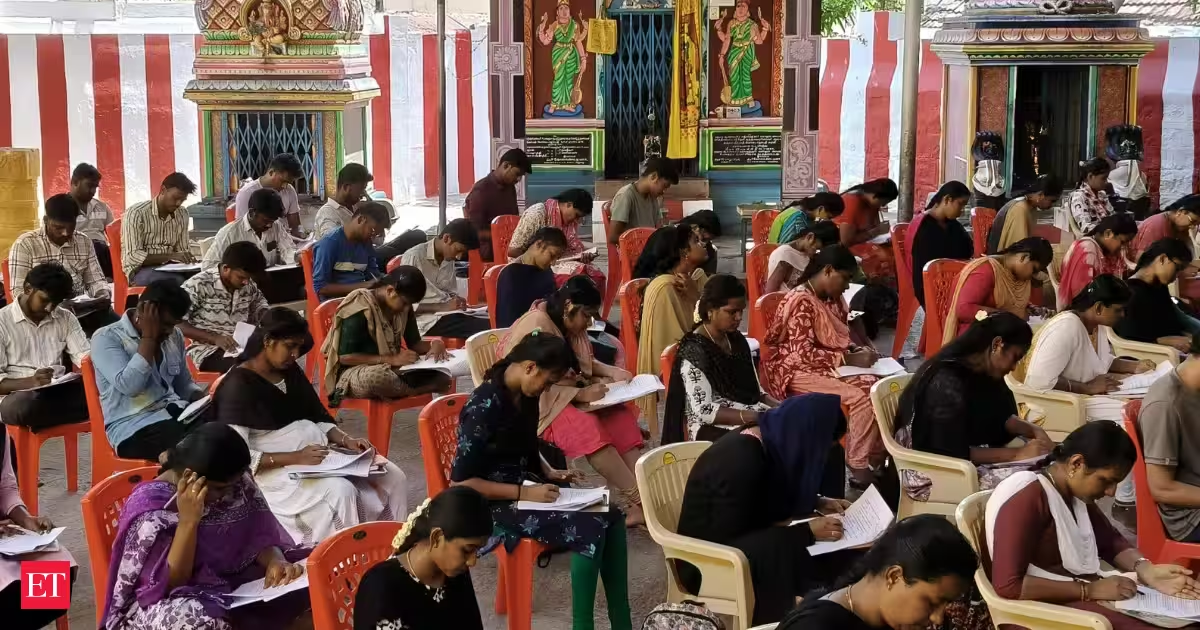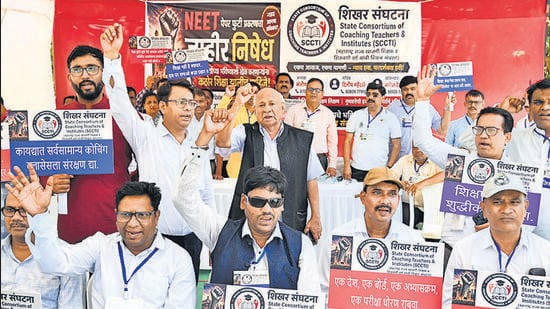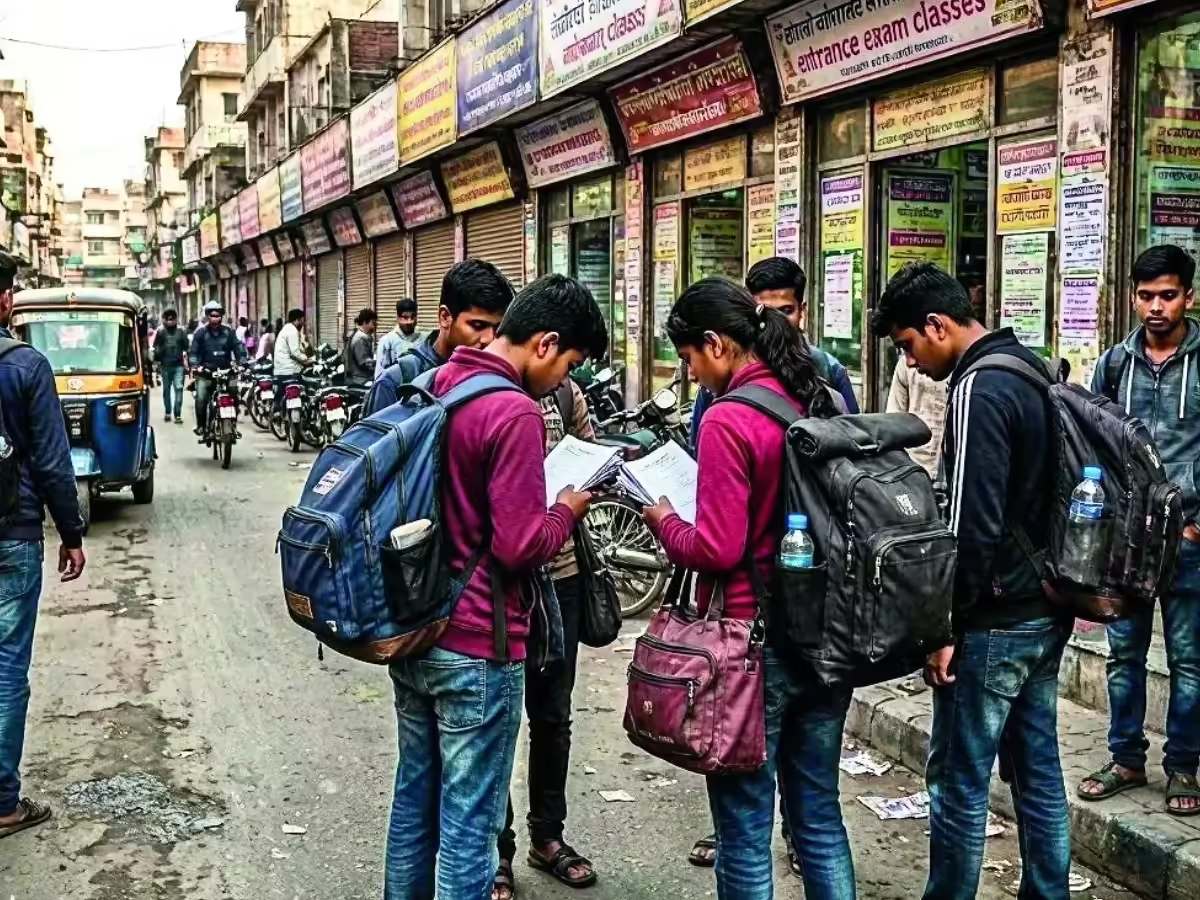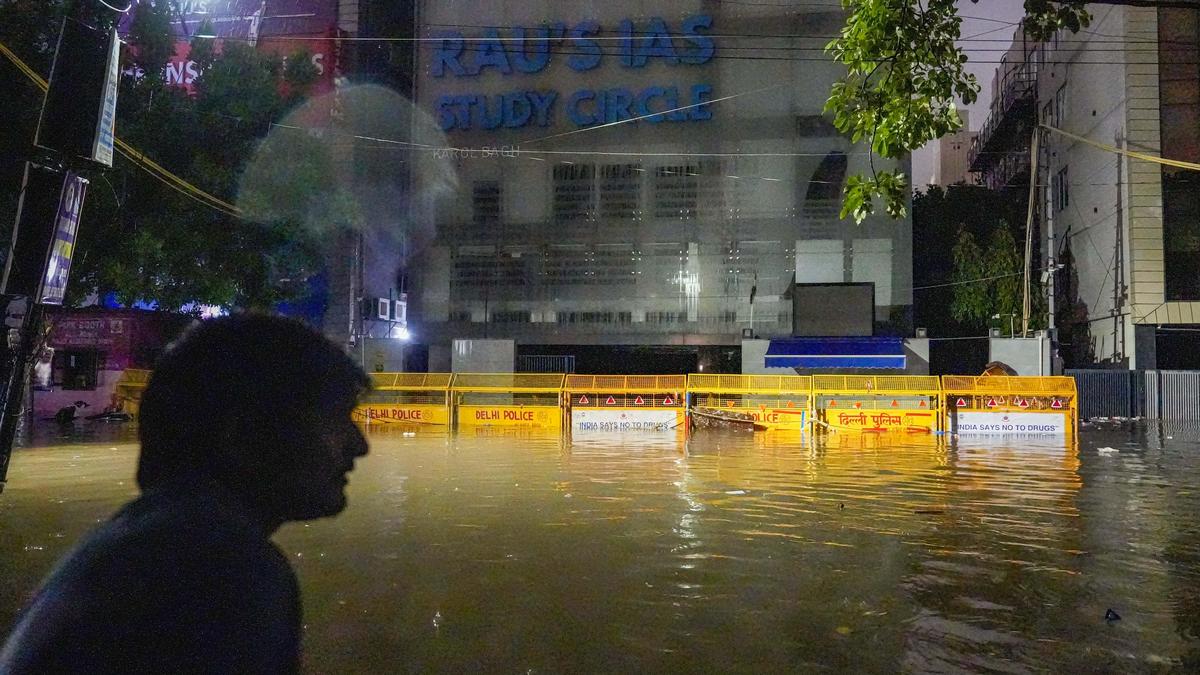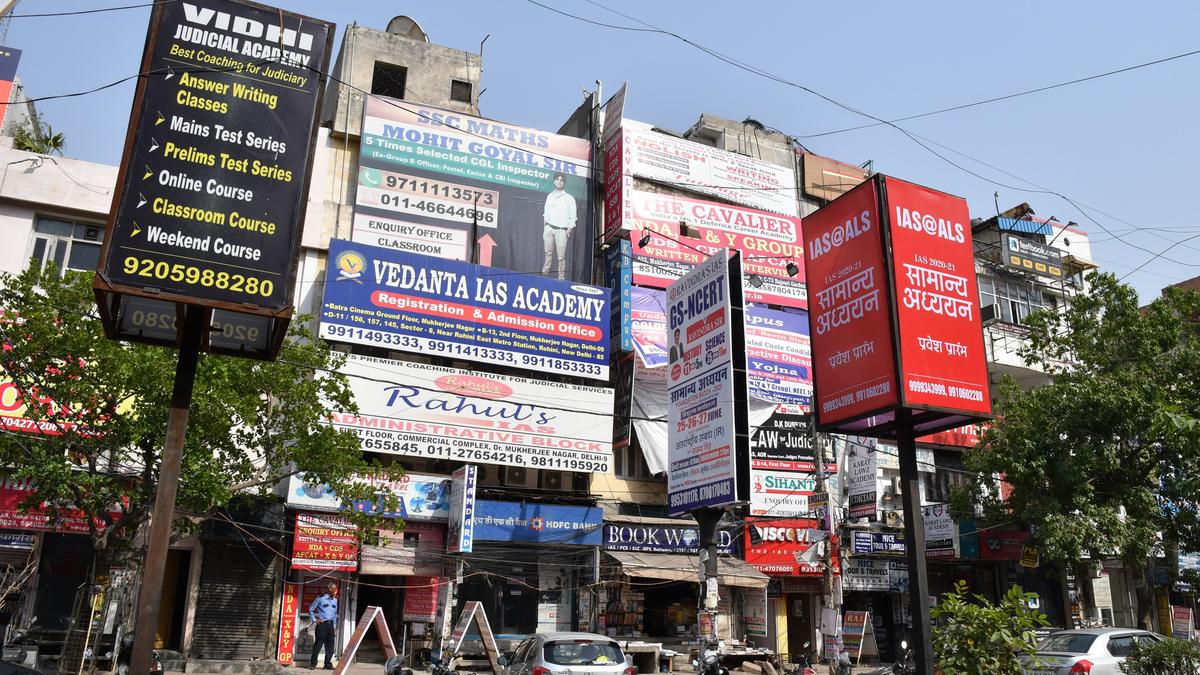
Maharashtra has released a draft law — the Maharashtra Private Coaching Centres (Registration and Regulation) Bill, 2026 — intending to rein in coaching centres in the State, which drew attention during the NEET-UG 2026 paper leak. The draft bill released on August 22 focuses on the prevention of the integration of school coaching centres, the prohibition of coaching centres operating from basements, mandatory registration, regulations concerning fees and safety standards, the implementation of a grievance redressal mechanism, and penalties for violations.The bill drew criticism from private coaching institute union, calling it “oppressive” and “unrealistic”. According to the draft bill document, the objective is to “provide a framework for the registration and regulation of private coaching classes, especially concerning the education imparted, the mental well-being of the students, and the facilities provided to them. It also aims to establish provisions for the effective redressal of grievances and related issues.”No school-coaching integration and other clausesThe proposed draft bill targets school-tuition partnerships, specifically addressing the school-coaching nexus. It proposes a minimum strength of 25 students to register as a private coaching class. The bill excludes government schools and non-academic activities like sports, dance, art, yoga, and counselling. The private coaching institutes need to fulfil government-prescribed formalities, covering registration and renewal of the registration certificate. No coaching centre should engage a tutor with qualifications less than graduation, make misleading promises for enrolments, or enrol students below 13 years of age. The draft bill prevents centre owners from mid-course fee hikes and requires refunds within 10 days if a student withdraws. It focuses on safety measures, including parking facilities, 1 square meter per student, fire and building safety certificates, first aid, clean drinking water, CCTV with 1-month footage retention, separate and accessible toilets, and a complaint box.It also asks centres to provide a weekly off, no tests the day after a holiday, a maximum of five teaching hours/day, career counselling beyond just engineering/medicine, no batch segregation based on merit, access to a counsellor. What is the need for regulations?In the wake of the NEET paper leak matter in May, where nine of 13 people were arrested in Maharashtra, with the primary accused being the founder of reputed NEET coaching centres, the state has proposed a draft bill to regulate the operations of coaching centres. On May 27, the consortium, comprising nine coaching class owners’ associations from across the State, held a symbolic day-long protest at Azad Maidan in Mumbai, demanding mandatory registration of all private coaching classes and penalties for the integration of school-coaching centres. At least 50,000 coaching class owners are associated with nine associations, having at least 5 to 6 lakhs students enrolled with them.The coaching centres in the State had no regulations, including licensing, safety audits, or fee caps. For operational centres, it is mandatory to register the centre within six months of the bill using an online portal. All registrations will be valid for three years. State School Education and Sports Department released the draft Bill, inviting suggestions and objections from the public till September 4. After review of the objections and suggestions, if any, the bill will be finalised, requiring all private coaching centres to register, regulate their fees and adhere to all the terms under the law. Flak from coaching centre unionThe private coaching institute union, with which at least 50,000 classes are associated, criticised the bill, saying it is “oppressive” and “unrealistic”. The union cited an instance: “It is unrealistic that a fine of one to five lakh rupees will be imposed for violating minor conditions.” The minor conditions are not clearly defined in the draft. Several clauses in the draft will also create opportunities for corruption at the level of the investigating officers, indicating that there are no reforms in the government’s educational system.“Several homemakers conduct tuition classes in batches from their homes; how will they fit under this bill? If the government does not relax the strict conditions in the draft while enacting the law, we will agitate, said the consortium vice president and spokesperson, Bandopant Bhuyar. Maharashtra fifth to join the party Maharashtra is a late entrant in regulating coaching classes. In January 2024, the Centre issued guidelines to regulate centres and a prohibition on coaching centres’ claims of “100%” selection guarantees. Based on this, the States, including Haryana, Rajasthan, Assam, and Jharkhand government enacted laws in their respective States. All the State laws cover mandatory registration, a ban on misleading advertisements, safety standards, penalties, and access to counsellors. However, Maharashtra has a lower size threshold of 25 students compared to 50 students under Assam law and 100 students under Rajasthan law. It means Maharashtra is allowing smaller tuition classes under the ambit of the law. The other regulations that stand out under the Maharashtra draft law include no integration with schools. Maharashtra has more stringent penalties compared to other states. The penalties in Haryana for a first violation are ₹25000; Assam penalises a flat fine of ₹1 lakh, while Maharashtra charges up to ₹50 lakh. The minimum age of enrollment under the State draft bill is 13, while Centre rules State 16 as the minimum age. Penalties The bill also enables the appointment of Inquiry Officers or Appellate Authorities having power to summon centres over violations, impose fines (₹1–5 lakh for minor violations, up to ₹10 lakh for repeat minor ones, ₹10–50 lakh for major violations), and suspension of center. “The Inquiry Officer and the Appellate Authority, while conducting any inquiry, hearing any appeal, or deciding any matter under this Act, shall have the same powers as are vested in a Civil Court while trying a suit under the Code of Civil Procedure, 1908 [5 of 1908], in respect of the following matters,” stated the draft bill document. After the review period is over, the Commission will review the feedback, and through the State legislative process, the bill will be passed.
Why has Maharashtra drafted a law to rein in coaching centres?
Maharashtra's draft law aims to regulate coaching centres, ensuring student welfare and safety amid rising concerns over education quality.
977 words~4 min read