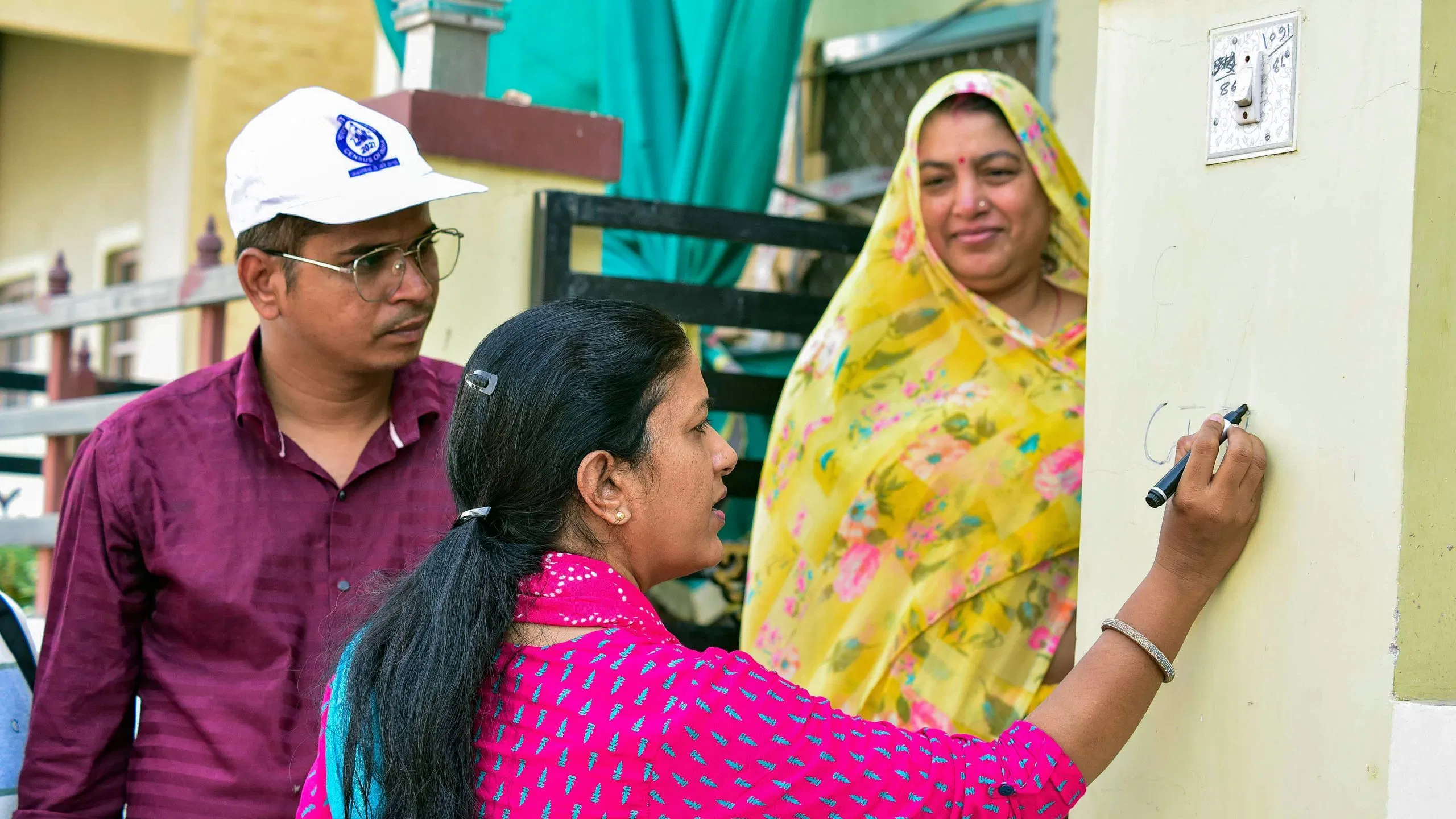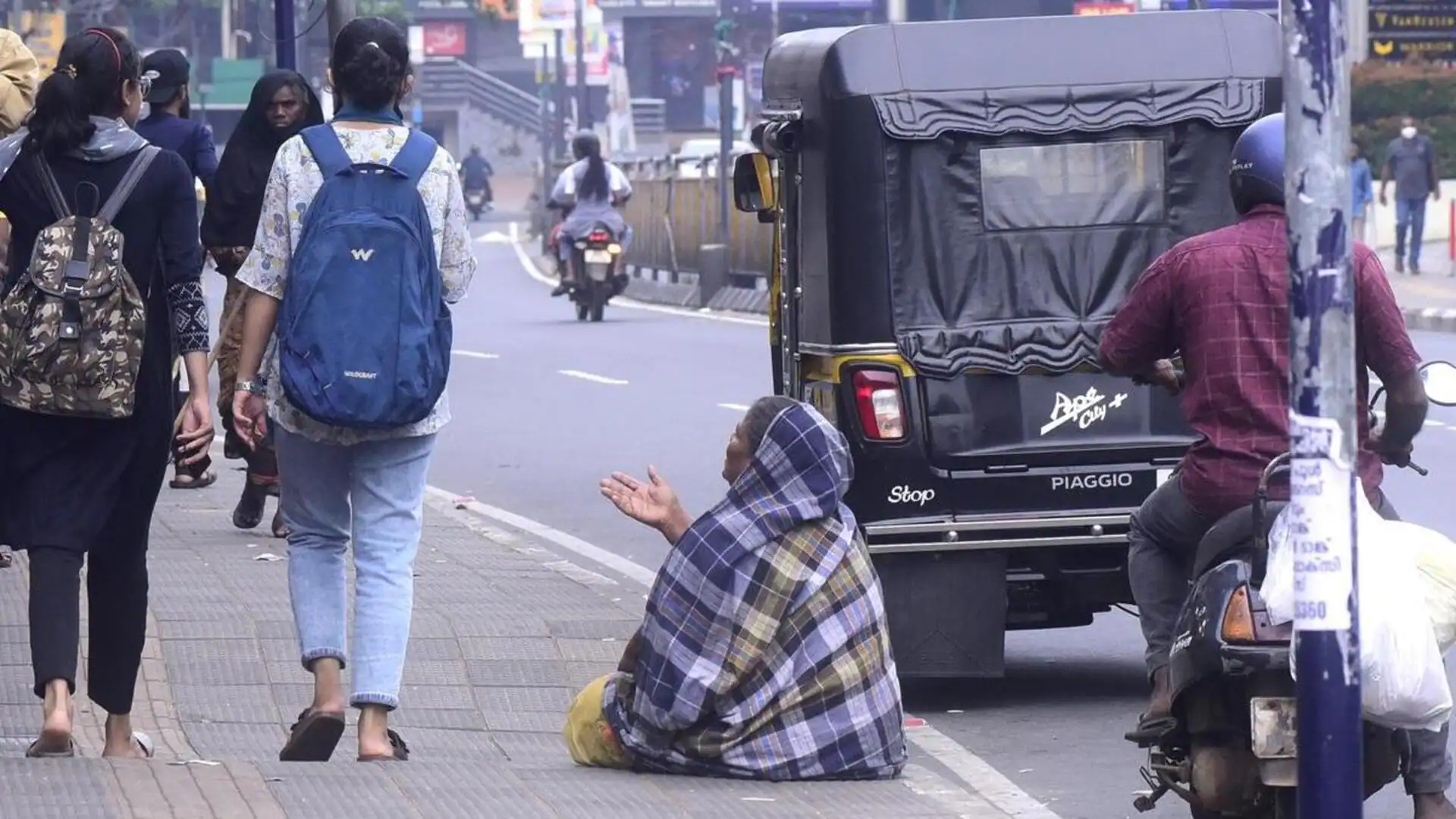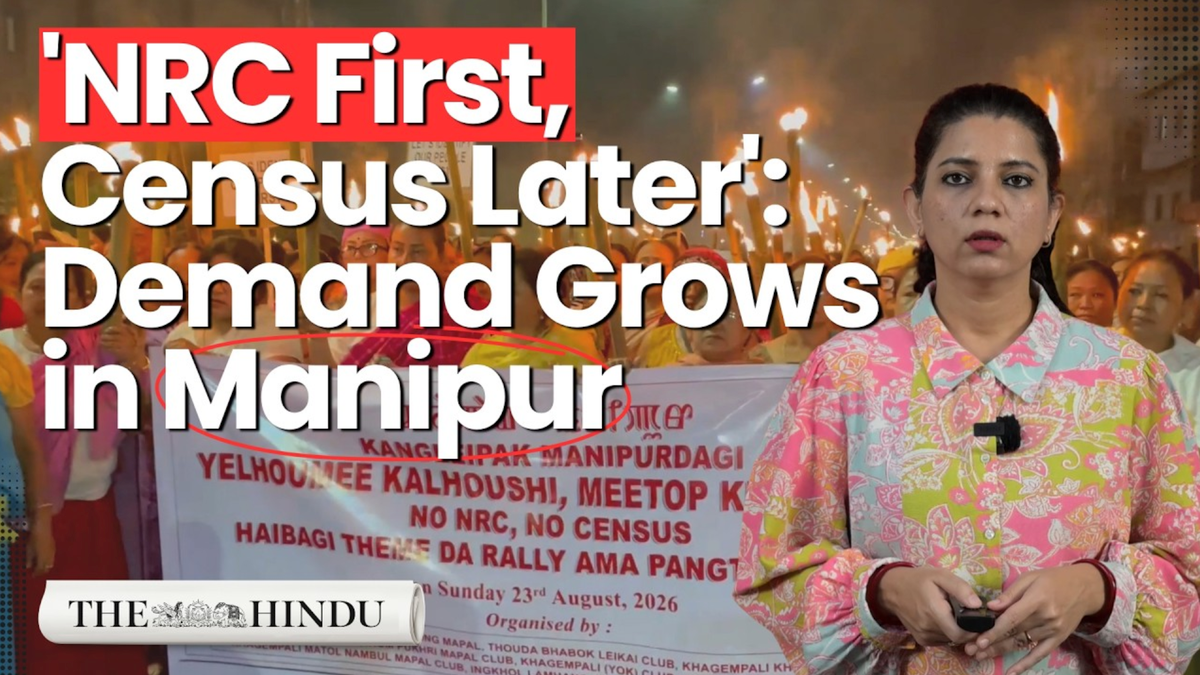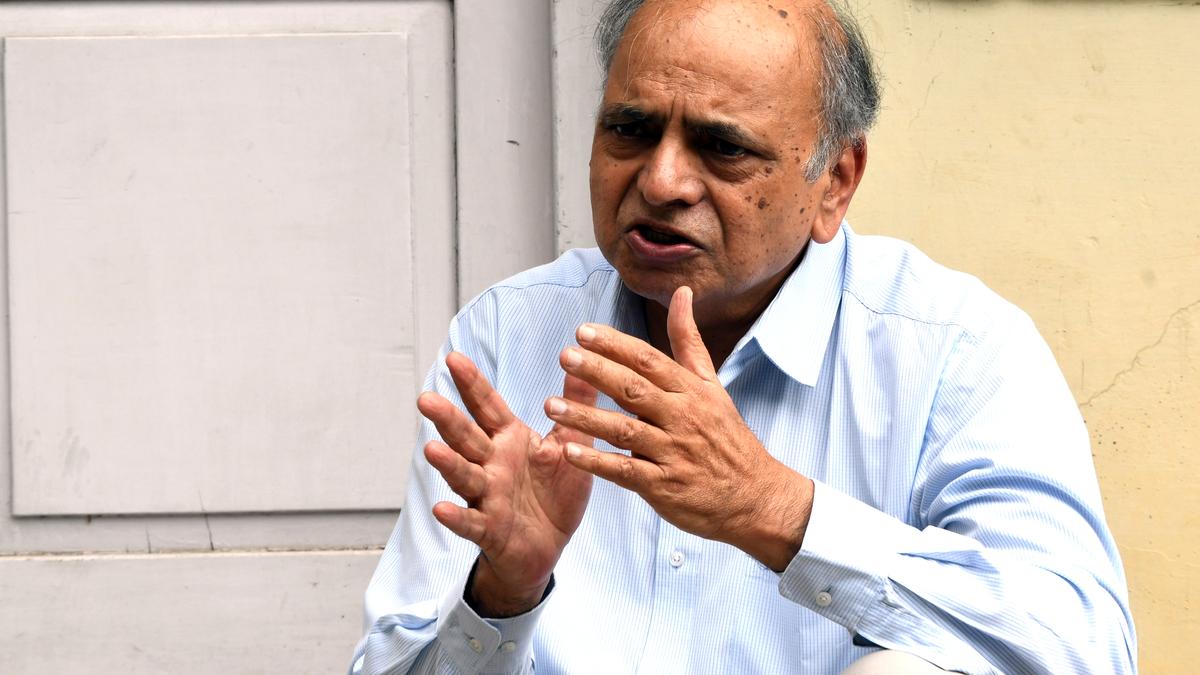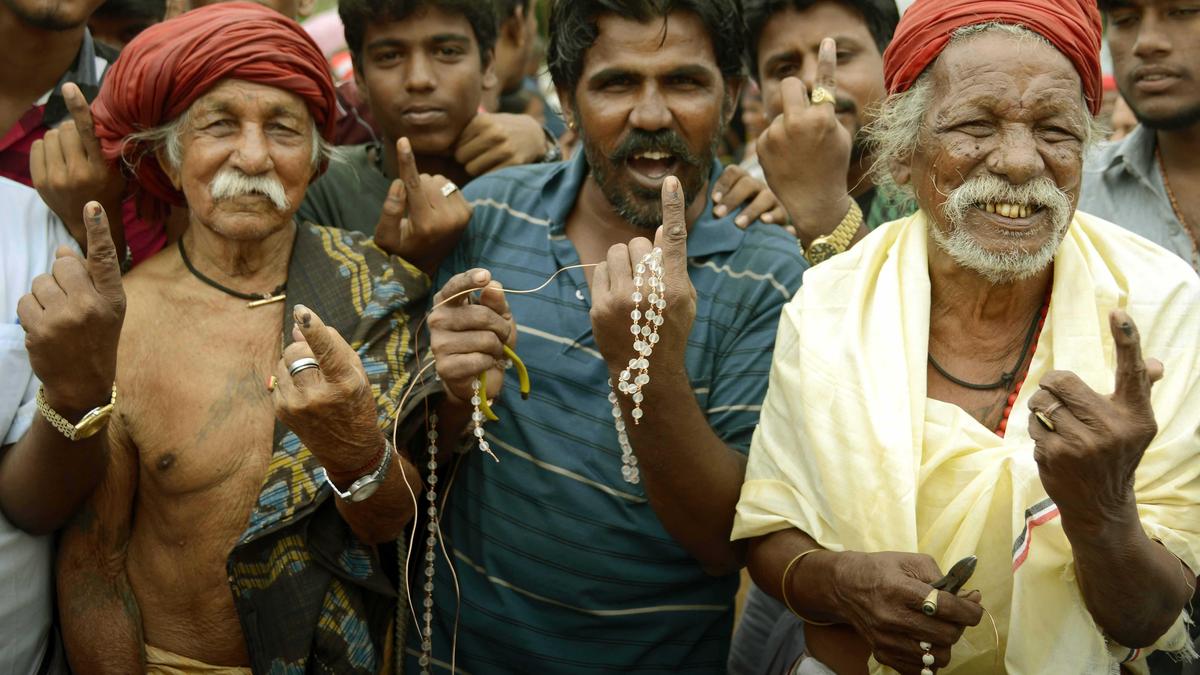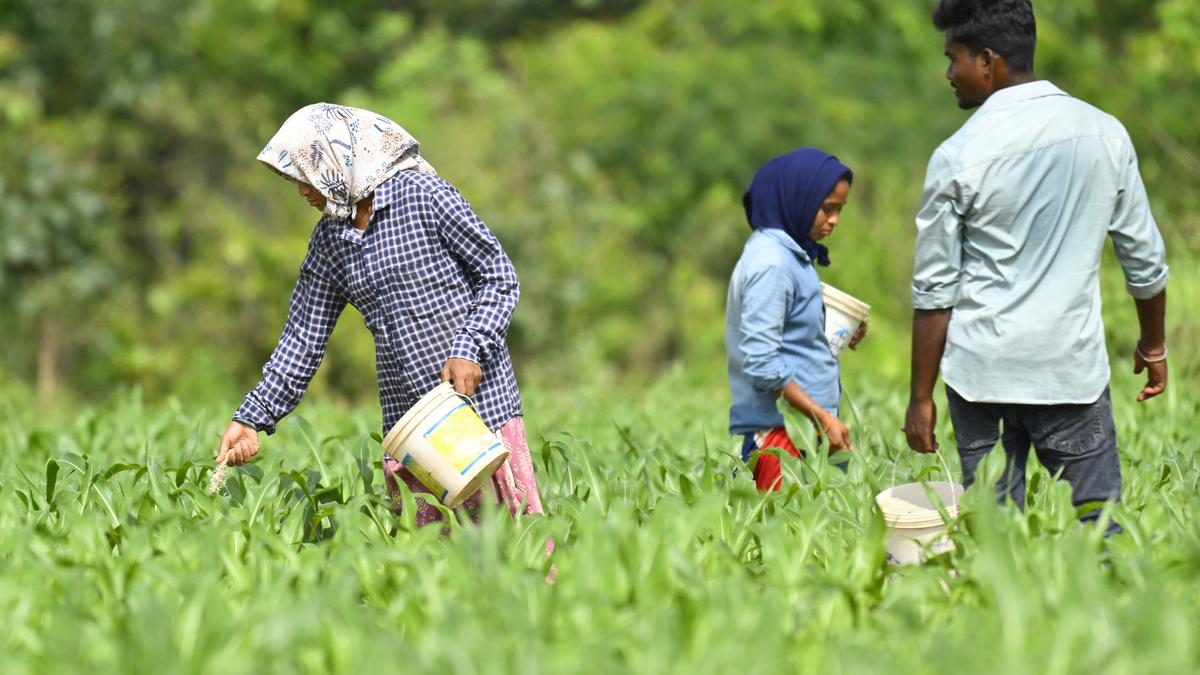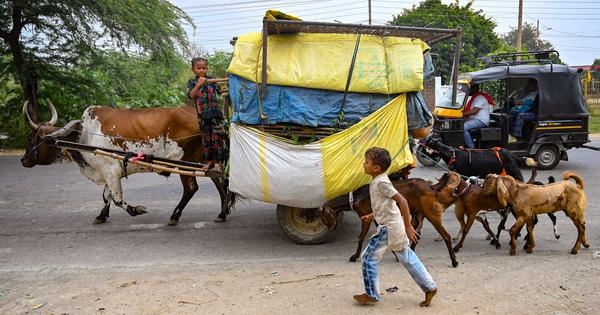
Census 2027 is crucial to the Nomadic and Denotified Tribes whose existence, culture, livelihood and identities are deeply connected to the fundamental right of being counted.Community activists and leaders have repeatedly demanded that Nomadic and Denotified Tribes be counted separately in the Census. But these demands have been ignored even though the Census is much more than just counting people – it is fundamental to constitutional justice, policy-making and the equitable distribution of resources.As someone from the Ghisadi Gadiya Lohar Nomadic and Denotified Tribe community, I have closely seen the effects of relentless migration, prejudice from settled populations, homelessness, the utter lack of safety and social security, little schooling and healthcare access and negligible democratic participation.In almost all states, these communities are at the bottom of the caste hierarchy, below the Scheduled Castes and Scheduled Tribes. There is no standard identity across the country: our caste identity keeps changing from state to state because there is no uniform counting of our people at the national level.The last time the population of the Nomadic and Denotified Tribes was counted separately was in the caste-based Census conducted by the British administration in 1931. As India nears 80 years of independence, one must ask why there has never been an independent enumeration of Nomadic and Denotified Tribes.A woman from a nomadic tribe sells miniature Indian flags in Bengaluru ahead of Republic Day in this photograph from January 2005. Credit: AFPGenerational deprivationIndia’s nomadic and denotified tribe population were among the earliest and fiercest freedom fighters. But the colonial administration branded them “born criminals” under the Criminal Tribes Act of 1871. This criminalisation violently disrupted their mobility, livelihoods, ownership of assets, education, employability and cultural preservation.After the Criminal Tribes Act was repealed in August 1952, the communities categorised and listed as “criminal” were denotified.A key demand from the nomadic, denotified and semi-nomadic tribes is that they be recognised at the national level. They may have recognition in some states, but lack their own national identity because they have never been adequately recognised in national frameworks.As a result, the violence, exclusion and isolation these communities experience is largely invisible. They live beyond the threshold of public institutions, government schemes, budgets, resources, land rights and basic civic amenities such as drinking water, electricity, sanitation and housing.The Renke Commission was constituted by the Ministry of Social Justice and Empowerment in 2005 to examine the socio-economic status of Denotified, Nomadic, and Semi-Nomadic Tribes, which it estimated was 10% of India’s population, according to the Renke Commission.A child from a nomadic community performs during a protest in New Delhi in December 2008. Nomadic and denotified tribes were demanding the implementation of the Renke Commission report. Credit: AFP.The commission’s 2008 report noted that these communities do not possess below poverty line or other ration cards, which excludes them from social welfare schemes and access to crucial food rations. This especially affected women, with the report stating that 31% of the denotified tribes and 42% percent of the nomadic tribes have 20 destitute women or more in their communities, most of whom were widows and eligible for widow pension.The report also found that 42% for children from de-notified tribes and only 28% from nomadic tribes were enrolled in schools.A 2008 study similarly found that the enrollment of denotified and nomadic tribes in higher education was the lowest at 0.24% compared to others such as Schedule Caste (7.48%), Scheduled Tribes (4.19%), Other Backward Classes (11.00%), Muslim (11.04%), upper class Hindus (24.89%) and upper class Christians.My organisation’s work of 20 years has also observed that our communities live in distressingly harmful conditions lacking basics like toilets and housing, electricity, water, disaster support while struggling to access schooling and healthcare.Legacy of criminalisationThe Criminal Tribes Act has long been repealed, but its attitudes are entrenched. Legal and administrative systems continue to silently and violently criminalise denotified and nomadic communities. Yet there is no constitutional or legal framework to protect these communities from such discrimination.Unlike the registries maintained for Scheduled Castes and Scheduled Tribes, the National Crime Records Bureau does not have track crimes, lynching, sexual or other forms of violence against nomadic and denotified tribes. This is mainly because there is no national framework that recognises these communities as a distinct category requiring separate data collection.There is also no dedicated law comparable to the Scheduled Castes and Scheduled Tribes (Prevention of Atrocities) Act for Nomadic and Denotified Tribes. This is urgently needed to protect our communities from regular and extreme violence, including mob lynching, police brutality and sexual violence.In my experience alone there have been scores of such instances, but the actual scale of the violence is unknown because there is no data. Media coverage of such incidents is poor and the police respond insensitively in registering cases.Police manuals still view these communities with suspicion and their language, mobility, cultural traditions, clothing and occupations are treated as markers of suspicion rather than diversity. Their distinctiveness is misunderstood, leading policy and decision-makers to justify discrimination.They face existential concerns as they grapple with overlapping challenges of homelessness, displacement, repeated disasters, the impacts of climate change and constant migration.Last week we secured bail for a 15 year old Pardhi boy who was incarcerated for a week during the lockdown. Everyday there are numerous children from marginalised communities who are detained and tortured by the police. Police brutality is a part of their everyday reality.— Nikita Sonavane (@glorious_gluten) June 1, 2020
A question of survival: Why Census 2027 must count Nomadic and Denotified Tribes separately
These communities live with the legacy of criminalisation but have never been recognised in national policies due to poor data about them.
1,373 words~6 min read