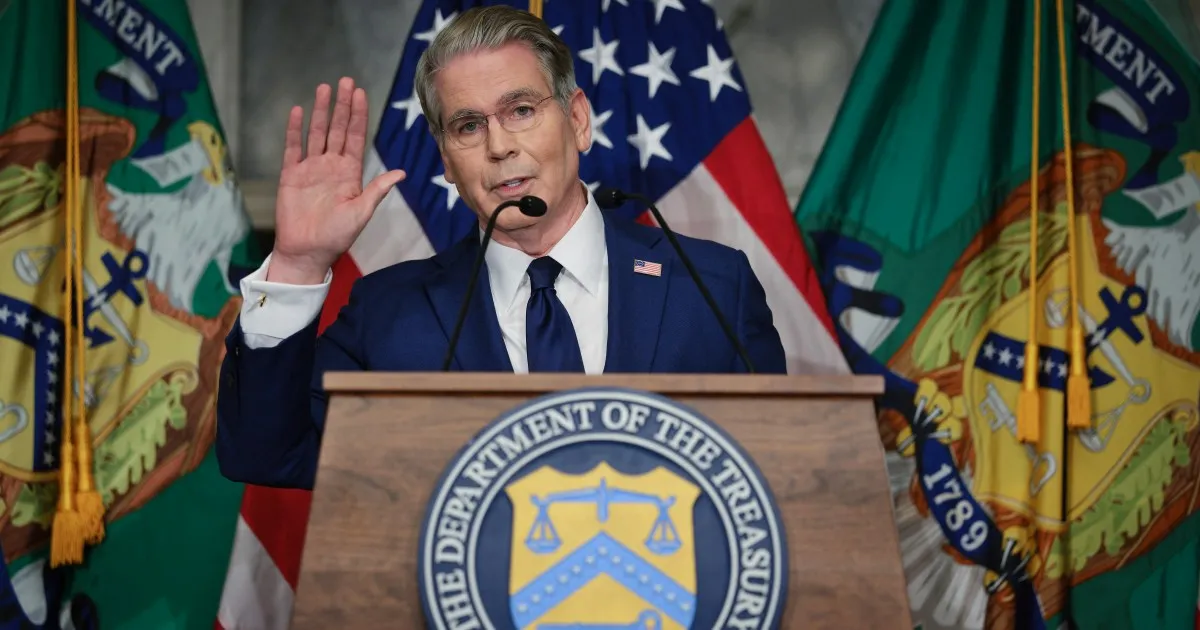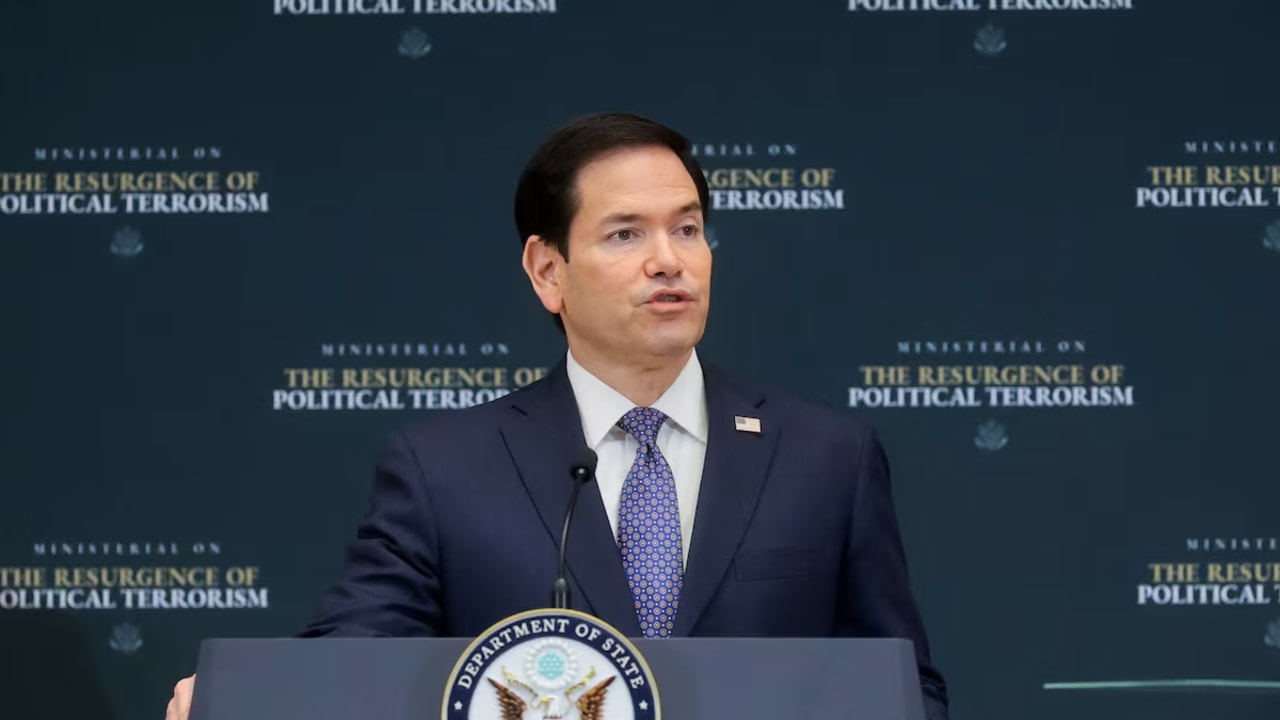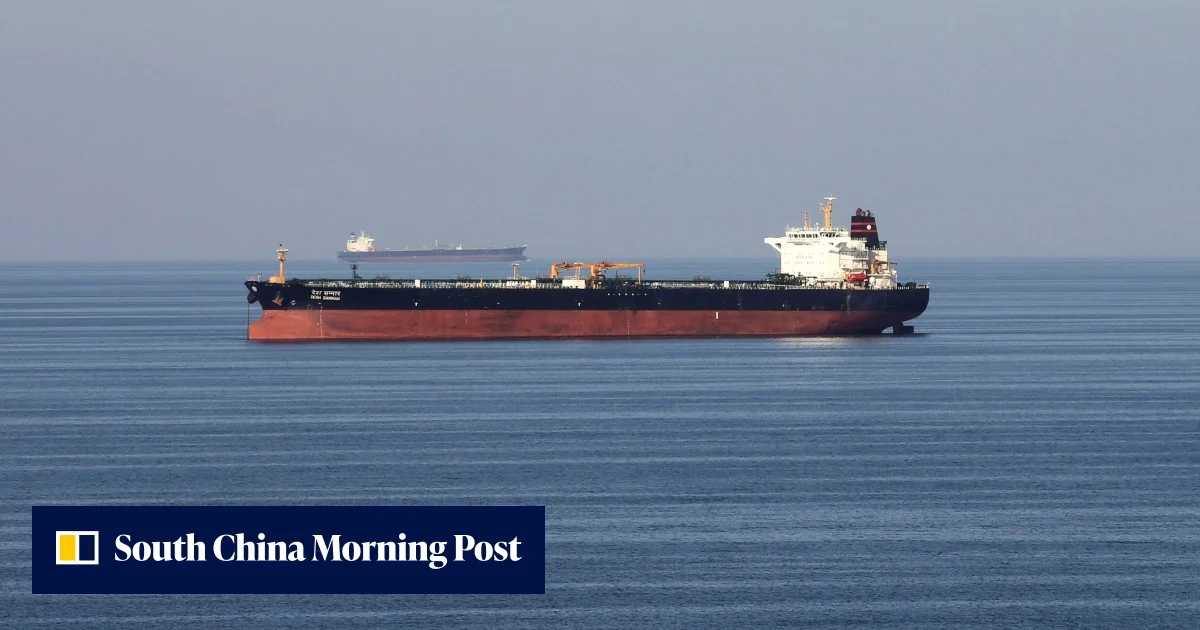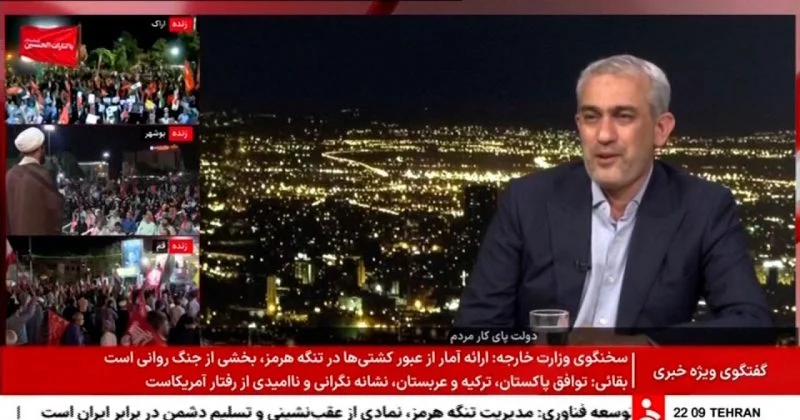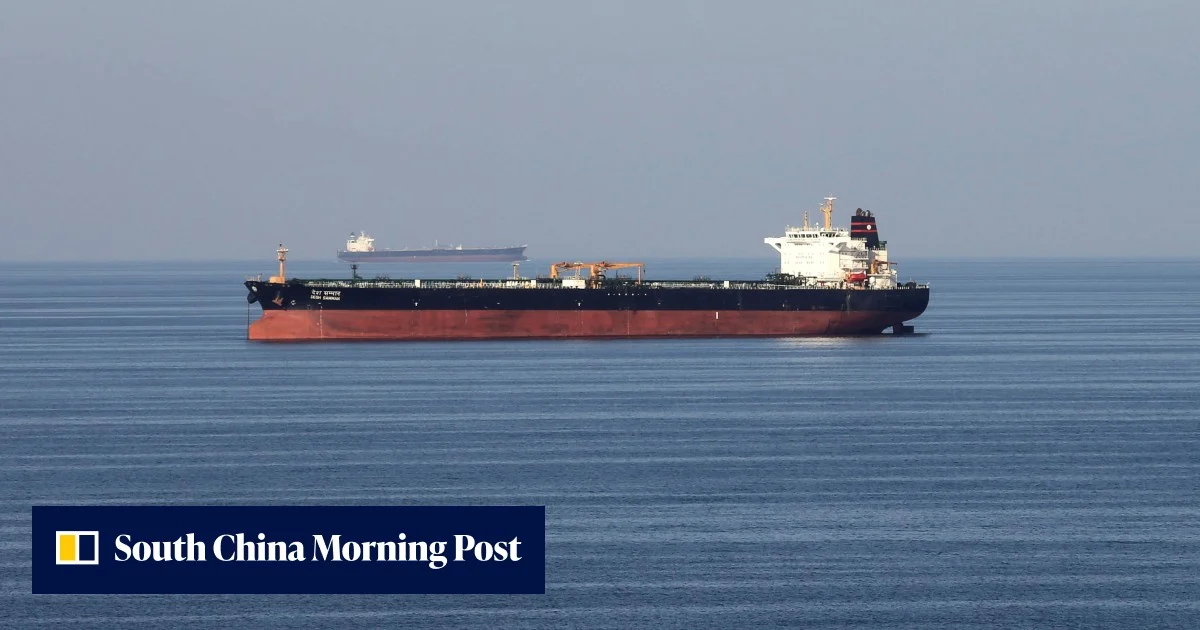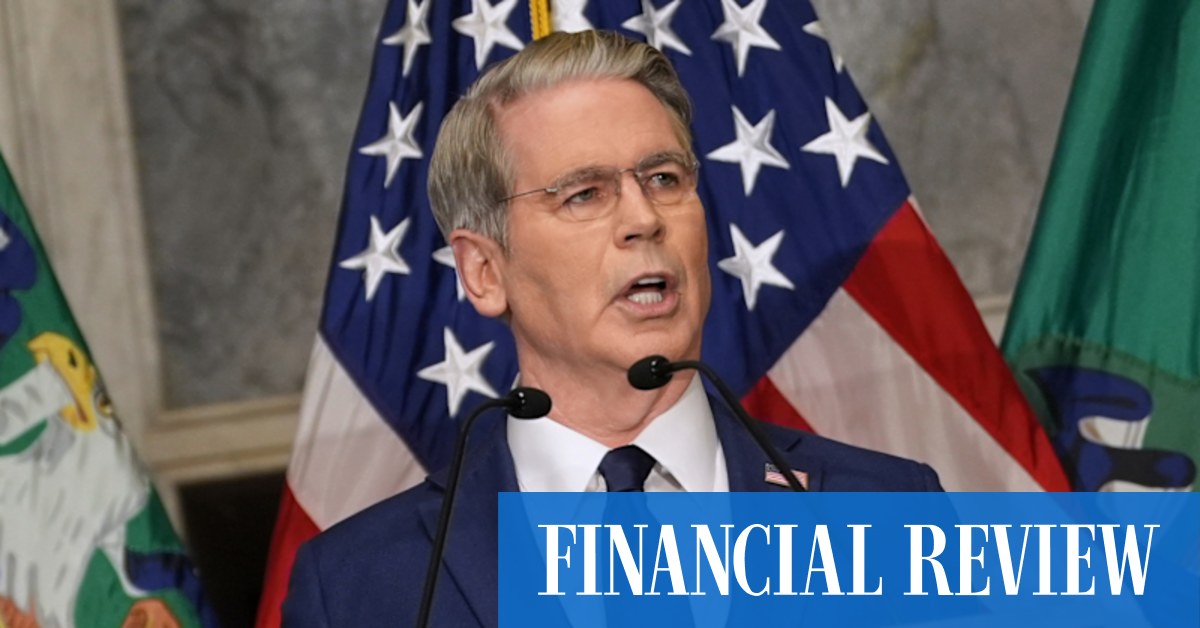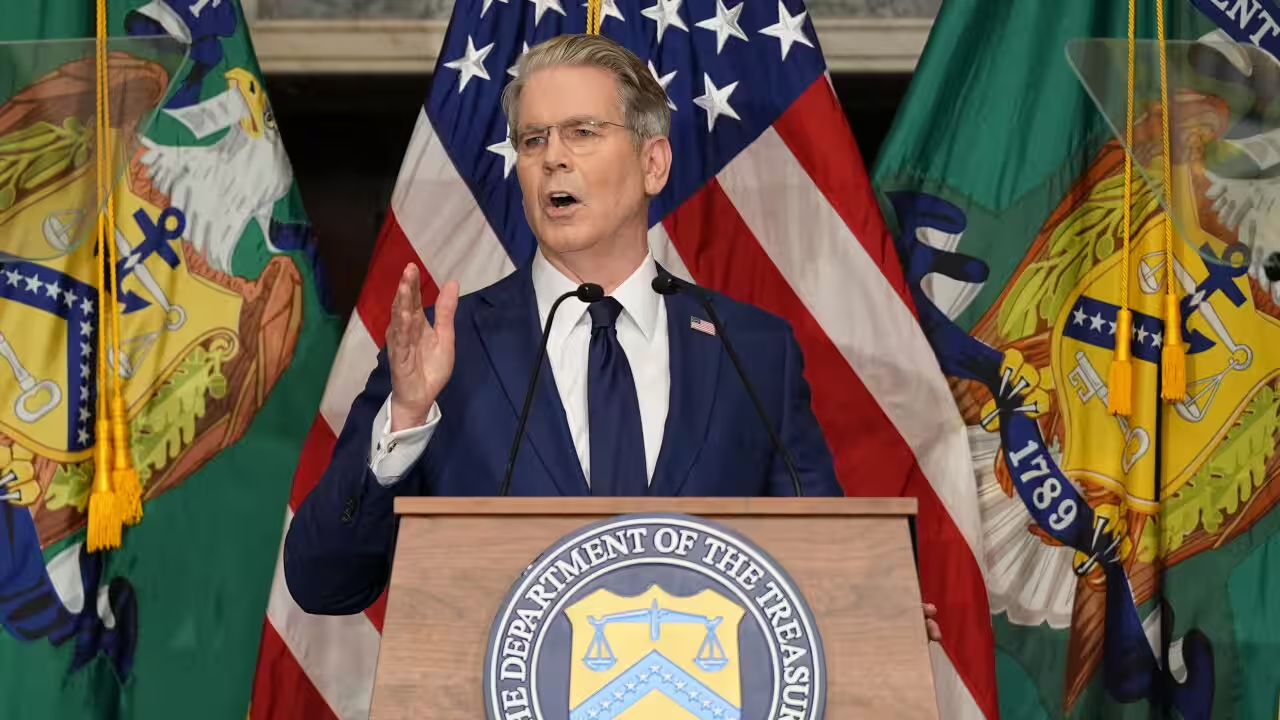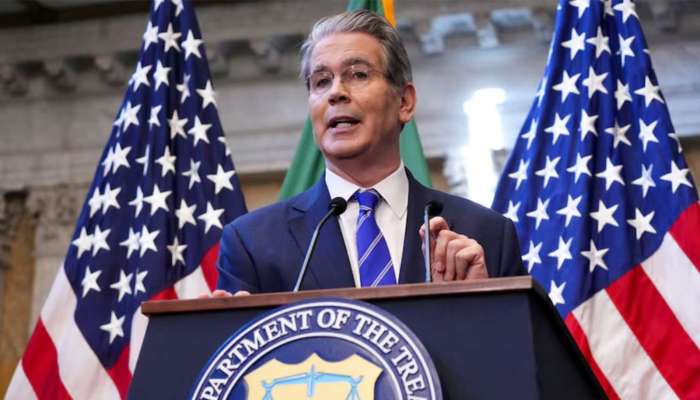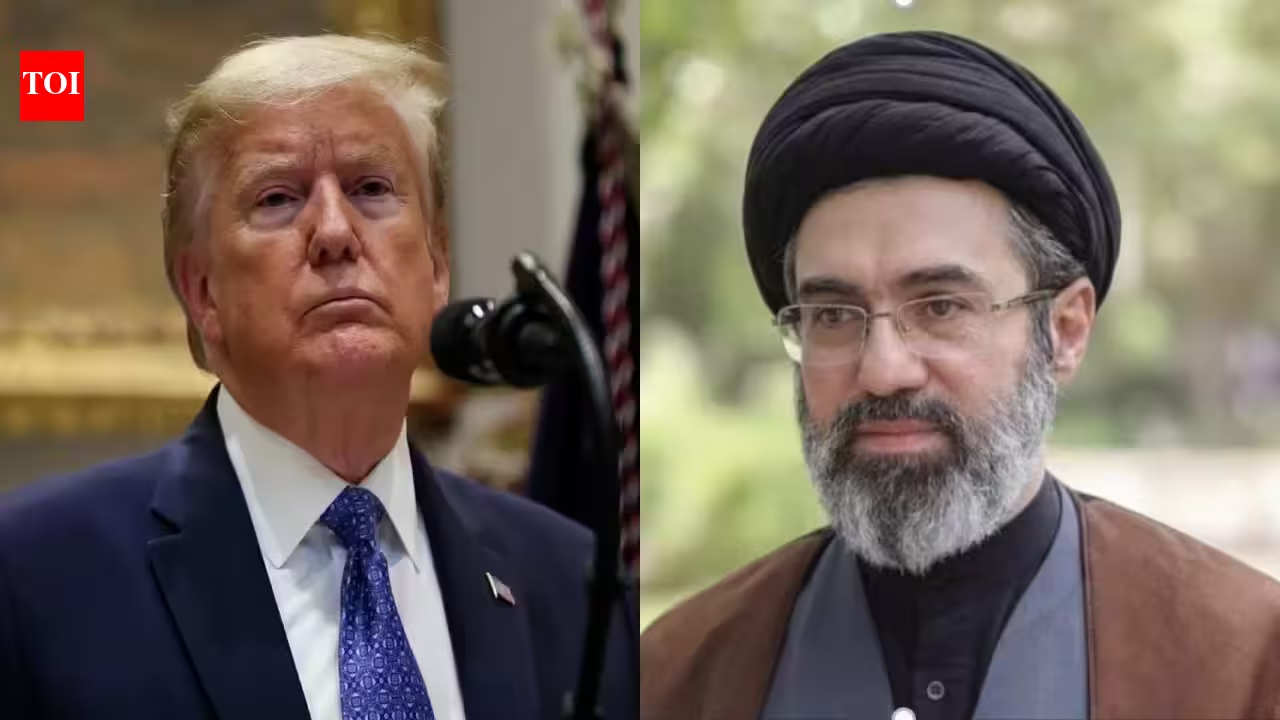
Donald Trump, Mojtaba KhameneiThe United States has imposed sanctions on nearly 60 individuals, entities and vessels linked to Iran’s military activities, procurement networks and petroleum and petrochemical trade, as Tehran warned Washington that a coercive approach could complicate diplomatic efforts.The sanctions, announced on Monday under the Trump administration’s newly launched “Operation Economic Outcast”, target Iran’s sources of military and economic support, including oil shipments, procurement networks and senior Islamic Revolutionary Guard Corps (IRGC) figures.In a fact sheet released by the State Department, Washington said the measures aim "to further expose individuals and entities that enabled strikes against US forces and allies and to restrict the revenue that the Iranian regime uses to attack its neighbors, support terrorism abroad, brutally oppress its own people, and hold the global economy hostage."The measures were issued under Executive Orders 13846 and 13949, which target Iran’s petroleum revenue and alleged proliferation of conventional arms.Sanctions target Iran’s military networkAmong the entities designated by Washington is DADENEGAR STARTUP STUDIO, which the State Department accused of procuring commercial Chinese satellite imagery to assist Iranian military targeting and battle damage assessments during “Operation Epic Fury”.The State Department claimed that "DADENEGAR supported targeting of U.S. and partner facilities in the Middle East for the Iranian military during Operation Epic Fury."The US also designated the IRGC Cyber-Electronic Command, alleging that the organisation obtained information connected to US military assets.Senior Iranian military figures were also targeted through sanctions imposed by the Treasury Department, alongside the Rewards for Justice (RFJ) programme.Among those designated is Ahmad Vahidi, commander-in-chief of the IRGC. The State Department accused Vahidi of playing a central role in Iran’s military decision-making during “Operation Epic Fury”."VAHIDI is one of the most influential individuals in Iran, both politically and militarily, driving decisions on Iran's kinetic actions during Operation Epic Fury," the State Department said.The RFJ programme is offering rewards of up to USD 10 million for information on Vahidi and other senior IRGC leaders, including Ali Abdollahi.US moves against Iran’s oil tradeThe latest measures also target Iran’s so-called “dark fleet” of oil tankers and international intermediaries involved in the sale and transportation of Iranian petroleum, petroleum products and petrochemicals.Washington accused these networks of using deceptive maritime practices to evade sanctions and move Iranian energy products through international markets.The State Department said, "these Iranian petroleum, petroleum products, and petrochemical cargos are frequently transported by shadow fleet operators, including vessel management companies that regularly engage in dark activity and other deceptive shipping practices, endangering other vessels and trade flows."The sanctions came as US Treasury Secretary Scott Bessent announced the launch of “Operation Economic Outcast”, describing it as a campaign aimed at cutting Iran’s financial links around the world and restricting revenue supporting the Iranian government."The US Department of the Treasury has launched Operation Economic Outcast, an unprecedented campaign against the Islamic Republic of Iran and its neighbours," Bessent said at a press conference."During World War II, D-Day marked the historic beginning of a joint campaign with our allies to target and drive the enemy from its positions, including those in third countries. Today, in that same spirit, we are launching an economic onslaught against Iran's financial connections around the globe. Our goal is to sever every economic lifeline that sustains this tyrannical regime," Bessent said.Bessent said Tehran now faces a choice between international isolation and returning to the global economy."Iran now faces a clear choice, with only two paths before them: complete global isolation and a subsistence economy, or a path to normalcy with the opportunity to rejoin the global economy. Today we are launching Operation Economic Outcast to foreclose all other options available to the Iranian regime," Bessent added.Pezeshkian warns US against coercionThe sanctions came as Iranian President Masoud Pezeshkian urged Washington to change its approach towards Tehran, warning that pressure and threats could make diplomatic efforts more difficult.Pezeshkian made the remarks during a meeting with Pakistan Army Chief Asim Munir in Tehran on Monday, according to the official website of the Iranian president.Emphasising the need for the United States to honour its commitments to Iran under international law and standards, Pezeshkian said, "The United States must correct its tone and approach in its interactions with Iran, because relying on coercion and bullying will only complicate the implementation processes."Pezeshkian also stressed Iran’s resilience in the face of pressure and threats."Our nation will overcome any pressure and threat by relying on this solidarity," he said.The Iranian president called for greater cooperation with neighbouring and Islamic countries, saying Tehran was ready to work with them on economic, political and security matters."The Islamic Republic of Iran is ready for any cooperation and interaction in the economic, political, and security dimensions with Islamic countries and neighbours, because the Holy Prophet (PBUH) has always commanded peace and friendship," he said.Pezeshkian also called for greater unity among Islamic countries, describing it as a deterrent against regional threats."The unity and cohesion of Islamic countries is the most important deterrent against the conspiracies of the Zionist regime and the enemies of Islam, and if this convergence is realised, the enemies will not be able to advance their sinister goals," he said.He expressed hope that Pakistan’s diplomatic efforts would contribute to regional peace and stability and help the Islamic world achieve greater growth and cooperation.Pakistan pushes diplomatic engagementMunir, who arrived in Tehran on Monday for talks with Iranian officials, thanked Pezeshkian for his efforts to promote regional stability and peace."In order to advance common goals and achieve a comprehensive agreement, it is essential that diplomatic processes be discussed and examined with complete precision and meticulousness," Munir said, according to the Iranian president’s official website.The Pakistan Army chief also welcomed the growing bilateral cooperation between Pakistan and Iran, highlighting the countries’ historical, religious and cultural ties.He said the "deep historical, religious and cultural commonalities between Pakistan and Iran are a valuable asset for overcoming the current complex circumstances and charting a bright future".Munir’s visit comes amid heightened regional tensions and continuing friction between Iran and the United States, with Washington tightening economic pressure on Tehran while Iranian officials continue to call for diplomacy and greater regional cooperation.
‘Economic onslaught’: US sanctions nearly 60 Iran-linked entities, targets Tehran’s lifelines
The United States has imposed sanctions on nearly 60 individuals, entities and vessels linked to Iran’s military activities, procurement networks and petroleum and petrochemical trade, as Tehran warned Washington that a coercive approach could complicate diplomatic efforts.
1,014 words~5 min read