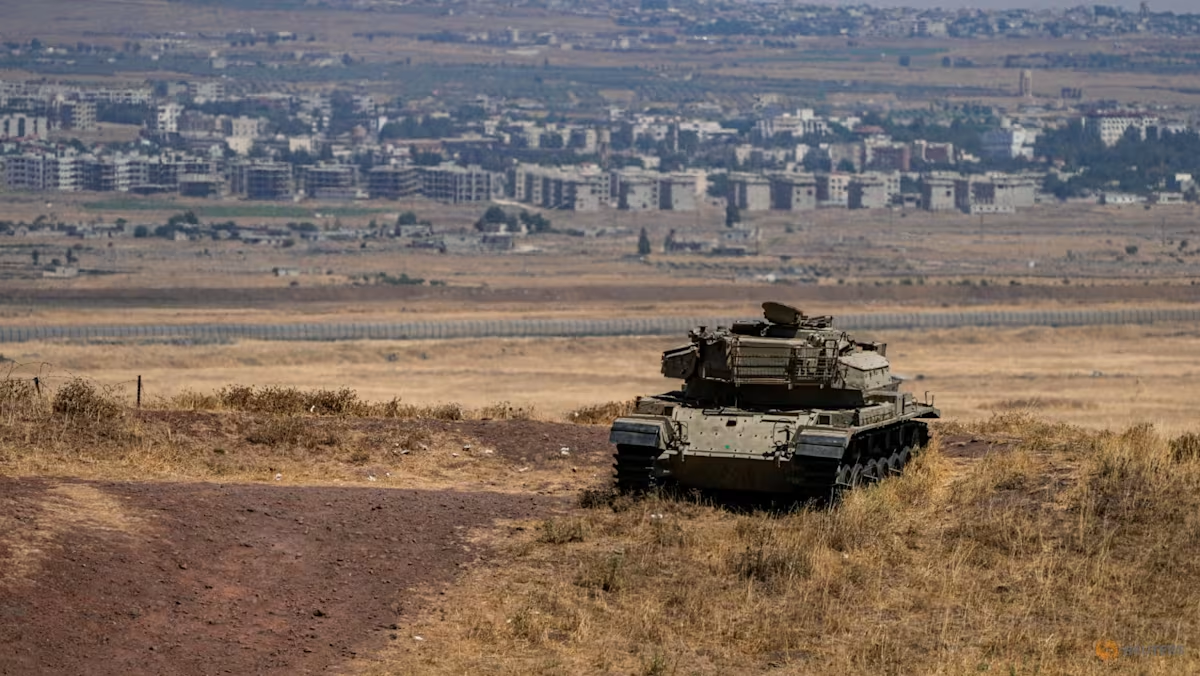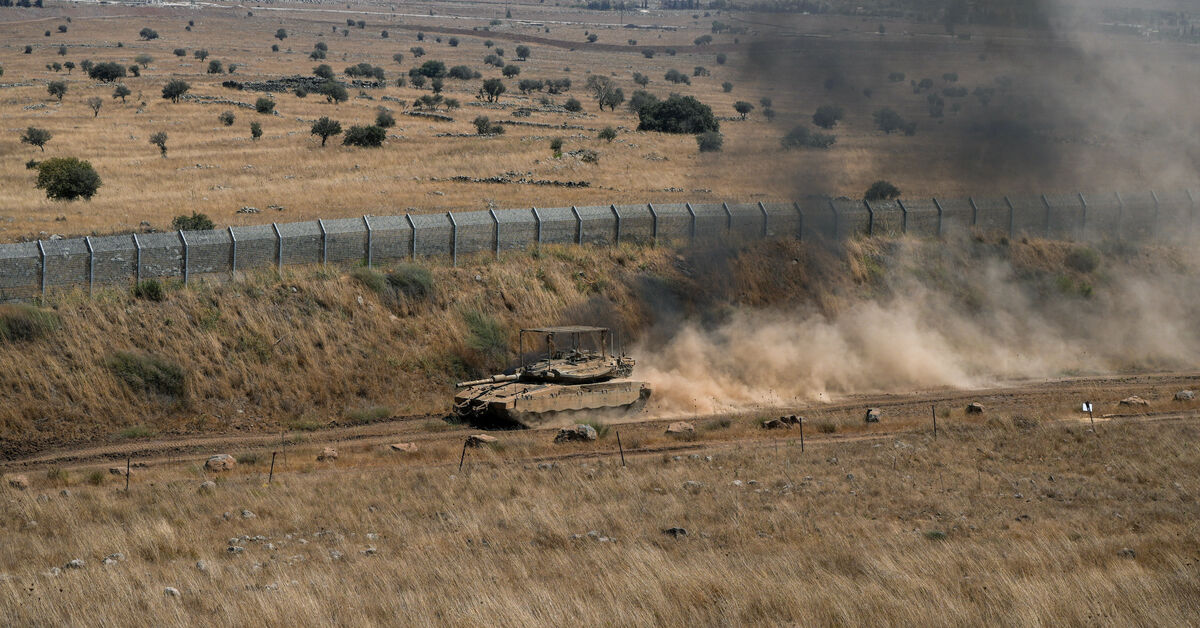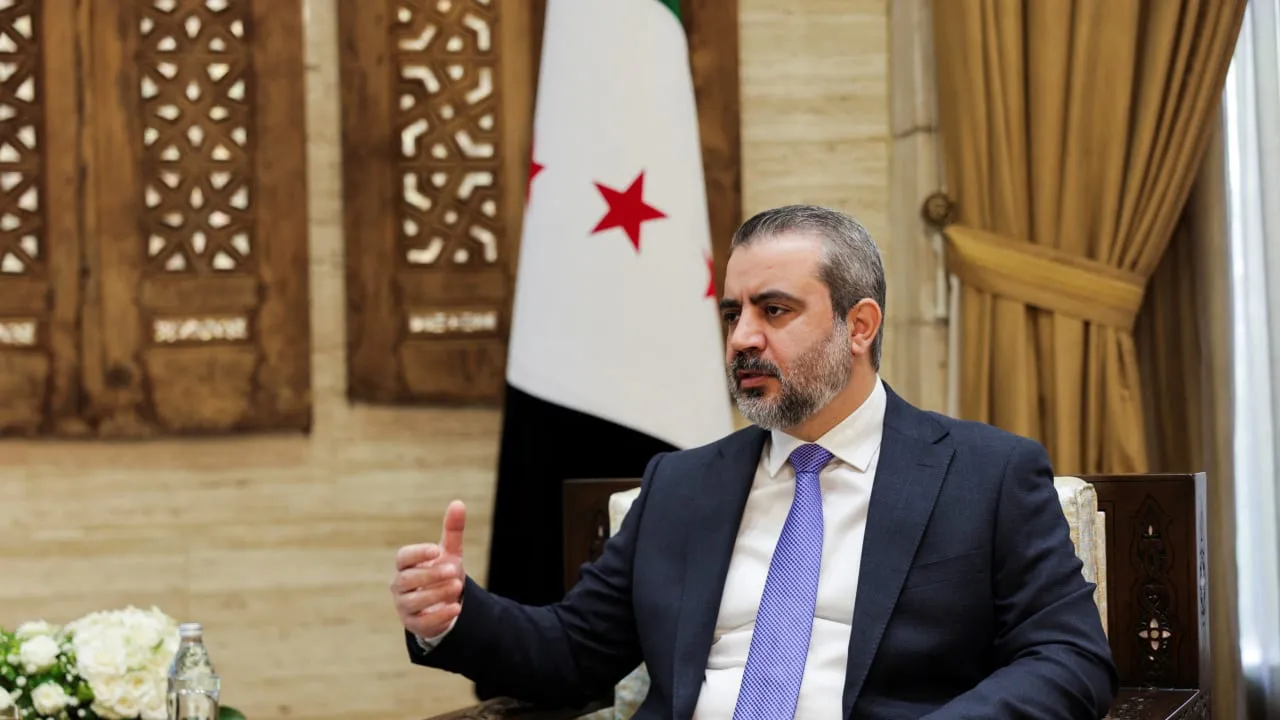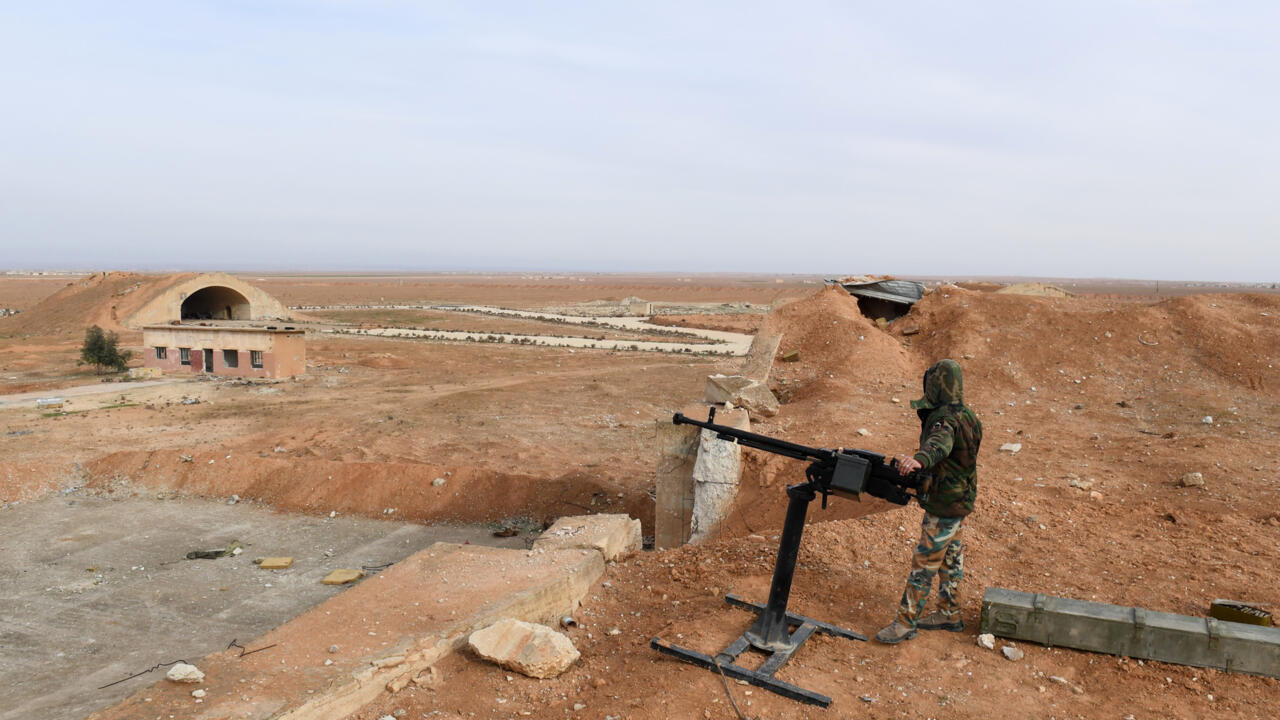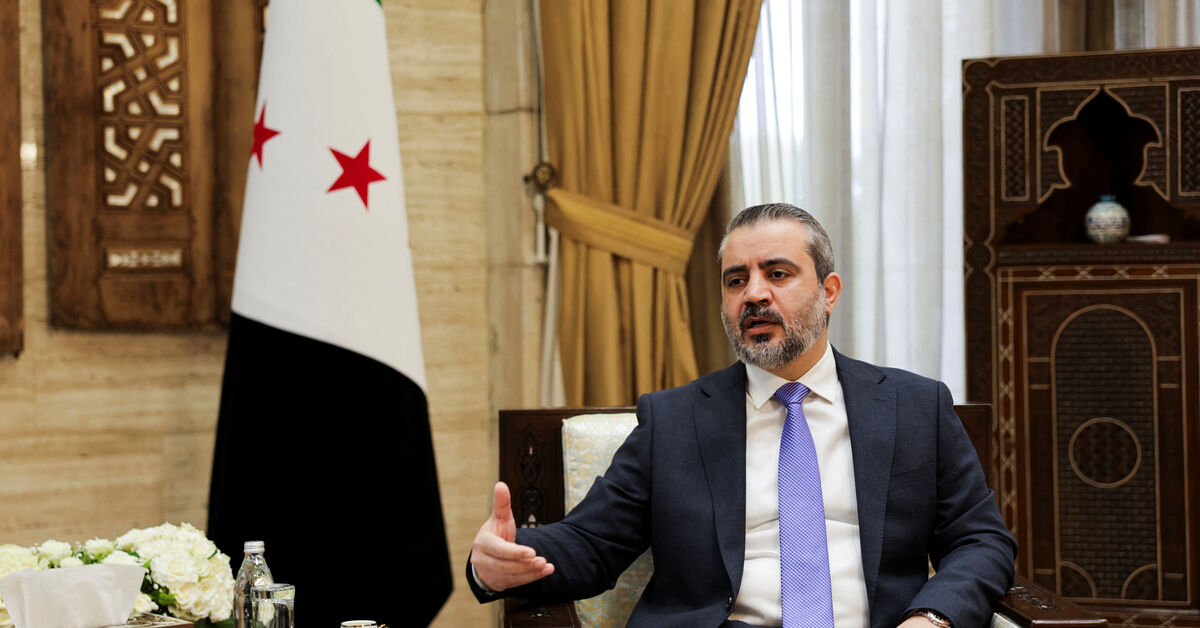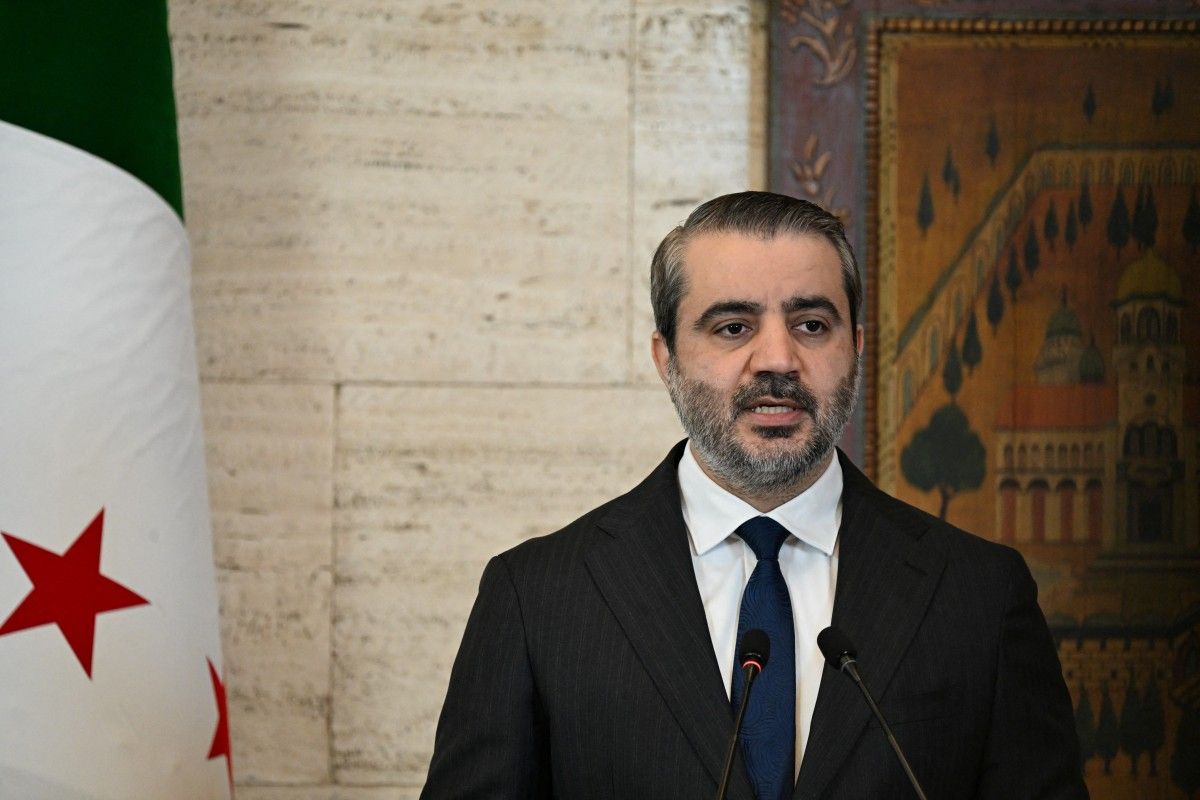
This week, Syrian and Israeli officials resumed talks in Jordan, brokered by the US, with the twin objectives of ending Israeli strikes inside Syria and reviving negotiations towards a bilateral security agreement.The talks – coming at a critical time for Damascus as it looks to restabilise the country following a brutal civil war, revive its economy and chart a new course in the post-Bashar Al Assad era – are a welcome, if fragile, step. As Syrian Foreign Minister Asaad Al Shibani, who led the delegation in talks with Israel, told Reuters, there is a "historic opportunity" for an agreement between his country and Israel. Such an opportunity must be seized.These talks also matter for a Middle East already dealing with a number of challenges, not least the US-Iran war and the resulting energy and commodity crisis, amid concerns that a new theatre of conflict could open up in the Levant between Israel and Turkey.Dialogue between Syria and Israel began following the fall of the Assad regime in December 2024 and the establishment of a new government in Damascus, with a view to settle the many differences that exist between the two countries – including a decades-long occupation of the Golan Heights, further Israeli incursions into Syria and Israeli security concerns. But the process stalled after the Iran war began. Then last week, Israeli jets attacked the Abu Al Duhur military airfield in Syria’s northern governorate of Idlib after Israeli officials alleged that Turkish soldiers were being stationed there.While there were no casualties, the strike threatened to freeze dialogue indefinitely. It also revived fears that Israeli-Turkish competition for influence inside Syria and primacy in a region left with a weakened Iran could tip into open conflict.QuoteUnder President Ahmad Al Shara, Syria has made tangible – even if sluggish – progress on a number of issuesIsrael’s action drew a sharp reaction from its closest ally – the US. Tom Barrack, Washington’s ambassador to Turkey and presidential envoy for Syria, criticised the strike and suggested it may have been a political power play by Israel’s government ahead of this year’s parliamentary election, underscoring how domestic calculations can endanger regional stability. For Washington, which is working in concert with Ankara to help stabilise Syria, an unnecessary escalation serves neither’s interest.Syria, meanwhile, is tackling a multitude of challenges – both externally as well as domestically.Internal tensions between the country’s various ethnic and sectarian groups have yet to be fully resolved, while Damascus is at once battling a rejuvenated ISIS and keeping Assad loyalists and Iran-backed groups at bay. For Tehran, which for decades treated Syria as a satellite state and a land bridge to its Lebanese proxy Hezbollah, any sign of instability or vacuum offers a chance to try to interfere once again.None of this serves Syria, the Levant or the Middle East. And so, it is against this backdrop that the American effort to create a deconfliction mechanism involving Syria, Turkey and Israel is a constructive step – as is the resumption of direct Syria-Israel talks this week. It is worth keeping in mind that Syria and Israel have had talks throughout different periods of Assad rule, but often denied by Damascus. The new Syrian government's direct approach is welcome and much needed.Under President Ahmad Al Shara, Syria has made tangible – even if slow – progress on a number of issues. It has engaged with its Arab neighbours, notably Lebanon and Iraq – countries that it has had serious differences with in the past – to foster new avenues of co-operation that include countering drug trafficking, prisoner exchanges and economic integration. It has invited inspectors from the International Atomic Energy Agency to examine the remnants of the Assad regime’s nuclear programme. It has also begun the process of welcoming back millions of Syrian refugees and migrants who fled the war.This, then, is the moment for Syria’s neighbours to support a country and people trying to get back on their feet.
Syria-Israel talks are a step in the right direction | The National
The resumption in negotiations is key to securing both countries as well as the region
657 words~3 min read