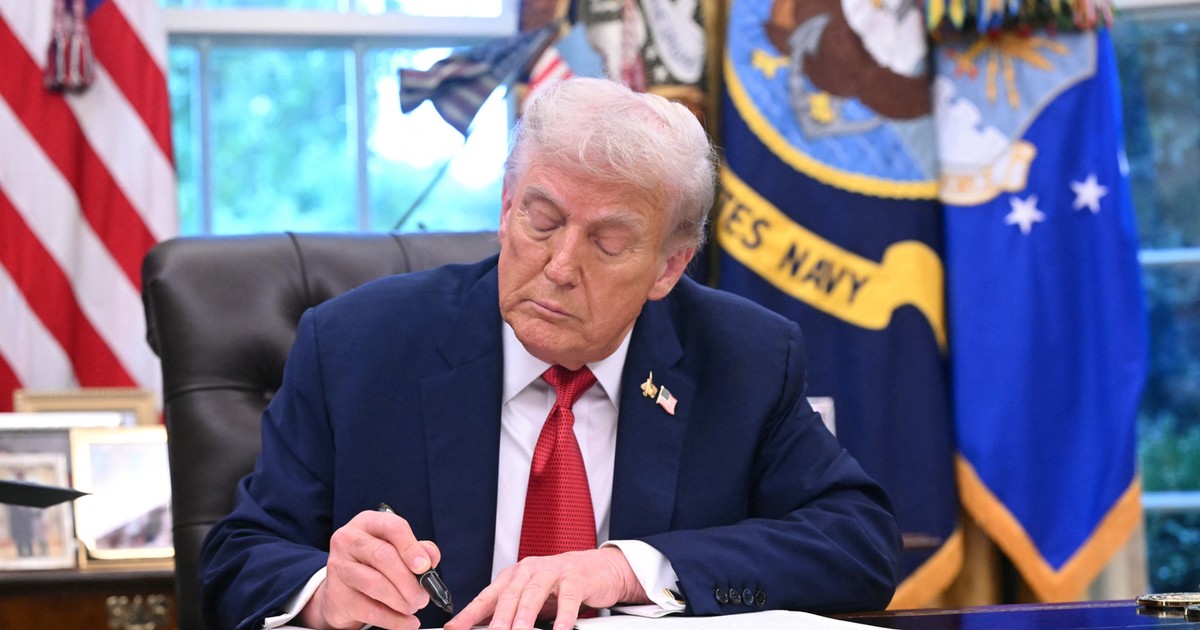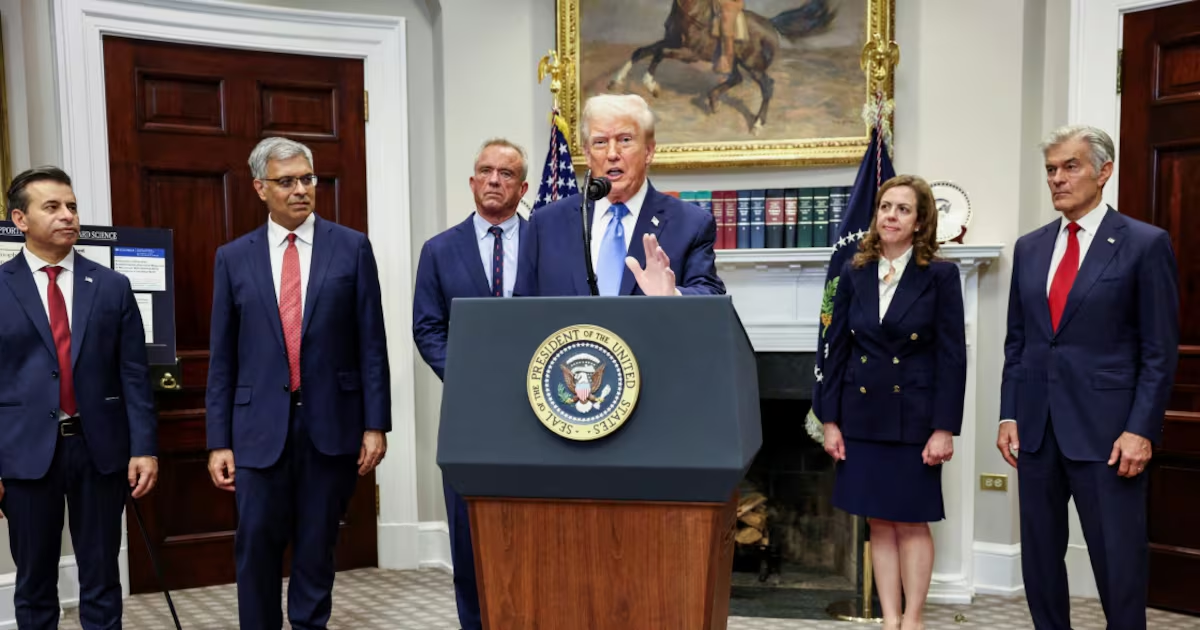
The US National Institutes of Health’s (NIH) surprise announcement last week that it is lifting the ban on funding South African research is good news. But it does not absolve the government of its duty to step up funding for local scientists. Developments of the past 18 months have illustrated all too well the risks of leaning too heavily on foreign assistance and how rapidly that support can unravel when a capricious leader takes the helm. When Donald Trump was inaugurated for a second term in early 2025, South Africa was the largest foreign beneficiary of awards from the NIH. This was not charity. South African scientists had for decades competed with their international counterparts for grants, and the scale of their awards was a reflection of their knowledge and skill. These grants helped South African scientists build centres for HIV and tuberculosis research at the forefront of work to develop new treatments and prevention tools that benefited the world.Trump’s return to power dealt South African researchers a double whammy. Not only did his administration wind down the US President’s Emergency Plan for Aids Relief (Pepfar), which had provided both programmatic support and research grants to countries hard hit by HIV/Aids, but he also issued a specific executive order to terminate all foreign aid and assistance to South Africa. Trump justified targeting South Africa on the basis of its criticism of Israel and widely discredited claims that its government was discriminating against white Afrikaners.Trump’s directives scrapped almost $450m that had been destined for South Africa, according to the SA Medical Research Council (MRC). The effects were far-reaching. Scientists were forced to halt trials that had been funded with Pepfar grants administered by the US Agency for International Development (USAID) and pause or terminate many NIH-supported projects. Some of the NIH projects have since resumed, but not all.NIH director Jay Bhattacharya’s decision to reverse the ban, which he rationalised on the grounds that NIH grants are not foreign aid, opens the way for South African researchers to once again compete for awards. But it comes with so many caveats, the relief is only partial.First, the successful applicants will have to demonstrate how their projects will directly benefit Americans. Second, South Africa will henceforth be excluded from the early career grants offered by the NIH’s Fogarty Centre, which has over the past 20 years played a crucial role in developing many of the country’s top scientists. And last, the NIH is itself in flux. The pace at which it approves new grants has slowed; it has implemented new screening tools to exclude projects it deems too woke, and it is introducing a new peer review scoring system. All of which will make it harder for new grant applications to make it through and continue to exclude projects that fall under the Trump administration’s definition of “diversity, equity and inclusivity”.These developments demand reflection on the government’s role in funding science. The MRC did a tremendous job last year in raising R400m in emergency funding from organisations such as the Gates Foundation and the Wellcome Trust, which the Treasury agreed to match. But that is not a long-term solution. The only way to truly buffer South African scientists from Trump’s whims — or those of any other chimeric leader — is for the government to commit to spending a greater share of its budget on research and development.
EDITORIAL | NIH funding reprieve should spur SA to invest more in science
Researchers face lingering restrictions as Pretoria weighs its commitment to science
564 words~3 min read