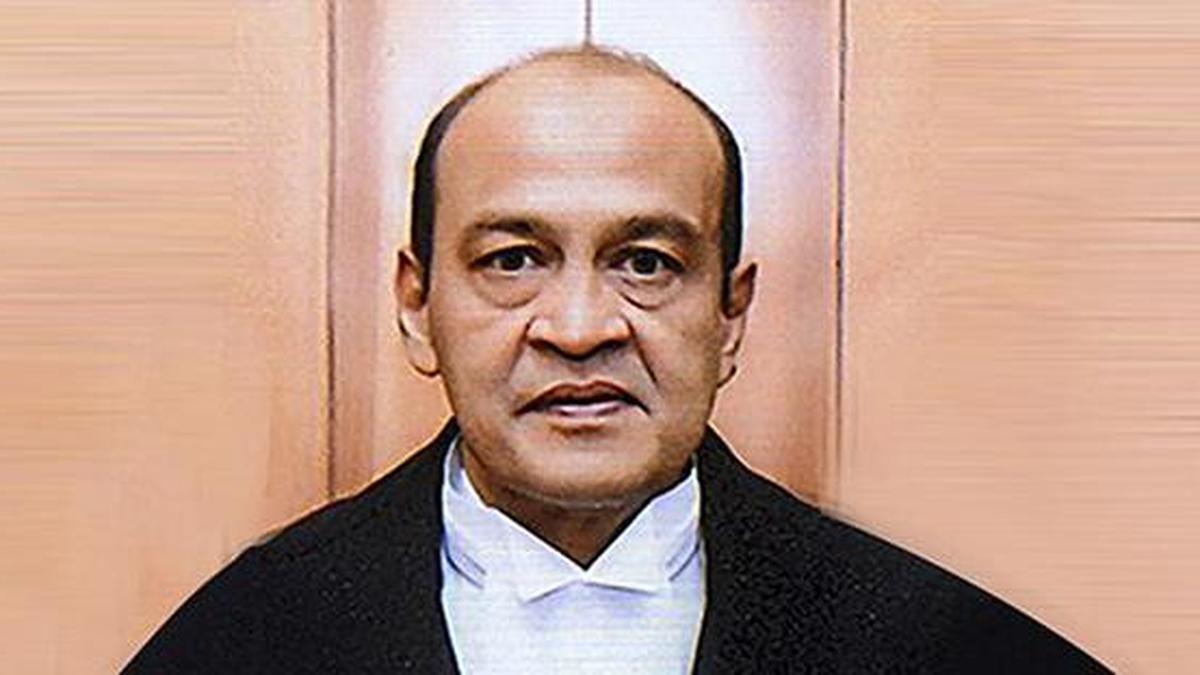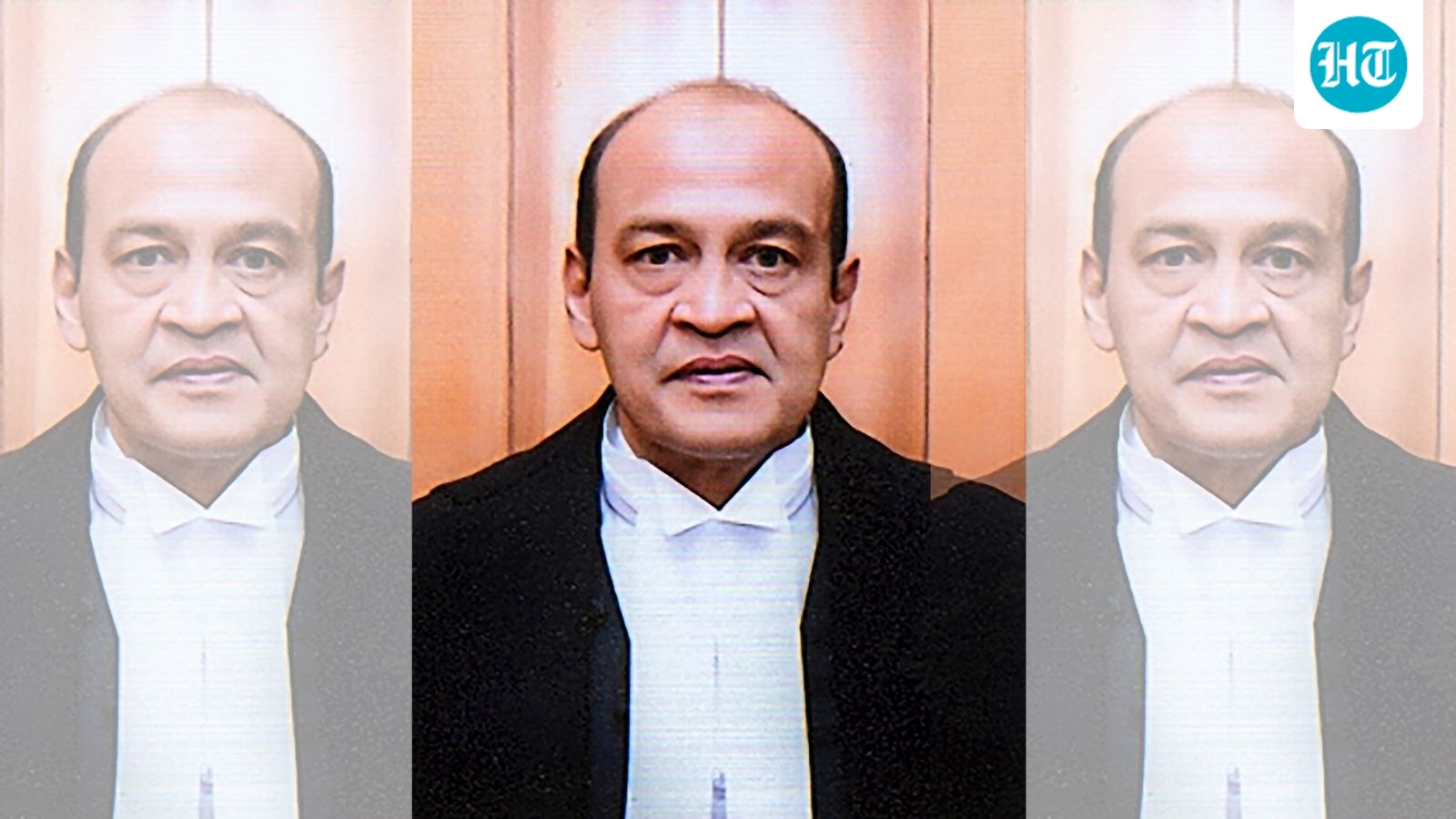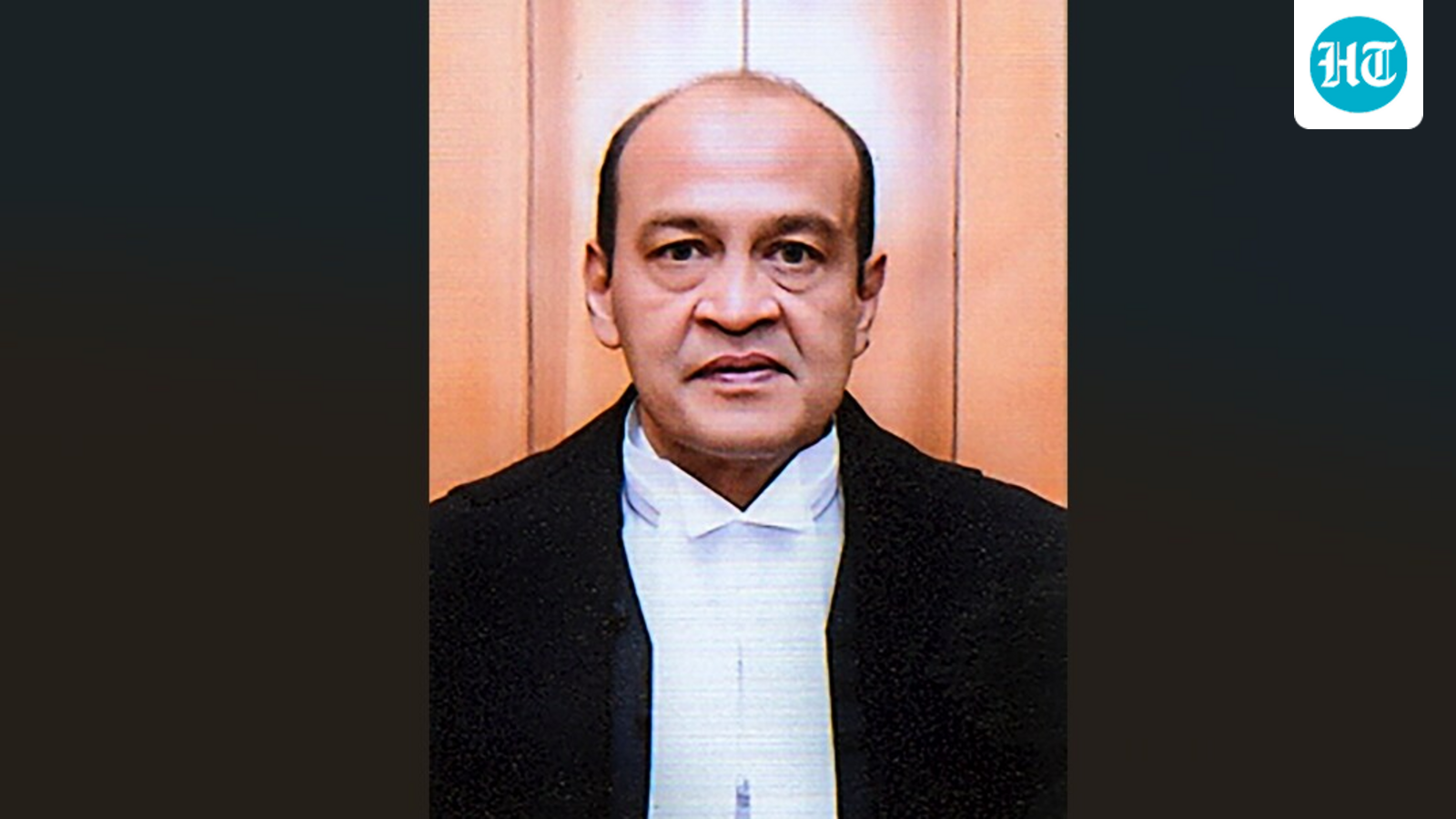
A three-member committee constituted by the Lok Sabha Speaker concluded earlier this month that the charges against Justice Yashwant Varma regarding allegations of corruption stood proved. After months of controversy, Justice Varma resigned this April. The initial public response to such an episode is to call for “transparency”.
Historically, there have been demands for mandatory public accounts disclosure for judges upon appointment. However, this is the wrong call to action. There are many ways to make the judiciary more transparent. Mandating prospective judges to disclose their assets to the public is not one of them.How rich or poor a judge is on the day they enter office has almost nothing to do with their judicial capabilities, their professional track record or their integrity. In fact, Justice Varma was among the few who did disclose his assets upon assuming office. Rather than such cosmetic demands, it is far more productive to build institutional methods that minimise conflicts of interest when a judge is in office, and that monitor post-appointment income patterns.
The immediate context
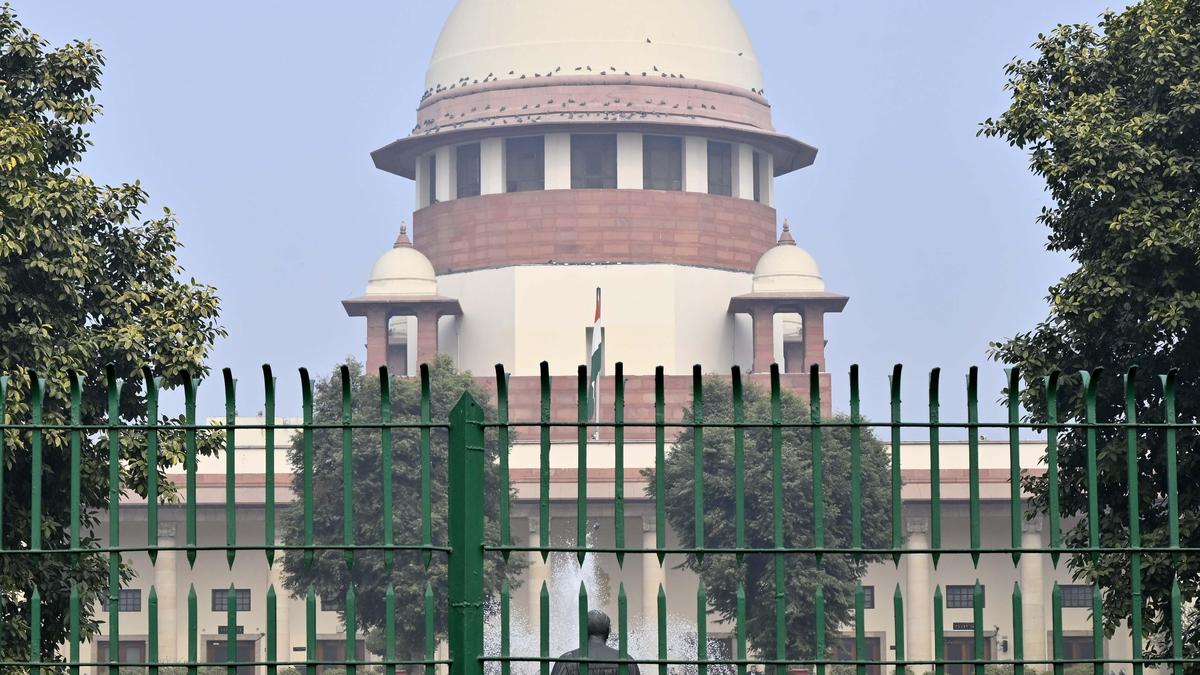
After a fire broke out at his official residence on the night of 14 March 2025, stacks of unaccounted cash were discovered in a storeroom at the Tughlak Crescent home of the then Delhi High Court judge. Sensitive to public perception, the apex court acted swiftly by hosting a live webpage on the court’s website that tracked the letter exchanges between Justice Varma and the chief justices of the Delhi High Court and the Supreme Court, the in-house inquiry reports, photographs and more. In parallel, more than 145 Lok Sabha members and over 50 Rajya Sabha members signed motions for his removal under Article 124(4) read with Article 217 and the Judges (Inquiry) Act, 1968. A Parliamentary committee constituted thereafter found him guilty.Since then, many have reflexively argued that the magic bullet for judicial corruption is judge asset declaration. It isn’t a new idea. In 1997, the Full Court of the Supreme Court adopted the Restatement of Values of Judicial Life — a sixteen-point code of judicial conduct — and, the same day, a companion resolution that every judge should declare their assets. This declaration was, nevertheless, optional. In 2009, though a Bill was placed in Parliament to write disclosure requirements into the law, it did not move ahead. As of 2025, only about 12 per cent of judges had declared their assets publicly. Beneath the careful legalese, every bit of the demand was subjective and open to non-compliance. A judge is to declare assets “within a reasonable time of assuming office (…) and thereafter whenever any acquisition of a substantial nature is made.”But what counts as “substantial”? What is “reasonable time”? What if the acquisition sits in a relative’s name? And, above all — what does a declaration at the time of appointment actually tell us about a judge?