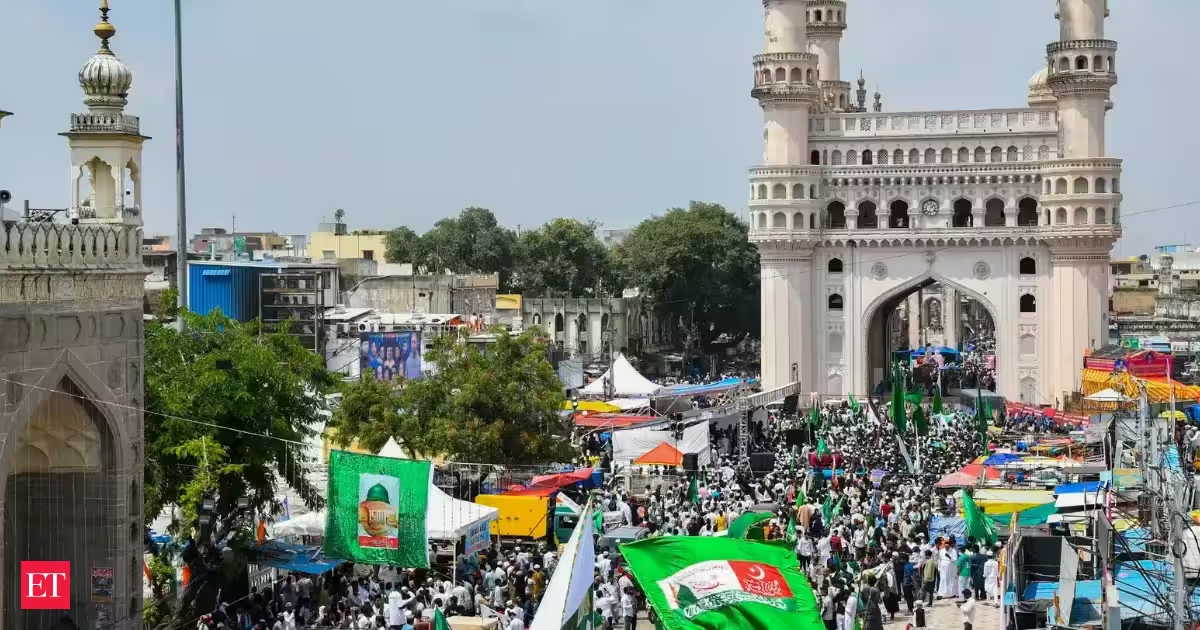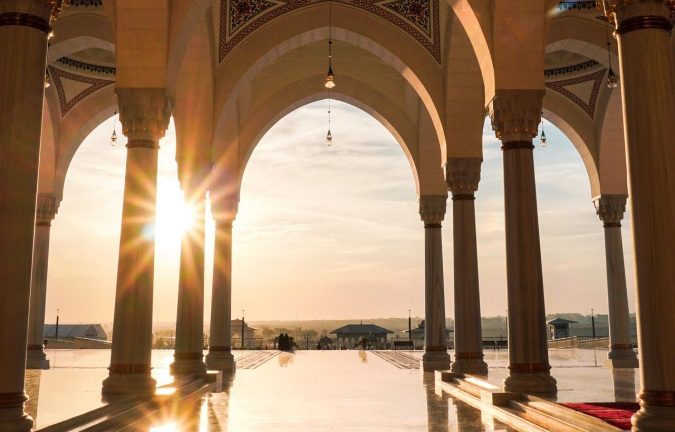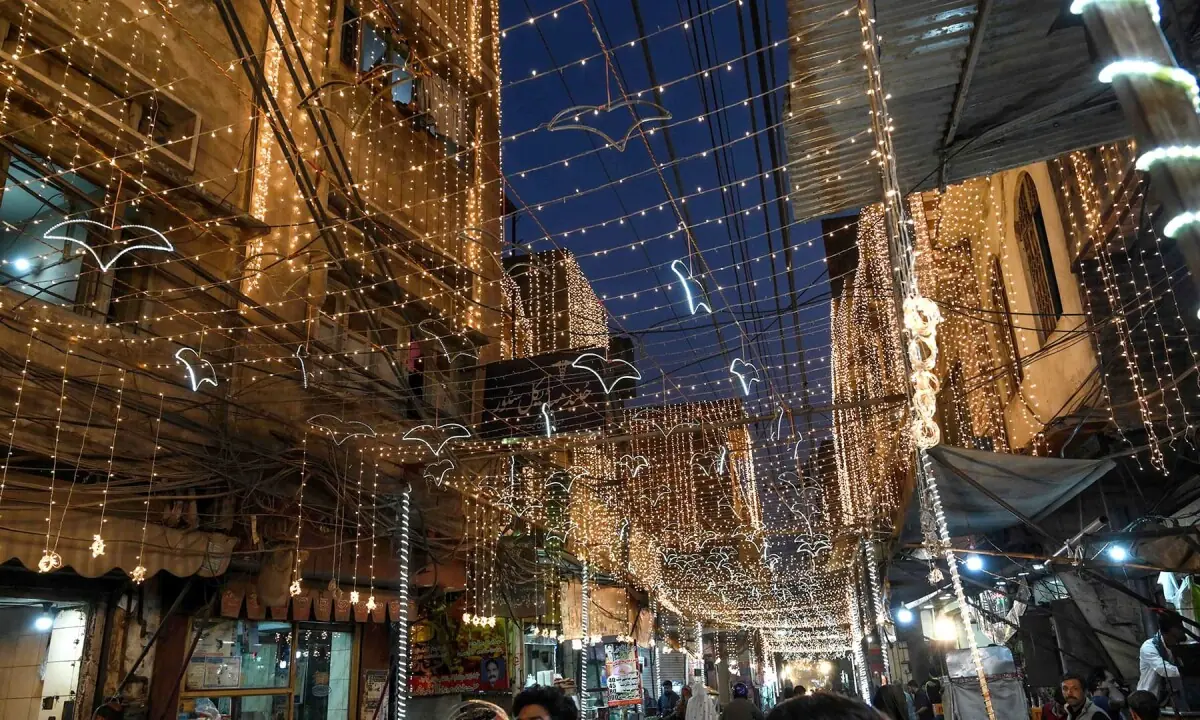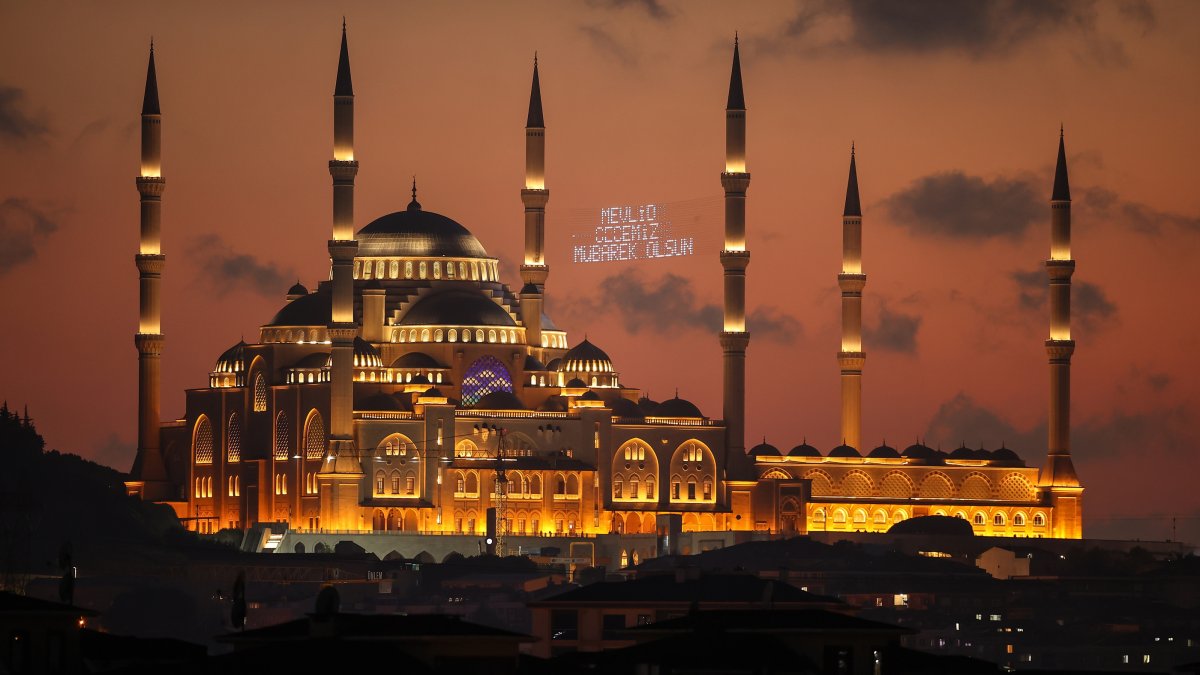
Milad-un-Nabi, also known as Mawlid al-Nawabi, marks the observance of the birth of the Islamic Prophet Muhammed. Celebrated on the 12th day of Rabi ’al-Awwal, the third month of the Islamic calendar, this occasion holds deep spiritual significance for millions of Muslims across the globe. The day serves primarily as a sacred time for reflection, gratitude and remembrance, said Syed Meeran.Rather than a grand, ostentatious holiday, Milad-un-Nabi is centered on honouring the life, teachings and noble character (Akhlaq) of Prophet Muhammed. Devotees gather in mosques, community centres and homes to listen to lectures detailing his life story, recite poetry in his praise (Nats or Mawlid compositions) and readings from the Koran.Central to the celebration is the message of universal peace, compassion and charity. Prophet Muhammed is regarded in Islam as Rahmatan lil-Aalamin (a mercy to the worlds) and the observance emphasises his legacy of kindness towards the poor, social justice, forgiveness and community service. Across many traditions, communities prepare elaborate feasts, distribute food to the less fortunate and organise charitable drives to honour his altruistic spirit.Public processions illuminated streets. And beautifully decorated mosques are common features of the day in countries such as Pakistan, Egypt, Turkey, and across South Asia. However, the exact manner of commemoration varies across Islamic traditions —ranging from elaborate public festivities to quiet personal prayer and voluntary fasting. Emulating the Prophet’s concern for the vulnerable families and feeding them is a core aspect on this day.Ultimately, Milad-un-Nabi is more than a historical commemoration. It acts as an annual renewal of faith, encouraging believers to embody the Prophet’s virtues — honesty, humility, patience and love — in their daily lives, strengthening social harmony and spiritual growth. Published - August 25, 2026 05:16 am IST
Related reading
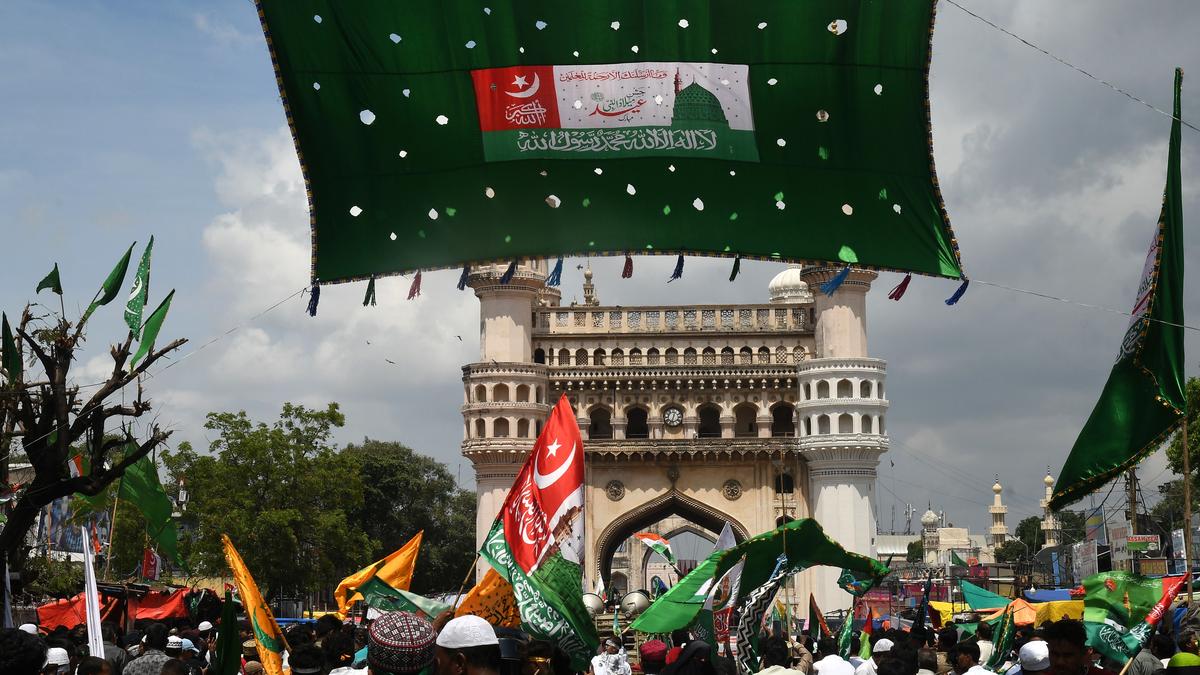
Across dynasties and decades, Milad-un-Nabi threads faith, festivity and service
Hyderabad gears up for Prophet Muhammed's 1,500th birth anniversary with traditional celebrations and year-long programmes.

Milad-un-Nabi celebrated
Milad-un-Nabi celebrated in Madurai with prayers, sweets, and charity for Prophet Muhammad's birth anniversary.
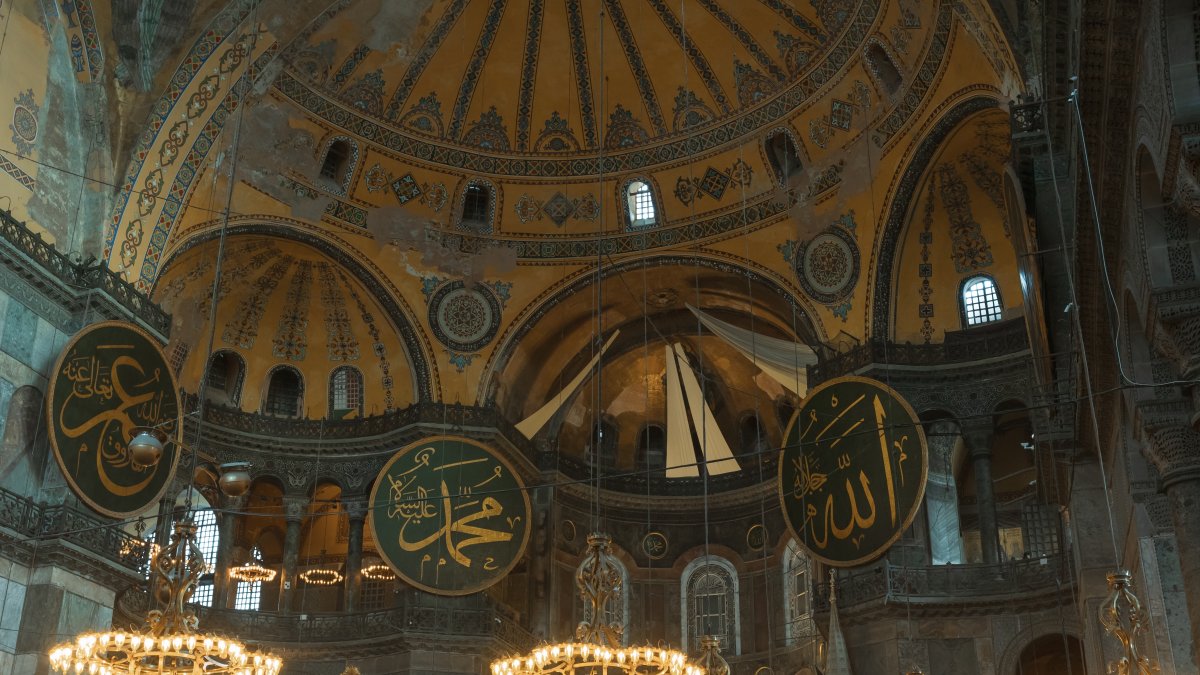
Türkiye prepares for Mawlid al-Nabi with focus on good morality
Türkiye’s Presidency of Religious Affairs organizes events during Mawlid al-Nabi Week, highlighting the Prophet’s teachings on…
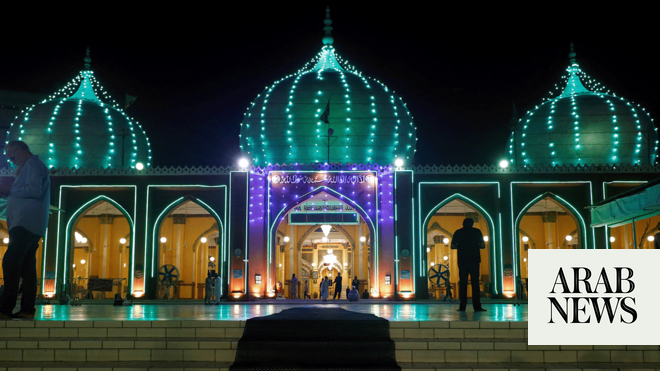
Pakistan launches celebrations for Prophet’s birth anniversary with focus on…
ISLAMABAD: Pakistan on Tuesday began nationwide celebrations to mark the birth anniversary of the Prophet Muhammad (peace be upon…

Governor extends Milad-un-Nabi greetings
Governor S. Abdul Nazeer shares Milad-un-Nabi greetings, highlighting the Prophet’s teachings of love, compassion, and unity.
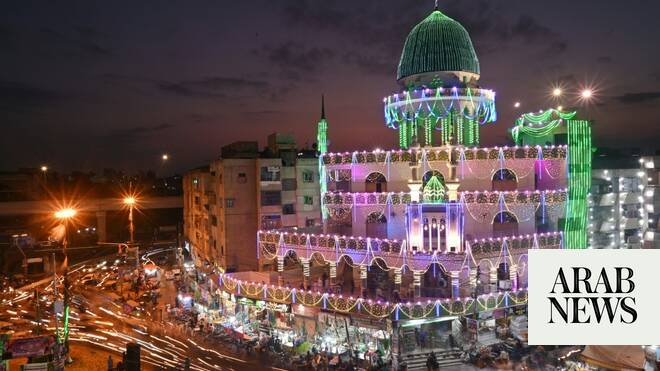
Rabi Al-Awwal moon not sighted, Pakistan to mark Eid Milad-un-Nabi on Sept. 6
ISLAMABAD: The crescent for the Islamic month of Rabi Al-Awwal could not be sighted in Pakistan, the religious affairs ministry…