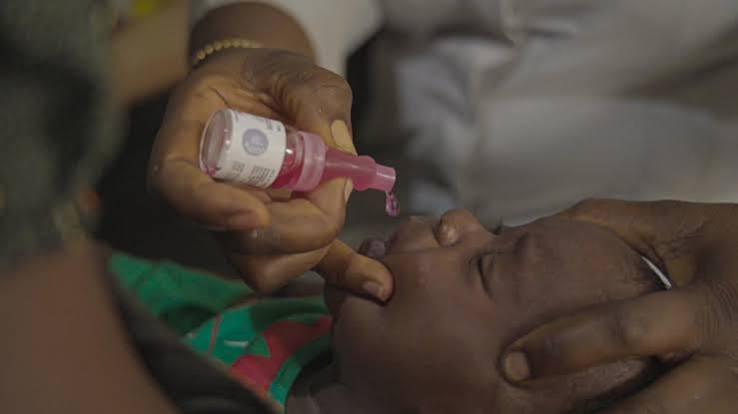
Nigeria must move beyond campaign-style vaccination towards routine protection, argues
Nigeria’s routine immunisation story presents a troubling contradiction: vaccines remain available and services continue, yet too many children lack full protection. Between 2023 and 2025, DTP3 coverage held at roughly 62–63 per cent, below the 90 per cent national target, while measles coverage remained weak, particularly for the second dose. The system is functioning, but progress has stalled.
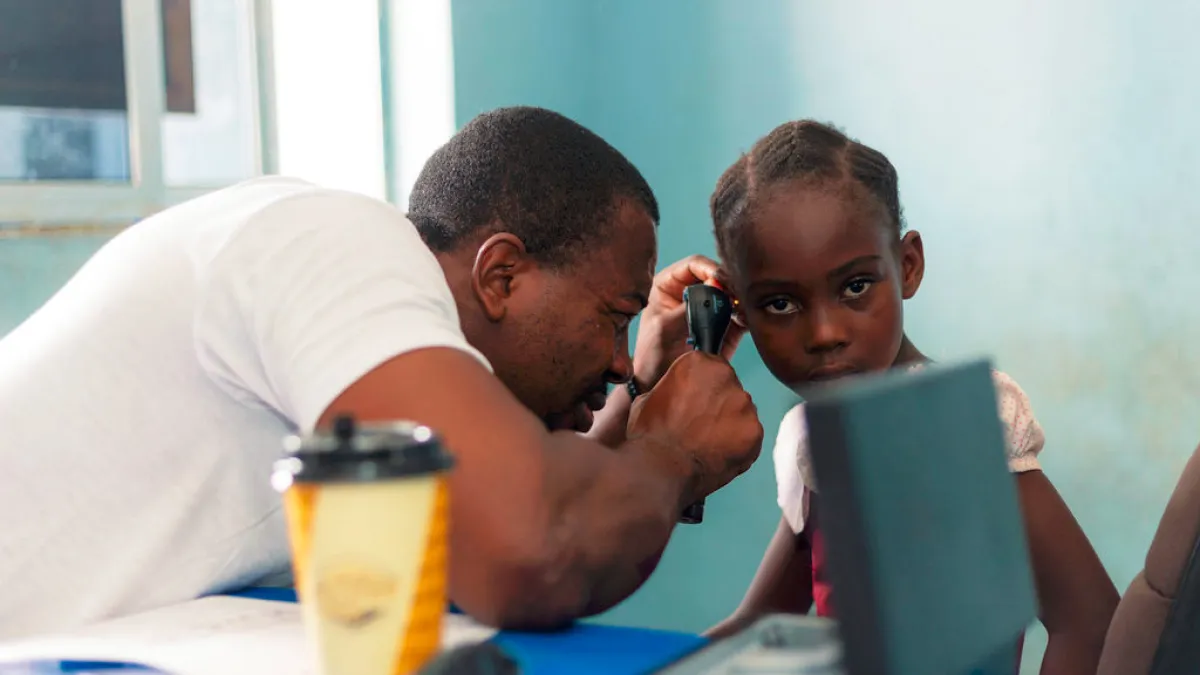
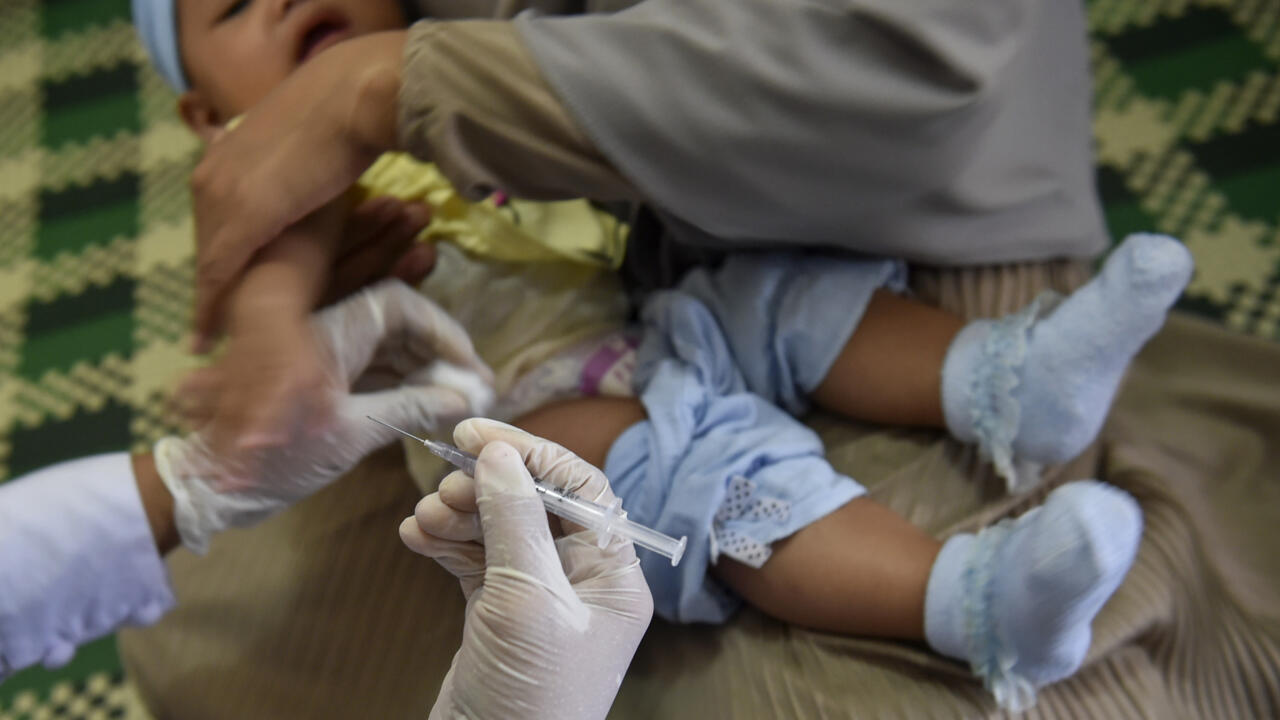
That matters because immunisation tests whether primary healthcare works. A dependable health system should prevent disease before families are forced into treatment. When a child is fully immunised, the system has acted early. When that child is missed, the consequences can include illness, maiming, hospital admission, lost household income and avoidable death.
“Prevention is better than cure” is more than a slogan. Treating complications of measles, meningitis, whooping cough, polio and other vaccine-preventable diseases costs more than preventing them. Vaccination protects family income, reduces pressure on hospitals and preserves childhood development.
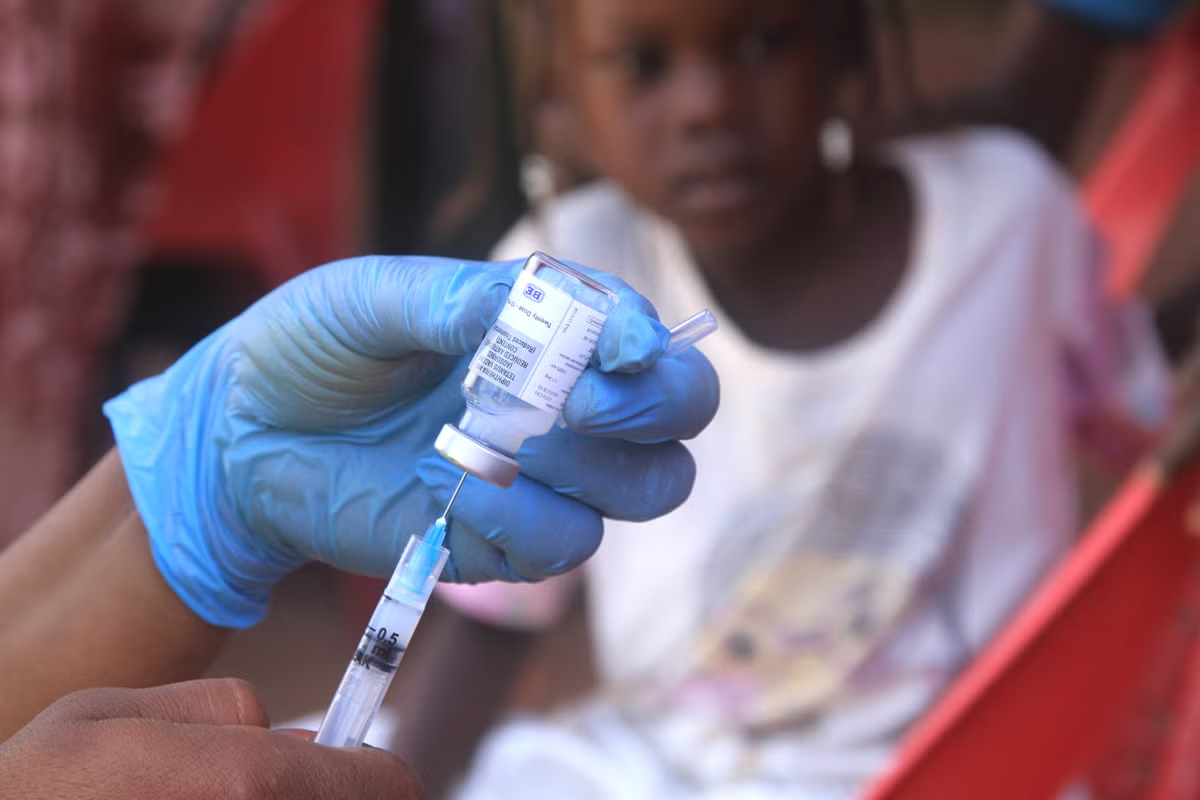
The evidence shows that vaccine supply does not equal vaccine coverage. Trade records reviewed for this article show vaccine imports in 2025, including measles, yellow fever, polio and tetanus-diphtheria vaccines, as well as syringes supplied through UNICEF. Commodities were moving, but a vaccine delivered to a warehouse does not protect a child.