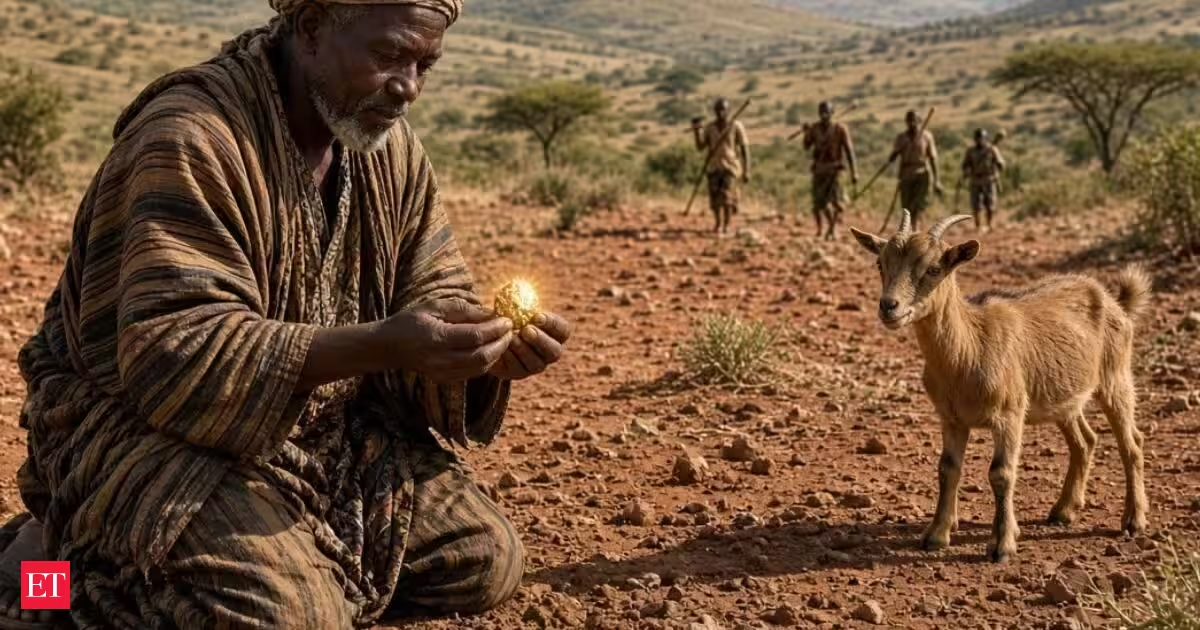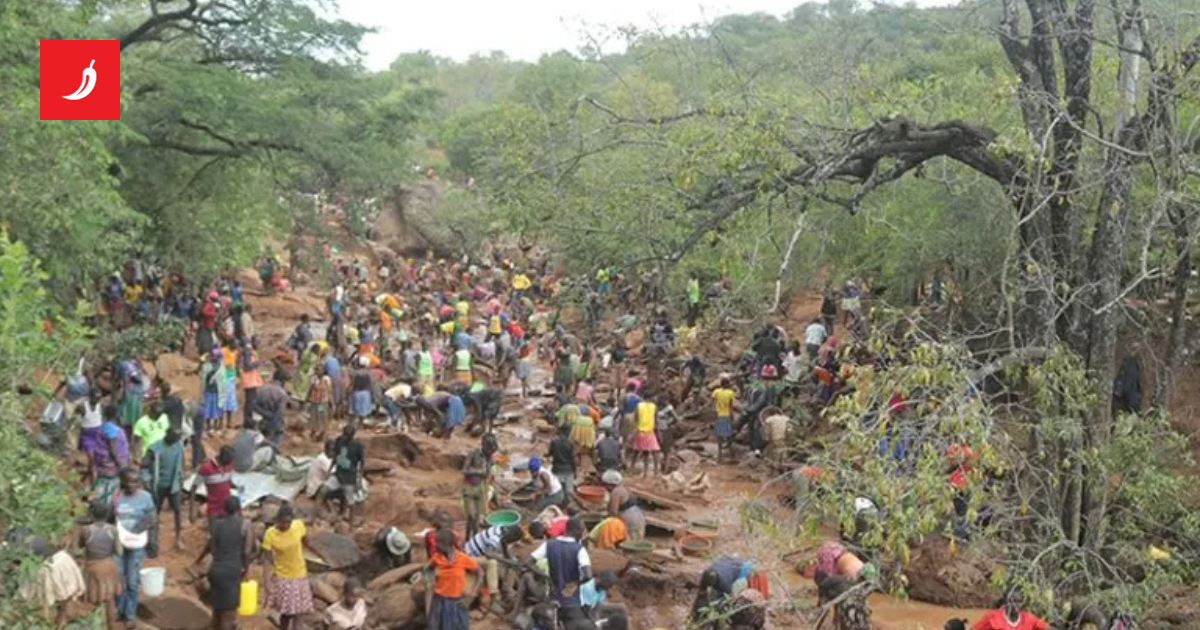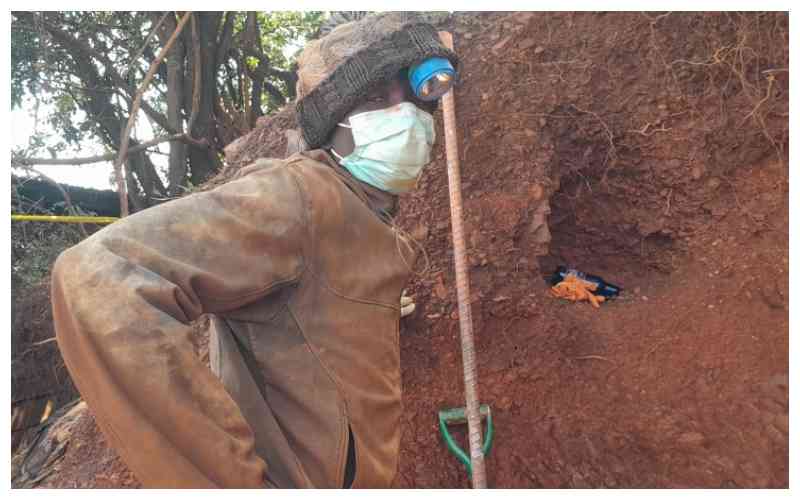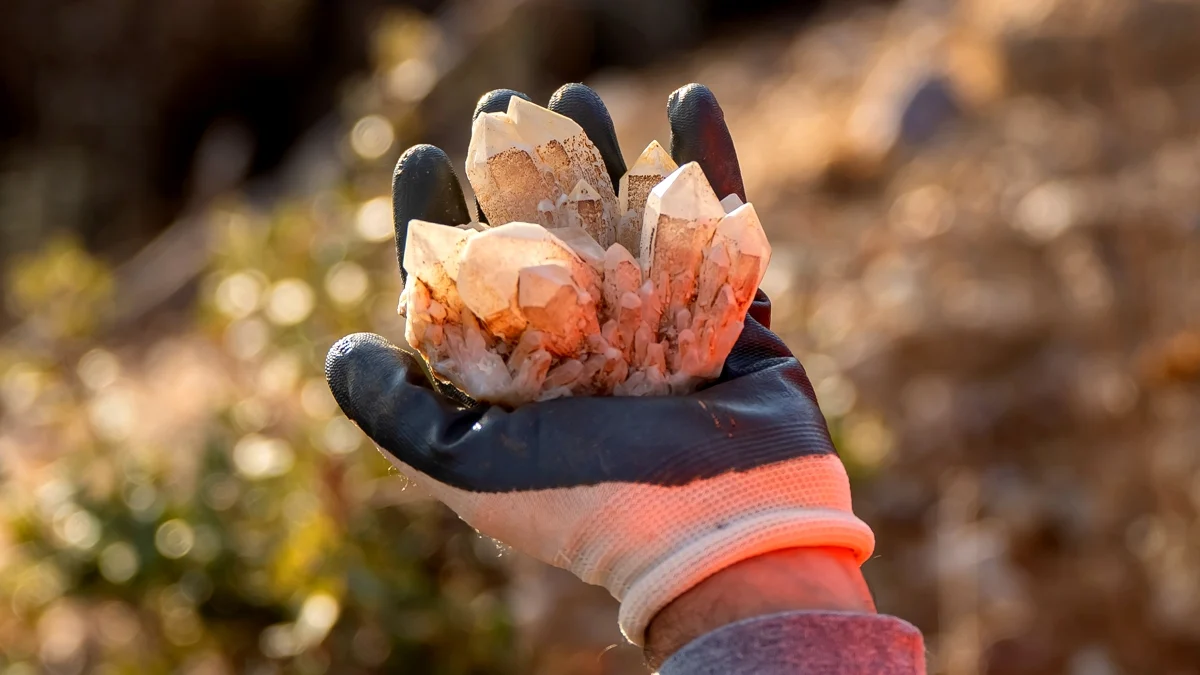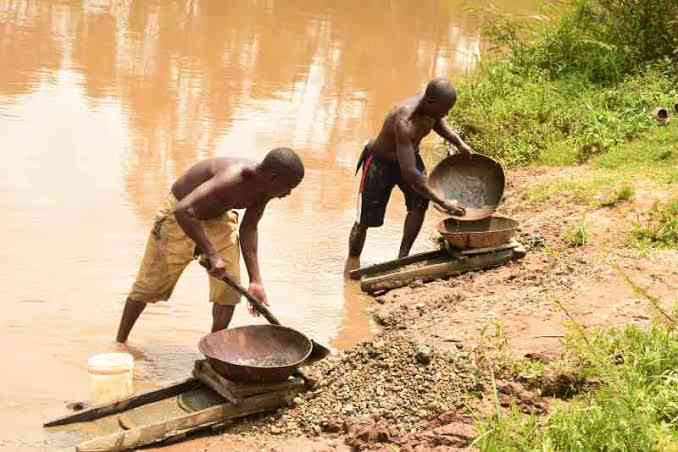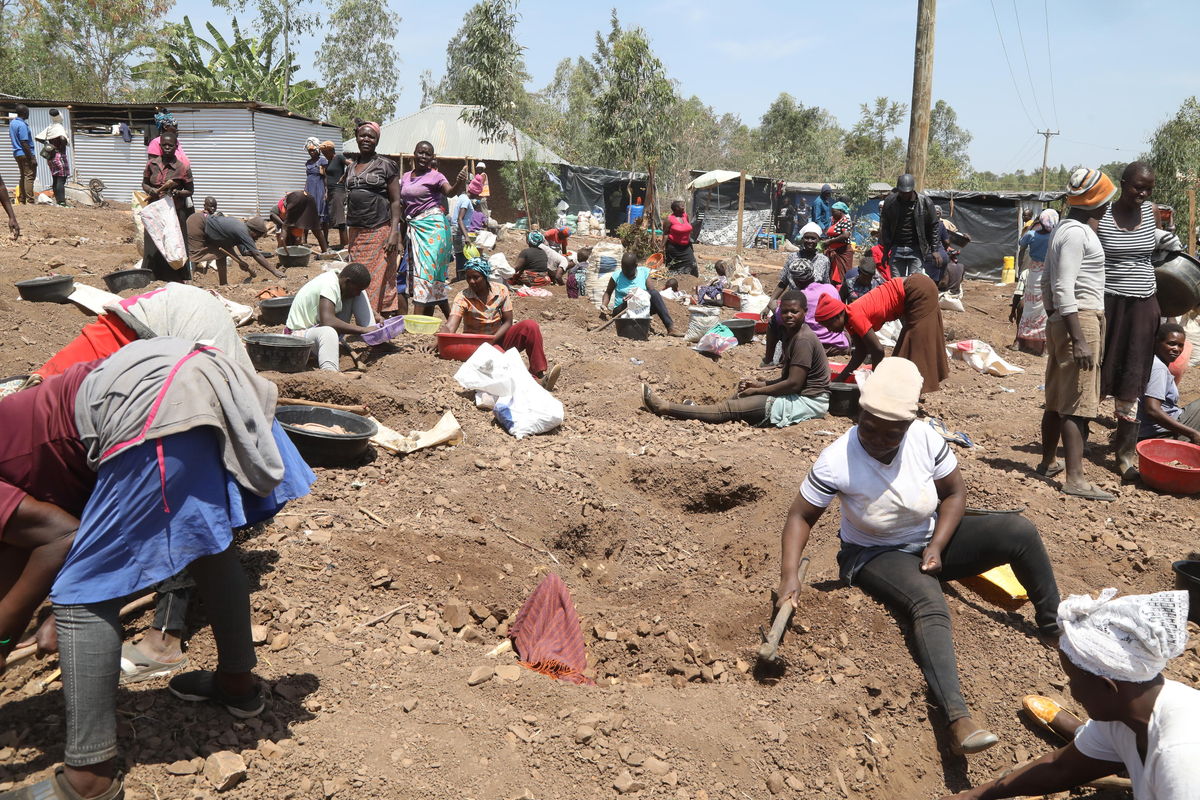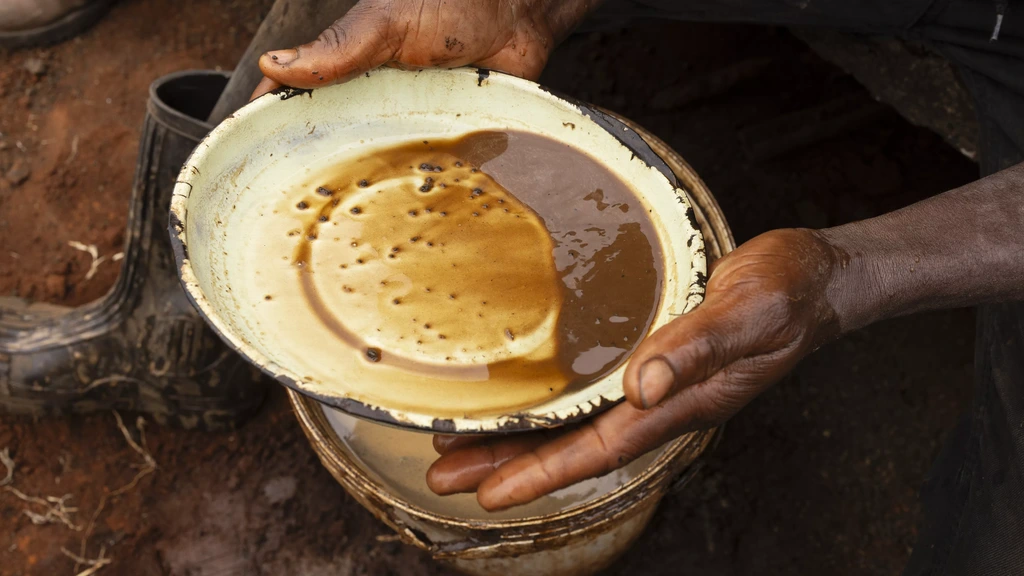
PC: BBCManasse Lomachar was looking for a missing goat when he wandered towards a seasonal riverbed near Cheporor in western Kenya. What he encountered there was not what he had expected. A group of women were washing mud and sand, carefully searching the sediment for tiny traces of gold. Lomachar joined them and soon found some himself. As reported by the BBC, a few weeks later, he had sold three grams for 36,000 Kenyan shillings, about $280. The find helped turn a little-known stretch of grazing land into the centre of a sudden gold rush. Thousands of people travelled to the remote area after stories of larger discoveries began circulating.Local officials estimate that as many as 10,000 prospectors arrived at the height of the rush, although only about 2,500 are now believed to remain. The scale of the gold deposit, however, is still unknown.Kenya gold rush began after a goat herder found natural gold worth $280Lomachar was not looking for precious metals when he came across the riverbed. He had been trying to find one of his goats when he encountered women washing sediment and sifting through the river deposits for traces of gold.He joined them and eventually found a small quantity himself. The discovery was enough to change how people viewed the otherwise unremarkable stretch of land. Gold panning was not entirely new to the area. Women had been recovering small amounts of alluvial gold from the seasonal river for years, according to local officials. The earnings were generally modest, with some miners making the equivalent of only a few dollars a week.Lomachar's find was different in one important respect: he managed to sell three grams for 36,000 shillings. That figure became part of the story that spread through surrounding communities.Rumours brought thousands of people to ChepororThe exact event that triggered the rush is difficult to pin down. Local authorities say there were at least two sizable discoveries around the beginning of August, including one reportedly made by young men and another by women searching nearby.As word moved from one person to another, the reported quantities appear to have grown in the retelling. People began arriving from other parts of Kenya and across the nearby Ugandan border, hoping that they too might uncover something valuable.At the height of the rush, local officials estimated that roughly 10,000 people had gathered around the site. The number has since fallen considerably, to around 2,500 as some prospectors have abandoned the search.For people dependent on uncertain farming and herding incomes, even a relatively small gold find can represent a significant sum. School fees are a particular concern for several of those who arrived.PC: BBCKenya gold rush draws parents and young people hoping to fund educationPatrick Lokolia, a farmer and herder from nearby Napawoi, travelled to the site hoping to raise money for his children’s education. He had struggled with school fees and saw the gold workings as a possible source of extra income.For 18-year-old Abigael Chelengat, the motivation was similar. She had never mined before travelling to Cheporor from a neighbouring district. Her hope was to find enough gold to help pay for her own education and support the schooling of her younger siblings.The work itself is basic and physically demanding. People break apart the hard ground with hoes and shovels, then carry the excavated material towards the seasonal river. There, sediment is washed and sifted in bowls in the hope that a small glint will remain.More experienced miners have gone further underground, cutting deeper pits and working around rocks beneath the surface.Kenya gold rush: How much gold is really undergroundThere is little dispute among local authorities that gold has been recovered at Cheporor. What remains unclear is how much is actually present beneath the ground and whether the deposit could support anything resembling a commercially viable mining operation.Some miners have recovered material worth only a few hundred Kenyan shillings, while another discovery was said to be worth around 78,000 shillings, or about $600. Several truckloads of excavated material have already been taken to Ortum for processing. Officials are waiting to see what the results reveal.Gold rumours send Ugandan miners travelling to remote KenyaWest Pokot lies close to Uganda, and people on either side of the border have long-standing family and social connections. News of the gold therefore travelled beyond Kenya relatively quickly.Mugisha Godfrey, an artisanal miner from Busia in eastern Uganda, made the journey after hearing about the discovery from a friend. He spent around 100,000 Ugandan shillings, about $27, simply getting to the site."We sleep under the trees, and when morning comes, we continue working. Sometimes we work both day and night," Godfrey said.The willingness to remain despite finding nothing illustrates how strongly the early reports have influenced expectations. People who have already spent money travelling to Cheporor may feel they have little reason to leave before testing their luck further.More than 200 businesses emerge around Kenya’s sudden gold rushThe influx has changed more than the landscape. More than 200 businesses have reportedly appeared around the workings, supplying the sudden population with food, drinks, water and other necessities.Irene Ameja travelled from neighbouring Baringo County to sell bottled water, soft drinks, bread, milk and other food. Her calculation is straightforward: if the miners are making money, people supplying them may also be able to earn enough to improve their own businesses.But the settlement has developed faster than basic services can keep up.There is no piped water at the site, sanitation is limited and people are sleeping wherever they can find space. Ameja described the surrounding area as forested and mountainous, with few facilities for people who have arrived without preparation.For women staying at the site, the lack of secure accommodation becomes a particular concern after dark. Authorities have increased security patrols amid worries about sexual violence and the safety of women and girls.Officials are concerned about children and healthThe sudden population increase has also placed pressure on local public services. Health officials have been sent to monitor conditions and reduce the risk of disease outbreaks in a settlement where water and sanitation are already limited.Schools present another concern. As the new term approaches in September, authorities want children who have been drawn to the mining area to return to their classrooms rather than remain at the site.There are fears that the prospect of quick earnings could encourage some young people to continue working in the pits.At the same time, the miners who remain are moving into deeper ground. As easily accessible material becomes harder to find, excavation is becoming more intensive, with people cutting further into the earth in search of another worthwhile piece.
A goat herder searching for his missing animal uncovers gold worth $280 in Kenya; now 10,000 prospectors have arrived chasing the same discovery
Manasse Lomachar was looking for a missing goat when he wandered towards a seasonal riverbed near Cheporor in western Kenya. What he encountered there was not what he had expected.
1,102 words~5 min read