6 min
read
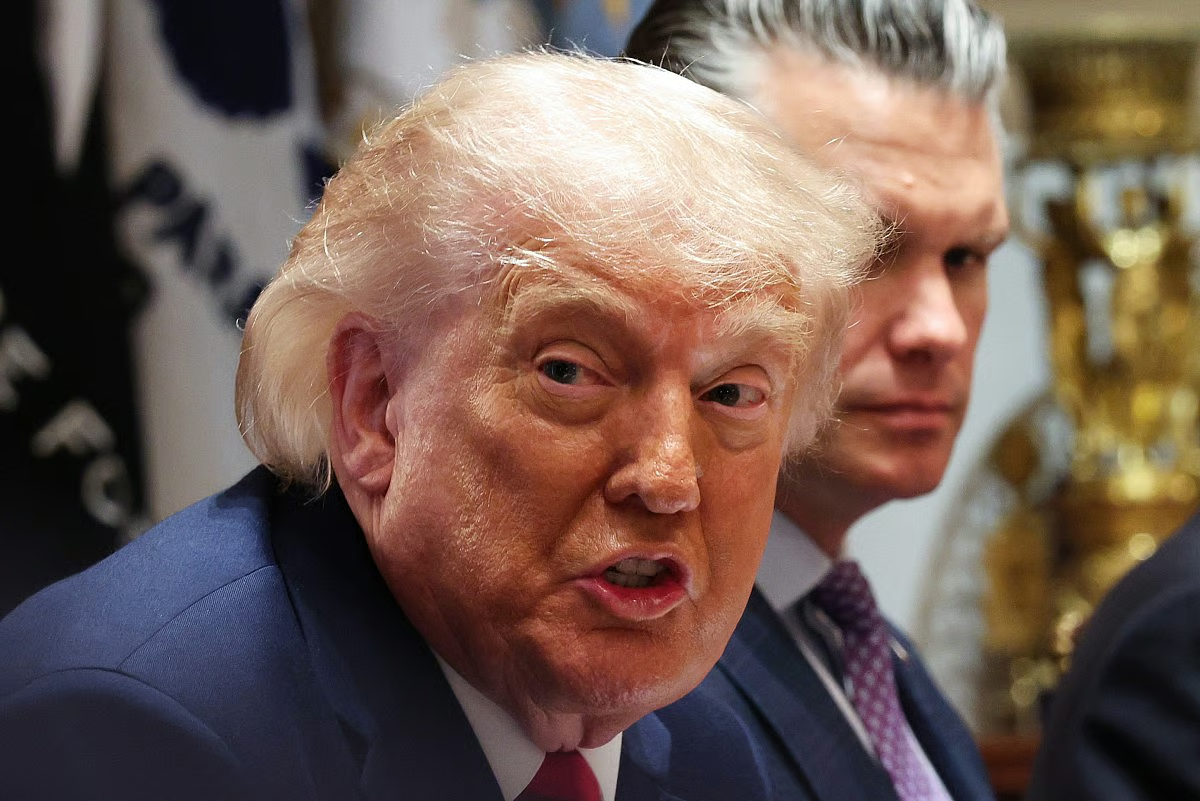
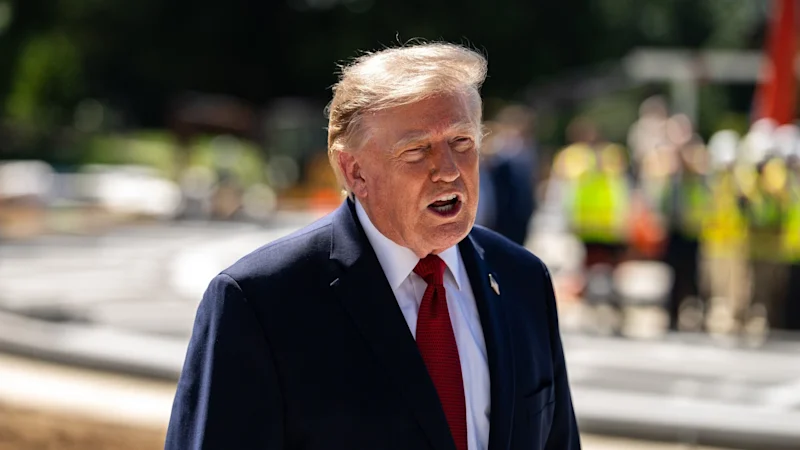
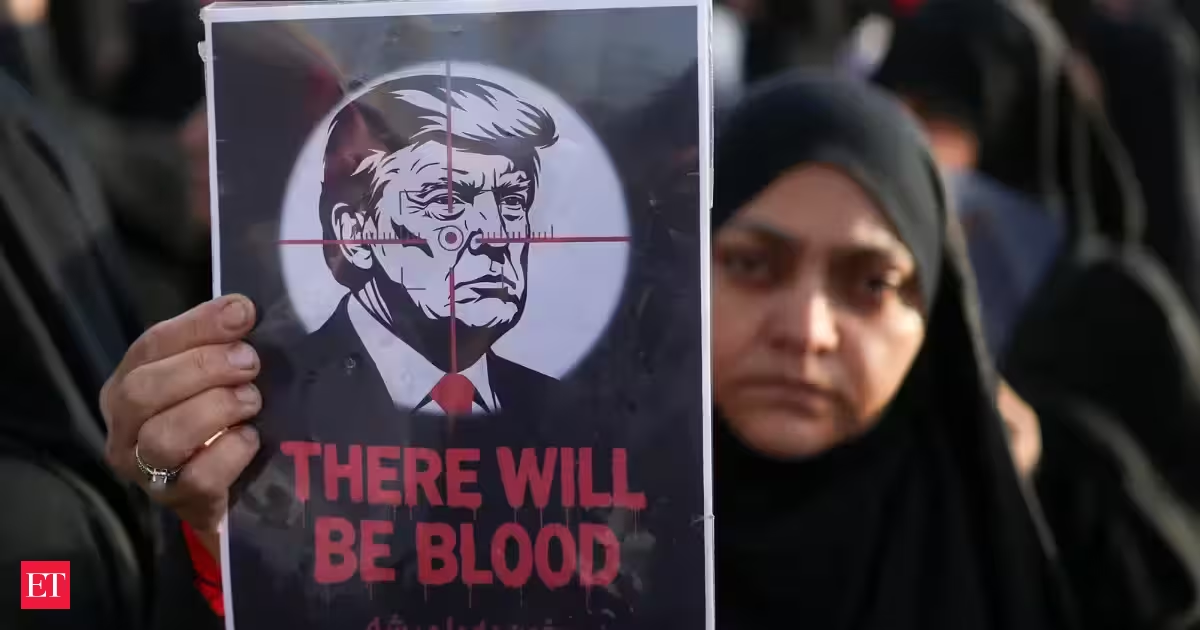
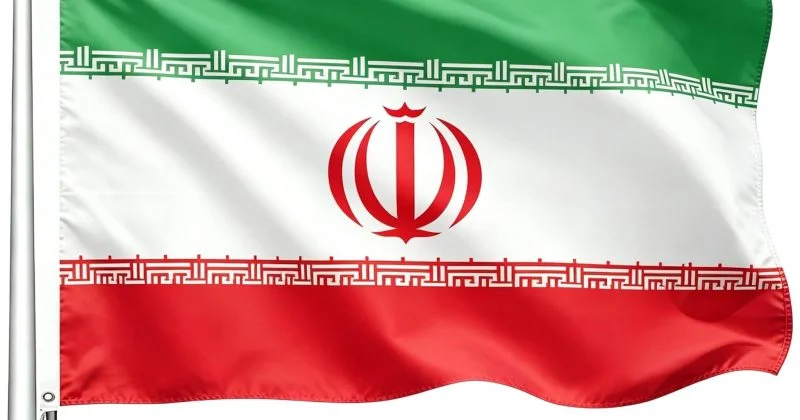
The Trump administration’s approach to Iran has entered a new phase. After months of direct military confrontation that began with US and Israeli strikes in late February 2026, President Donald Trump has pivoted to what he terms an “Economic D-Day.” In mid-August 2026, Trump announced unprecedented sanctions targeting not only Tehran but any country whose financial institutions, businesses, airports, or government entities provide a lifeline to Iran.For all the latest headlines, follow our Google News channel online or via the app.“Oil smuggling, swap lines, cash transfers, exchange houses, ship registries, front companies – it all needs to stop NOW,” he declared on Truth Social, framing the campaign as “the most crushing economic operation ever taken against any country” and calling for allies to isolate the Iranian regime.This shift reflects several hard realities. Further large-scale military action appeared unlikely to fundamentally alter the Iranian government’s structure or force total surrender. The human and material costs of sustained kinetic operations proved high, with US weapons stockpiles strained as the conflict neared its six-month mark. Domestic political support in the United States for prolonged overseas conflict remains limited, especially with midterm elections approaching and public fatigue evident.Elevated energy prices have also weighed on American consumers and the broader economy. Drawing on historical lessons – most notably the long, costly entanglement in Vietnam – Washington has chosen economic isolation over indefinite battlefield escalation. Treasury Secretary Scott Bessent has underscored the goal of collapsing the regime’s ability to project power through secondary sanctions that pressure third parties dealing with Iran.