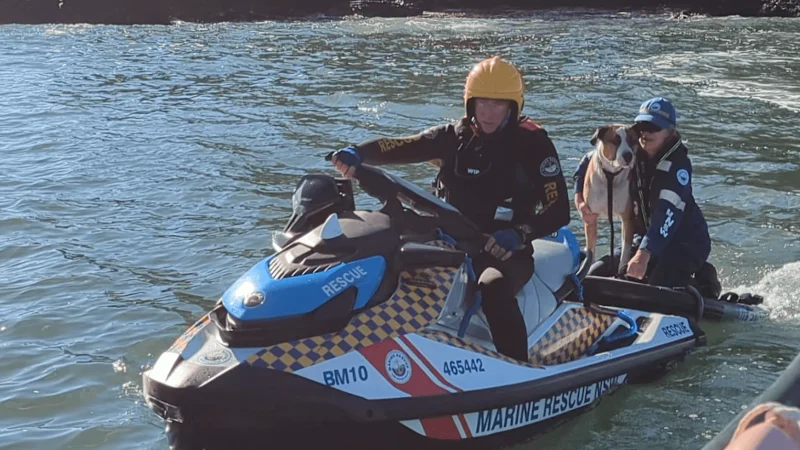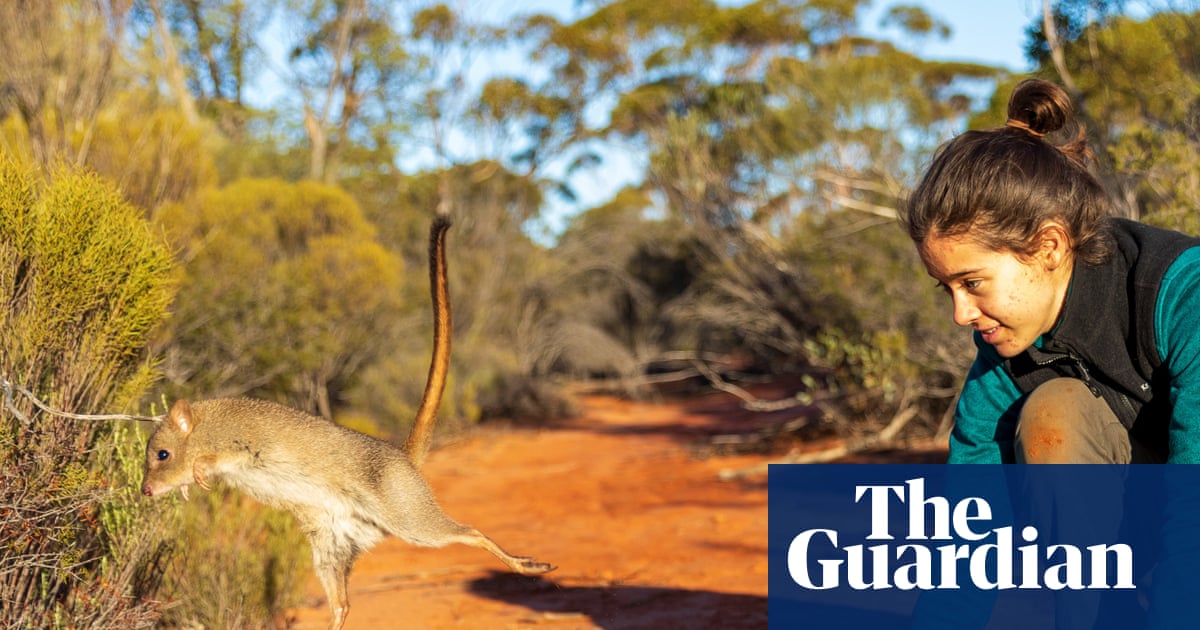
While emergency responders prioritized human life and property during Australia’s 2019-2020 Black Summer bushfires, there were few systems in place to protect wildlife or evacuate and care for domestic animals during and after the fires, exposing a gap in disaster planning.Neighbors, wildlife carers, veterinarians, landholders and volunteers rapidly organized evacuations, rescue efforts, feeding stations and supply networks, demonstrating the power of local knowledge and grassroots coordination.Fire ecology research suggests animals may be more vulnerable to fire than previously understood, and more research is needed to understand wildlife mortality and survival during and post-bushfire.Experts say that community-led efforts could dramatically improve outcomes for both people and animals during disasters with better funding, coordination and institutional support. Community networks offer a blueprint for the future as bushfires become more frequent in a climate-changed world.
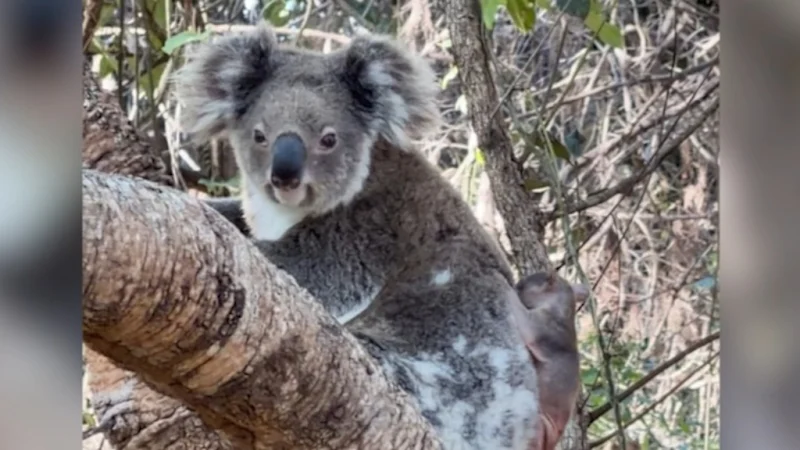
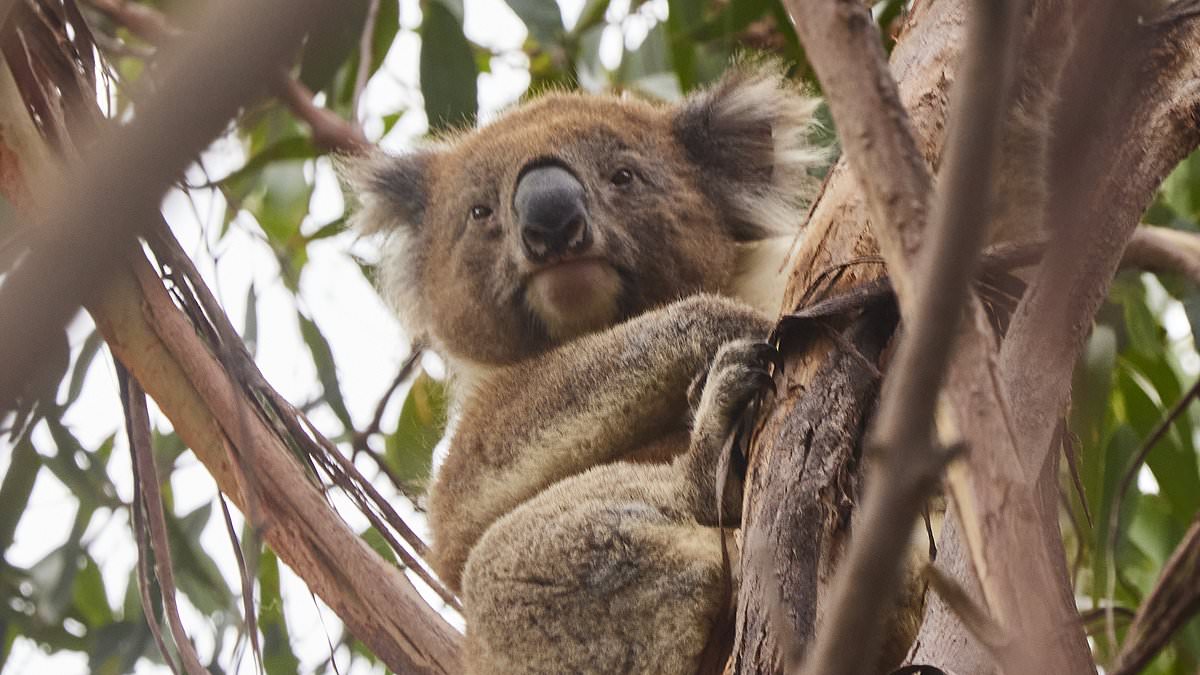
NEW SOUTH WALES, Australia — A wallaby with a joey tucked into her pouch grazes beneath towering eucalyptus trees. Black cockatoos wheel overhead, their wailing calls echoing across the green hills of Vanessa Hartley’s property on the South Coast of New South Wales in Australia. A kangaroo bounces away, seeking better forage. The russet and golden horses that wander nearby are used to the wildlife: They ignore the bounding animals and the bird cries.