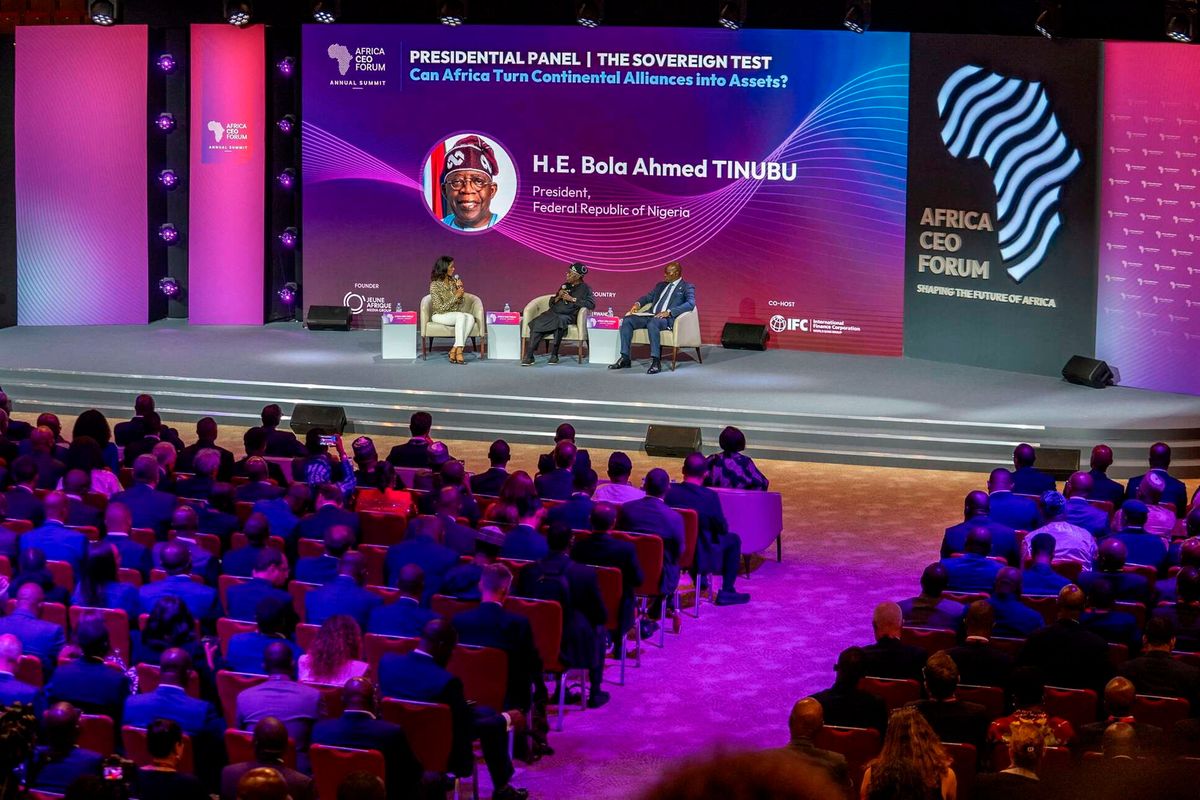
Africa enters 2026 as governments and businesses reassess how growth will be financed, produced and connected to global markets. The global trading system is undergoing profound change as United States tariff policy evolves and the African Growth and Opportunity Act approaches expiry. At the same time, global capital has become more selective and advances in cloud computing, artificial intelligence and digital infrastructure are changing the foundations of competitiveness. These shifts are bringing trade, finance and technology into the same strategic conversation: how can Africa turn a changing global order into durable economic progress?
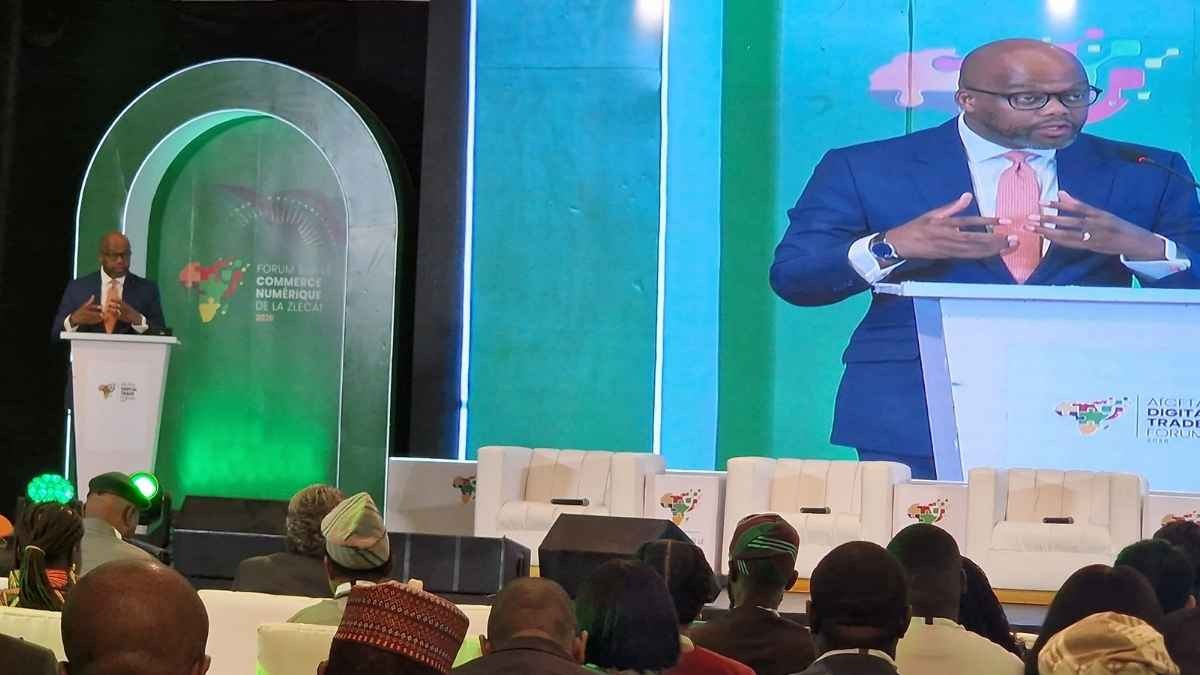
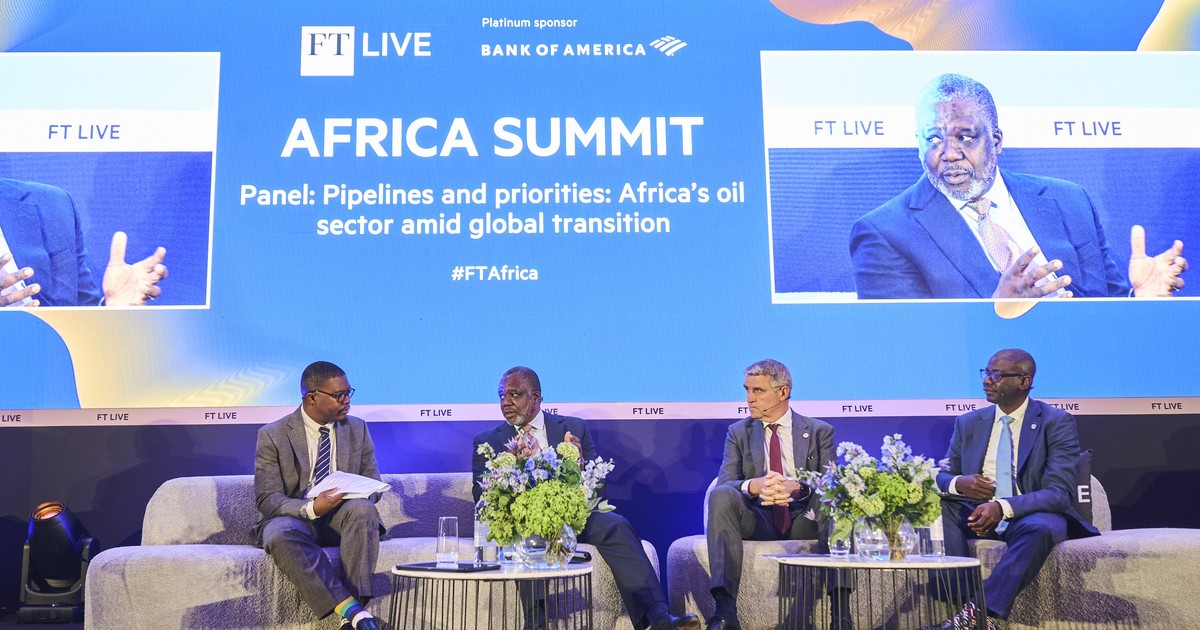
Trade is central to that question. African governments and businesses are strengthening commercial ties with the Gulf, China and India, while placing greater emphasis on regional demand and intra-African commerce. The African Continental Free Trade Area provides a framework for larger regional supply chains, but progress will depend on efficient customs systems, stronger transport links, aligned regulation and payment infrastructure that allows goods, services and capital to move more easily across borders. This realignment also strengthens the case for domestic manufacturing and value addition. Côte d’Ivoire’s focus on agro-industrialisation, energy and private sector investment illustrates the potential of this approach, while Aliko Dangote’s participation at the summit brings the perspective of an African business leader operating at industrial scale.