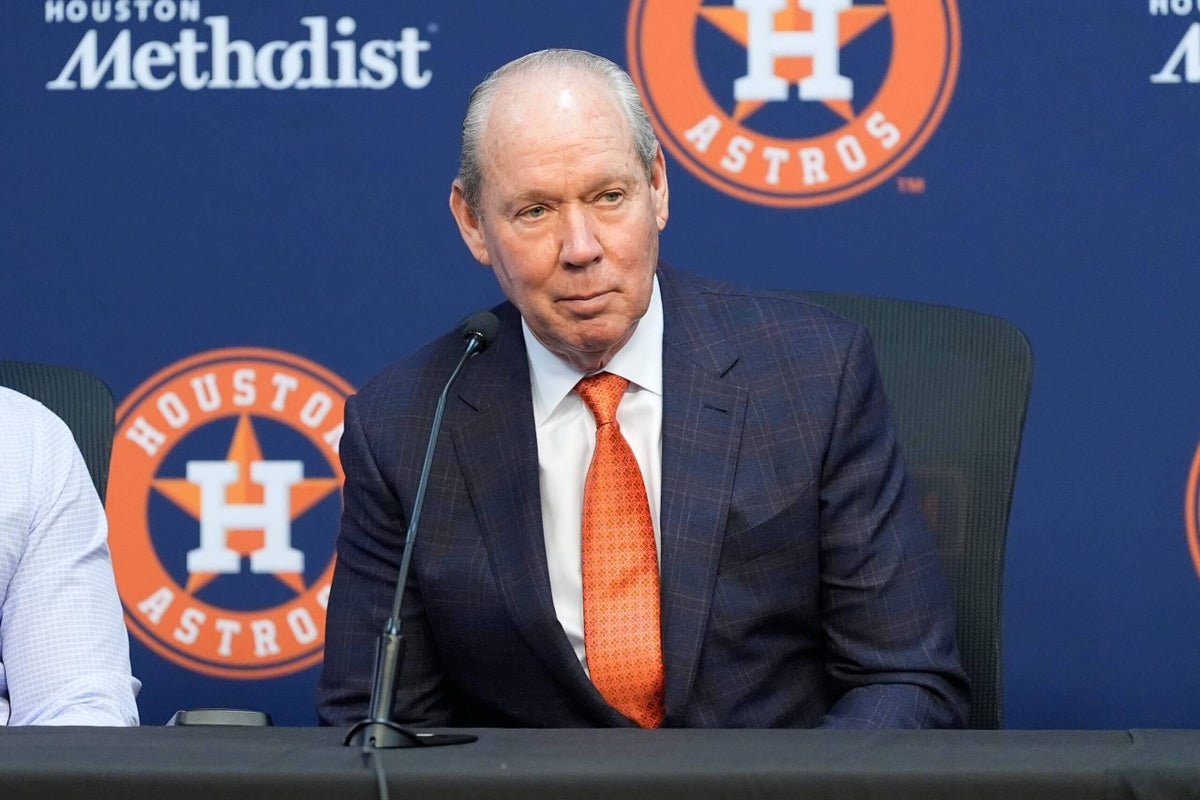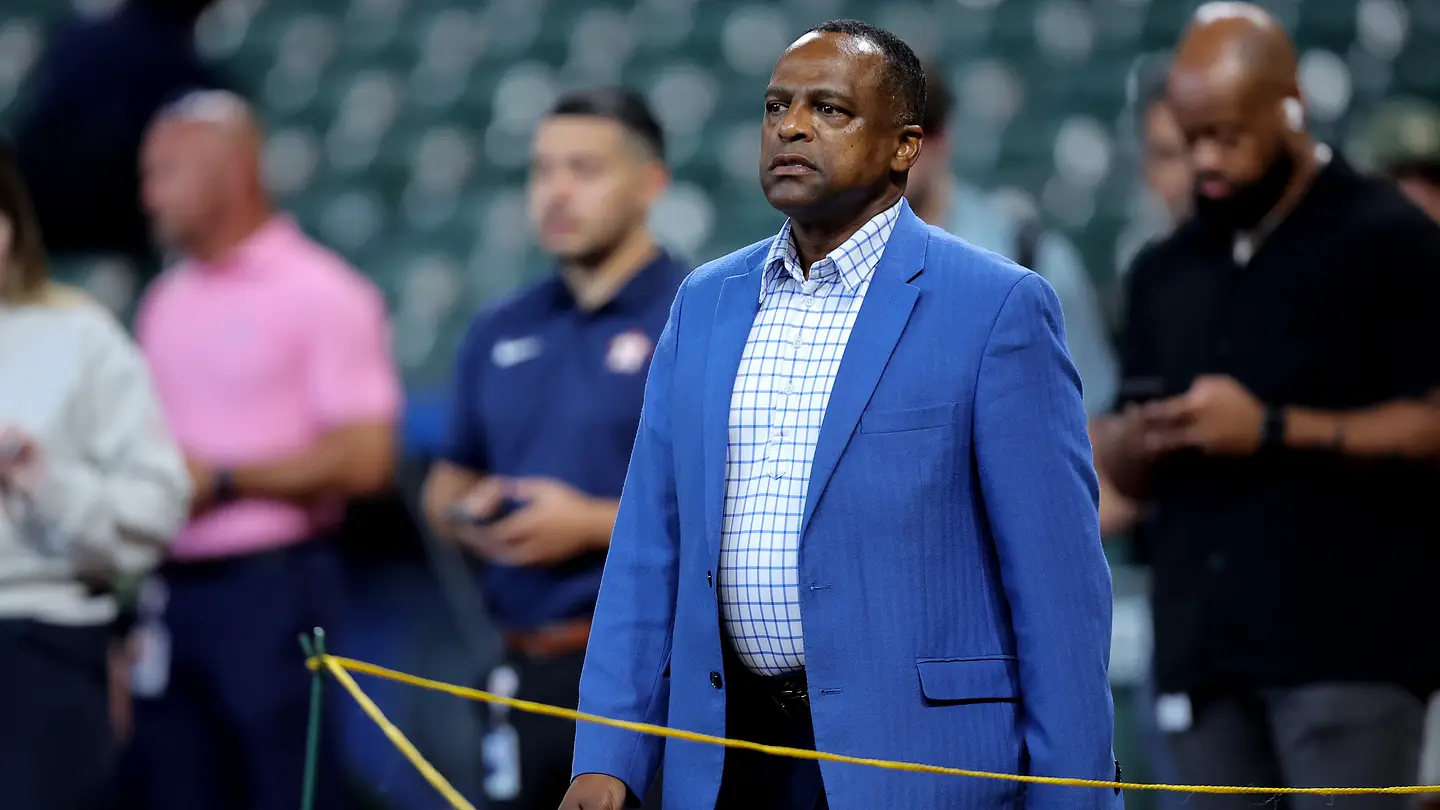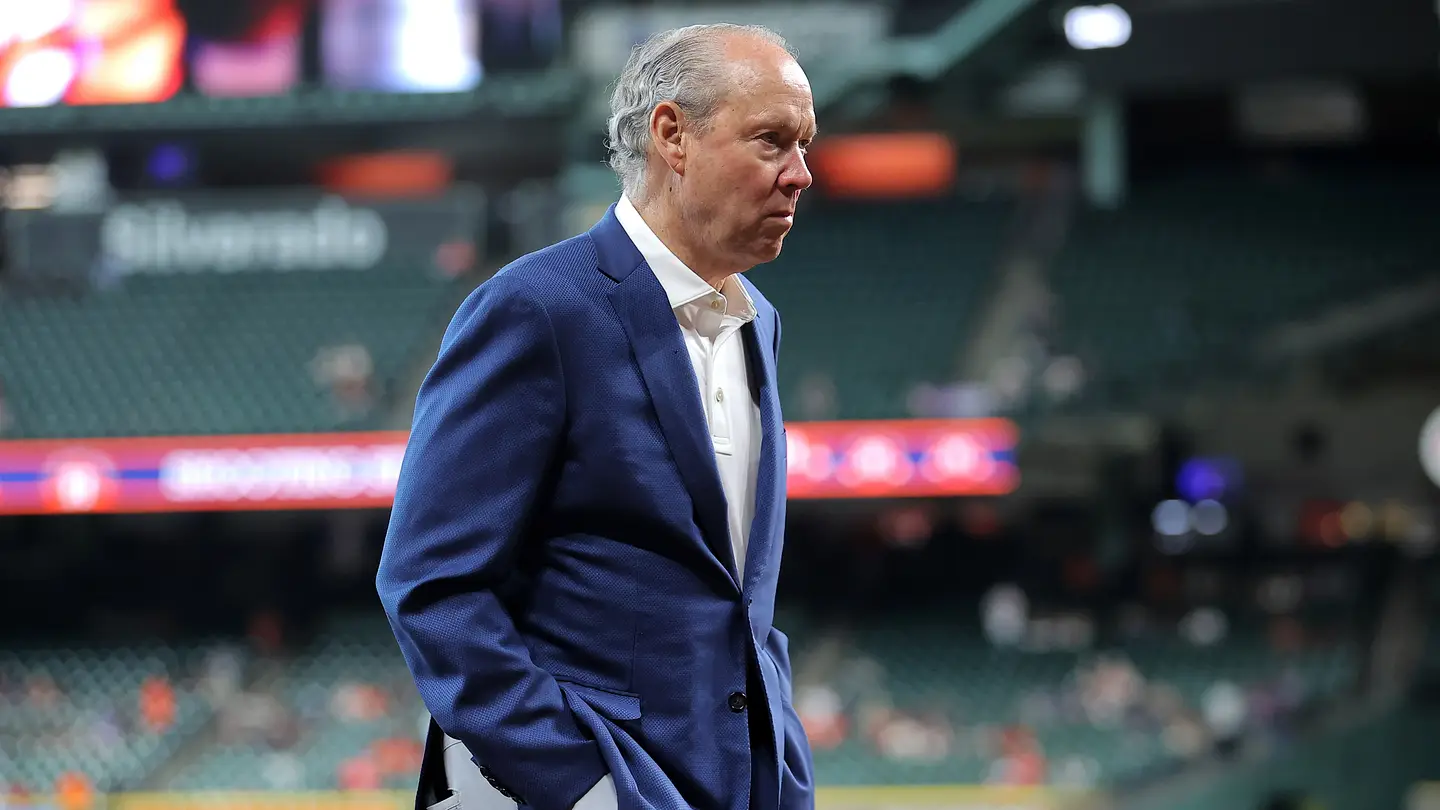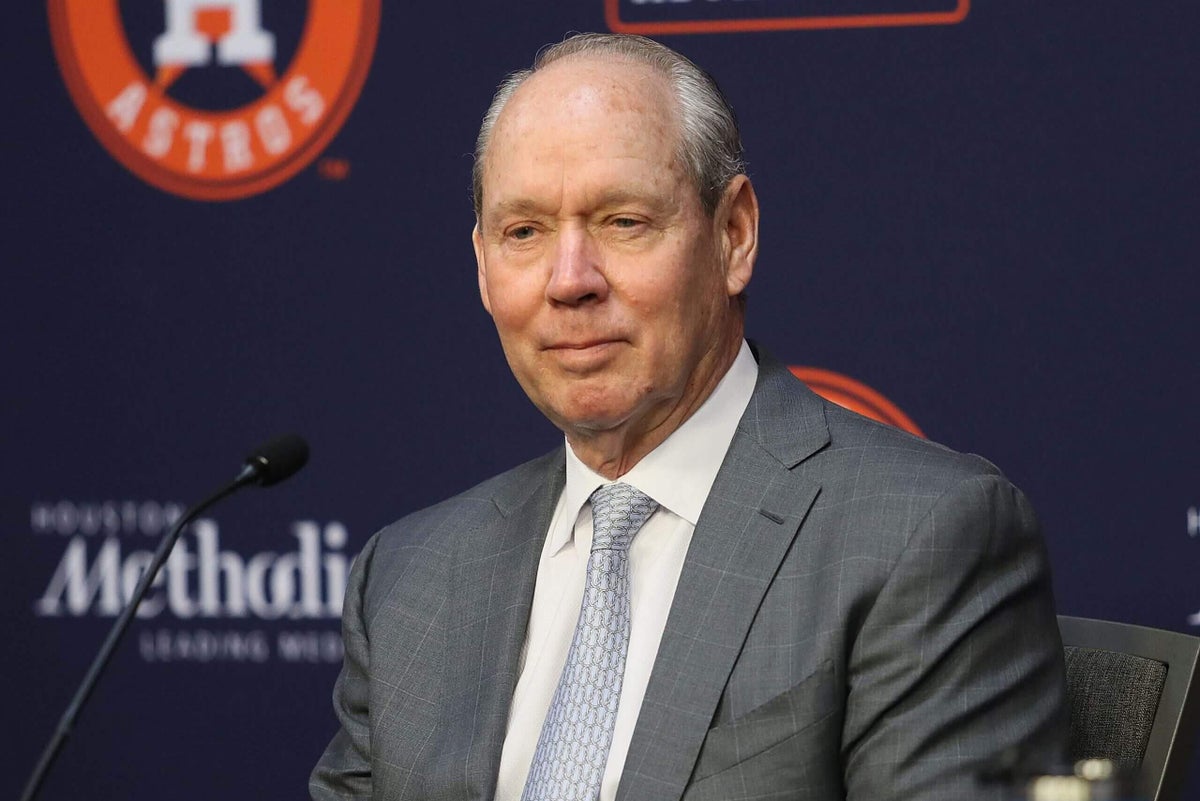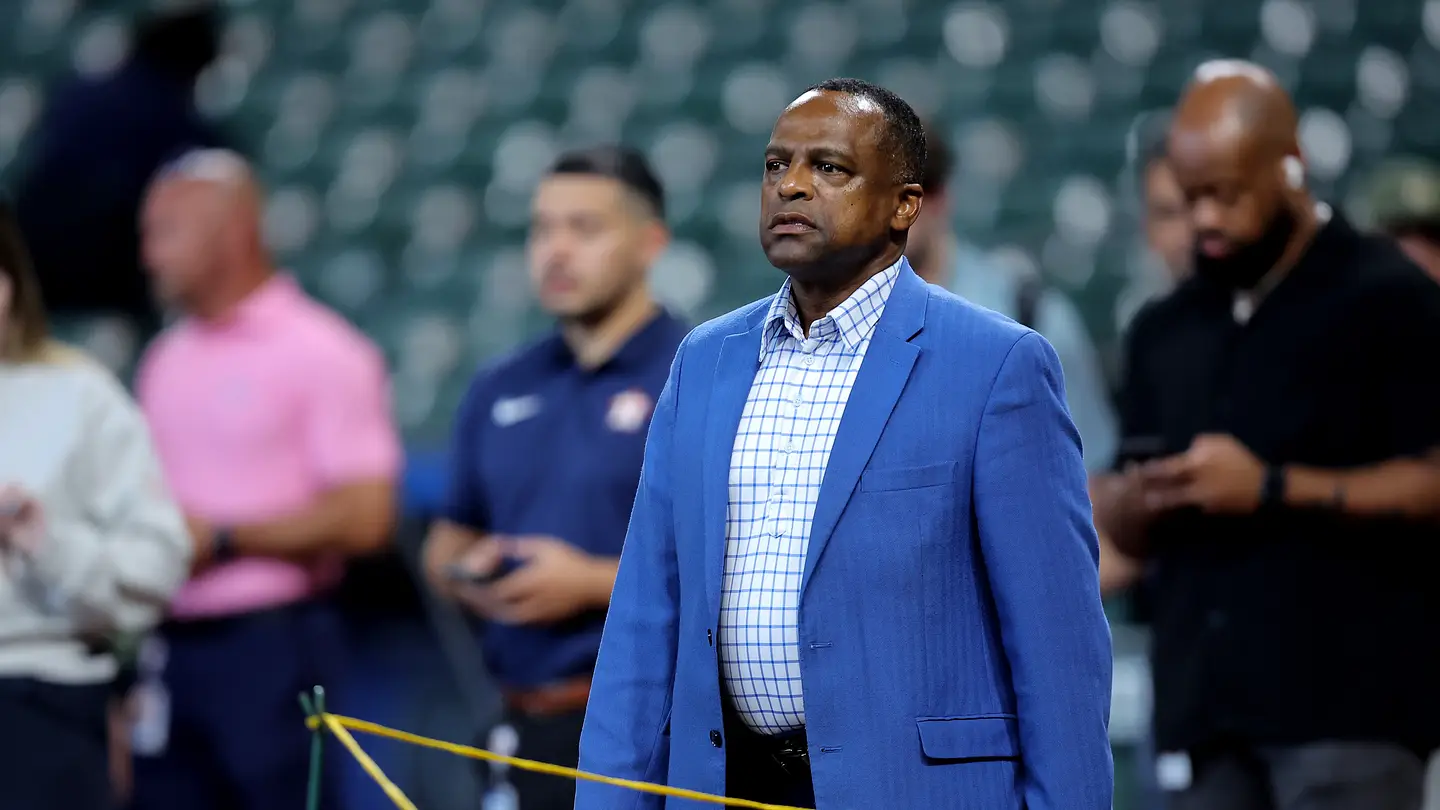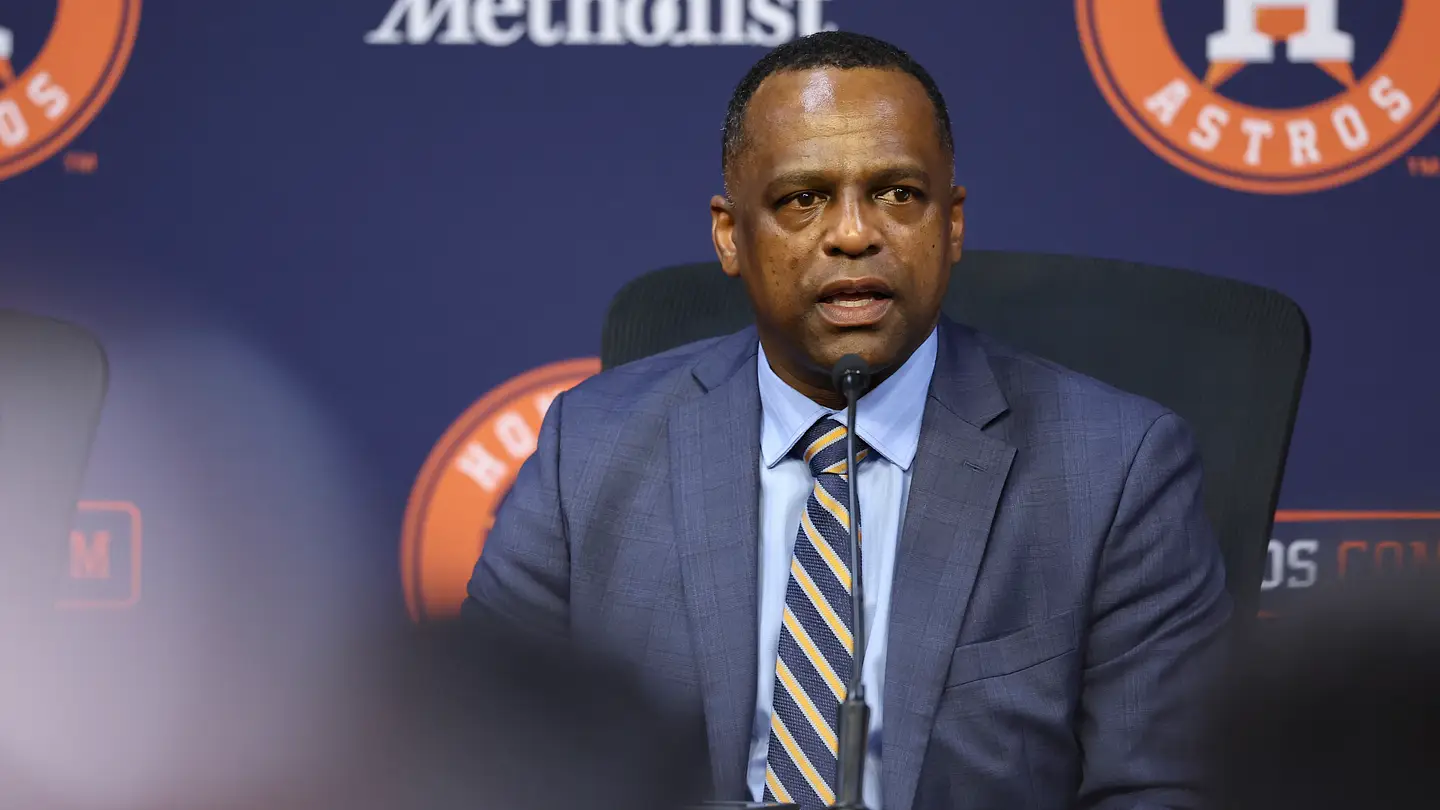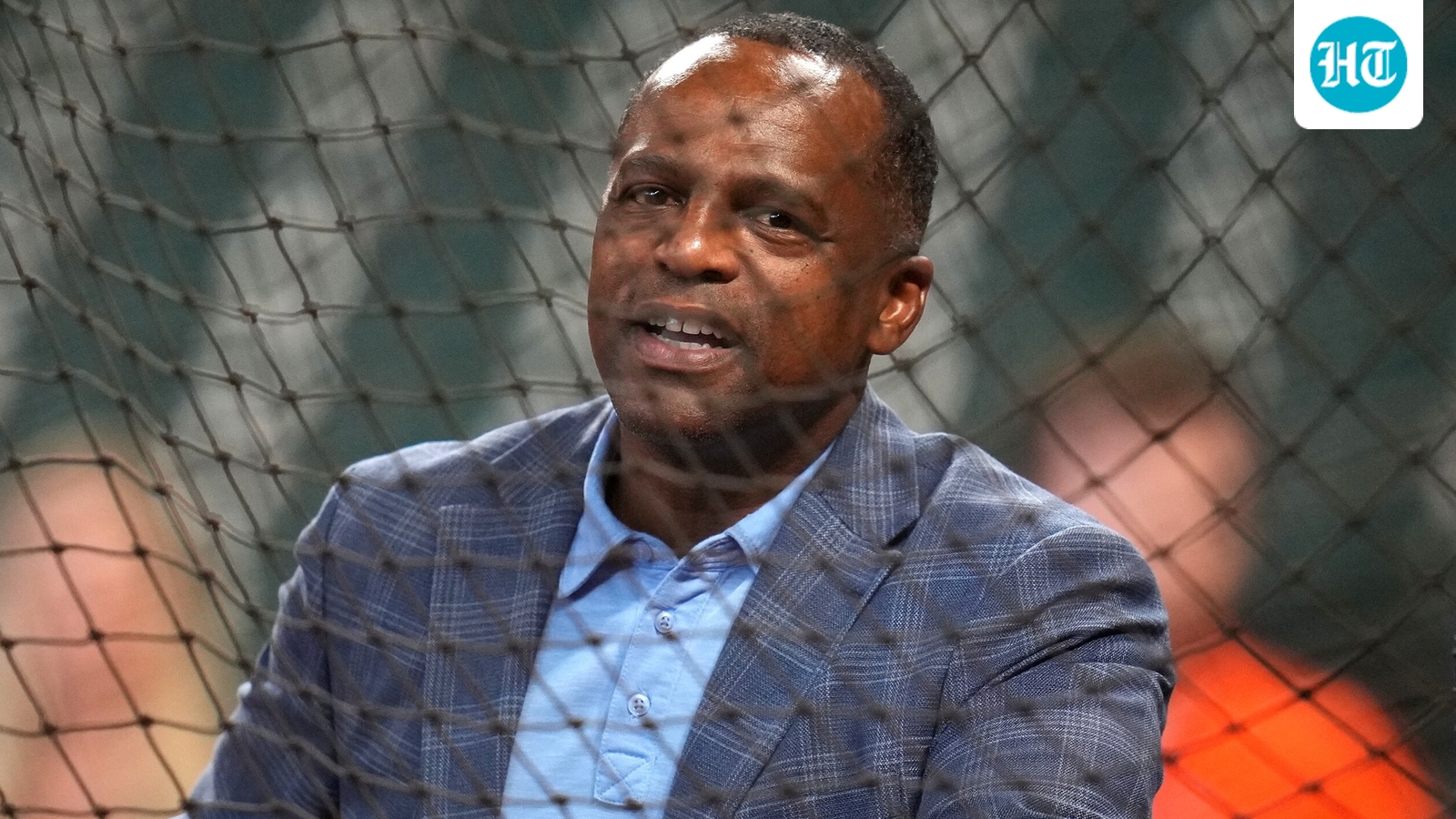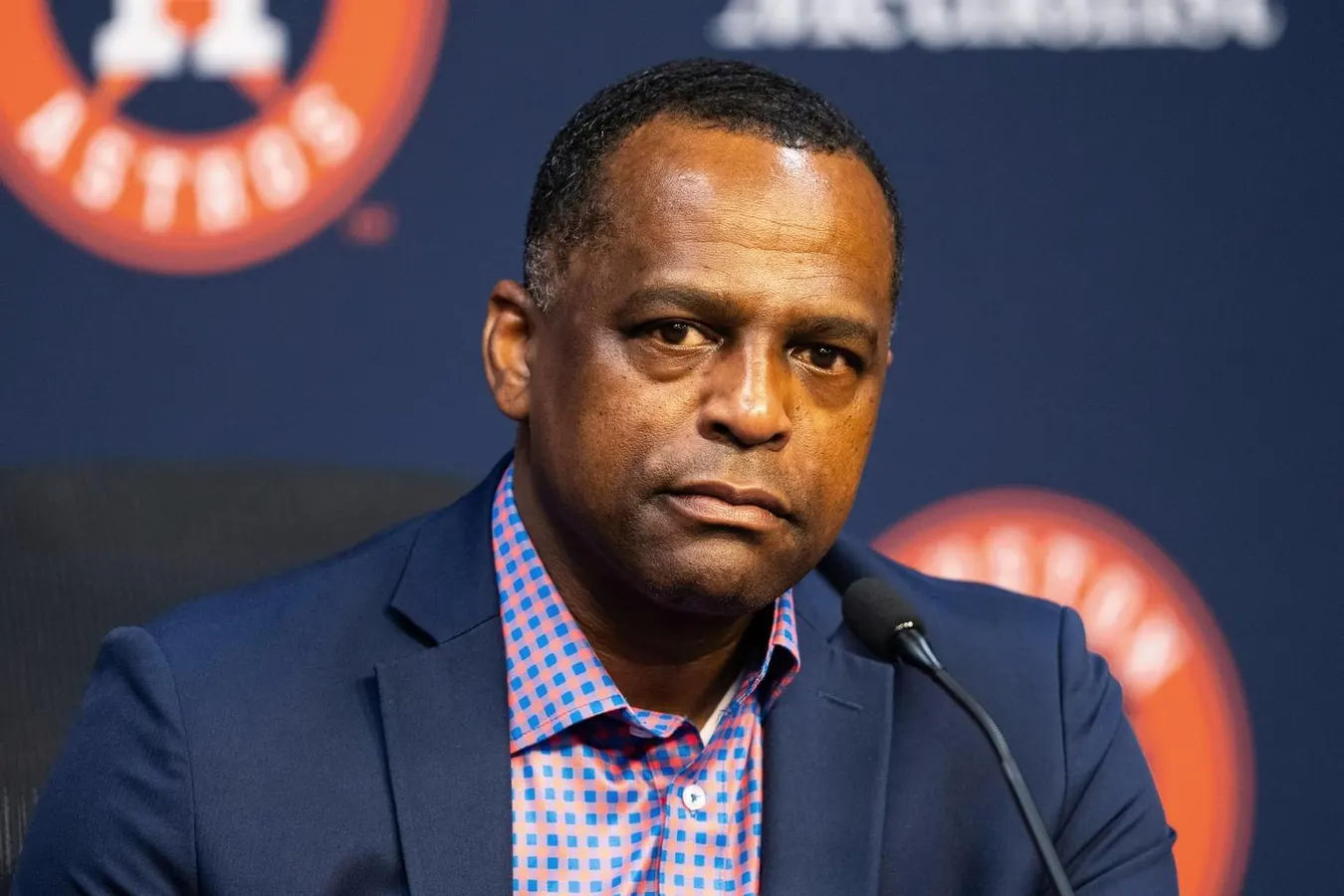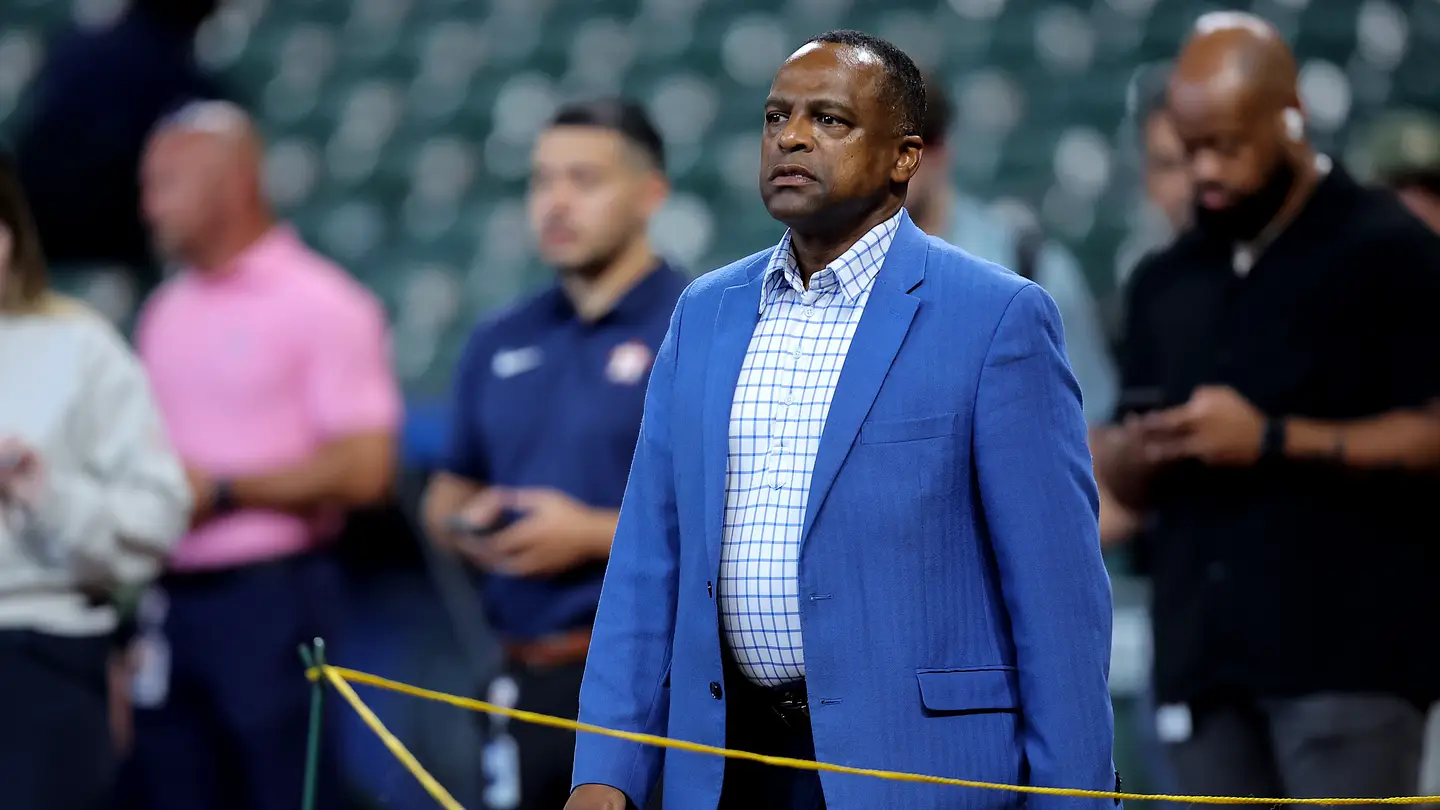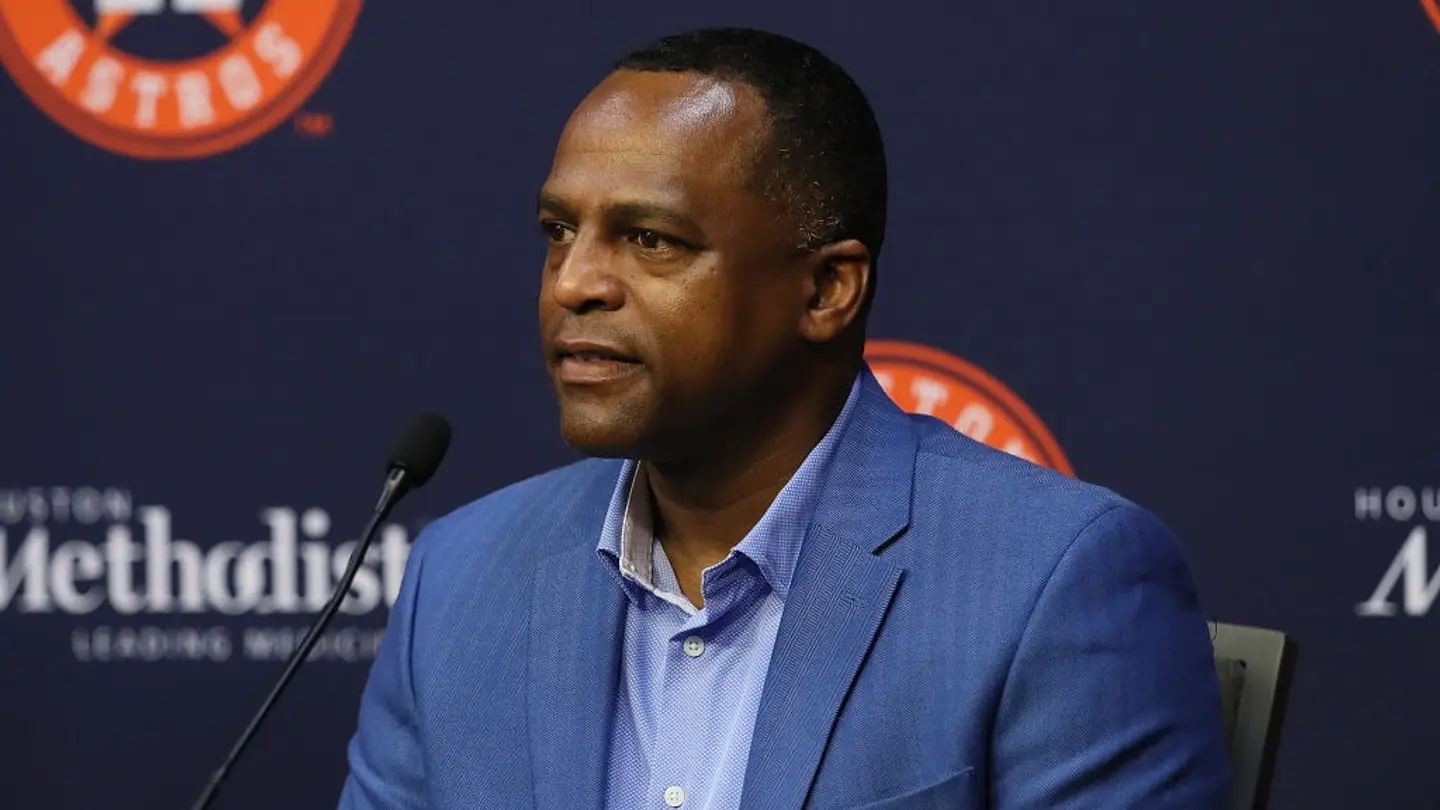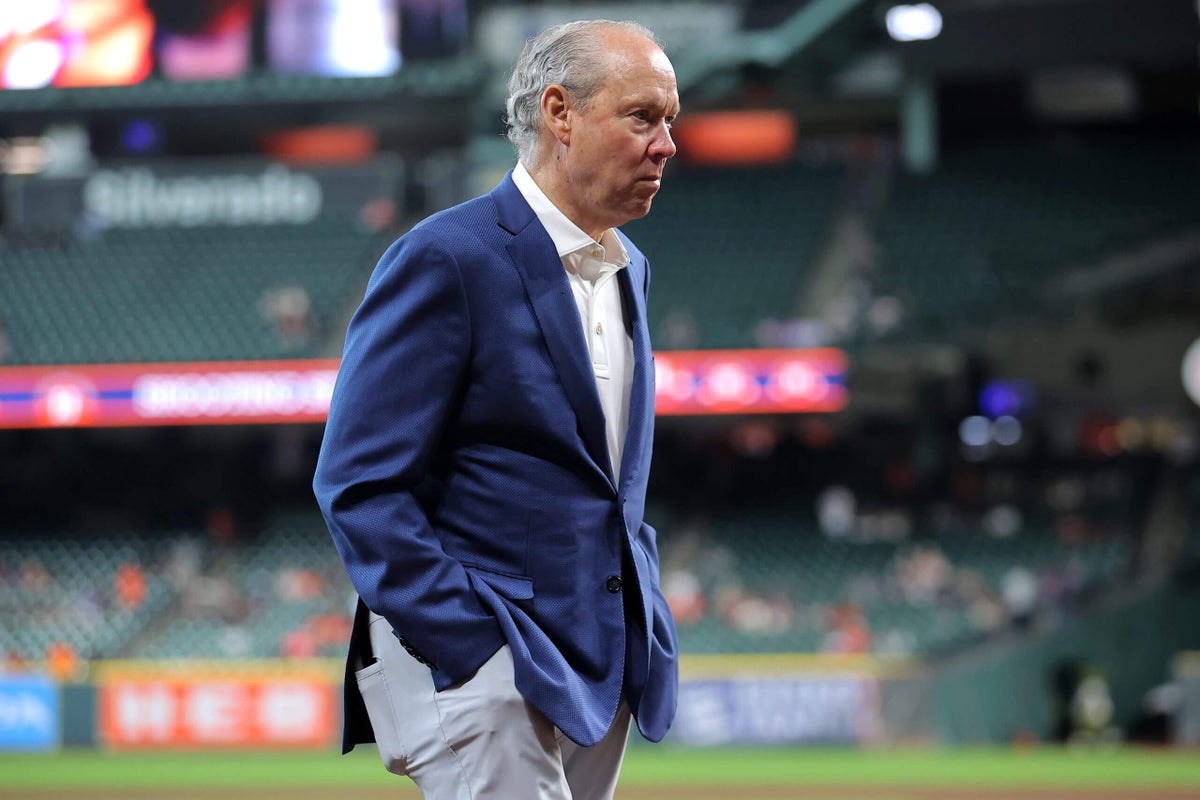
NEW YORK — In March, from his office overlooking the Houston Astros’ spring training facility in West Palm Beach, Fla., Dana Brown delivered the sort of sentiment that defined his tenure.“I came up the old-school way, and the old-school way is get the job done and the (contract) extension will take care of itself,” Brown told The Athletic. “That’s what I believe. I’m an old-school cat. I was trained by old-school guys. And I believe if you get the job done, the extension will take care of itself.”Among his buttoned-up brethren, Brown’s braggadocio and straight-shooting style became a breath of fresh air. Failing to deliver on some of those bold declarations became Brown’s downfall, culminating in a dismissal on Monday that did not register as much of a surprise.Brown extended only two players after telling the public to “buckle up” for a bevy of extensions upon his arrival. His work in free agency and trades has not aged well, save perhaps for shipping one year of Kyle Tucker to the Chicago Cubs in exchange for three prominent players on Houston’s major-league roster. The six pitchers he added to the major-league roster this offseason have combined for a 5.51 ERA. Three of them have been designated for assignment.Few people who worked with or around Brown will ever question his authenticity or affability, but baseball is a bottom-line business. Brown did not meet the massive expectations. After his ouster, here are six thoughts about how the Astros move forward.1. About the timingGeneral managers of first-place teams are rarely dismissed in August, but then again, neither are those that lead clubs to a World Series championship. Astros owner Jim Crane can now say he’s done both.On one hand, the timing is odd. Thirty-one games remain in the regular season and the Astros are still atop the American League West, albeit with a 65-66 record. According to FanGraphs, no team in the division has higher odds to reach the playoffs than Houston.On the other hand, the Astros had an off day on Monday before beginning a six-game road trip in New York on Tuesday. Dropping seismic news on a day off while the team is out of town is a tried-and-true tradition. By that standard — and that standard alone — the timing is understandable.Some in the organization believed Brown would not return after last season, but the Astros exercised the club option on his contract after an injury-marred campaign ended their streak of eight consecutive playoff appearances. The mere fact that Brown’s job came into question last season only accentuated the uncertainty enveloping him this season.Concluding a catastrophic homestand on Sunday gave Crane valid reason to take action, but it isn’t as if Brown had any direct impact on the outcome of those nine games. Crane has watched this roster — one Brown is responsible for constructing — perform at a pedestrian rate all season.Blowing a six-run lead against the 51-80 Athletics on Sunday is bad enough to be the final straw, but parting ways with Brown is not about the outcome of one game. This felt inevitable from Opening Day.Perhaps Crane didn’t want to be caught in the same position as 2022, when according to multiple sources, general manager James Click’s fate had been all but decided before the postseason. Crane faced questions throughout the team’s run to the World Series about Click’s future — he brushed most of them off, labeling it a “distraction.”After Houston won the World Series, Crane offered a one-year contract extension to Click, which he declined. If this Astros team won the American League West — and made a lengthy playoff run within a wide-open AL — Crane could’ve been forced to do the same with Brown.Might someone who said on multiple occasions he wanted to “retire here” have accepted the offer? Crane may not have wanted to take that chance.2. About manager Joe EspadaLike Brown, Espada entered this season in the last year of his contract. The 50-year-old manager missed Sunday’s game while tending to a family emergency. No details have been revealed, but bench coach Omar López said whatever transpired led to “probably one of the worst nights of (Espada’s) life” on Saturday.Given that backdrop, any speculation about Espada’s future seems secondary.According to two team officials, though, Espada accompanied the Astros to New York and will manage the club in Tuesday’s series-opener at Yankee Stadium. Espada’s status remains unchanged, according to two team sources, contradicting a USA Today report that claimed Espada had already been informed the Astros planned to part ways with him after the season.Dismissing Brown, the man who hired Espada, has to put the manager on borrowed time. Houston’s sub-.500 record is more a byproduct of some curious roster construction and misallocated money, for which both Brown and Crane deserve equal blame.But records are a reflection of the manager and, under Espada, the Astros are 240-215 and have not won a playoff game. That will not please Crane.In spring training, Espada said “there have been some conversations” with Crane regarding an extension, but nothing resulted from them. It should be noted that Brown said he never approached Crane about a potential extension — and that Espada’s relationship with Crane predates Brown’s.3. About the transition periodJeff Bagwell’s inclusion in Monday’s news release should surprise no one. He is one of Crane’s most trusted sounding boards and wields considerable influence within Crane’s inner circle.So does first-year assistant general manager Connor Huff, a longtime friend of Crane’s who received a surprising promotion this offseason after serving as a vice president of business and baseball operations. According to his biography in the team’s media guide, Huff was responsible for “a number of cross-functional strategic and analytics projects.”Huff and Bagwell will be influential figures as Crane oversees the baseball operations department. Charles Cook, a longtime Astros lieutenant who worked under both Click and Jeff Luhnow, profiles as the most logical person to be a front-facing member of the baseball department. He joined the organization in 2015 and is the team’s longest-tenured assistant general manager.Jeff Bagwell’s official title with the Astros is “senior advisor, ownership and baseball operations.” (Gregory Fisher / Imagn Images)4. About owner Jim CraneCrane now has another chance to confront the crossroads his franchise has long been approaching. Its farm system is still fallow — even after hiring Brown, a lifelong scout, to be the general manager. The churn of waiver claims this season, especially in the outfield, is proof of how barren Houston’s upper-level farm system is.The six players on Crane’s payroll making more than $10 million have accrued 9.5 wins above replacement this season, according to Baseball-Reference. American League MVP front-runner Yordan Alvarez is responsible for 5.7 WAR. For an owner who is careful about his spending habits, it is imperative to extract more value from the players he does choose to splurge on.The average age of Houston’s position players this season is 29.1. Here are the five teams with older offenses: the Los Angeles Dodgers, San Diego Padres, Philadelphia Phillies, Atlanta Braves and Texas Rangers.The Dodgers, Padres and Phillies spend at a level Crane never will. Atlanta extended its entire core early, which may be what Crane had in mind upon hiring Brown from the Braves organization.Crane has still never given out a free-agent deal worth more than $95 million. None of his extensions have been longer than six years, either. Crane got by with that while Houston drafted well and developed young talent. That cycle has paused.Now, Crane must decide the next step: whether to inject the organization with young talent by other means — he already demonstrated a willingness to do so by approving the Tucker deal — or by spending at a level he has not shown an eagerness to do.5. About the trade deadlineIn reality, Brown’s fate seemed sealed during the trade deadline when, according to multiple team sources given anonymity in exchange for their candor, Crane instructed Brown not to trade anyone off of the major-league roster. The owner also nixed an agreed-upon trade of setup man Bryan Abreu to the Minnesota Twins that would have netted outfielder Trevor Larnach.Such a high level of involvement from Crane only underscored that Brown had little actual authority to make consequential decisions, but it does beg the question why Brown even oversaw the deadline in the first place.6. About the potential candidatesCrane has now parted ways with a general manager days after winning a World Series and one overseeing a first-place team. He is one of the sport’s most demanding owners and, when he sees fit, can become increasingly involved.It is a setup that not all are keen on joining. One prominent agent, granted anonymity in exchange for their candor to discuss dealing with the Astros’ operations, mused on Monday that “there are a lot of voices there.” That is not likely to change.This is one of 30 jobs running a baseball operations department, though. That in and of itself makes it attractive. Someone will take it.Yankees bench coach Brad Ausmus — a teammate and close friend of Bagwell’s — was the runner-up to Brown during the club’s last GM search. If Espada is not retained, Ausmus could be an obvious candidate to replace him, too. Cleveland Guardians assistant general manager James Harris also received an interview when Brown was hired.One thing Crane must consider: His last two hires have been first-time general managers. Neither man had much experience dealing with media, being the front-facing member of an entire organization or acting in the decisive manner that is required.Learning on the job is allowed, but doing so under such a demanding owner can be difficult — something both Brown and Click now know. But, it does prompt the question: Would an experienced executive be amenable to as much input as Crane and Bagwell like to provide?
Six thoughts on where the Astros go from here after parting ways with GM Dana Brown
What led to Brown's dismissal, and who will be the next general manager to work under owner Jim Crane?
1,636 words~7 min read