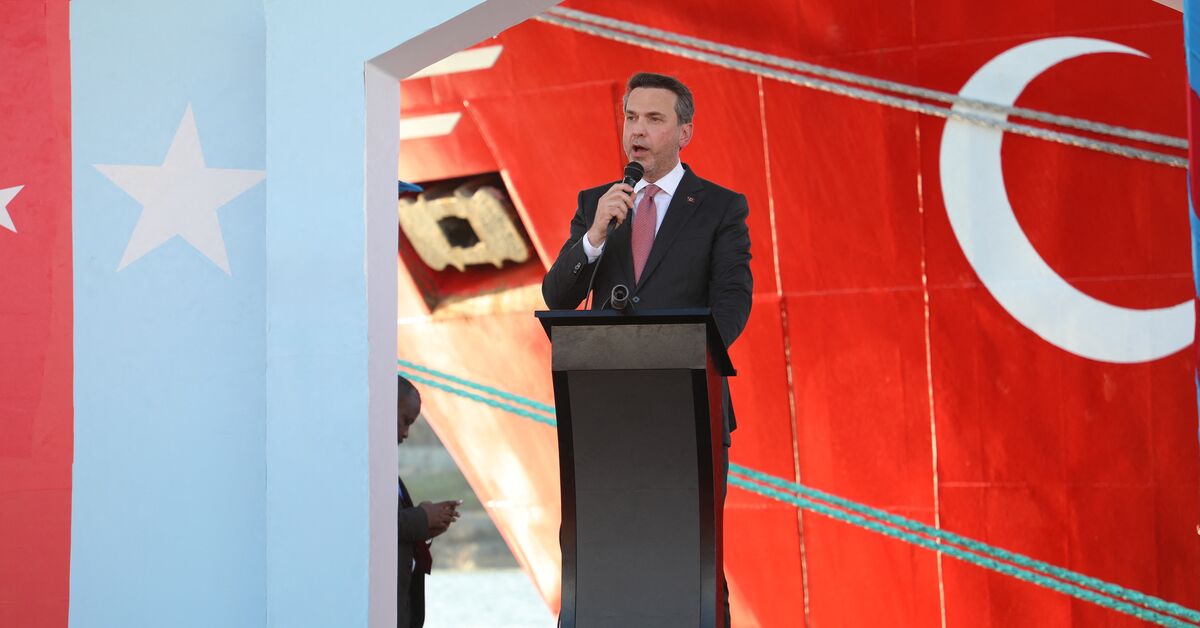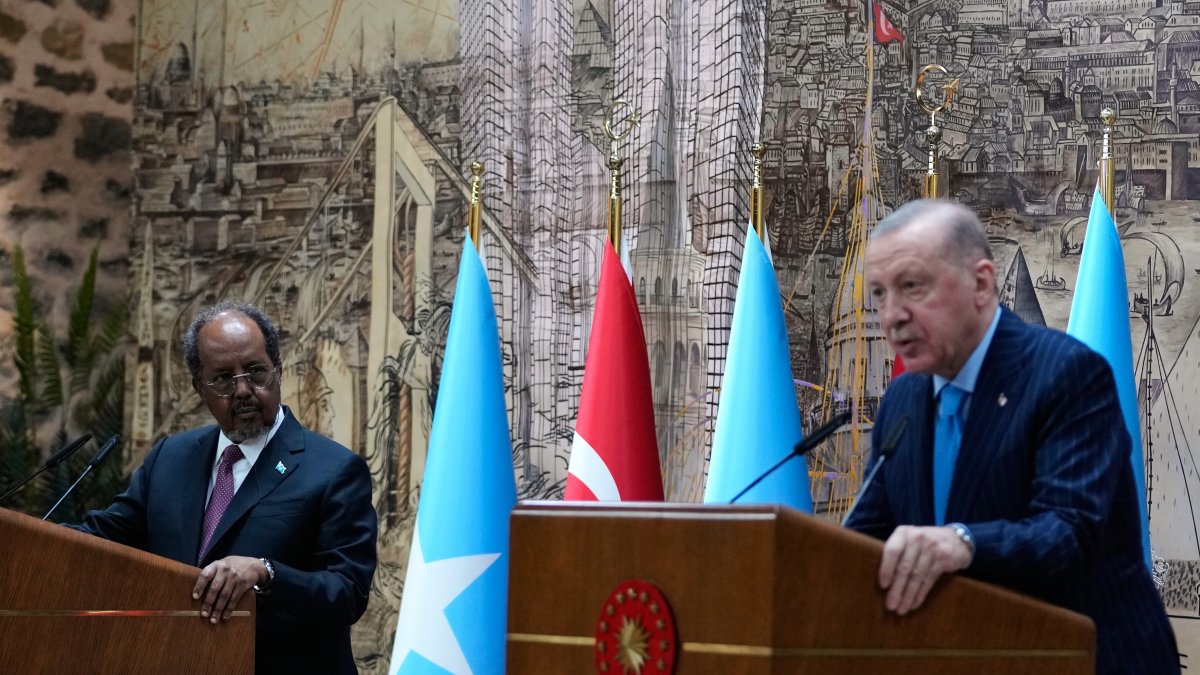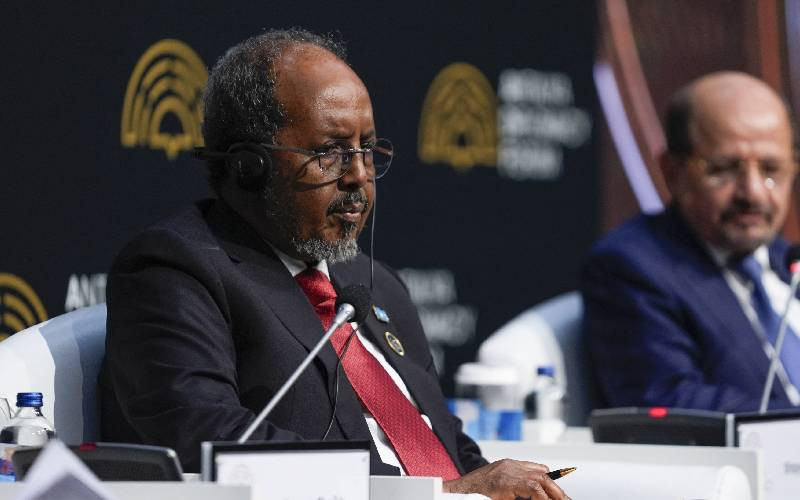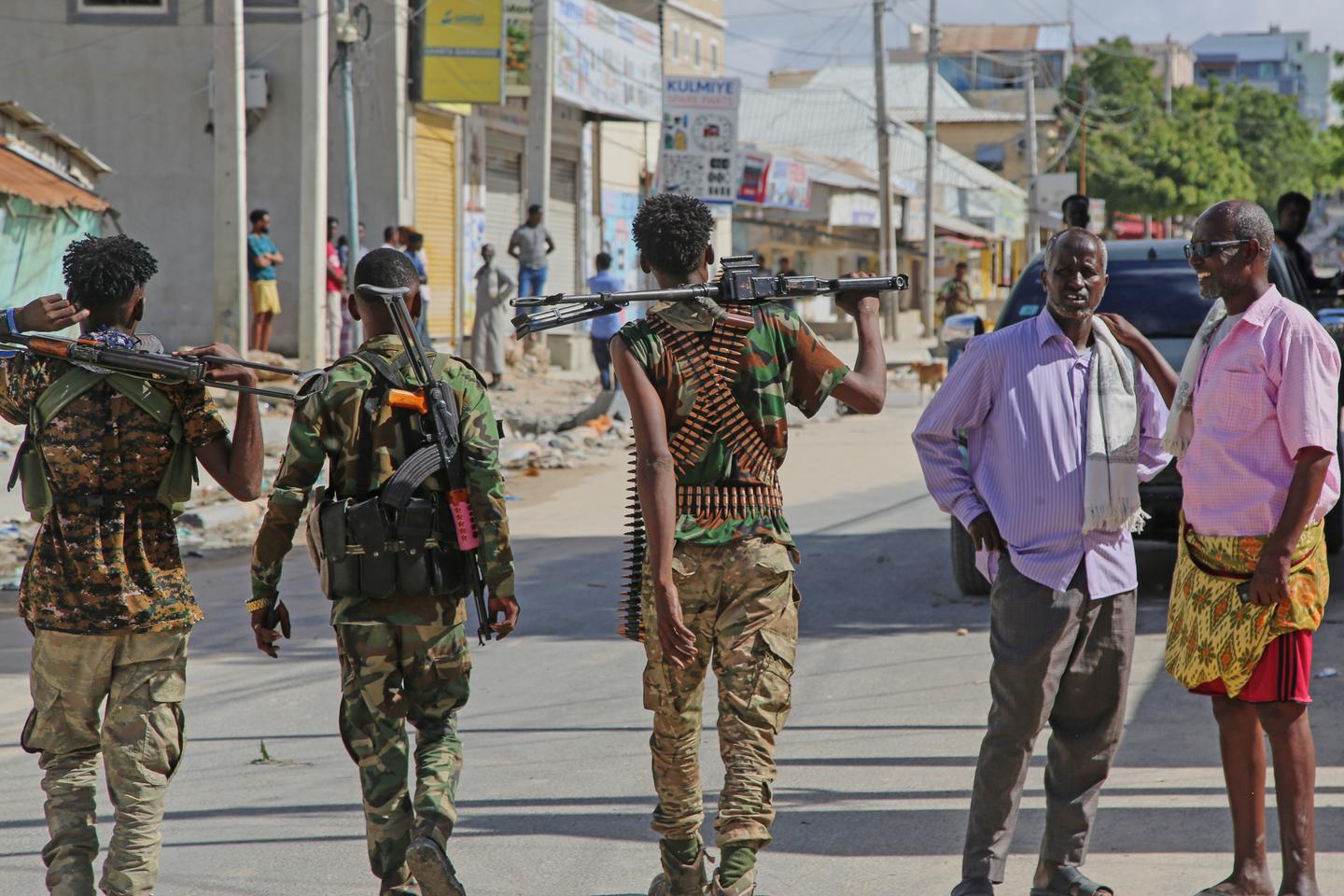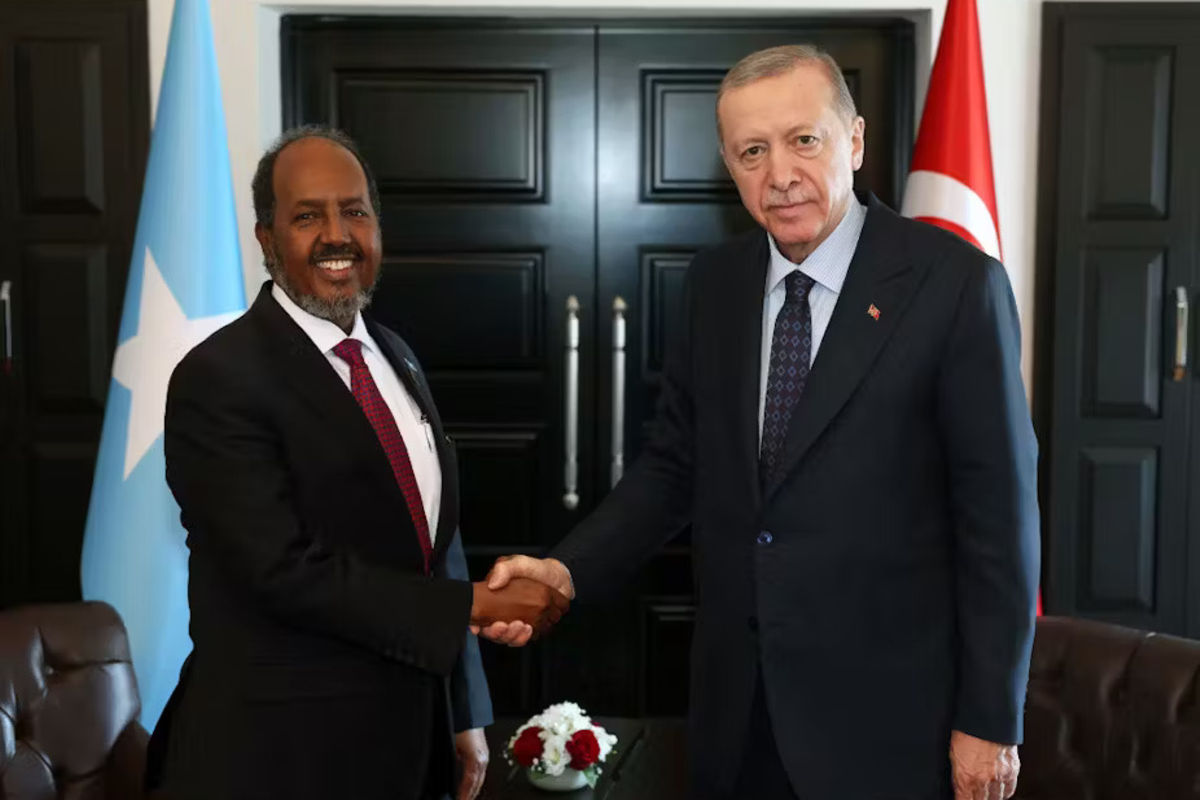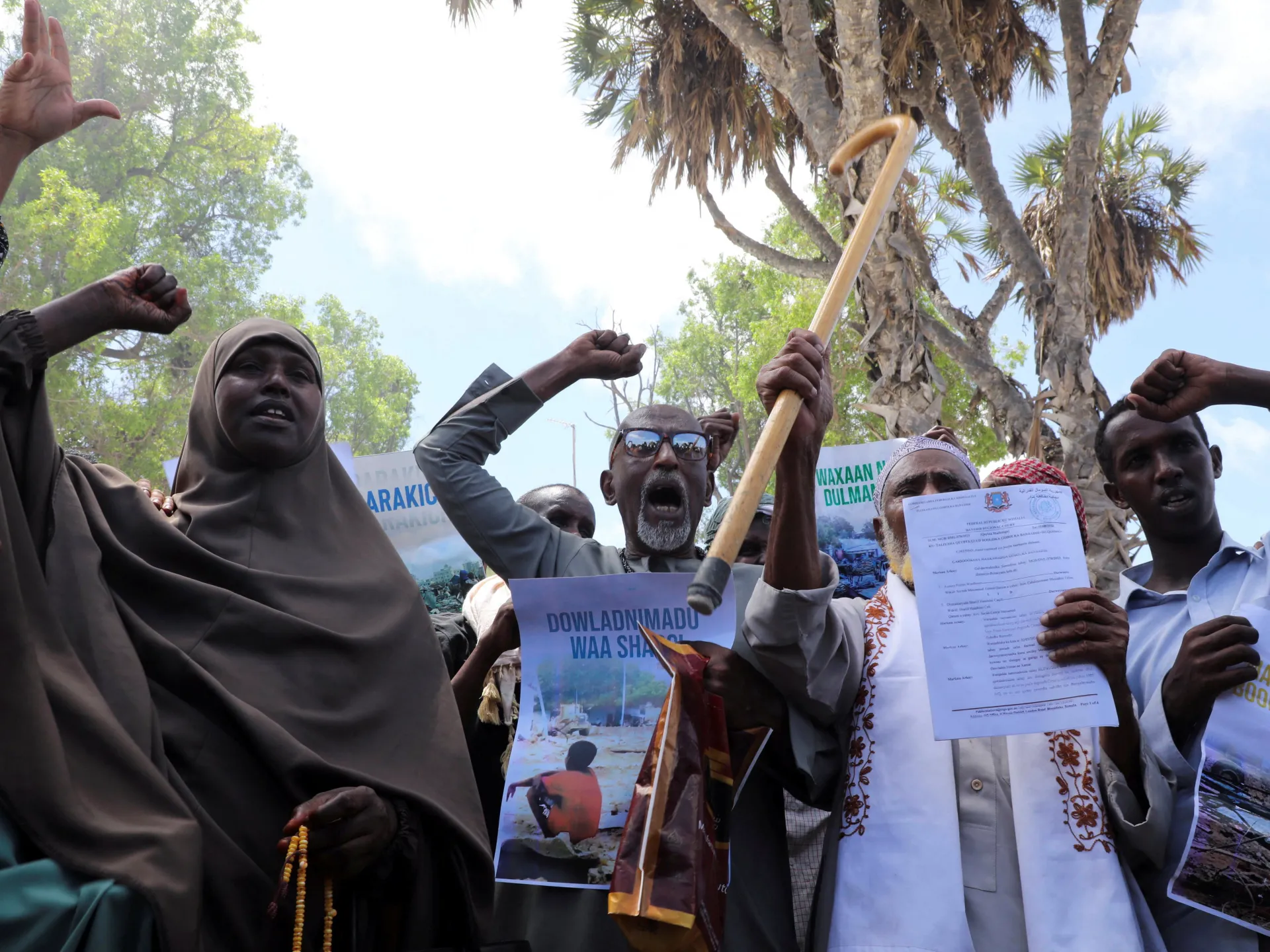
Somalia's political crisis deepened in May 2026 when the government unilaterally extended its expired mandate, prompting the opposition to reject it and call for protests. By June, political turmoil escalated into violent clashes, leading to international intervention. Türkiye led efforts to stop the violence that erupted in Mogadishu on June 3-4 and has since joined a four-member mediation team that includes the United States, the United Kingdom, the European Union and the United Nations.
Mediation talks began with the U.S. Charge d'Affaires and the British Ambassador, followed by the involvement of the EU and the U.N. This Quartet, along with Türkiye, holds significant influence over Somalia's politics, as international donors finance over 60% of Somalia's budget through the World Bank and the International Monetary Fund (IMF).
Somali groups have recognized Türkiye's desire to deepen bilateral relations. In addition to investments in security, oil exploration, the blue economy and a spaceport, Ankara has facilitated talks between Somalia and Somaliland and resolved the maritime access dispute between Somalia and Ethiopia through the Ankara Declaration.
Consequently, most competing Somali groups met with Ankara's mediation team. Many political actors recognize the alignment of interests between the two countries. However, given Türkiye's significant investments and stakes, Somalia's political leaders called for Ankara to be a neutral mediator and support a fair and competitive process for a smooth political transition. They also encouraged Ankara to broaden its engagement across Somalia’s political landscape and to ensure that its support is seen as constructive and impartial. In a letter to President Recep Tayyip Erdoğan, political leaders outlined three priorities: maintaining neutrality, broadening engagement, and ensuring that Türkiye’s support contributes to constructive political dialogue.