See more Daily Mail on Google - save us as a Preferred SourceBy PATRICK HARRINGTON, UK NEWS REPORTER Published: 21:32 BST, 24 August 2026 | Updated: 21:32 BST, 24 August 2026
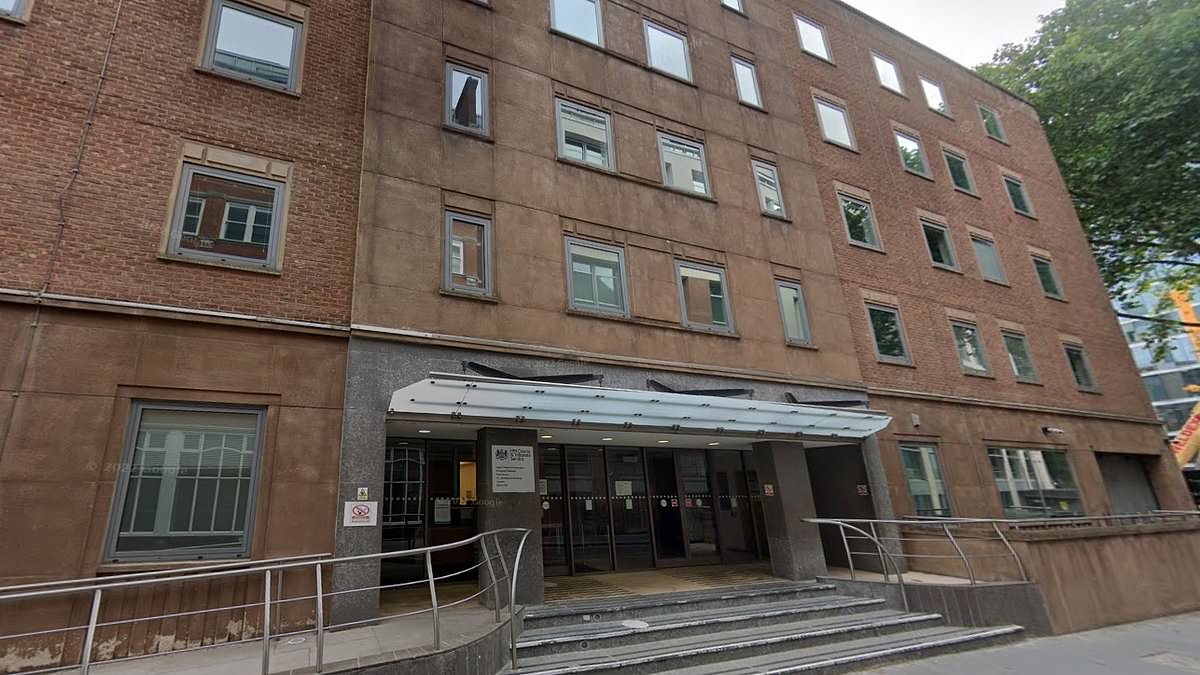
A Sudanese woman initially refused asylum has been allowed to stay in the UK because she is married to her cousin.After Isra Abdallah Ibrahim's asylum bid was refused, she claimed deportation would breach her rights to a family life under the European Convention on Human Rights (ECHR), because she would be separated from her husband.He was already in the UK and had been granted refugee status, and the Home Office believed they had only married so she could later join him.Mrs Ibrahim claimed they had married in a 'customary Islamic marriage' in Sudan in 2011, but British officials could find no record of it.The couple explained it was 'local tradition' not to record marriages.They then remarried by proxy three years later when her cousin had moved to Libya, but she was still in Sudan.A lower immigration tribunal refused Mrs Ibrahim's claim because it believed the ceremony in Libya, known to be an immigration stepping stone, was set up to strengthen her asylum case.But her appeal has now been backed by an upper court, which found the marriage between the cousins was legitimate and Mrs Ibrahim therefore has a right to stay. The Sudanese woman was allowed to stay in the UK after successfully arguing deportation would breach her human right. Pictured: The European Court of Human Rights in StrasbourgThe husband, who was Mrs Ibrahim’s sponsor, convinced the tribunal he had planned to stay in Libya, rather than use it 'merely a staging post en route to Europe', as the Home Office had found.Mrs Ibrahim won her case at the Upper Tribunal in Manchester under Article 8 of the ECHR - which protect the right to a private family life.The hearing confirmed that the couple were not breaking any rules by marrying each other as cousins. It is legal in the UK and many other countries to marry your first cousin. Explaining the path that led them to the UK, Mrs Ibrahaim said her husband had left Sudan for Libya without her, and worked there for two years.He had planned to 'stay' there, and they remarried by proxy in March 2014 so she would be able to join him in Libya, which did not recognise their Sudanese marriage, she said.But the husband then decided to 'flee for Europe' when the security situation 'seriously deteriorated' in Libya.He came to the UK and was granted refugee status in 2015, and Mrs Ibrahim later came to join him.The Home Office initially found that Mr Ibrahim had 'never intended to set down roots' in Libya, and the proxy marriage was to ensure she could reach the UK.But Mrs Ibrahim appealed the decision, citing the ECHR.Upper Tribunal Judge Paul Lodato found that the proxy marriage had come when the husband was 'habitually resident in Libya'.He said: 'By the time the couple married by proxy in March 2014, the sponsor had been living and working in Libya for well over a year, had seemingly taken no steps to leave the country for an onward destination...'The judge said he was 'satisfied' the couple had settled in Libya for a 'meaningful period of time'.He found the decision to refuse asylum was 'disproportionate' because the couple were married when the sponsor was in his country of 'habitual residence', Libya.