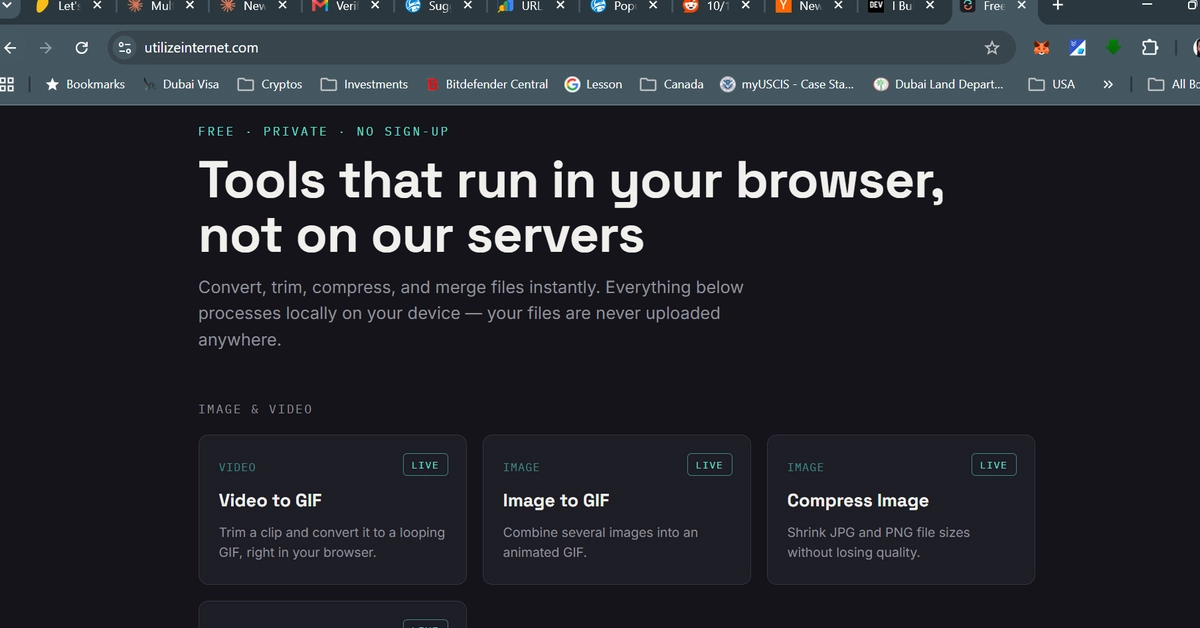
For over a decade, web architecture has relied on an asymmetrical model of computation. The browser renders views and collects user input, while the server executes heavy computational workloads. When a web application needs to transcode a video, apply complex matrix filters, or stitch multiple media streams together, the traditional architectural blueprint dictates that the raw bytes must be serialized, transported across the network via an HTTP multipart or WebSocket upload, processed by a monolithic or microservice backend running native C binaries like FFmpeg, and then transmitted back down to the client.
This request-response paradigm introduces severe operational friction. It incurs immense cloud infrastructure costs for compute-heavy video encoding instances, exposes applications to latency bottlenecks tied to fluctuating user uplink speeds, and introduces strict privacy liabilities when users upload sensitive, raw media files to third-party infrastructure.
In the context of generative media and visual workflow engines, this centralized server dependency becomes an existential architectural bottleneck. When a user builds a complex node-based canvas where visual nodes output dynamically generated video fragments, streaming every intermediate preview back to a remote server for merging introduces compounding latencies that destroy the real-time feedback loop.