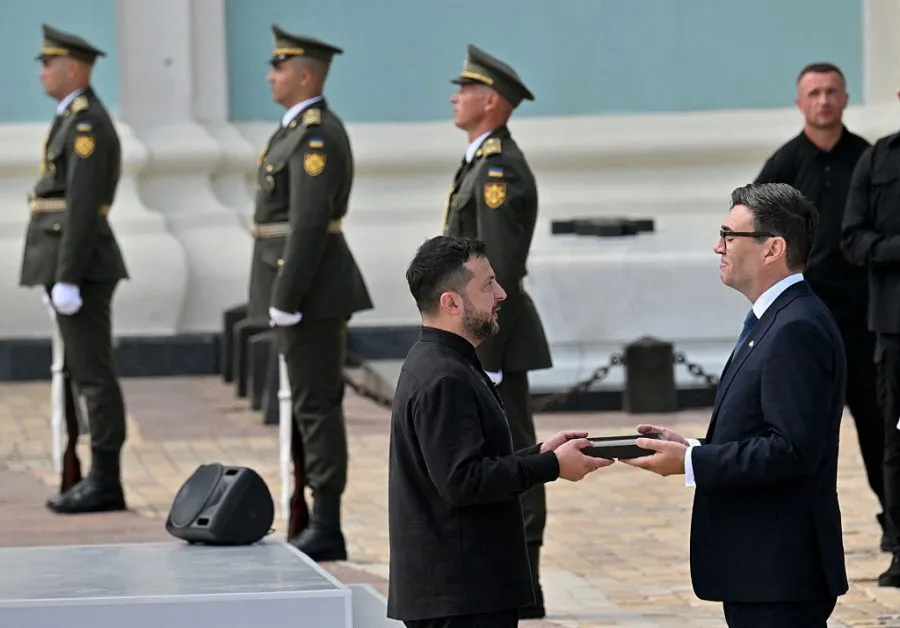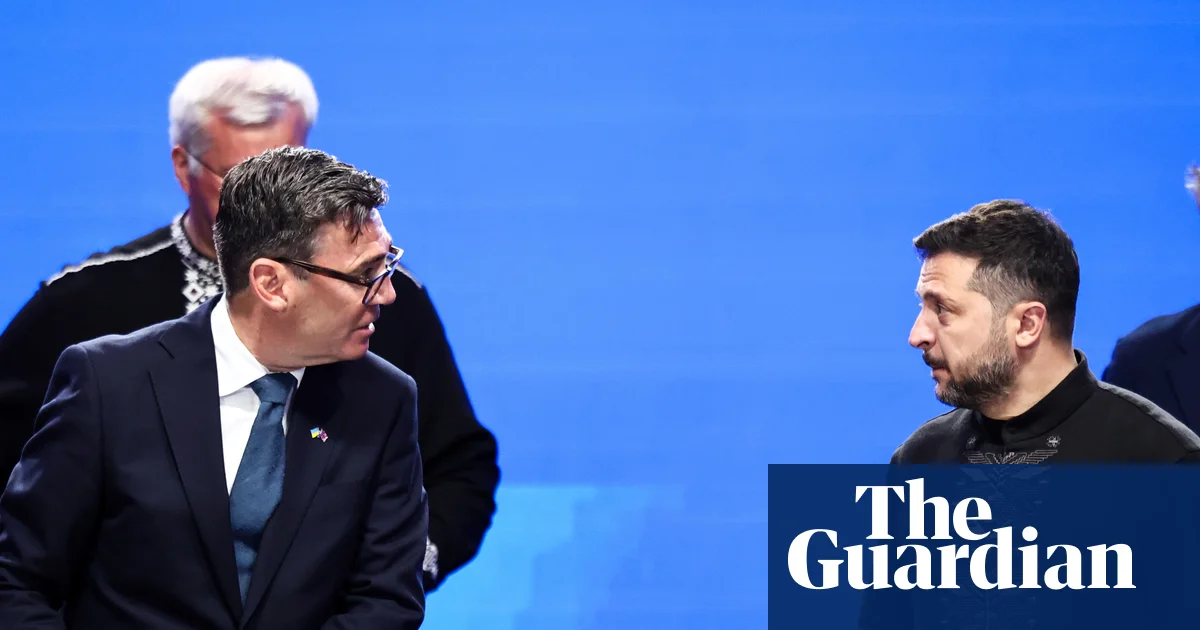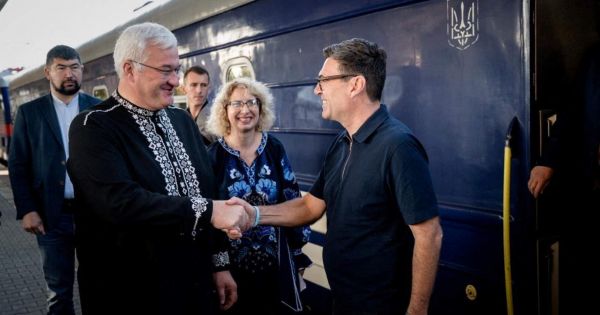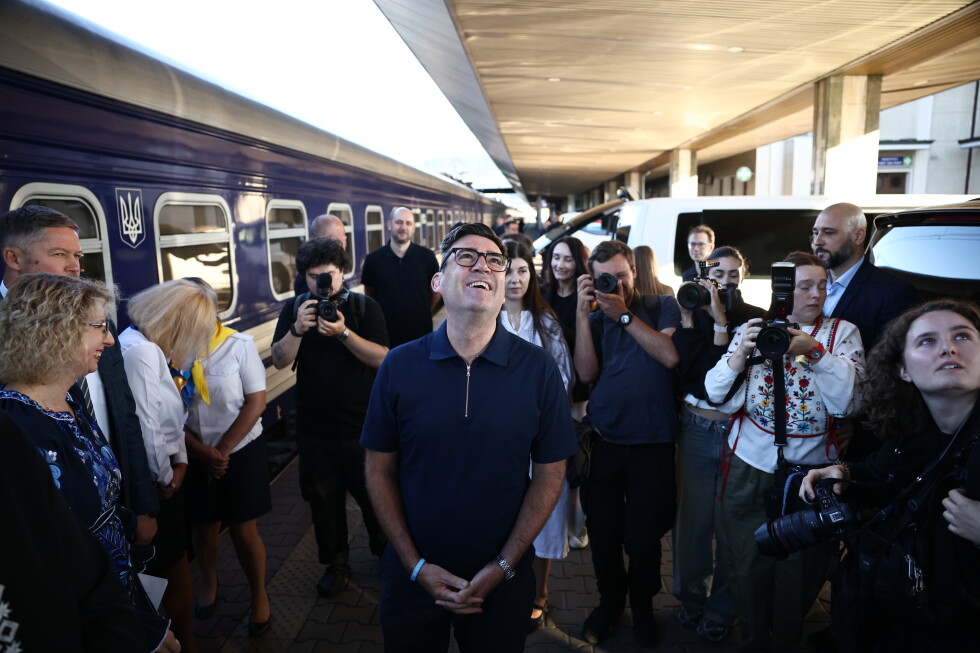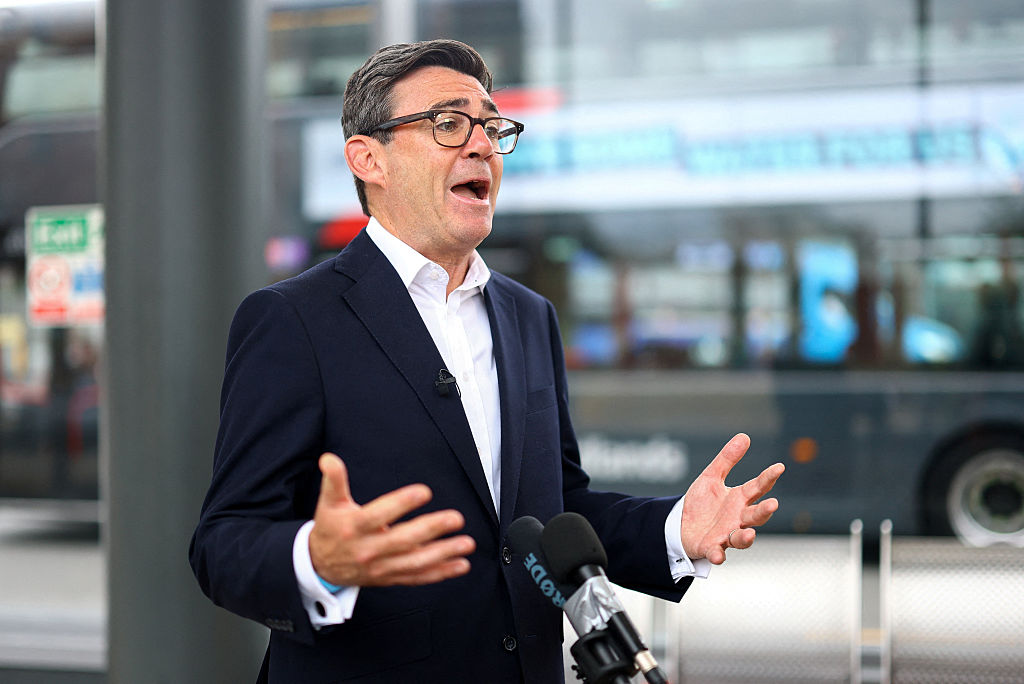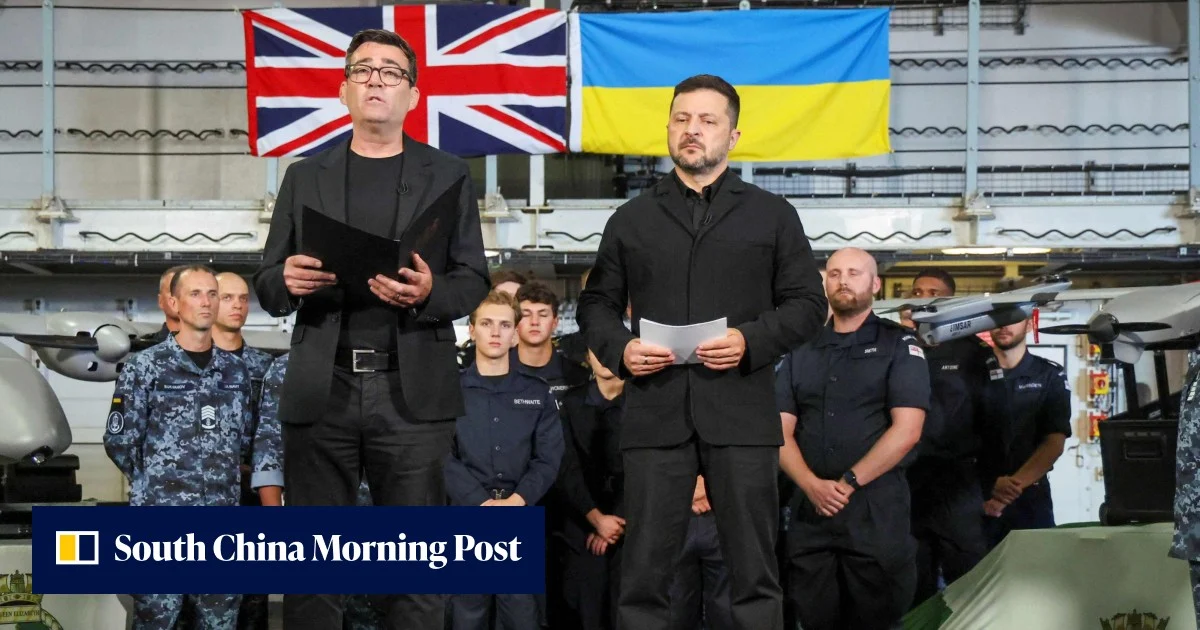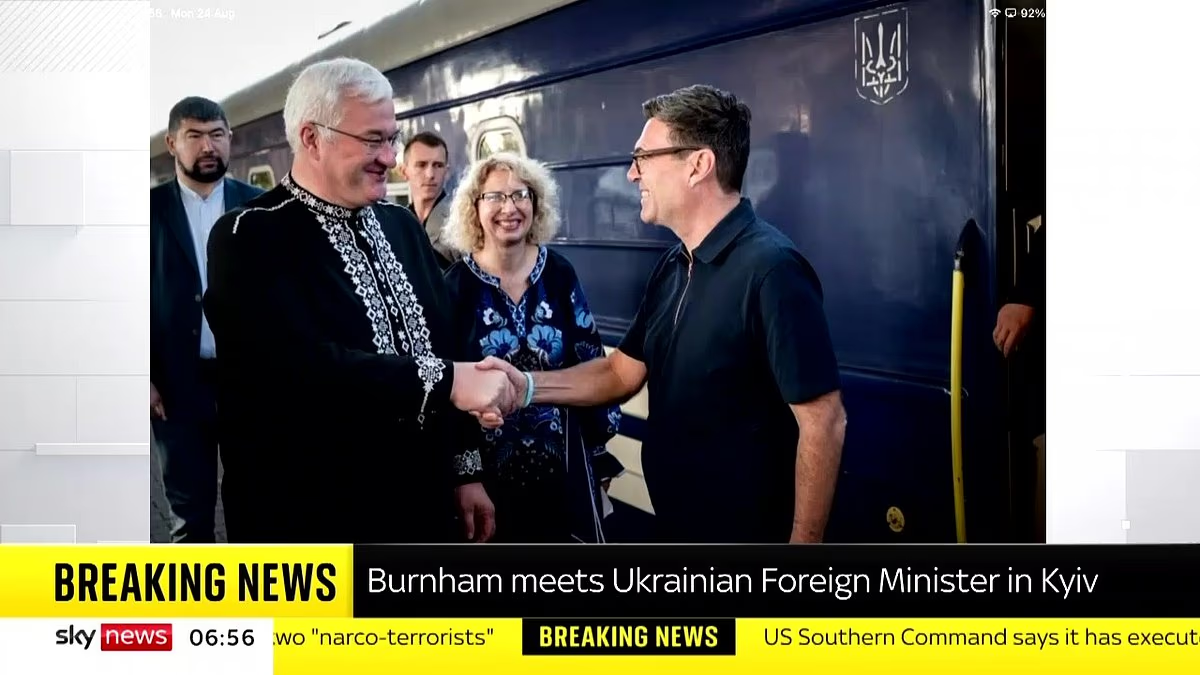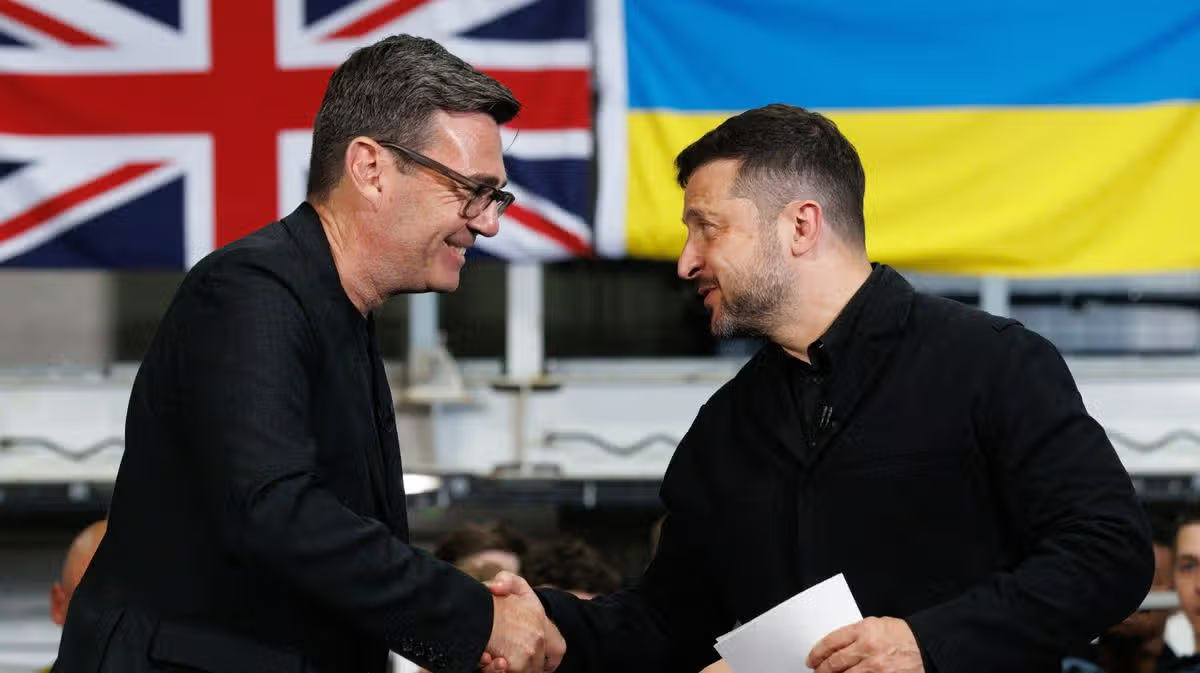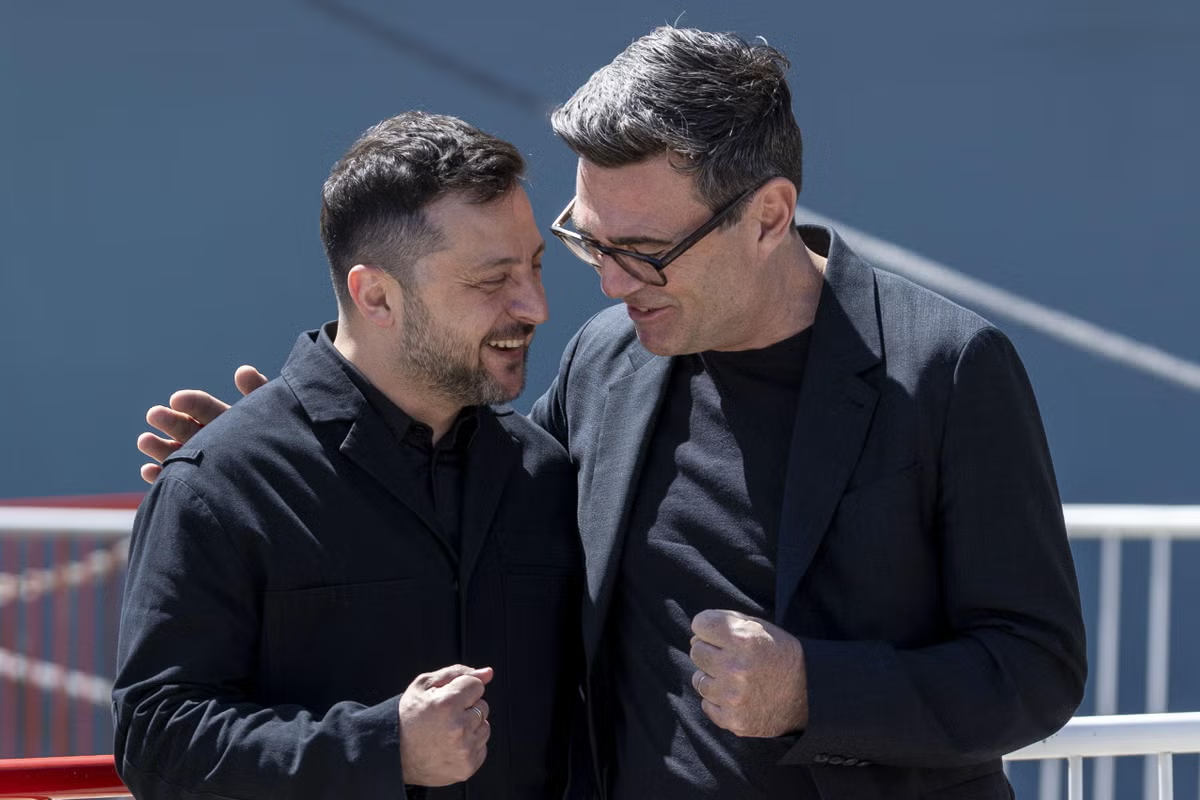
On the 35th anniversary of Ukraine’s independence from the Soviet Union (ie Russia), one distinguished guest in Kyiv was the British prime minister, Andy Burnham. He follows a long line of British politicians travelling to meet Volodymyr Zelensky and restate the UK’s loyalty to their cause.But this was more than a purely symbolic gesture – and it tells us much about the emerging style and substance of Mr Burnham’s foreign policy.The ostensible reasons for visiting the Ukrainian capital are perfectly in order. There is a meeting of the “coalition of the willing” to attend, as co-chair with France, of this ad hoc Western alliance.This national birthday is a significant one, given the circumstances, and it would be hard to say “no” to any invite from the embattled Ukrainians. But Kyiv is also “not Washington”.It is telling that Burnham did not choose to make a visit to DC his first foreign trip as prime minister, which has always tended to be the aim of most incoming premiers, at least where practicable.It doesn’t take much diplomatic nous to see the logic for giving the Americans a miss. Burnham isn’t a natural soulmate of Donald Trump, and he will be conscious of the ultimate fate of Sir Keir Starmer’s initially successful bid to be the “Trump whisperer”.Burnham is also more sensitive to the climate of opinion about the Trump administration, both within the Labour Party and across Britain more generally, which is increasingly hostile, if not appalled. There is no significant diplomatic, economic or political benefit for Mr Burnham or the UK in paying immediate obeisance to President Trump, especially while he is wrecking the world economy and waging a vicious trade war against Canada.The downside of the prime minister being humiliated, Zelensky-style, in some ambush in the Oval Office is also all-too obvious. One stray remark about immigration and it would be curtains for what little is left of the special relationship. A gift to Kemi Badenoch and Nigel Farage, an encounter with Mr Trump is not without risk. Mr Burnham is also keen to demonstrate continuity of policy on the Ukraine war – he is the fifth British leader Mr Zelensky has had to deal with since the full-scale invasion in 2022. If anything, Mr Burnham is perhaps even more actively pro-Ukraine than his predecessor.The significant news from the multinational talks in Ukraine is that Britain, with France, is to take a step forward in arming Ukraine and helping the war effort. So Mr Burnham has agreed that the defence firm MBDA can release classified information on UK componentry for the long-range missile, SCALP, as Ukraine looks to establish local assembly lines. MBDA is a joint defence manufacturer controlled by Britain, France, Germany, Italy and Spain; and SCALP is the alternative name for the Storm Shadow long-range ballistic missile, a weapon that Ukraine has used to great effect with strikes against Russian industrial, defence and infrastructure targets deep into enemy territory. The UK will also continue its joint leadership with France of the “coalition of the willing” and Britain’s “100-Year Partnership” with Ukraine. The coalition is committing £25bn in funding, including £16bn in military assistance, and £5.6bn in non-military support. Mr Burnham also wants to find alternatives to the US Patriot missiles to counter Russian bombardments. UK-made drones have also just seen action in Russia. Nonetheless, British “war aims” do seem to have gradually changed since the early unconditional support offered by Boris Johnson. The “maximalist” expression of British ambitions on behalf of Ukraine probably reached a zenith during Liz Truss’s brief premiership when she declared, in October 2022: “Ukraine can win, Ukraine must win, and Ukraine will win.”Since then, the war has dragged on and Mr Trump has returned to the White House – and that stance has quietly evolved into one which has had to accommodate attempts at agreeing a ceasefire and peace talks, albeit fruitlessly. So British support remains staunch, but no longer explicitly pinned on Ukrainian victory in the sense of regaining all the territory lost since 2022 or the first invasion in 2014. As Mr Burnham puts it: “Russia should be in no doubt of our resolve. We will not back down until there is a just and lasting peace.” That is not the same as winning the war.The signs are that Mr Burnham is in no rush to meet Mr Trump, and he may limit his foreign exposure to events and issues where he has to be present and exert leadership. He seems much more focused on the domestic agenda than his predecessor, and in Ed Miliband he has a foreign secretary with ample political experience and ability.Mr Miliband has made it his business to build a relationship with the sanest man in the administration (a small field), the secretary of state Marco Rubio, also a plausible successor to Mr Trump. Mr Miliband, who has also been organising international resistance to illegal Israeli settlement in the occupied West Bank, will be pushing the climate change agenda and taking on Britain’s challenging post-Brexit quest for a role. Mr Burnham will concentrate on the economy, public services and migration.After “never here Keir”, welcome to “always around Andy”.
After ‘never here Keir’, it’s time for ‘always around Andy’
Editorial: Mr Burnham’s choice of Ukraine for his first overseas visit as prime minister is loaded with meaning, and sends a strong message about his priorities on the global stage – not least to Donald Trump
860 words~4 min read