Free daily briefing on global business news.
Getting a dog changes your sleep in ways most new owners don't expect, from puppy bathroom breaks to what happens as your dog ages
Getting a dog changes a household in obvious ways. There is a leash by the door now. Kibble in the pantry. A vet's number saved in the phone. One change tends to catch new owners off guard: how much a dog affects the one activity that happens with the lights off. Sleep is often the first thing to shift once a dog moves in, and the shift runs in both directions.
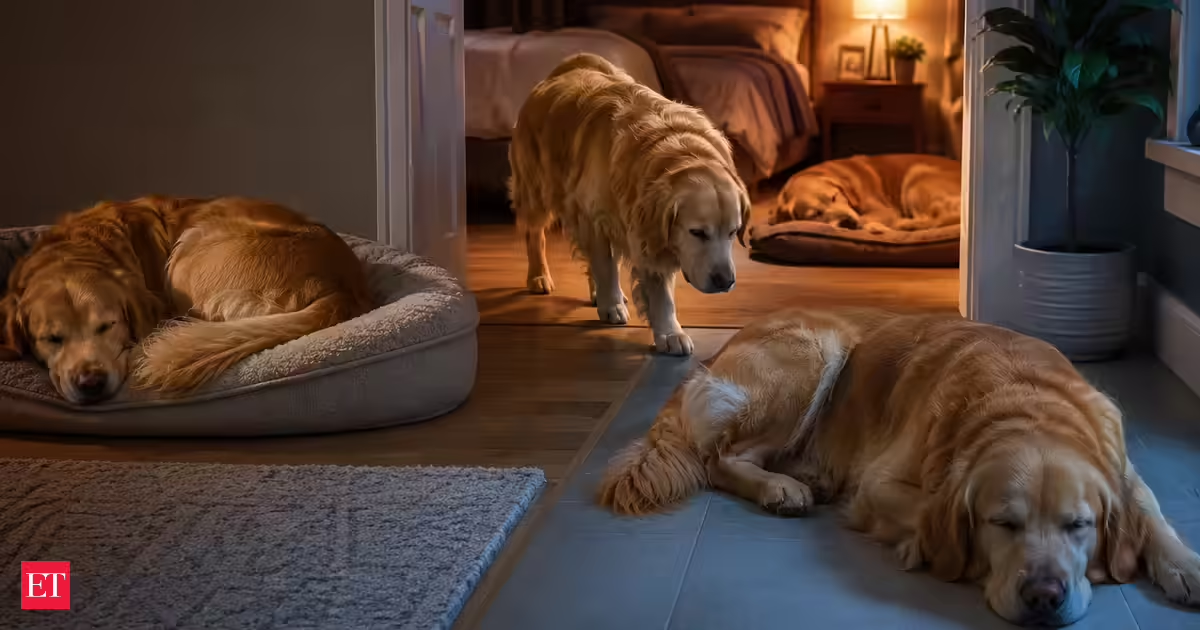
Some of it is disruptive. A puppy's small bladder costs an owner real hours of rest. So do a rescue dog's first anxious nights. A senior dog's aging brain can do the same, years later. Dander drifting onto a pillow can trigger allergy symptoms that keep a sensitive owner awake.
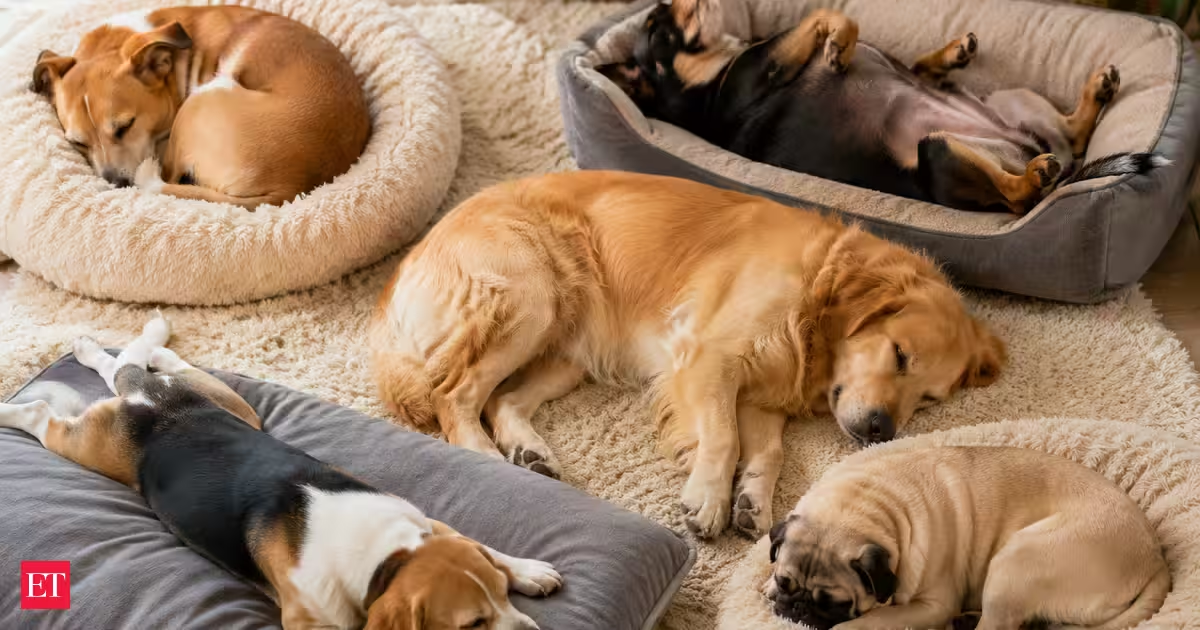
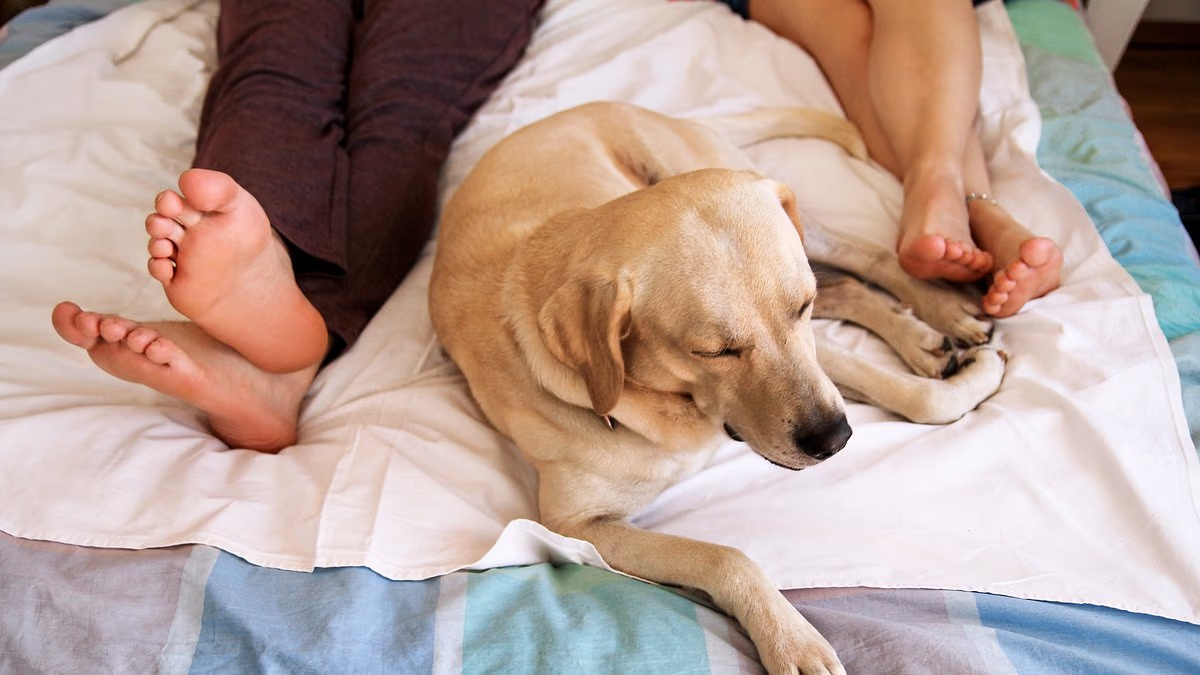
But the common assumption that a dog in the house always means worse rest does not hold up well. Sharing a bedroom with a dog, as opposed to sharing a bed, barely affects sleep efficiency for most owners. Falling asleep itself may even get easier. Dogs are unusually good at triggering a calming hormonal response in the people who live with them, and that response shows up in measurable ways before bedtime.