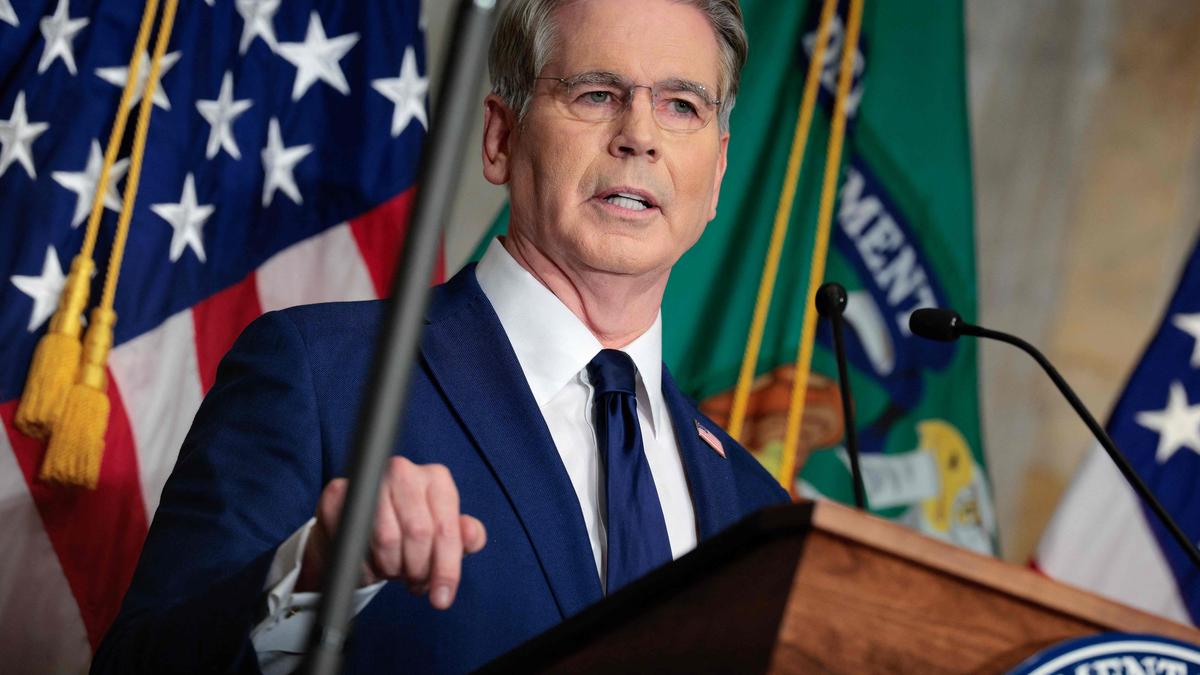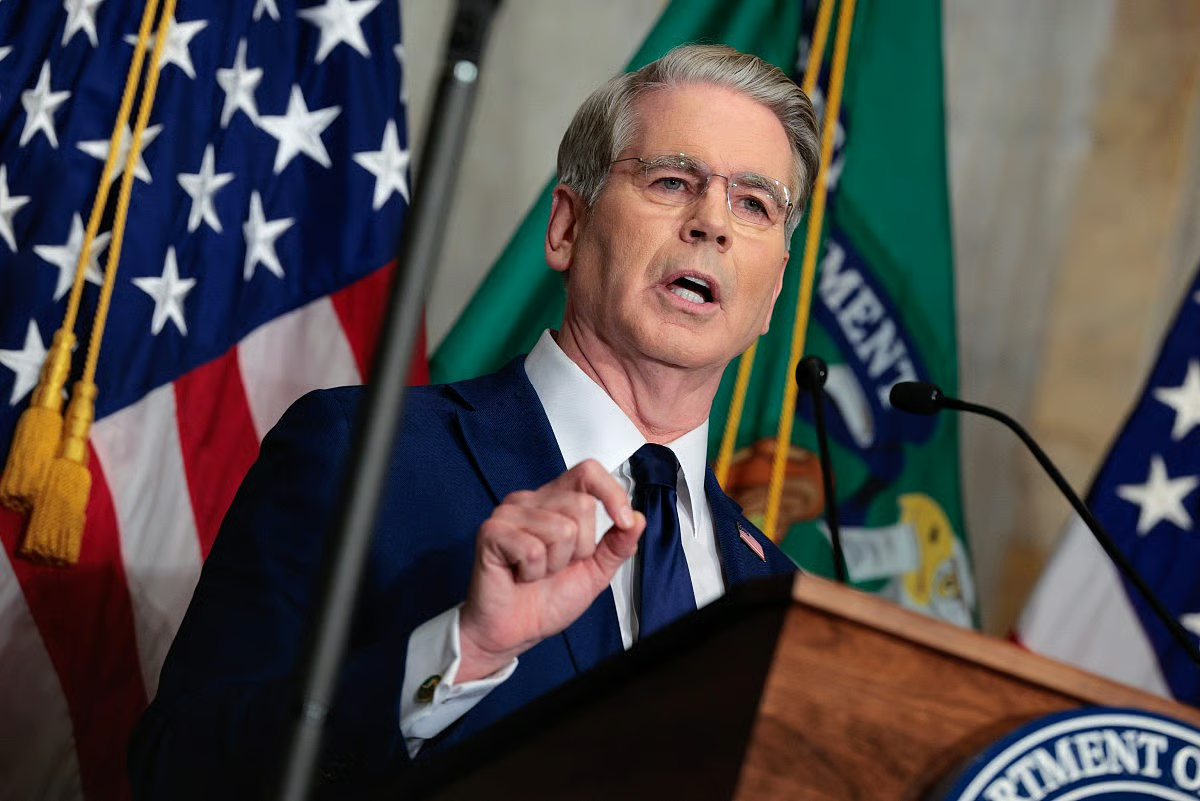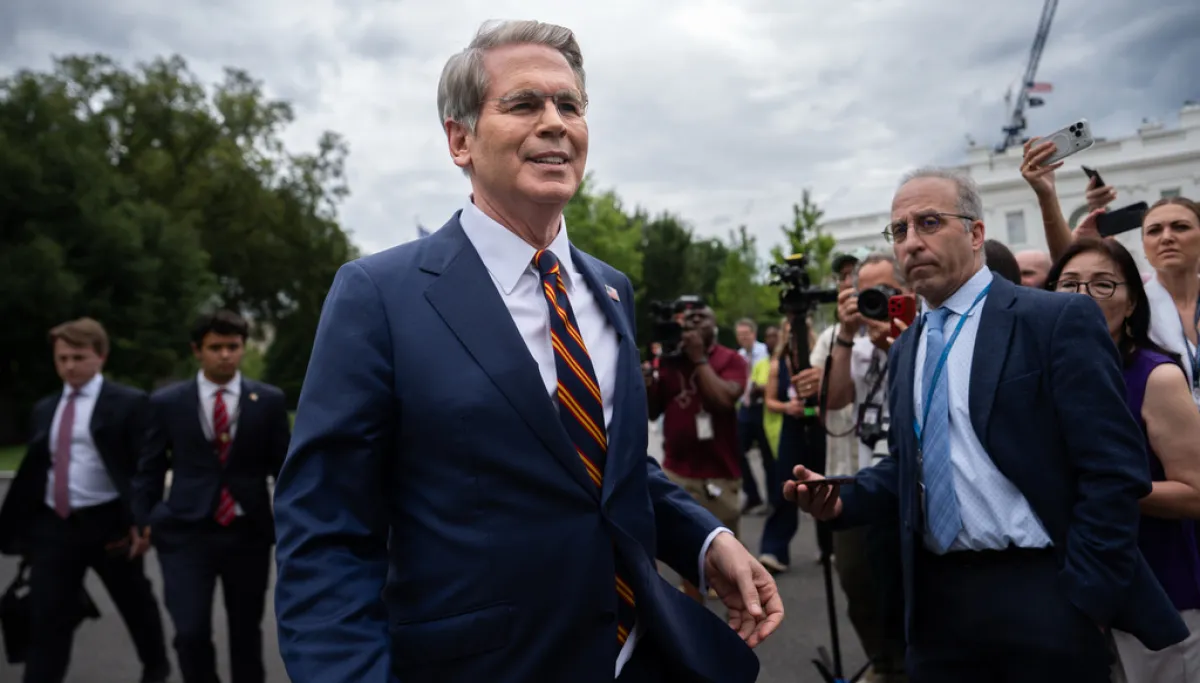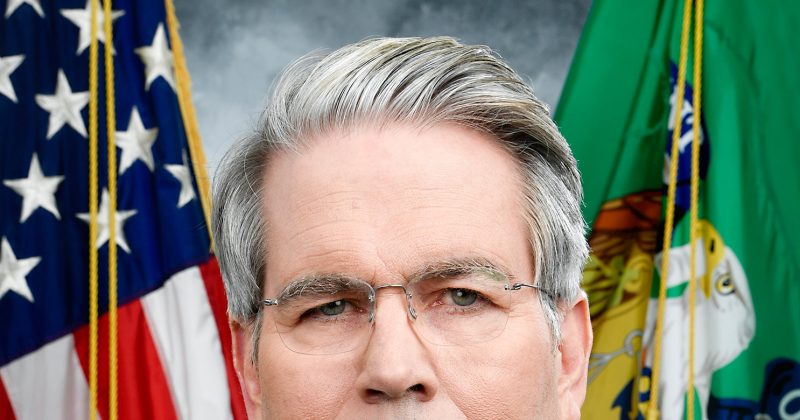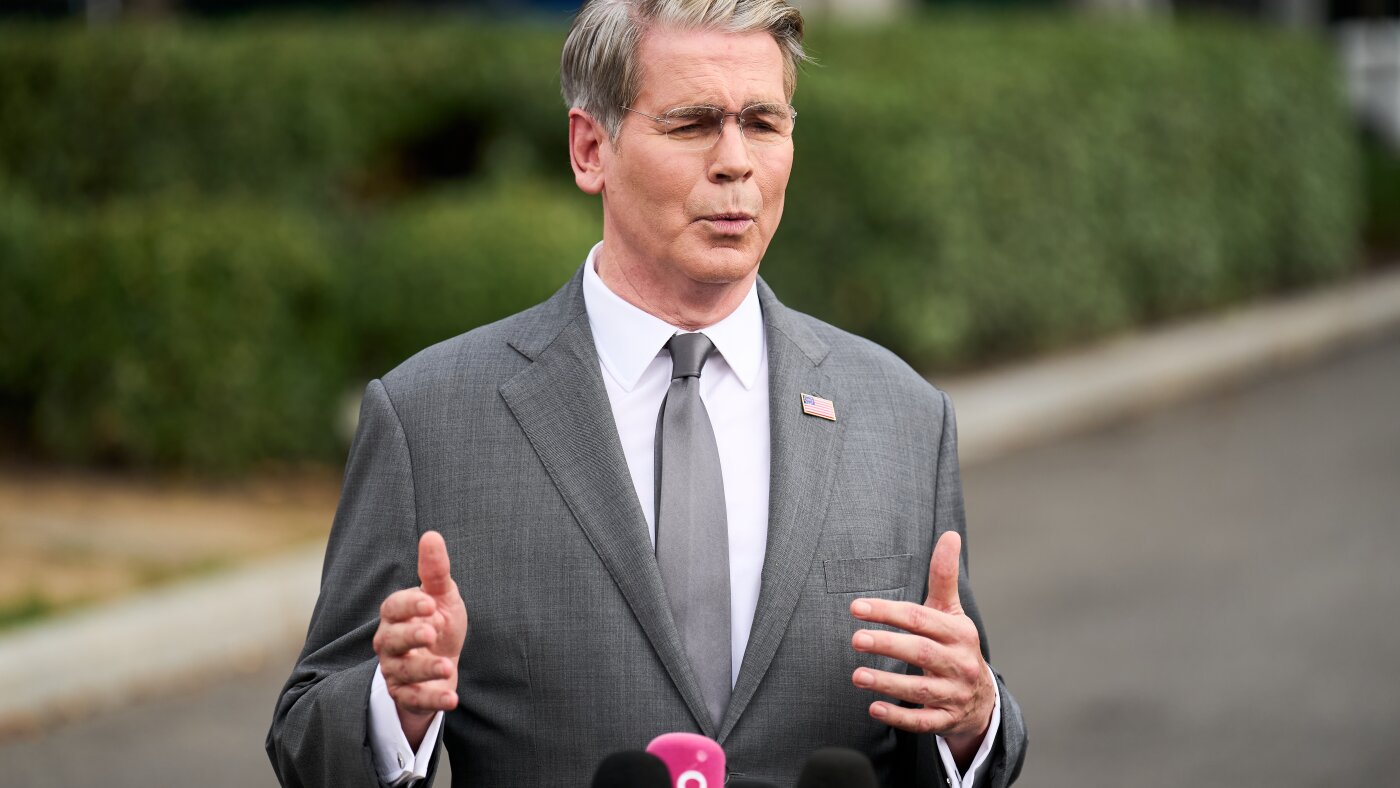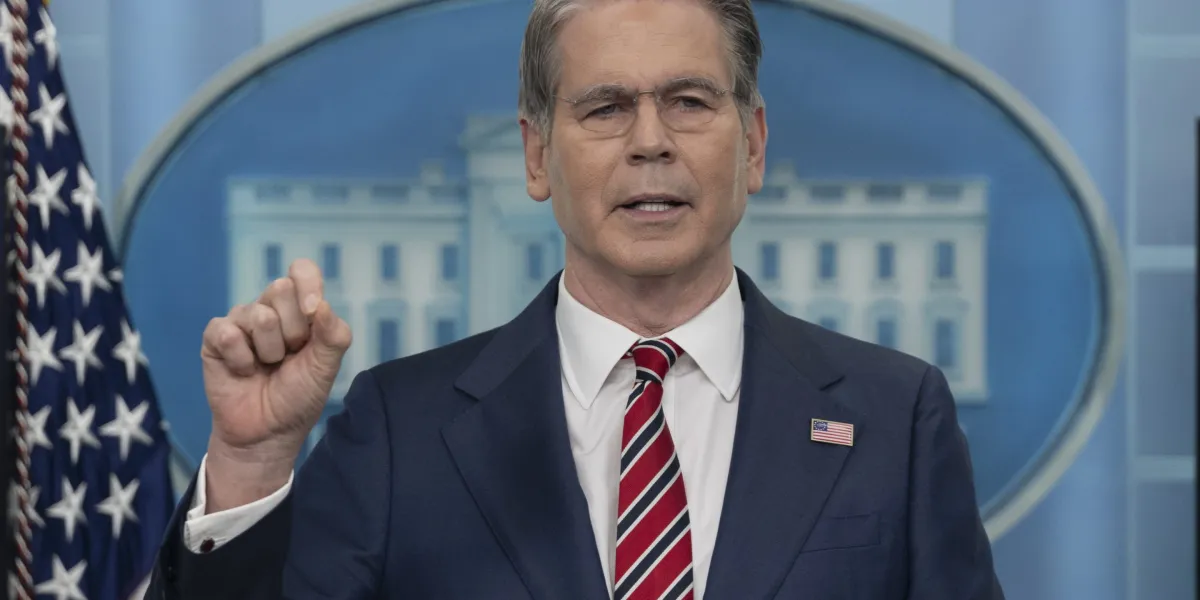
Facing an increasingly aggressive Iran and a slumping bond market, the Trump administration is betting that Treasury Secretary Scott Bessent can use the financial weapons in the government’s arsenal to achieve victory on both fronts.
The idea is to kill two birds with one stone: getting Iran to fully reopen the Strait of Hormuz would lower oil prices and take pressure off the bond market as investors lower inflation expectations. Still, Bessent faces a tall order in trying to coerce an Iranian government that’s committed to holding on to the strait.
On Monday, Bessent is expected to detail the “economic D-Day” the U.S. will level against Iran, focusing on countries that do business with the regime.
“And any nation that serves as a financial artery of a withering regime should expect to share in its isolation,” Bessent wrote in a Financial Times op-ed. “To become a sanctuary for terror is to become, in the eyes of the United States, a global pariah.”
Sources told Reuters that the Treasury Department will expand its use of secondary sanctions against entities and countries that engage with Iran, threatening to cut off violators from the dollar-based financial system.