As superintendent of Desert Sands Unified in California’s Coachella Valley, Kelly May-Vollmer has a hard time naming a system that’s not somehow connected to the district’s broadband network.Parents can check a school bus tracking app to make sure their child arrived on time. Cafeteria staff don’t use cash registers; kids’ meal accounts are linked to the cloud. Even grounds crews depend on external wireless access points to maintain the fields and landscaping at the district’s 34 schools.“They’re running our sprinkler systems off iPads,” May-Vollmer said.Her district is like the more than 96,000 across the country that apply each year for discounts on broadband service through a federal program called E-Rate. High-poverty districts like Desert Sands save up to 90% of the cost of connecting their schools and classrooms to the internet.
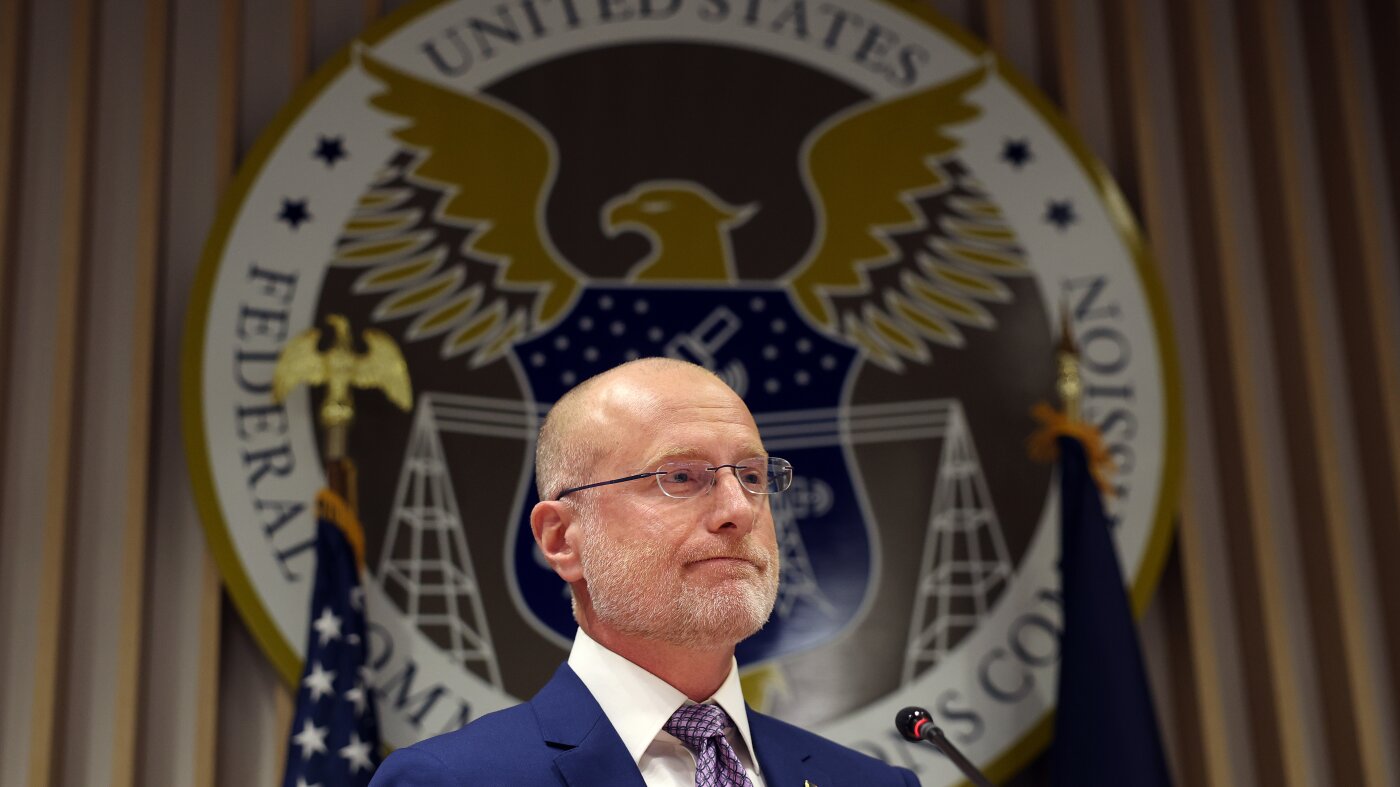
But the Federal Communications Commission, which oversees the program Congress created 30 years ago, has launched a “top-to-bottom” evaluation that has leaders of the nation’s school districts on edge. The FCC is collecting views on how the program should be reformed or even whether it should be abandoned altogether because it “has fulfilled” its mission. In addition to asking whether the benefit should be restricted to rural districts, the agency links E-Rate to present-day concerns over screen time. Comments are due Oct. 13 and replies are due Nov. 12.The proposal is “aimed at empowering parents and ensuring that our E-Rate program produces the great educational outcomes stakeholders have intended,” FCC Chairman Brendan Carr said in early June when he announced the review. In Project 2025, the far-right Heritage Foundation’s blueprint for the Trump administration, Carr said because of advancements in technology, decisions about the program “should be made with an eye to right-sizing the federal government’s existing broadband initiatives.”