Group B or AB plasma or platelet units may be given to patients with blood type O in bleeding emergencies or to avoid wasting B or AB units.In U.S. regions with high prevalence of alpha-gal syndrome, people with type O blood who received B or AB blood units were nearly four times more likely to have an allergic transfusion reaction than those who received O units.This was not the case in regions with low prevalence of alpha-gal syndrome.
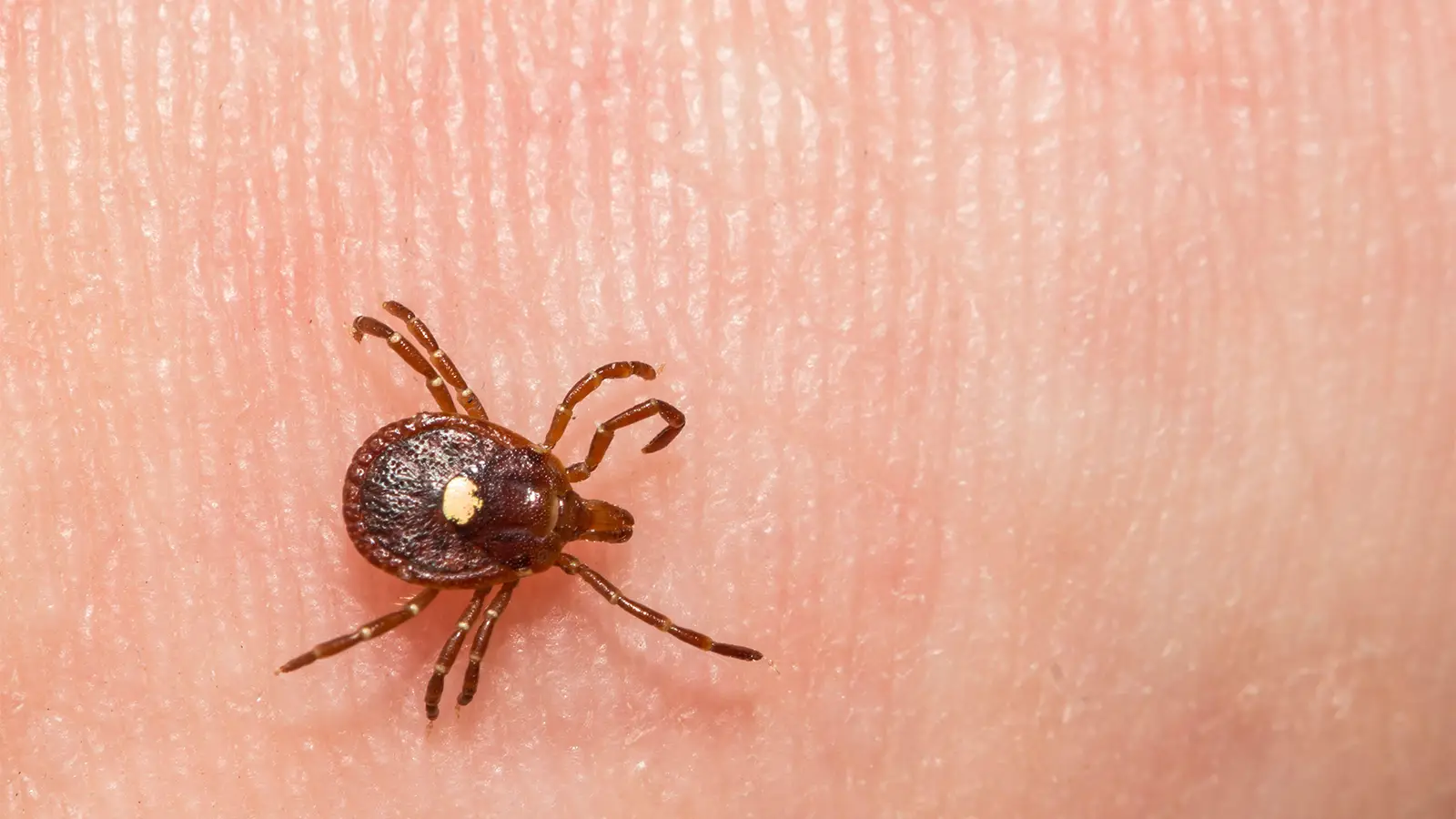
In areas with high prevalence of tick-induced alpha-gal syndrome (AGS), patients with blood type O appeared to be at significantly increased risk for allergic transfusion reactions to B or AB blood units, according to a retrospective cohort study.
In regions with high prevalence of AGS in the U.S., people with type O blood who received B or AB platelet or plasma units were nearly four times more likely to have an allergic transfusion reaction versus those who received O units (overall risk ratio [RR] 3.93, 95% CI 2.96-5.21, P<0.001), reported Richard Kaufman, MD, of the Dartmouth Hitchcock Medical Center in Lebanon, New Hampshire, and colleagues in JAMA Internal Medicine.
Notably, type O patients living in AGS low-prevalence regions did not have a significantly increased risk of allergic transfusion reactions when they received B or AB blood units (RR 1.06, 95% CI 0.88-1.29, P=0.53).