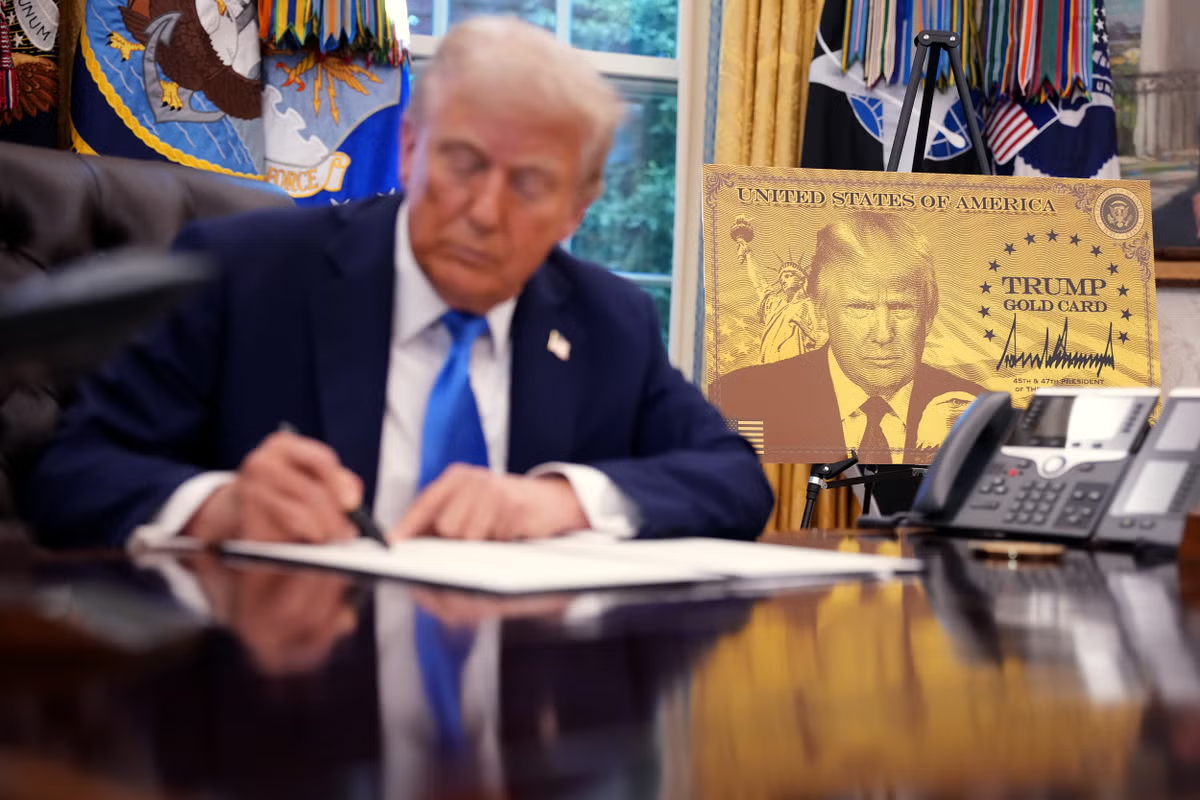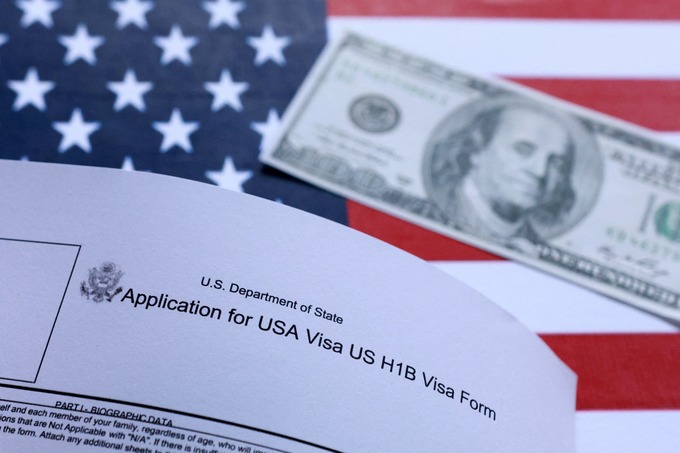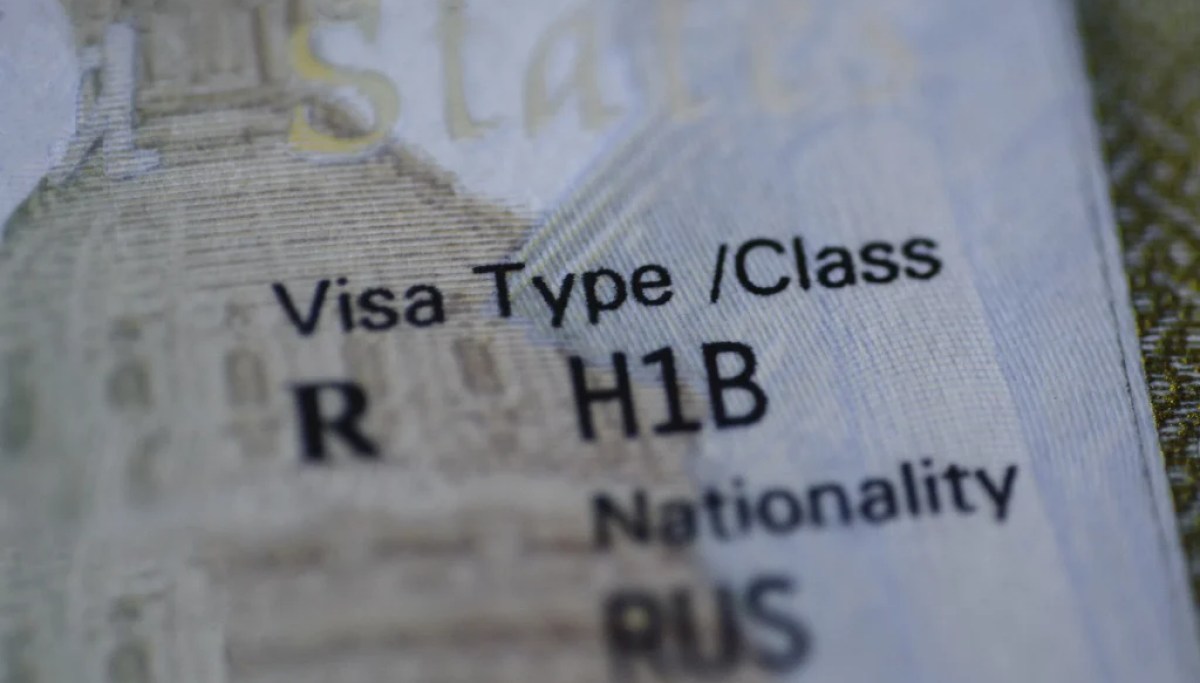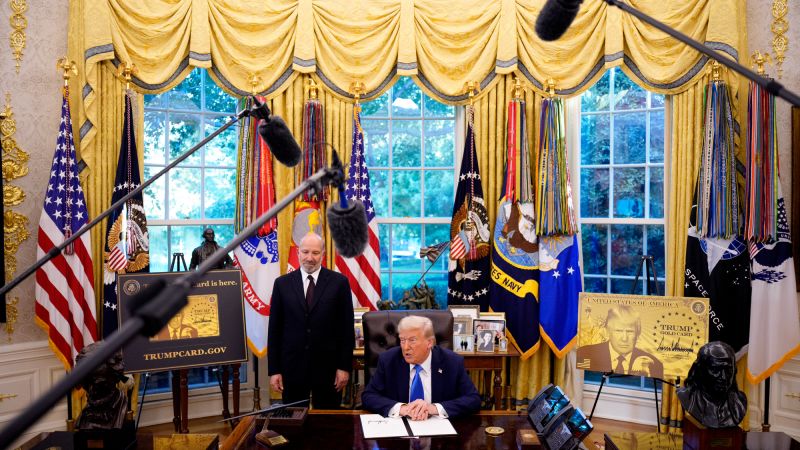
President Donald Trump's administration has filed paperwork to make a $100,000 fee for new H-1B visas permanent despite a judge's ruling that the fee is unlawful.Trump first imposed the increased fee for highly skilled foreign workers last year, dramatically raising the costs for visas heavily relied upon across the tech, education, and research sectors.A federal judge declared the new fee illegal in June, halting collection efforts. An appeals court in Boston is reviewing that decision while a separate court considers a challenge to the fee from a major business organization.Trump's temporary rule expires in September, one year after being issued. The U.S. Department of Homeland Security posted the draft rule in the Federal Register on Monday, which would make a $103,265 fee permanent. It could be finalized by year's end.Trump signed a series of executive orders on Sept. 19, 2025, establishing the ‘Trump Gold Card’ and introducing a $100,000 fee for H-1B visas (Getty Images)The H-1B program allows domestic employers to recruit foreign talent in specialized fields, offering 65,000 general visas annually, plus 20,000 for workers holding advanced degrees, for terms of three to six years. Before Trump's order, standard fees ranged between $2,000 and $5,000.The cost would not apply to foreign citizens already in the United States on student visas, who represent a significant share of new H-1B recipients, or to visa renewals.Trump, a Republican, and other critics contend the initiative is exploited by companies replacing American workers with cheaper foreign labor. Business groups and individual companies maintain the program is necessary to address domestic skilled labor shortages and attract top global talent.According to court filings, roughly 70 employers had paid the $100,000 fee on 85 visa applications as of late February.In implementing the charge, Trump invoked executive authority under immigration law to restrict foreign nationals whose entry would be detrimental to U.S. interests.The lawsuit opposing the fee was brought by the U.S. Chamber of Commerce, Democratic-led states, and a coalition of unions and employers. These legal filings could be amended to target the proposed rule once finalized.Litigants argue executive authority to limit entry cannot override laws establishing the H-1B program. They also contend Homeland Security cannot impose fees or raise federal revenue without congressional approval.The Trump administration maintains the charge is not a standard tax and that courts have limited power to question presidential authority regarding national entry restrictions.Amid a broader immigration crackdown, employers submitted about 344,000 H-1B registrations last year—down over 25 percent from 2024 and less than half the 794,000 sought in 2023, according to U.S. Citizenship and Immigration Services data.The administration has also ordered stricter vetting of applicants and proposed a selection process favoring higher-skilled, better-paid workers. Earlier in August, Homeland Security introduced separate rules adding fees up to $4,500 for visa extensions or overseas employee transfers.
Trump moves to make $100,000 fee for H-1B worker visas permanent
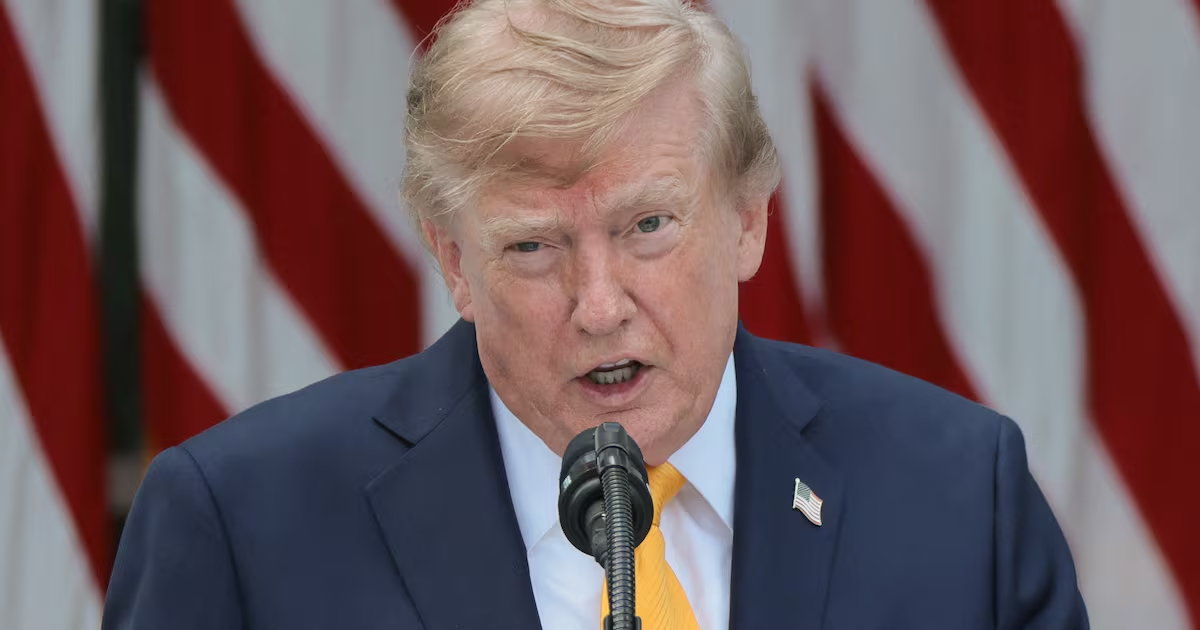
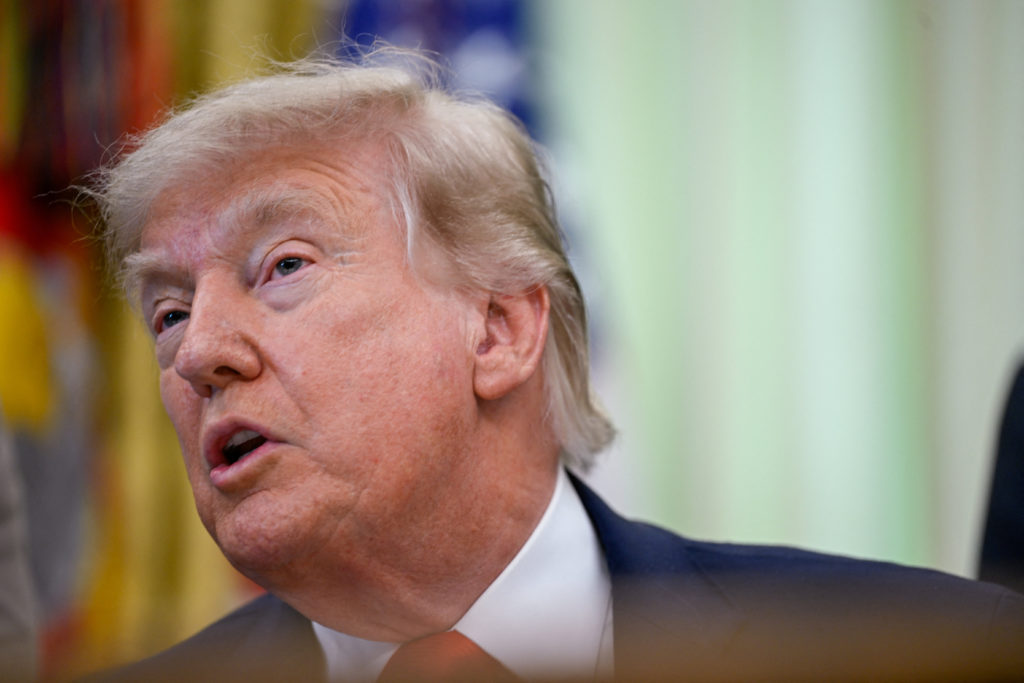
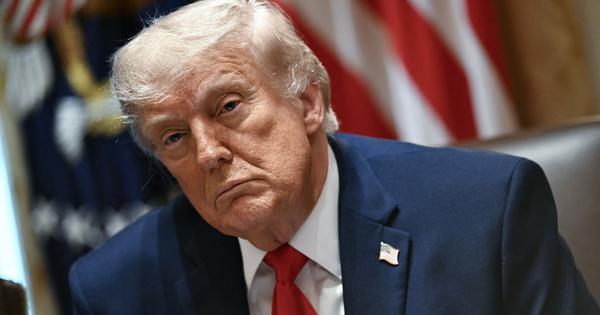
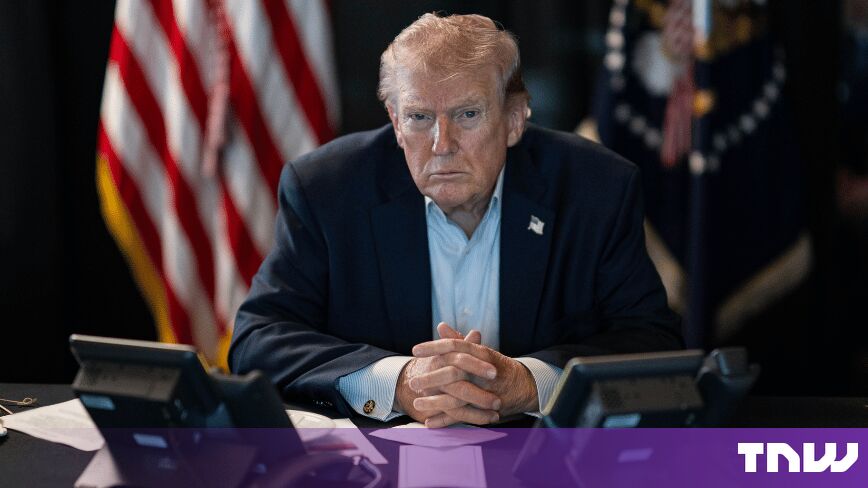
Trump and other critics of the H-1B visa program claim the initiative is exploited by companies replacing American workers with cheaper foreign labor
462 words~2 min read