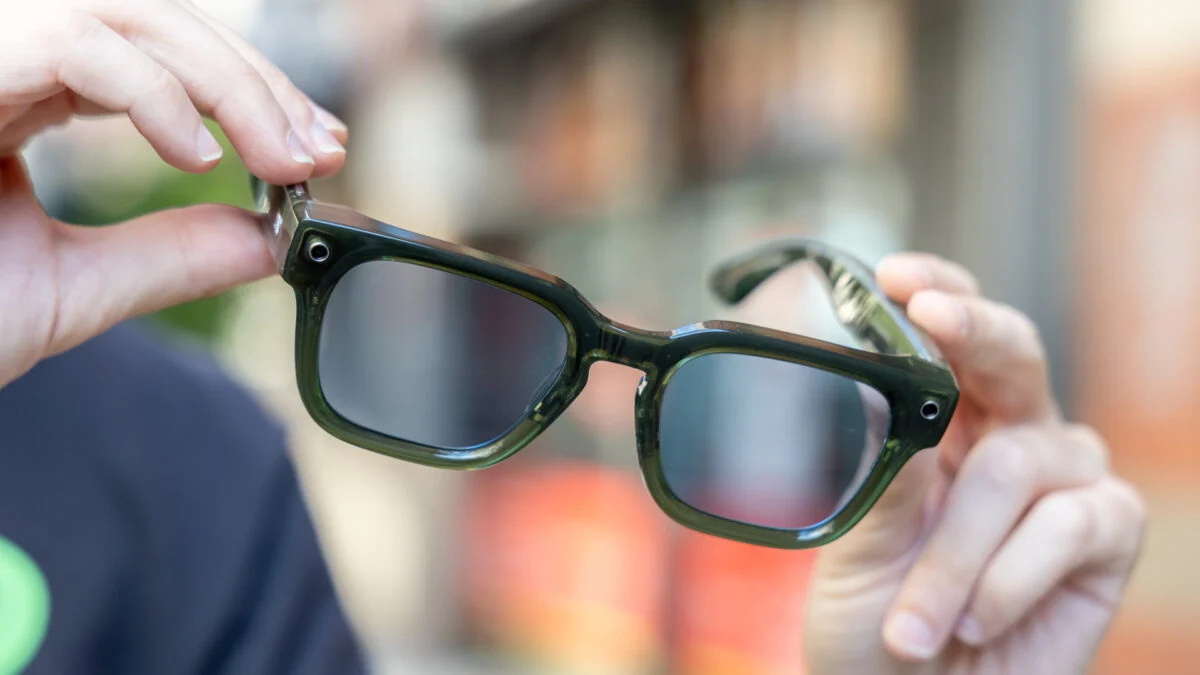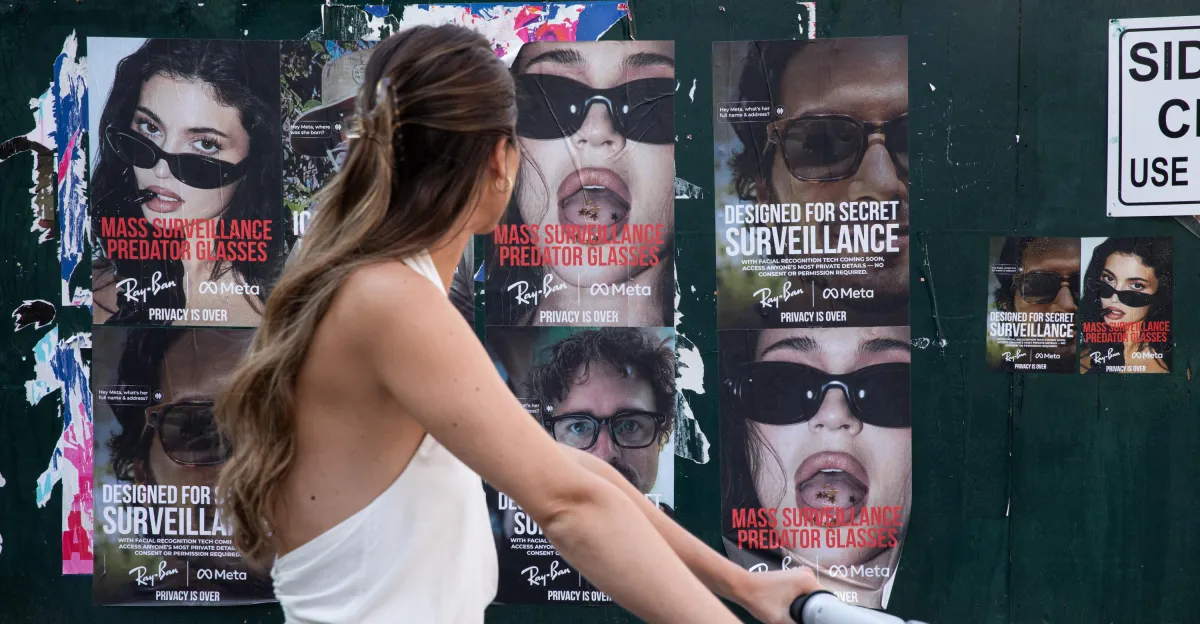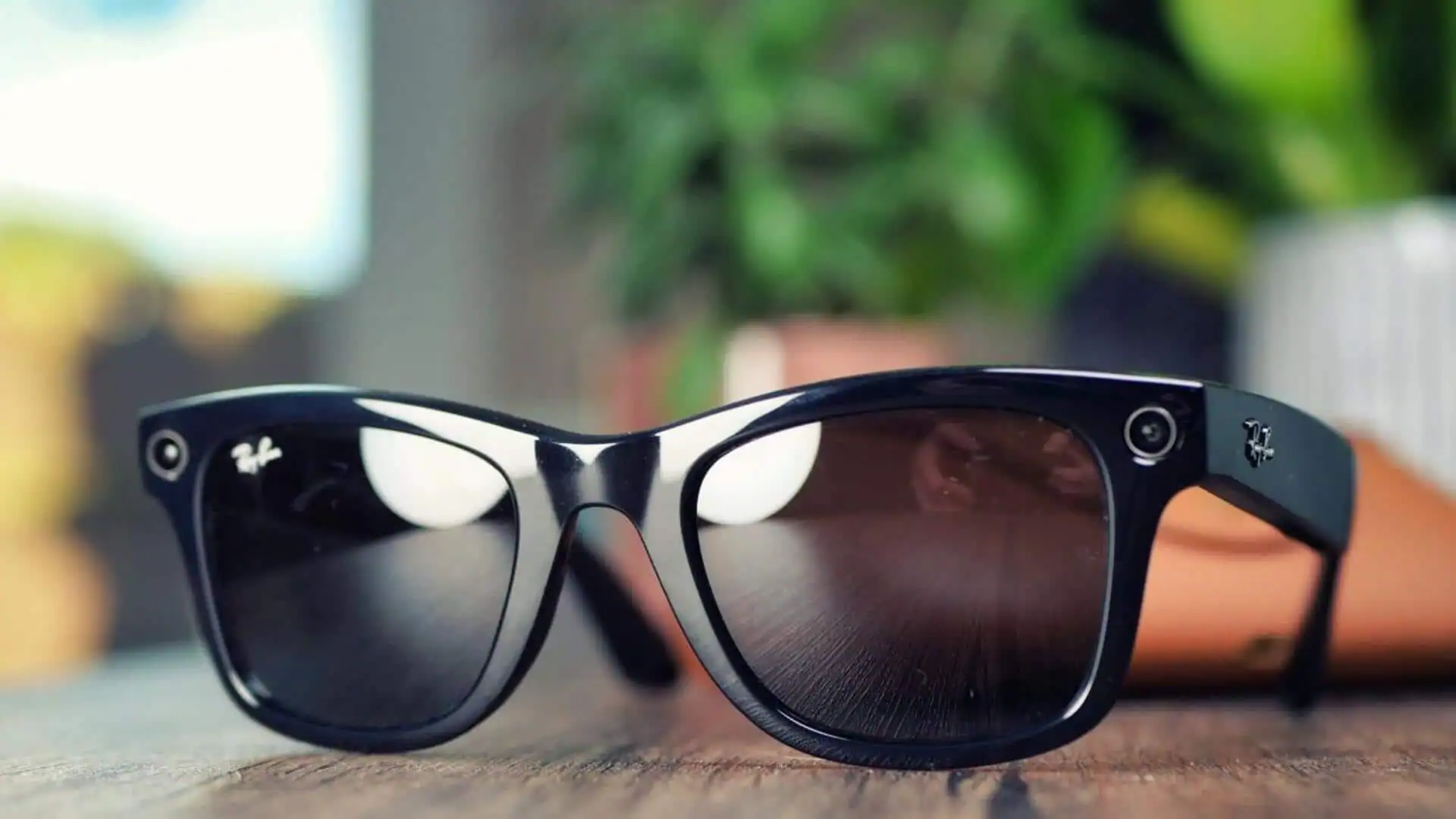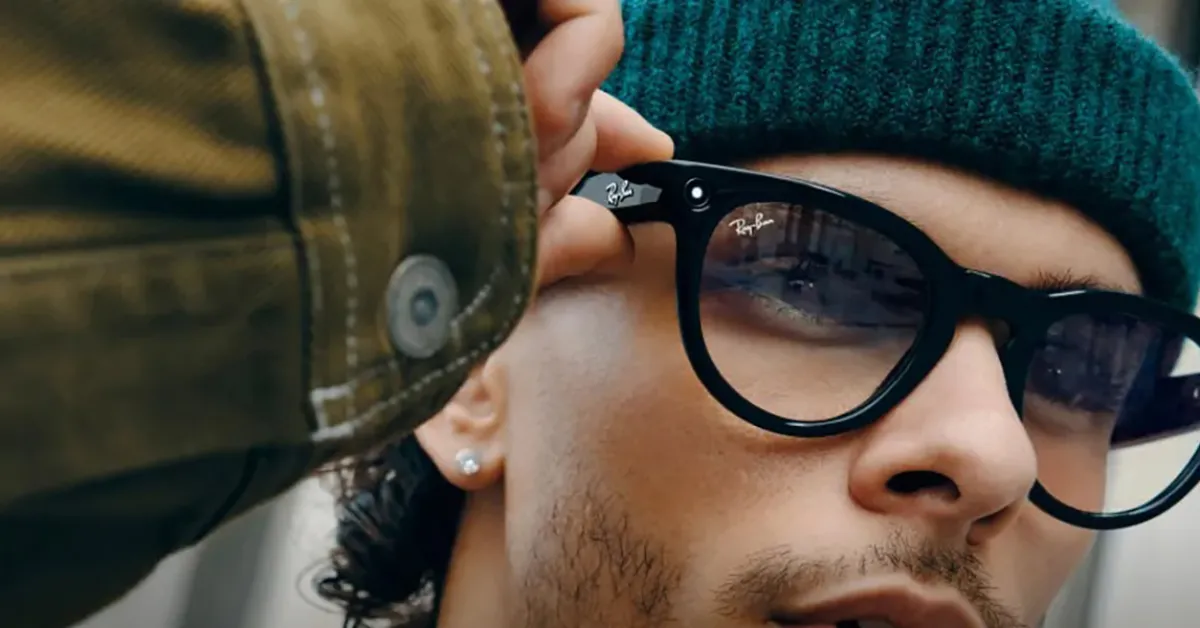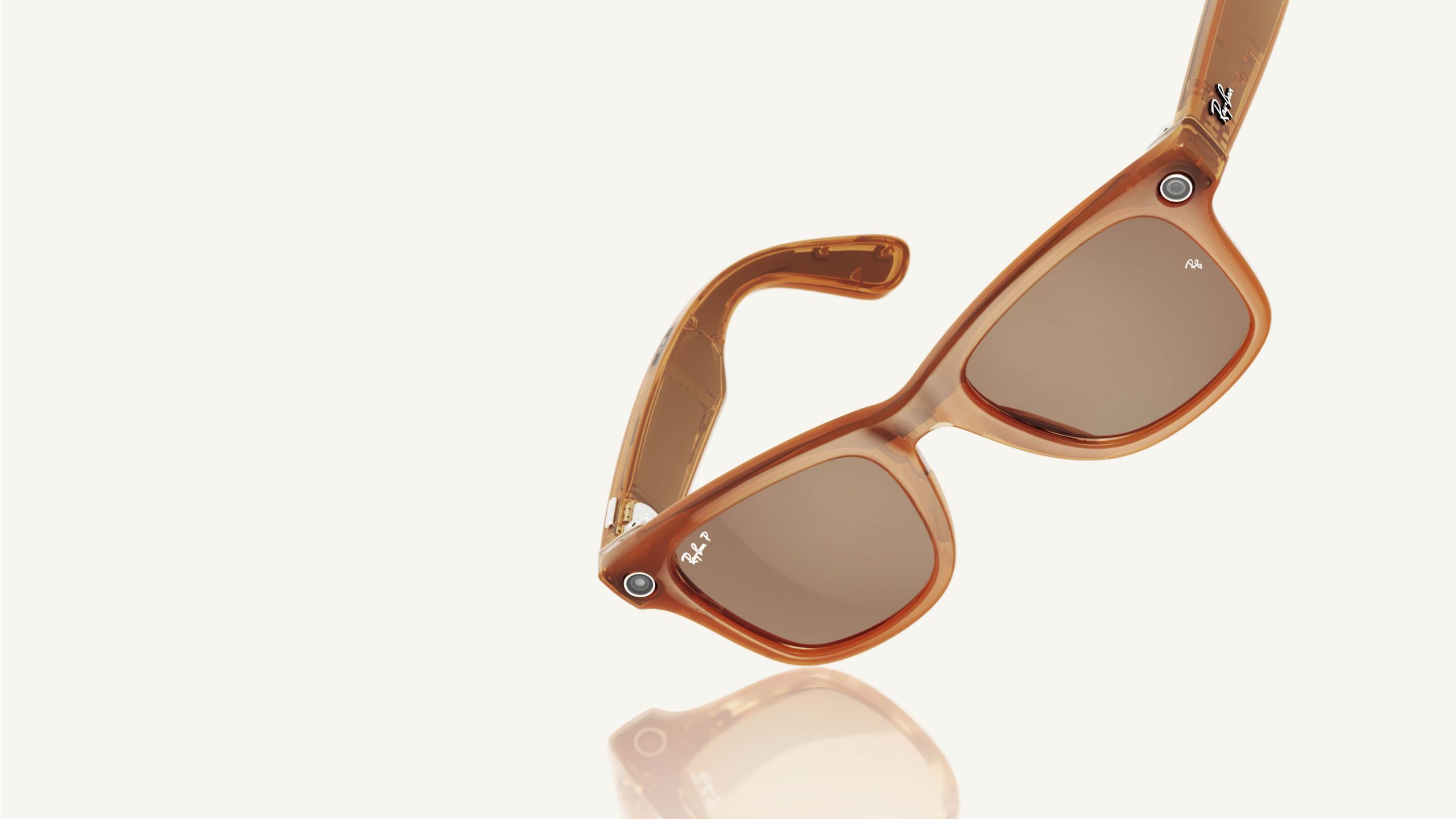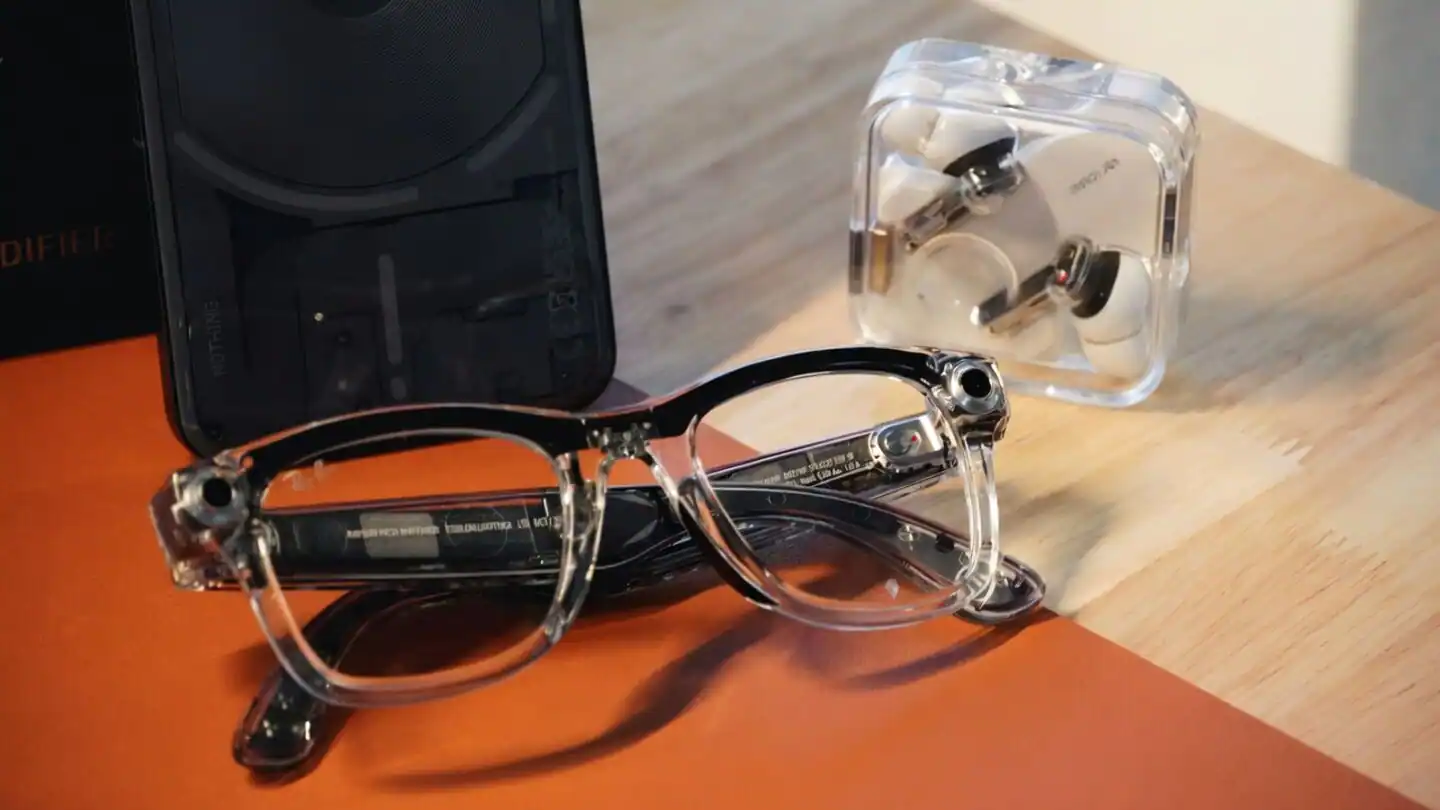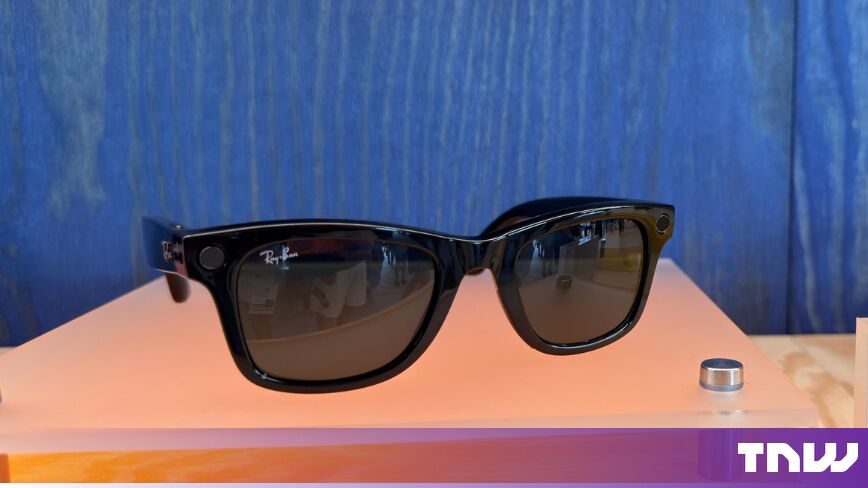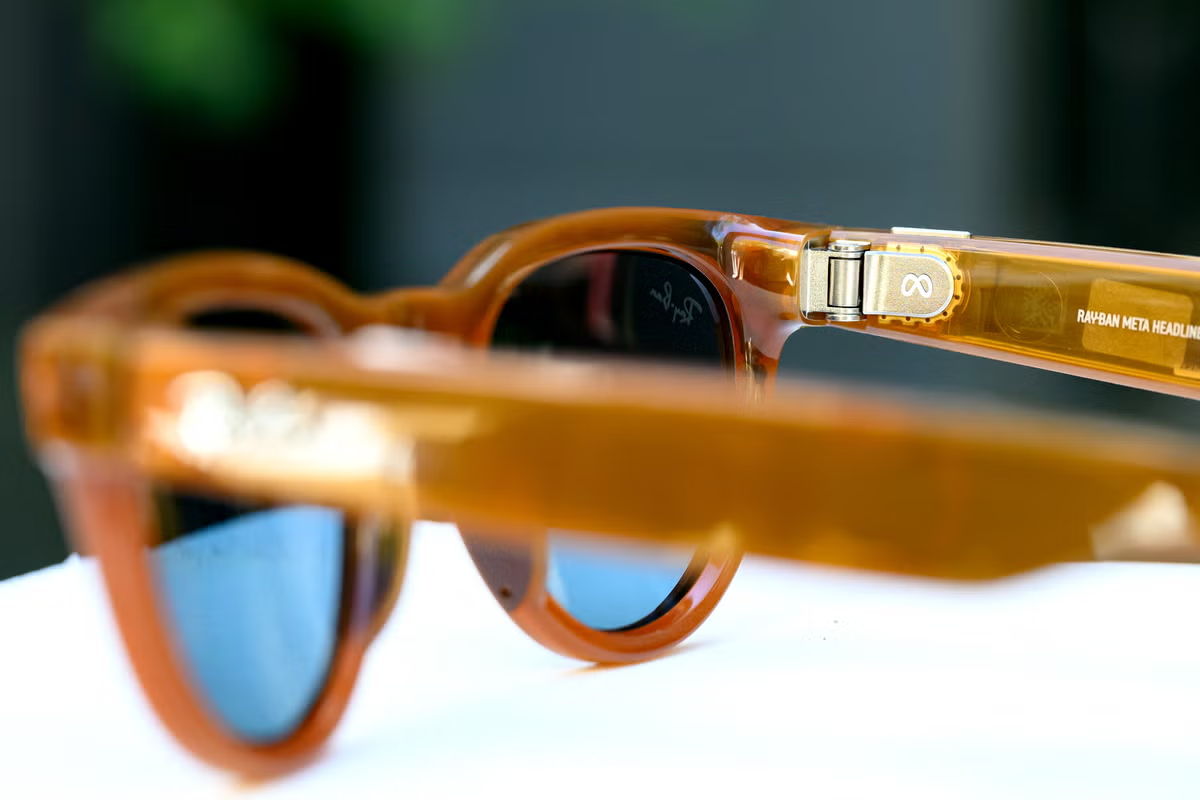
Meta appears to be working on a “kill switch” for its controversial smart glasses.The company first launched the smart glasses in 2021, in collaboration with Ray-Ban. They include a camera in their front to make it easy to take photos and videos, and have undergone a number of iterations since.In recent months, however, they have been subject to sustained criticism and scorn for making it easier for people to film others without their consent or even knowledge. The outrage has been such that the eyewear has been informally branded “pervert glasses”.A new patent, filed earlier this year by Meta and granted last week, appears to suggest that the company could be working on new ways of restricting the amount of filming that the glasses are able to do. While it was filed before the current outrage reached its peak, it may be a response to ongoing questions about whether the glasses are a threat to people’s privacy.The patent describes a feature for “consumer devices, such as augmented reality devices”, and though it does not name Meta’s smart glasses specifically it includes a number of illustrations that look notably similar to the products currently on sale. It describes a “hardware privacy mute circuit”.That would allow it to switch off one or more sensors in the glasses in the hardware itself. That would “provide tamper-resistant privacy controls that cannot be compromised through software exploits”, the patent says.Such a system would mean that the glasses would be physically unable to record, in a way that could not be switched on through a hack or other attempt to break into the software that powers them.Meta’s glasses already include some features aimed at limiting their use for photos or videos without the knowledge of the people being filmed. They include a light that appears on the front of the glasses when the camera is on, though guides online offer a variety of ways to hide it.
Meta working on a ‘kill switch’ for its controversial smart glasses
Camera-equipped eyewear has attracted controversy and scorn for making it easier to film people without their consent
321 words~1 min read