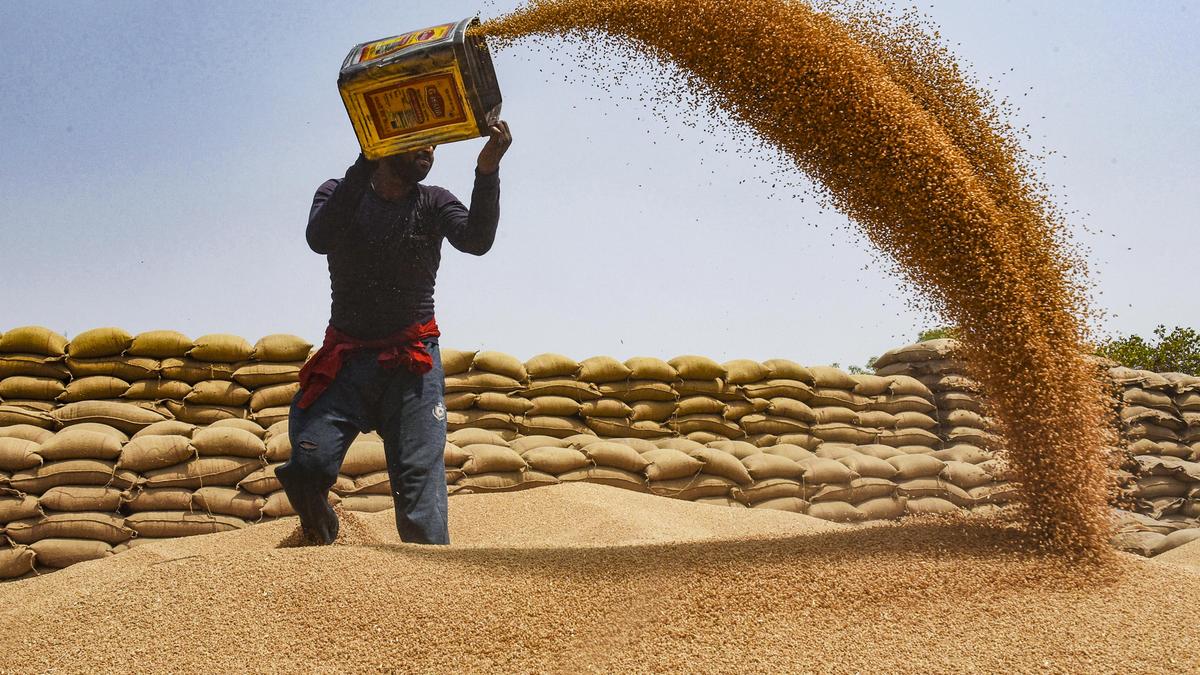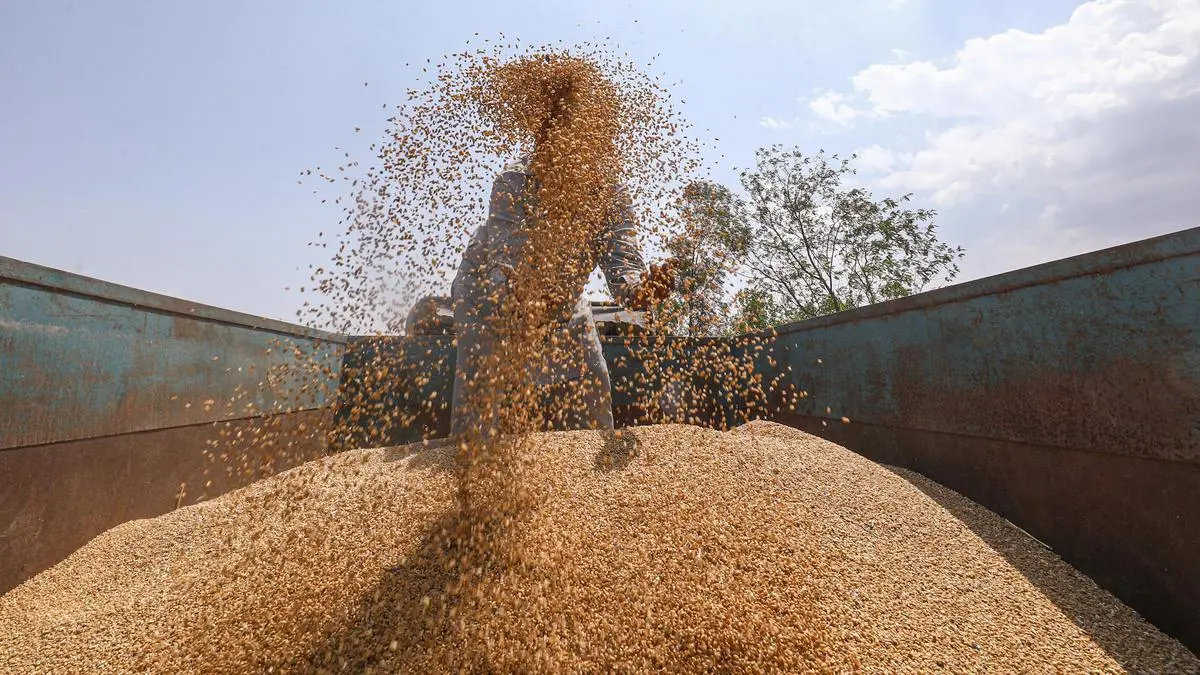
The full reopening of export channels is expected to benefit farmers and exporters by providing access to overseas markets and potentially improving price realisation
| Photo Credit:
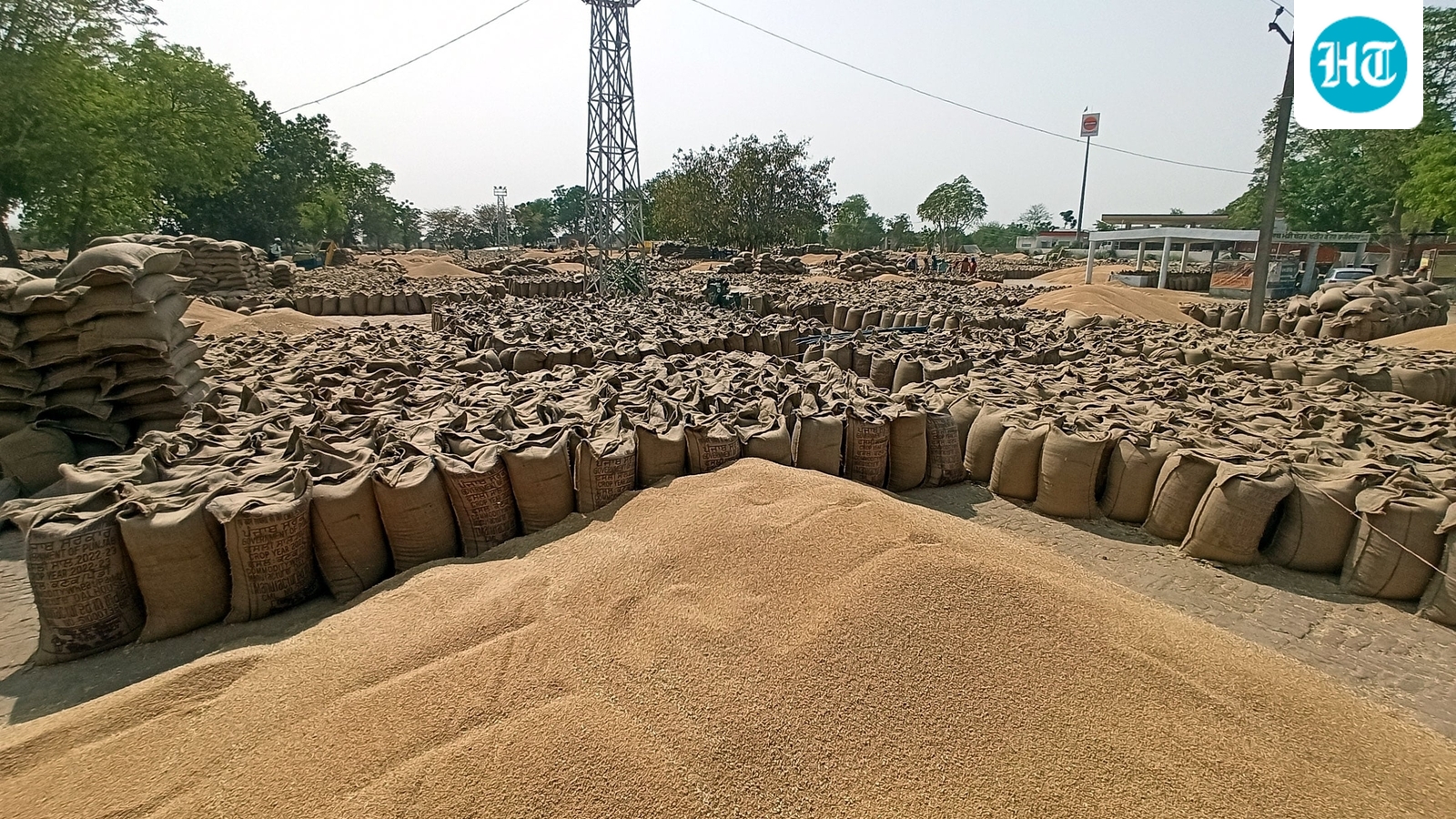
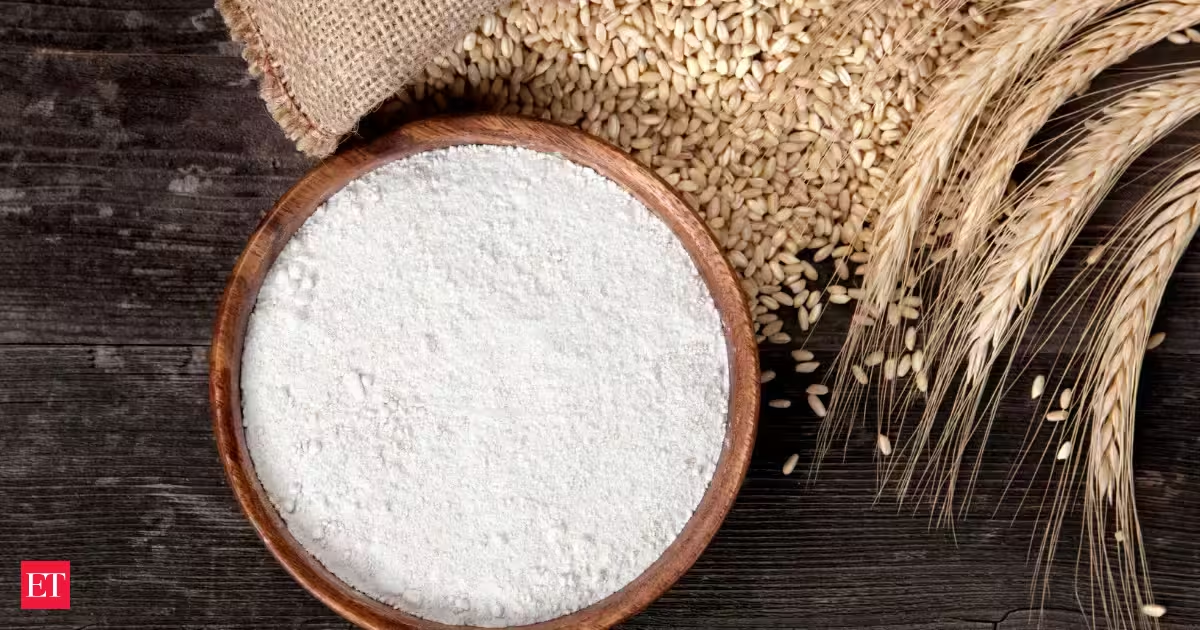
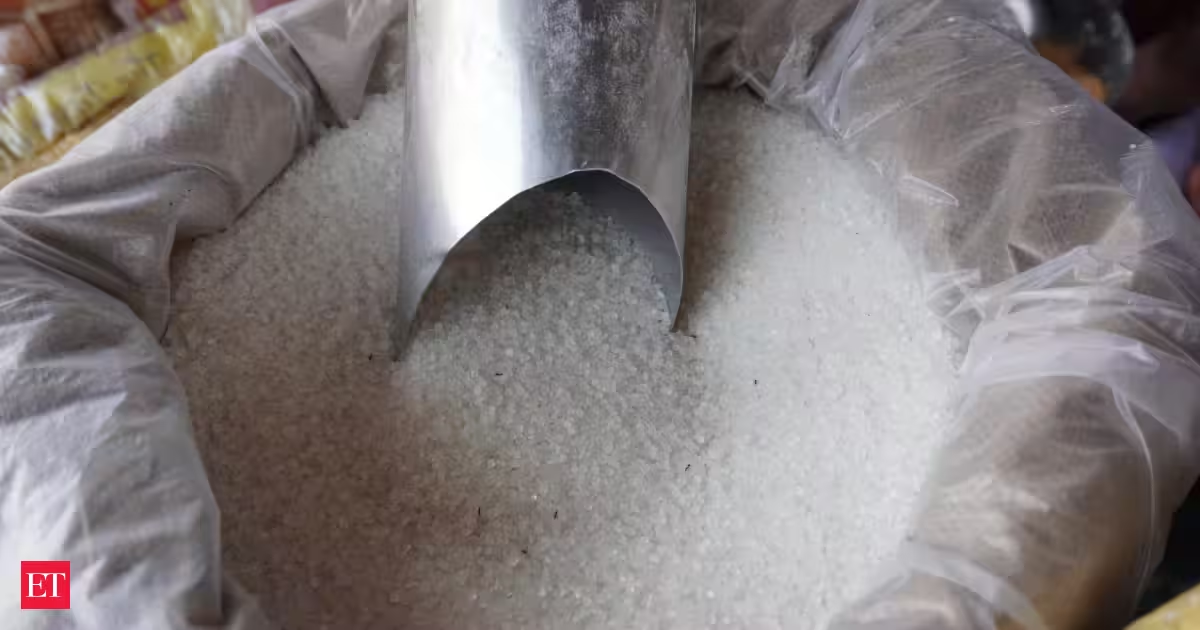
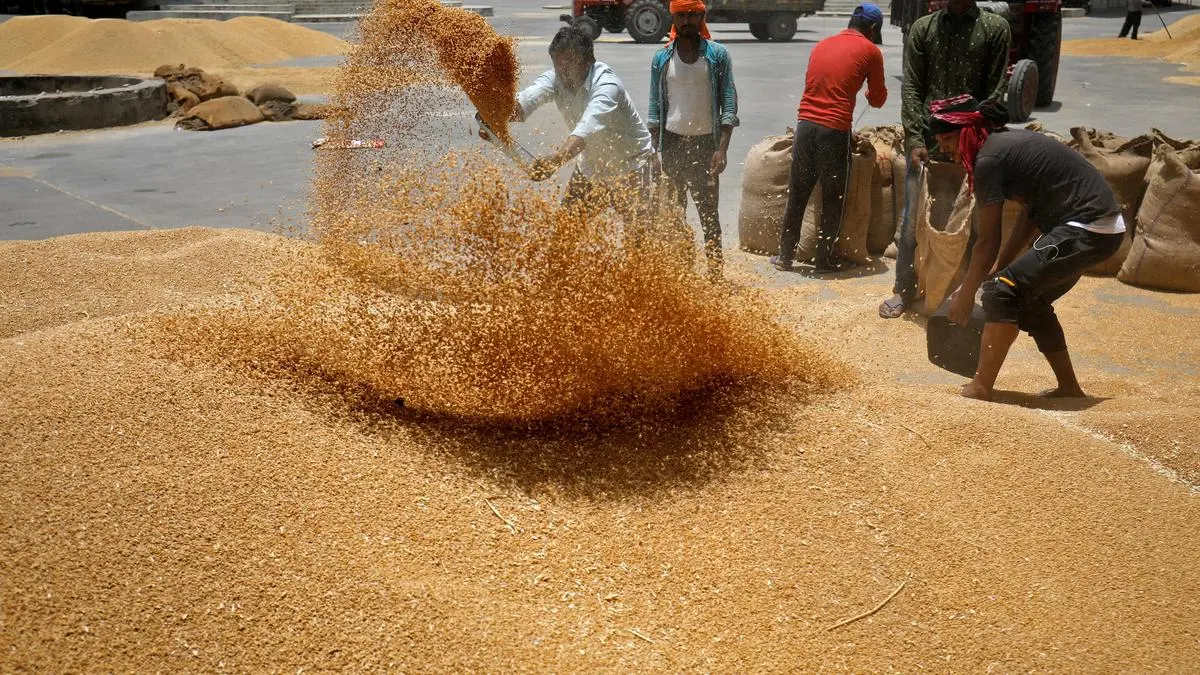
After four years, the government on Monday removed the ban on exports of wheat and wheat-based flour products, including atta, maida, semolina (suji), wholemeal atta and resultant atta, marking a major policy reversal as record domestic production and comfortable supplies reduced concerns over food security.The Directorate-General of Foreign Trade (DGFT) amended the export policy of wheat and durum wheat as well as wheat or meslin flour (atta), maida, semolina, wholemeal atta and resultant atta from “prohibited” to “free”, with immediate effect. “The export policy of the above mentioned products/items shall accordingly be 'free’ with immediate effect,” the DGFT stated in two separate notifications, one covering durum wheat and wheat and the other covering wheat flour products including atta, maida and semolina.Easing situationThe restrictions were originally imposed in May 2022, when wheat exports were prohibited amid concerns over domestic availability and rising prices. Restrictions were subsequently extended to wheat flour and related products in August 2022.However, with the situation in the domestic market easing due to record production and robust wheat stocks, the government had allowed a cumulative 5 million tonnes of wheat and 1 million tonnes of wheat products to be exported this year, in February and April.The decision to allow fixed quantity for export was taken earlier under permit system. But less than 1 lakh tonne of wheat products and less than 3 lakh tonnes of wheat have actually been exported so far, industry players noted.“While the ban was imposed all of a sudden, it took four years to lift. Now that it has been lifted, the government should not ban, at least for atta (wheat flour) as it is meant for Indian diaspora,” said Pramod Kumar, former president of Roller Flour Millers Federation of India. He further said that since some mills in West Asia have already come up to meet the overseas demand of Indian wheat products, exporters will take time to re-establish themselves, he added.Export channelThe full reopening of export channels is expected to benefit farmers and exporters by providing access to overseas markets and potentially improving price realisation. It could also help Indian exporters regain markets lost during the four-year restriction period, particularly in neighbouring and import-dependent countries.For global markets, the timing is significant as disruptions to Black Sea grain flows have tightened global wheat supplies and pushed international prices higher. Additional supplies from the world’s second-largest wheat producer could ease availability for import-dependent markets in Asia, Africa and West Asia.Published on August 24, 2026