Expectations for sharply higher electricity demand are also driving the pace of the rollout.
US power consumption is expected to grow 39 percent by 2035, according to consultancy ICF, driven by energy-hungry data centers and the electrification of household appliances and transport. The surge comes after demand remained steady for more than a decade.
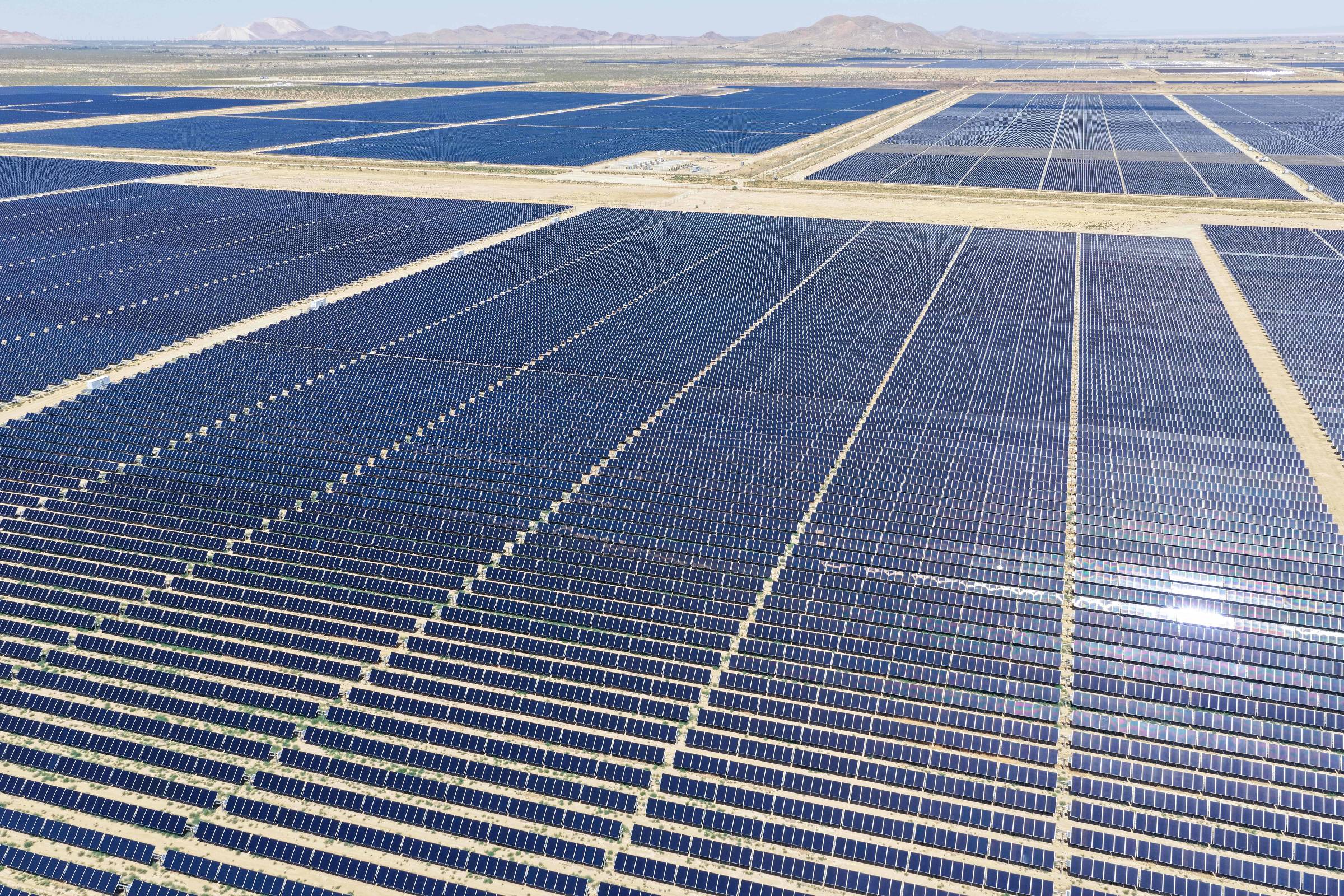
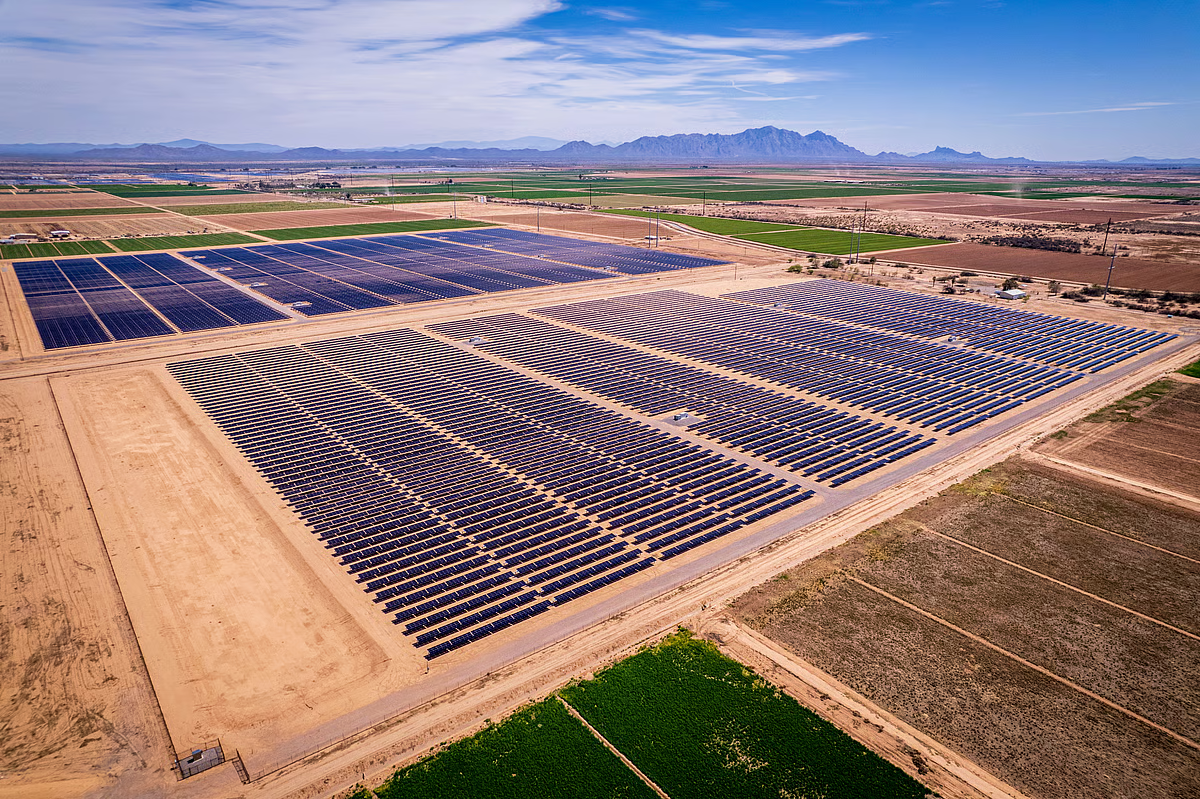
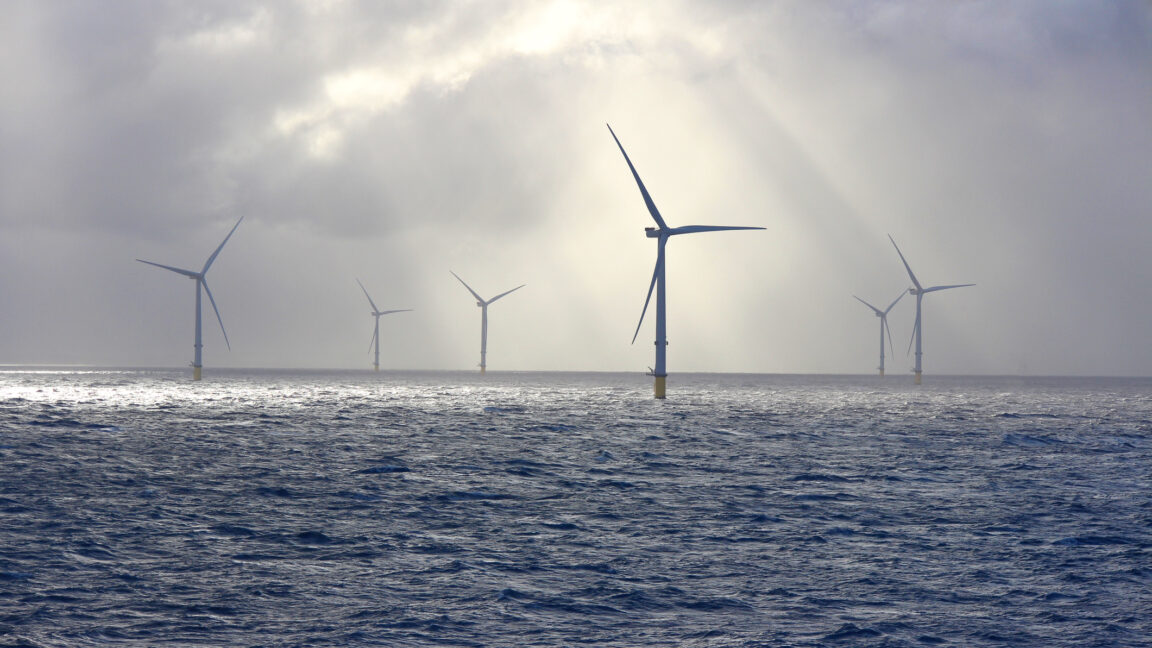
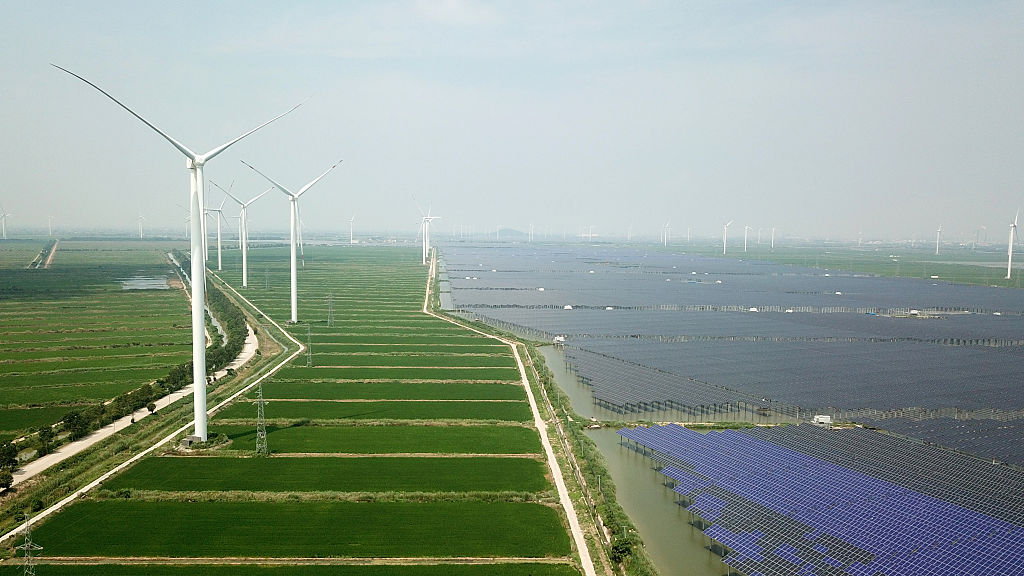
Solar and wind are among the quickest, cheapest forms of energy to add to the grid. According to RMI, a think-tank, new solar and wind sites have a lead time of less than two years, compared to at least three years to develop gas projects.
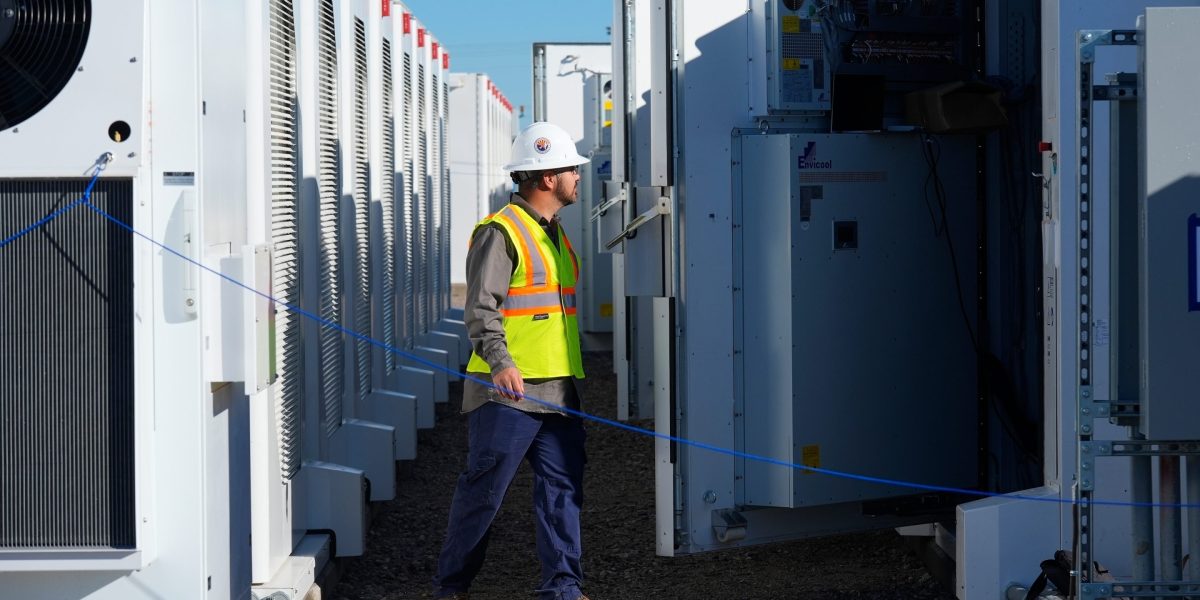
Producers can break even by selling solar and wind power for as little as $38 and $37 per megawatt-hour, respectively, compared to at least $48 per megawatt-hour for gas, according to investment bank Lazard. However, these figures do not fully account for system upgrade costs and batteries to smooth out intermittency.
Renewable power developers also stand to profit, as electricity prices are expected to rise 40 to 120 percent once Biden’s Inflation Reduction Act subsidies expire.