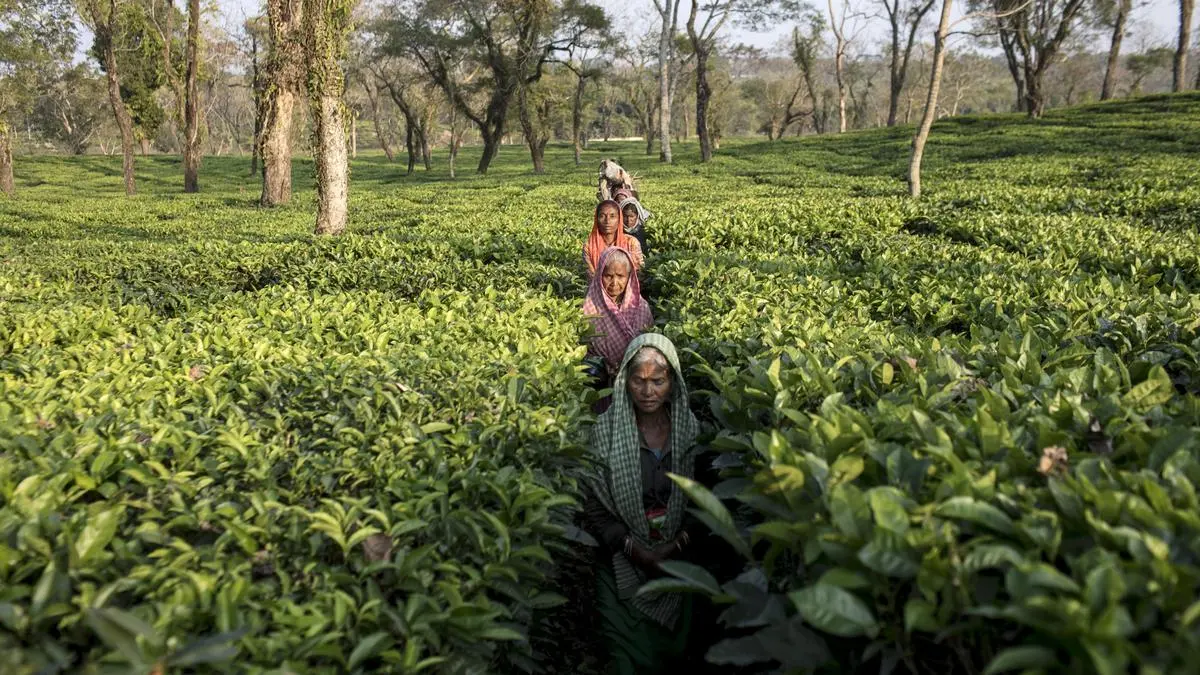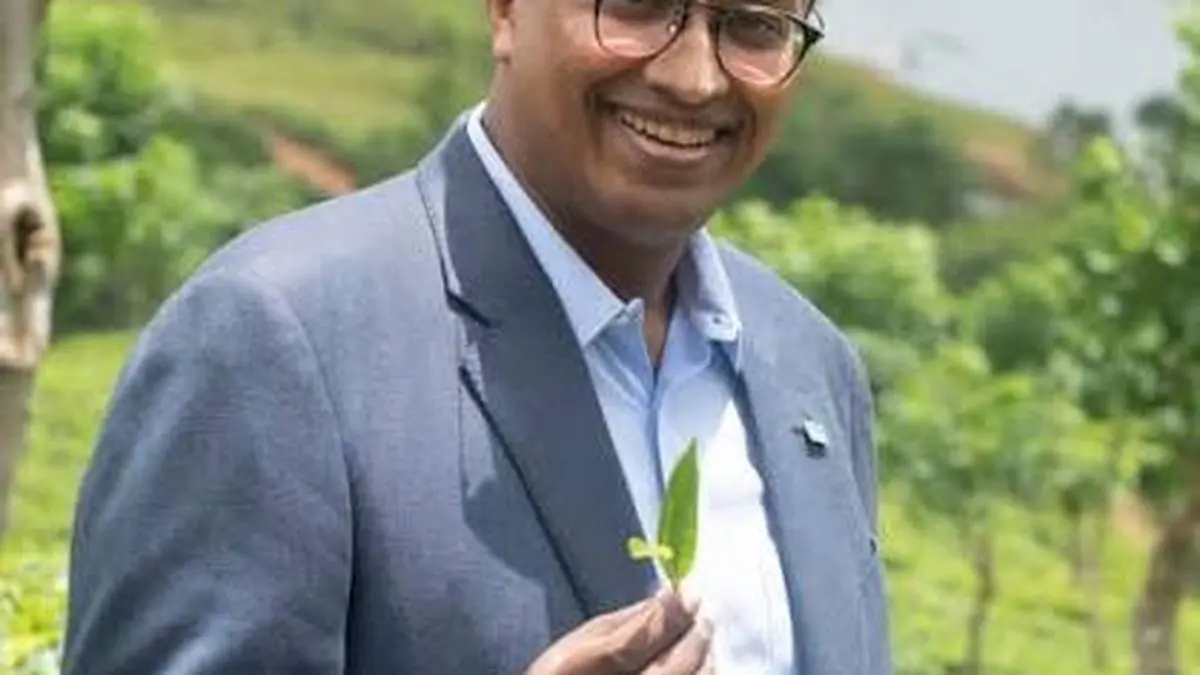
Sri Lanka’s Dilmah Ceylon Tea Company will invest more than $1 million initially and build close to 10 premium tea bars in India by FY30, using India-sourced speciality teas and curated blends to create a luxury tea experience beyond its traditional five-star hotel base.The rollout would be substantial against Dilmah’s existing footprint of about 16 tea lounges globally across Europe, East Asia and the Pacific. It is also expanding in Australia and West Asia, chairman and chief executive Dilhan C. Fernando told businessline.The first Indian flagship is planned next year, with Bengaluru, Mumbai and Delhi under consideration, before expansion through franchises.From hotels to high streetHospitality gives Dilmah a familiar starting point. Fernando said the company works internationally with groups including JW Marriott and Four Seasons, giving it tested concepts to take to Indian hotels.The economics explain the attraction. A Dilmah speciality tea sachet costs a HORECA customer about ₹35, Fernando said, while premium hotels can charge ₹500-600 for a prepared serving. The value is created through brewing, presentation, aroma, storytelling, food pairing and service.“If I send a price list to any of our target customers without the explanation, they’ll tear it up,” Fernando said. “We have to taste, we have to explain.”Dilmah now wants to take that experience directly to consumers. Flagship lounges of about 1,200-2,000 sq ft in luxury high streets and malls will offer tea gastronomy, tea-infused food and mocktails. Smaller 300-600 sq ft kiosks and shop-in-shops are envisaged for malls, airports and premium office parks, alongside co-branded formats in luxury hotels.The lounges are being rebranded globally as Urban Estate, with the concept centred on distinctive teas rather than familiar staples. “No English Breakfast, no English afternoon,” Fernando said.Fernando also sees an opportunity in the low-alcohol trend, with premium tea potentially occupying some of the social space held by speciality coffee, wine and cocktails for younger consumers and professionals.An India-Sri Lanka recipeIndia adds another layer. Dilmah spent about a year developing Thambapanni Naksha, an India-focused luxury collection, and is working with about 26 Indian producers, sourcing Assam and Darjeeling teas alongside herbs and spices.One Assam blend combines the tea’s body and intensity with Ceylon cinnamon and natural vanilla. “When you look at the Indian teas, we’re not coming in as a me-too,” Fernando said.The collection’s name also bridges the two countries. Thambapanni is an ancient name for Sri Lanka linked in the island’s chronicles to Prince Vijaya, an Indian prince whose legendary arrival is associated with the beginnings of the Sinhalese people and kingdom. Fernando recounts how Sri Lanka’s red earth was said to have stained the palms of Vijaya and his followers a copper colour, giving rise to the name.The teas are already being packed in Kolkata, with further investment planned in packaging and quality control. Dilmah, present in more than 100 markets, currently derives less than 1 per cent of its global business from India and is deliberately taking a measured approach:Fernando said it previously rejected a proposal for 30 Indian outlets because rapid expansion could compromise the experience. The $1-million-plus investment will therefore test whether Dilmah can take the theatre it knows from five-star hotels, combine it with an India-Sri Lanka tea story and persuade everyday tea drinkers that tea itself can become the destination.Published on August 24, 2026
Sri Lankan Dilmah Tea changes India recipe with $1-million bet, speciality teas and tea bars
The Sri Lankan single-origin tea specialist is changing its India recipe with locally sourced teas, luxury hospitality and experiential retail, betting a ₹500-plus tea occasion can find takers beyond five-star hotels
544 words~2 min read