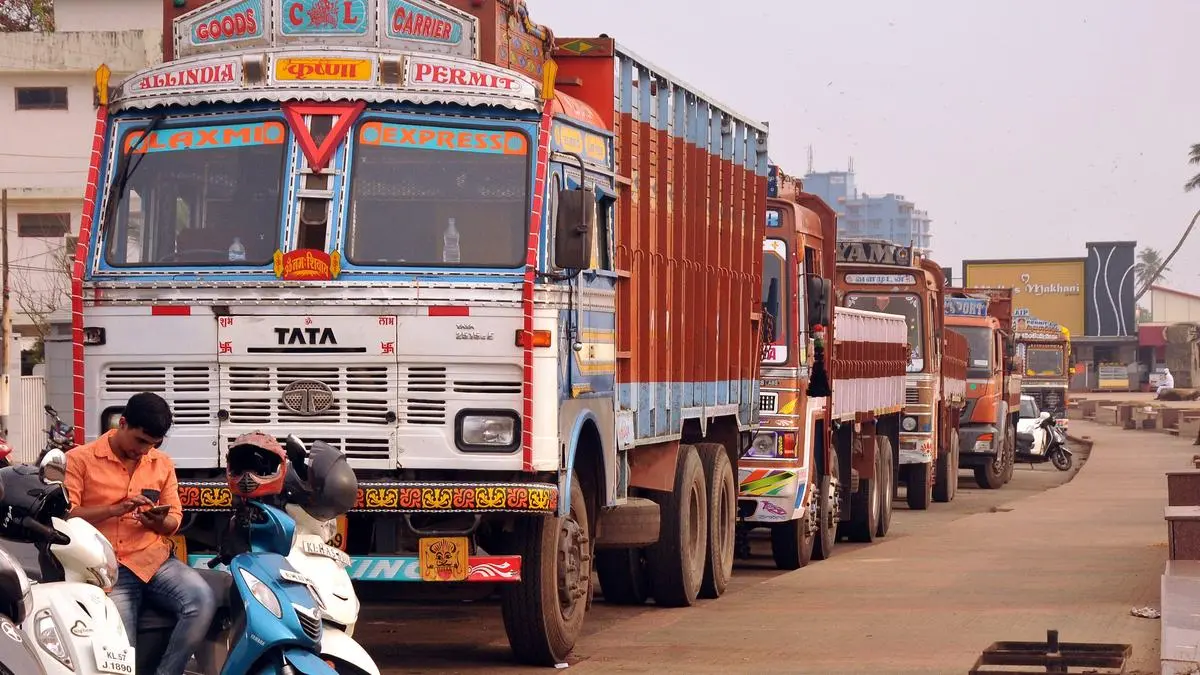
The restriction will subsequently extend to high vehicle-density districts of the National Capital Region, including Gurugram, Faridabad, Sonipat, Ghaziabad and Gautam Buddha Nagar, from January 1, 2028
| Photo Credit:
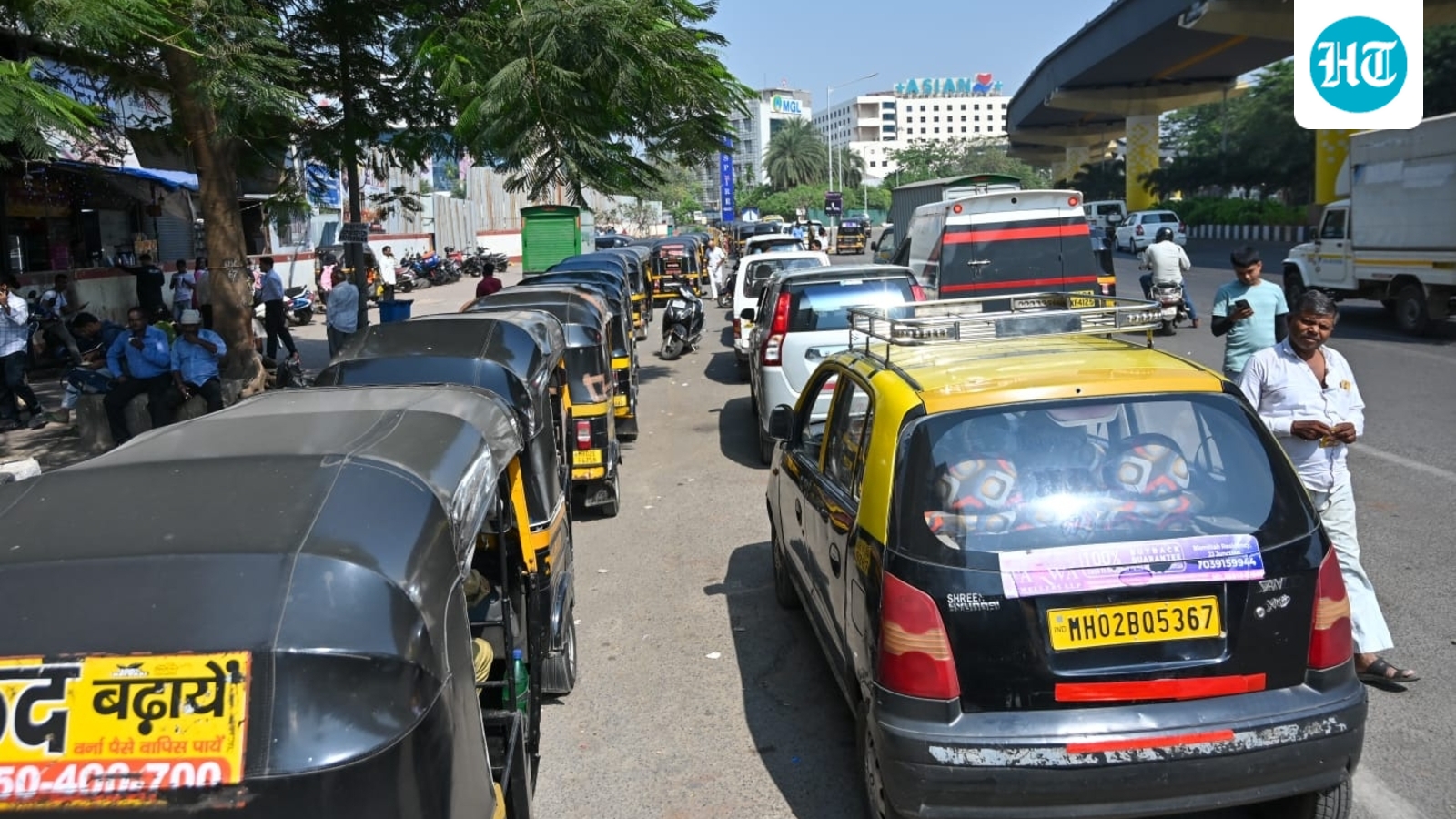
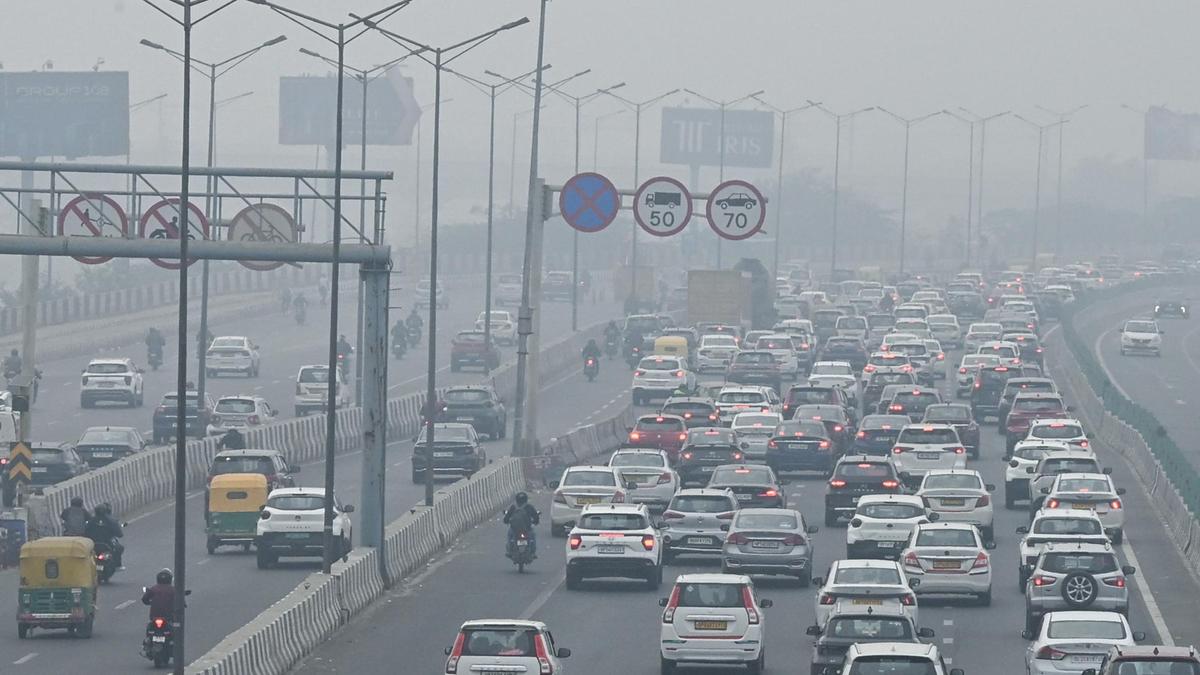
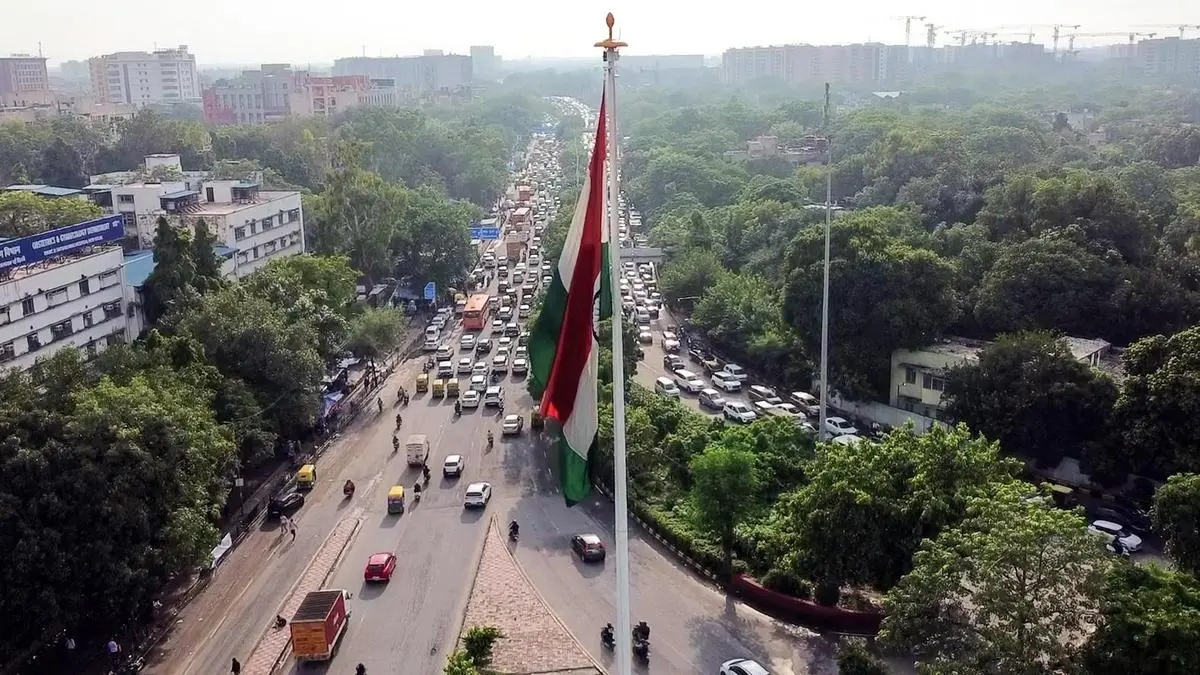
The compressed natural gas (CNG) light goods vehicle segment, which has been a key component of Delhi-NCR’s efforts to reduce vehicular pollution, is well on its way to becoming redundant as the region moves towards an all-electric fleet of small commercial vehicles, industry veterans said.The Commission for Air Quality Management (CAQM) has directed that new diesel, petrol and CNG light goods vehicles (LGVs) of up to 3.5 tonnes, categorised as N1 vehicles, will not be allowed to be registered in Delhi from January 1, 2027. The restriction will subsequently extend to high vehicle-density districts of the National Capital Region, including Gurugram, Faridabad, Sonipat, Ghaziabad and Gautam Buddha Nagar, from January 1, 2028.The move is expected to have a significant impact on small and medium businesses that depend on CNG-powered commercial vehicles for last-mile deliveries and goods movement.“Restricting CNG-fuelled trucks is incongruous with the broader clean-fuel agenda. Small fleet owners, independent operators and drivers are the backbone of the economy and such policies could disrupt their operations,” S P Singh, Fellow and Coordinator, Indian Federation of Transport Research and Training (IFTRT), told businessline.Industry executives said CNG vehicles currently offer faster turnaround times than electric vehicles, largely because they can be refuelled quickly, while charging infrastructure for commercial EVs remains inadequate.“Such an order will create a lot of disturbance in the logistics chain among small and medium businesses because CNG trucks are much faster in terms of their turnaround time,” an auto industry executive said.CNG and LPG vehicles, however, are more polluting than electric vehicles in terms of emissions, particularly when emissions across the vehicle’s operation are considered. EVs have zero tailpipe emissions, while CNG and LPG vehicles continue to emit methane, nitrogen oxine and carbon dioxide among other pollutants. Their relative environmental advantage is primarily over petrol and diesel vehicles.Industry veterans nevertheless pointed to the transition challenges for businesses. CNG and LPG vehicles emit less carbon dioxide and greenhouse gases and burn cleaner than petrol and diesel, making them significantly less polluting than conventional fossil-fuel vehicles. CNG was introduced in Delhi’s public transport and commercial vehicle ecosystem more than two decades ago and played a major role in reducing urban air pollution.Another industry veteran said the environmental benefits of EVs also need to be assessed against the source of electricity used for charging and the end-of-life treatment of batteries. A significant share of India’s electricity generation continues to come from coal, while used EV batteries require proper recycling and disposal.The scale of the transition is substantial. Delhi-NCR is the largest market for CNG-powered N1 vehicles, with more than 1.03 lakh units as of December 2025, according to industry estimates, while the electric N1 fleet stood at only around 2,000 units.Companies including Tata Motors, Mahindra & Mahindra, Ashok Leyland’s subsidiary Switch Mobility, VE Commercial Vehicles and Euler Motors currently offer electric vehicles in the N1 segment.The CAQM’s August 19 direction will therefore require the commercial vehicle market to make a rapid transition from established CNG technology to electric vehicles, with industry stakeholders flagging charging infrastructure and the higher upfront cost of EVs as key challenges.Published on August 24, 2026