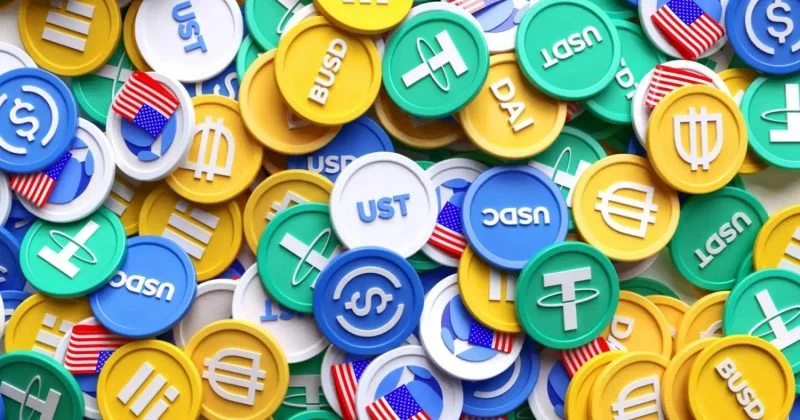
G20 finance ministers and central bankers meet this year under a US presidency that has made digital finance a central part of its economic agenda. The Trump administration has identified “endorsing a vibrant digital assets ecosystem” and “improving cross-border payments” as policy priorities. A recent joint statement by the US-UK Transatlantic Taskforce for Markets of the Future echoes that ambition, calling for greater coordination on stablecoin regulation to ensure that “digital financial innovation strengthens, rather than fragments, our transatlantic marketplace.”
Yet regulatory progress has outpaced international coordination. The US GENIUS Act, the EU’s Markets in Crypto-Assets (MiCA) regulation, and the growing number of stablecoin regulations worldwide remain fragmented, leaving issuers and users without a coherent framework for cross-border transactions. The G20’s limited progress toward its own cross-border payment targets underscores the coordination gap.
Ahead of the Miami summit in December, the G20 now has an opportunity to move beyond broad commitments and address remaining barriers to interoperability. Three issues stand out: mutual recognition of stablecoin issuers, common rules for stablecoin use, and economic fungibility across jurisdictions.