(Image credit: Tom's Hardware)
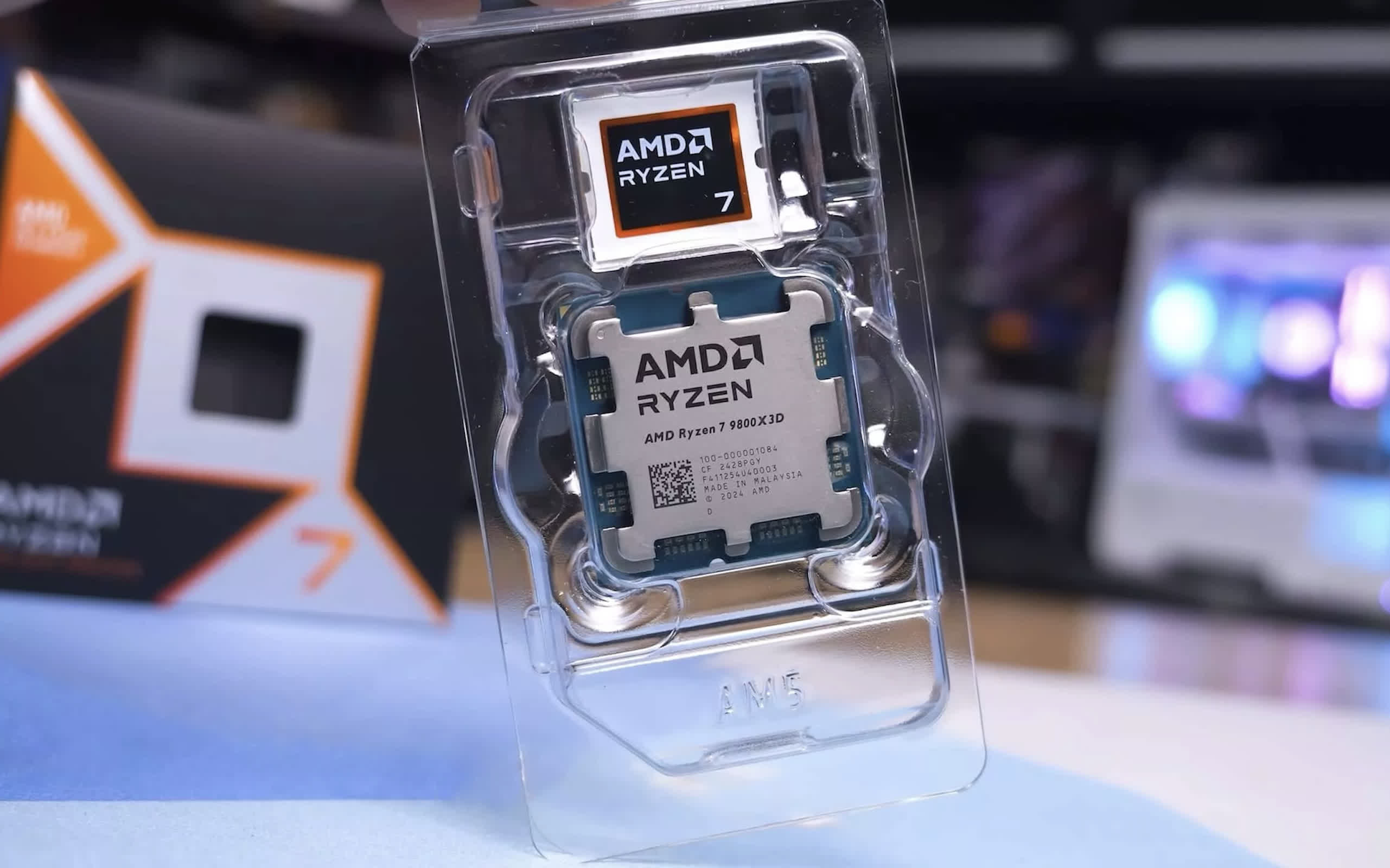
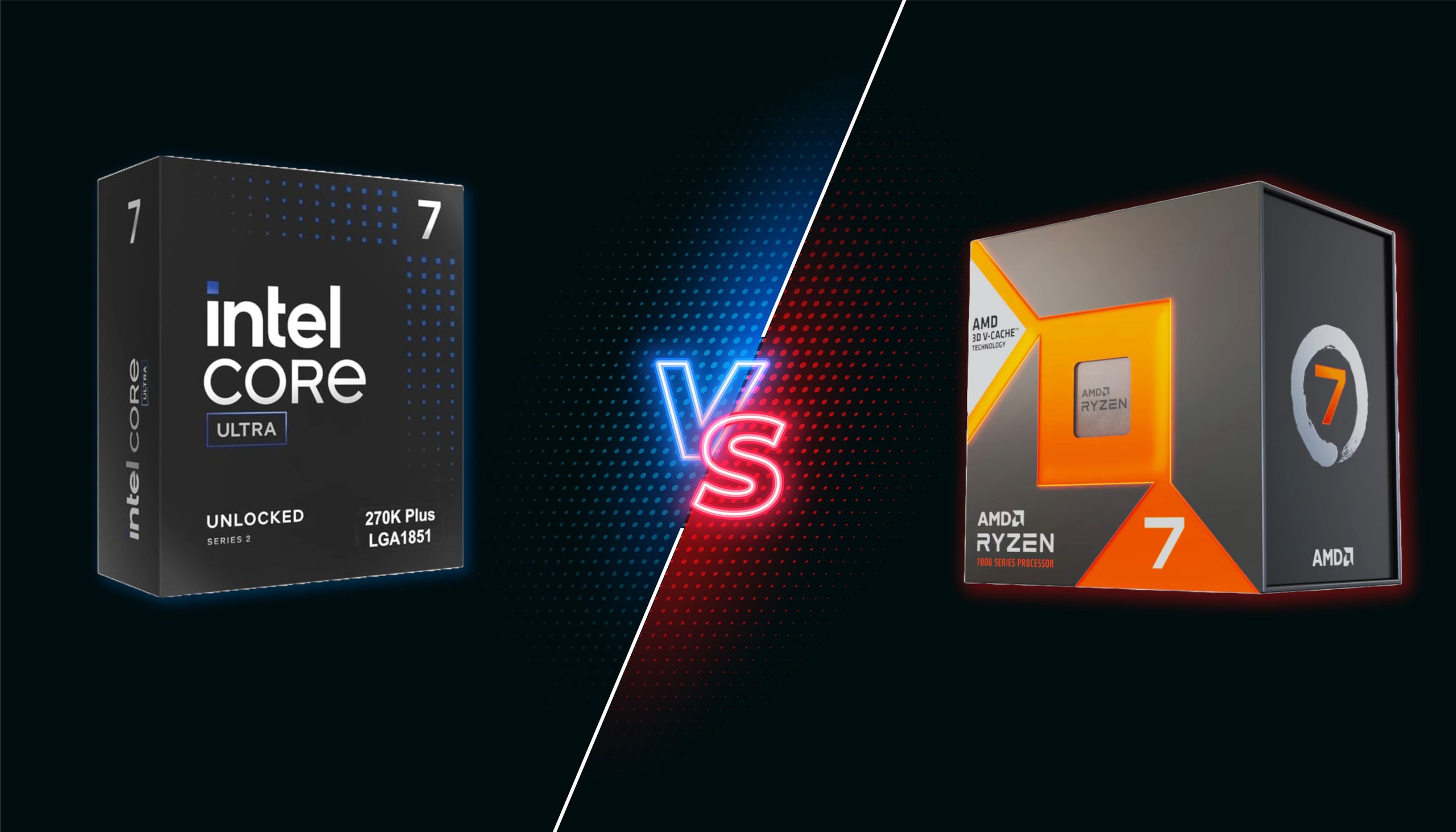
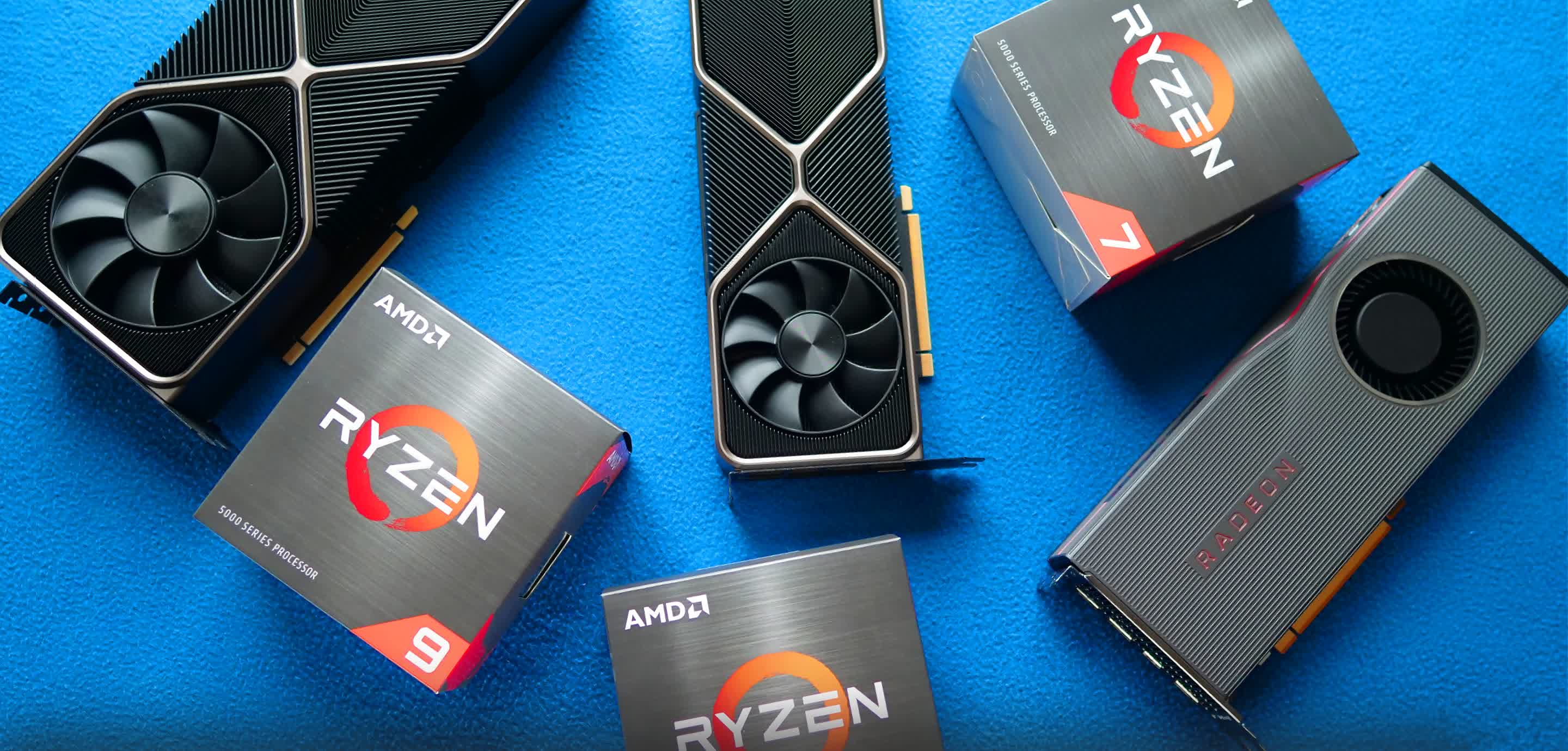
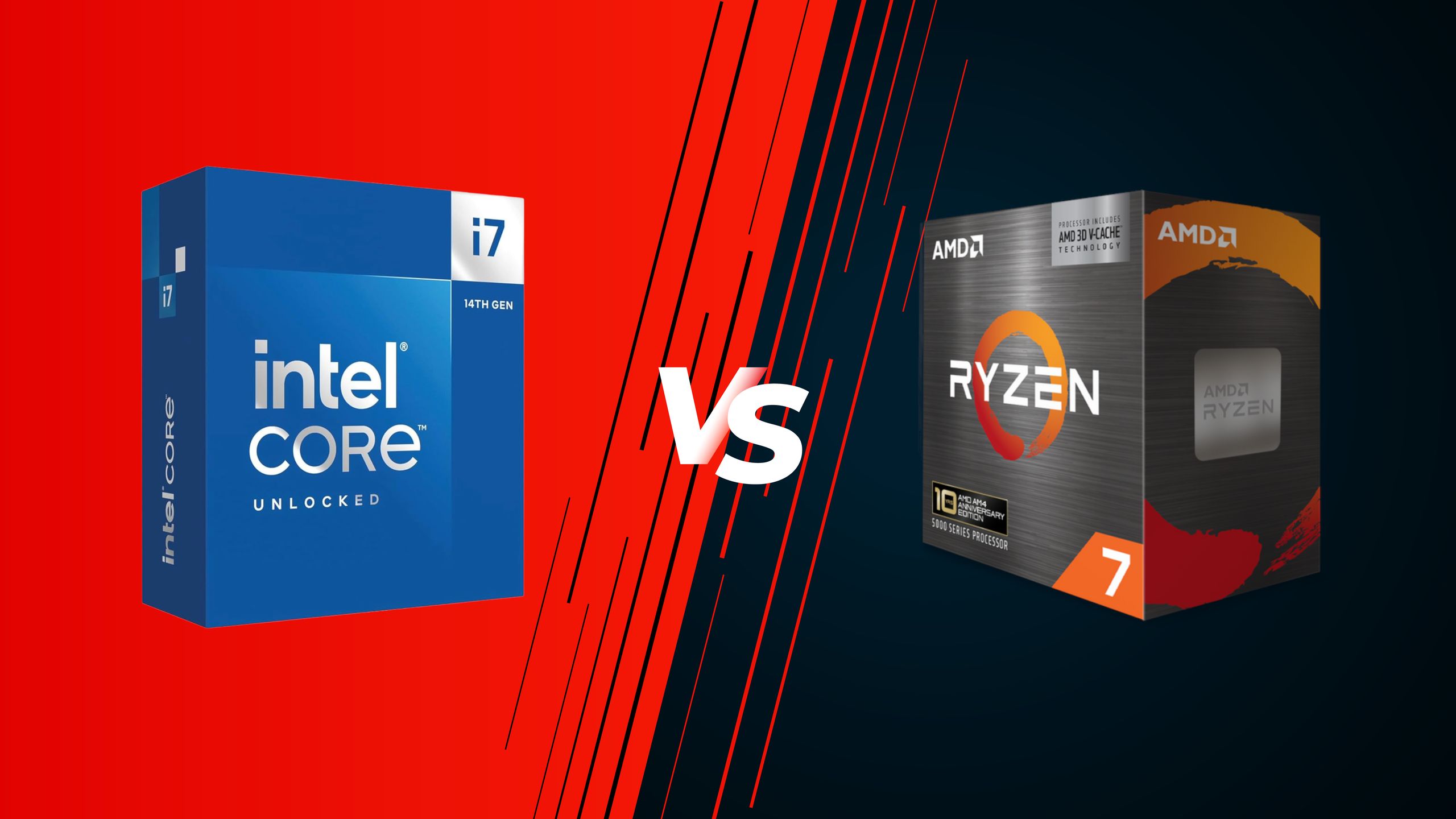
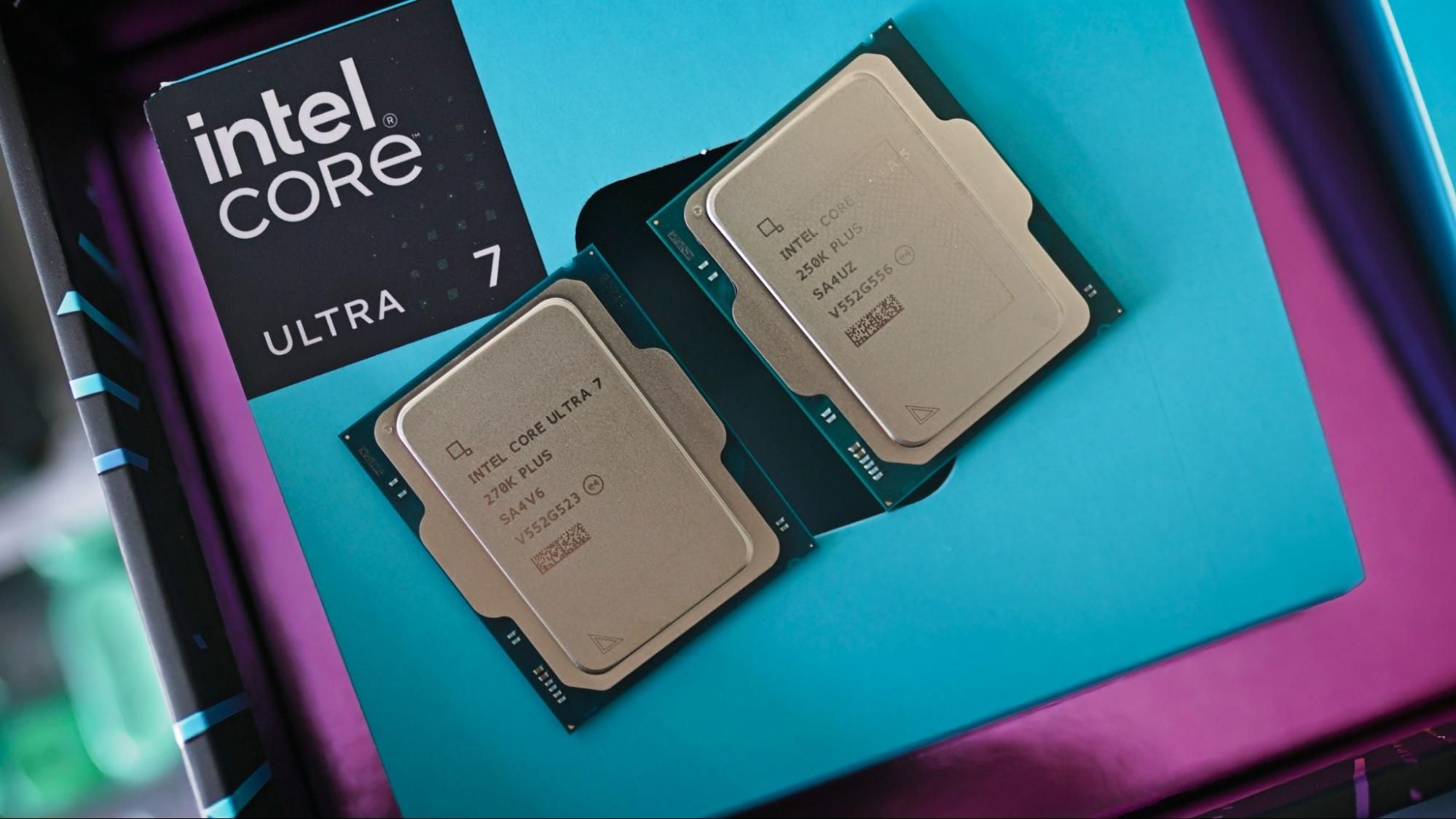
AMD has been the dominant force in DIY PC building CPUs for several years now, thanks to the advent of Zen 3 and great chips like the Ryzen 7 5800X3D, and more recently its potent Ryzen 7 X3D SKUs like the 9800X3D. Now, just days after AMD touted that it continues to occupy all 10 slots in the Amazon CPU best-sellers list, a couple of Intel CPUs have broken into the list for the first time in months, as spotted by WCCFTech.
Image 1 of 15
(Image credit: Tom's Hardware)
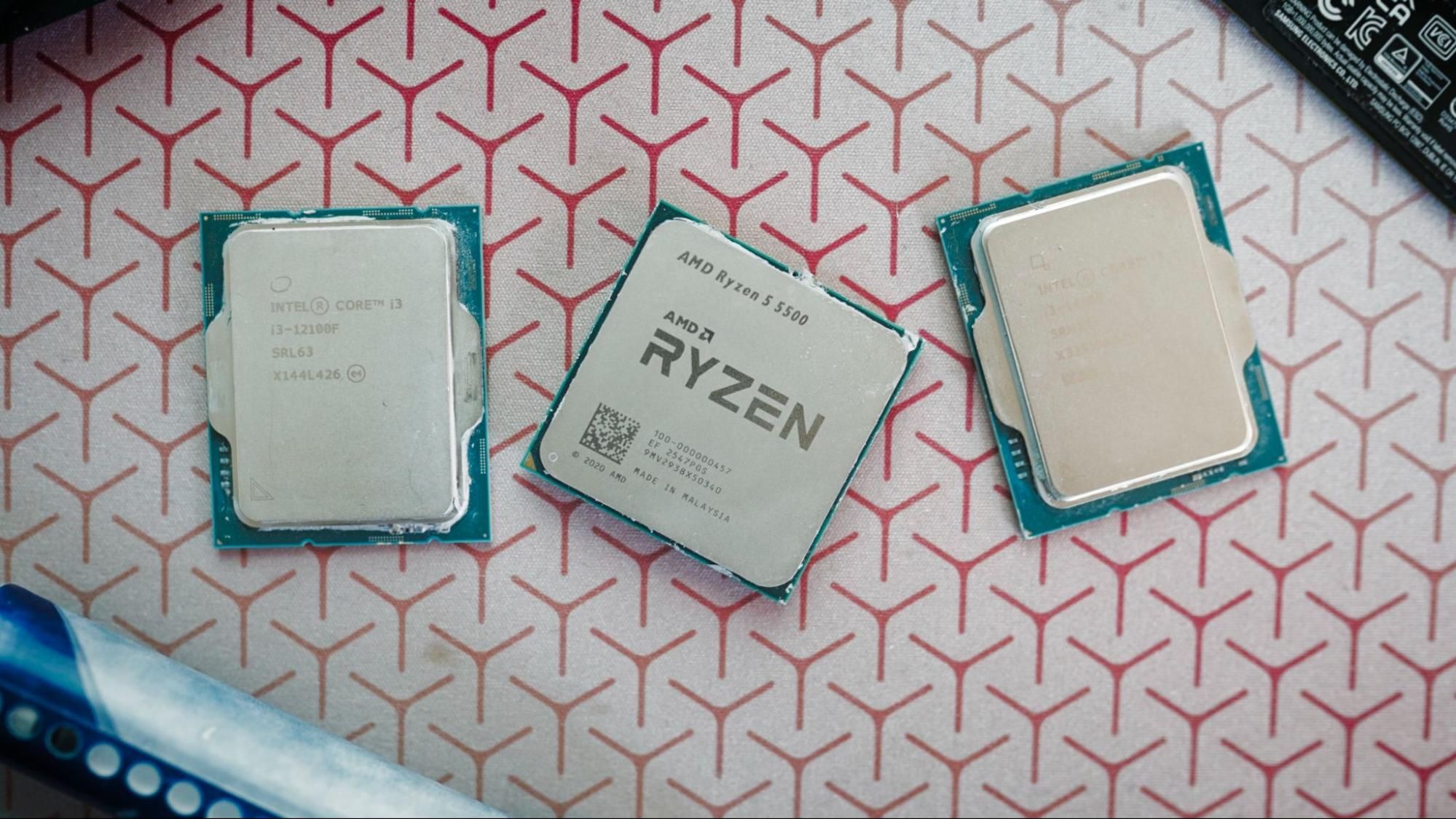
It's clear that gaming continues to be a top driver for the DIY market. Five of the chips in the top 10 have been on our list of the Best CPUs for Gaming either now or at some point, including the number one seller, the Ryzen 7 9800X3D. AMD's 3D V-Cache continues to be unbeatable in gaming, even if the Arrow Lake 'Plus' parts do their best to close the gap with extremely high single-core performance. It's not single-threaded speed that's the bottleneck anymore, though, and not for some time; the limitation in gaming frames is multivariate as it has ever been, but on the CPU side, it's largely down to memory performance these days, and that's exactly why AMD's 3D V-Cache chips dominate.Of course, if you're reading Tom's Hardware, you probably don't need me to tell you that. But it's interesting to look at the pricing of the parts that are moving the most units. The Ryzen 5 5500 is a tame processor, but if you need a gaming PC for the absolute bottom dollar, it's hard to beat six Zen 3 cores with a CPU cooler for $84. The Ryzen 7 7800X3D seems an absurd choice next to the much faster Ryzen 7 9800X3D for less than $100 more, but the gaming performance is really pretty close, and you're likely to desire a drop-in Zen 6 processor upgrade late this year or early next year, so why spend the extra $85 now?That CPU upgrade angle warrants consideration. Any Socket AM5 processor has a path forward, and that's not the case for any extant Intel platform nor for Socket AM4, despite the fact that Intel is apparently releasing new LGA 1700 chips eventually. Ultimately, memory pricing is probably driving a lot of these choices, but in the upgrade context, it's not quite as surprising to see five and a half of the top ten CPUs on platforms that require DDR5 memory—the 'half' being the Core i7-14700K, naturally.