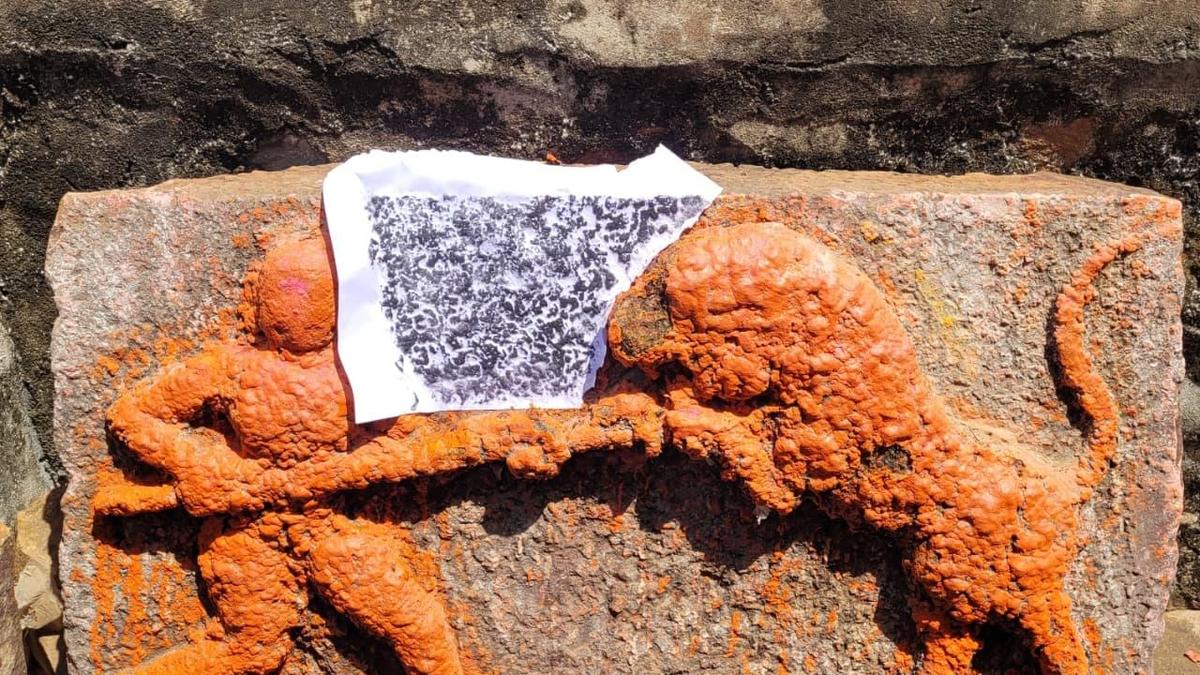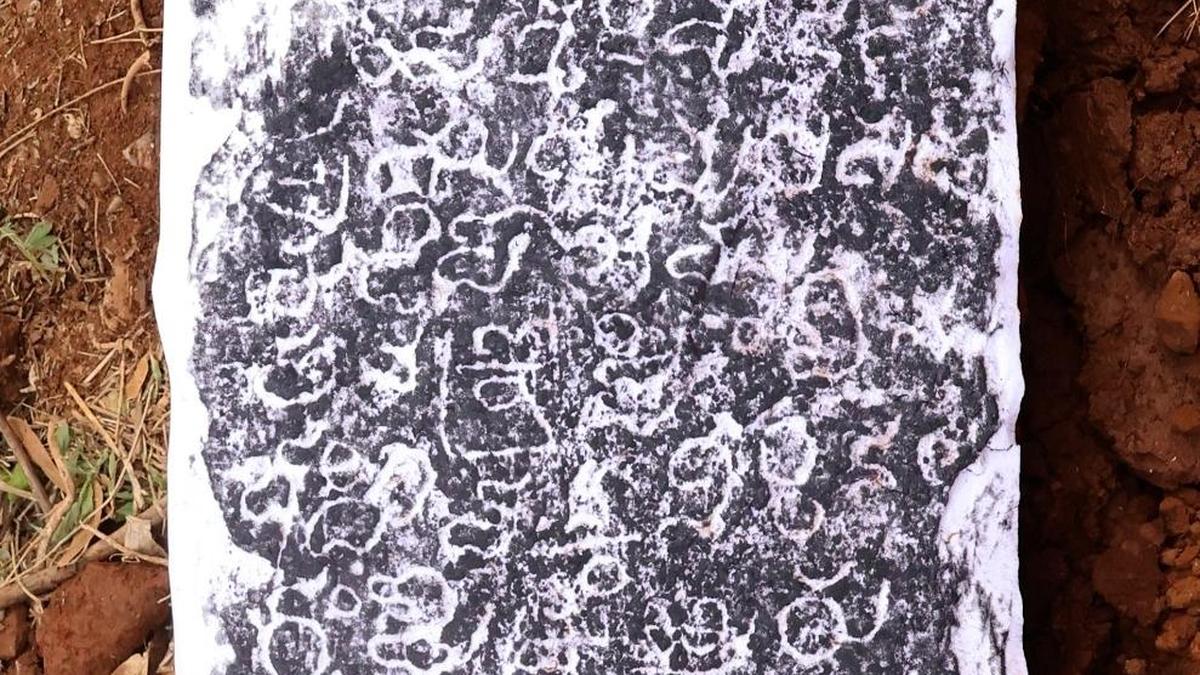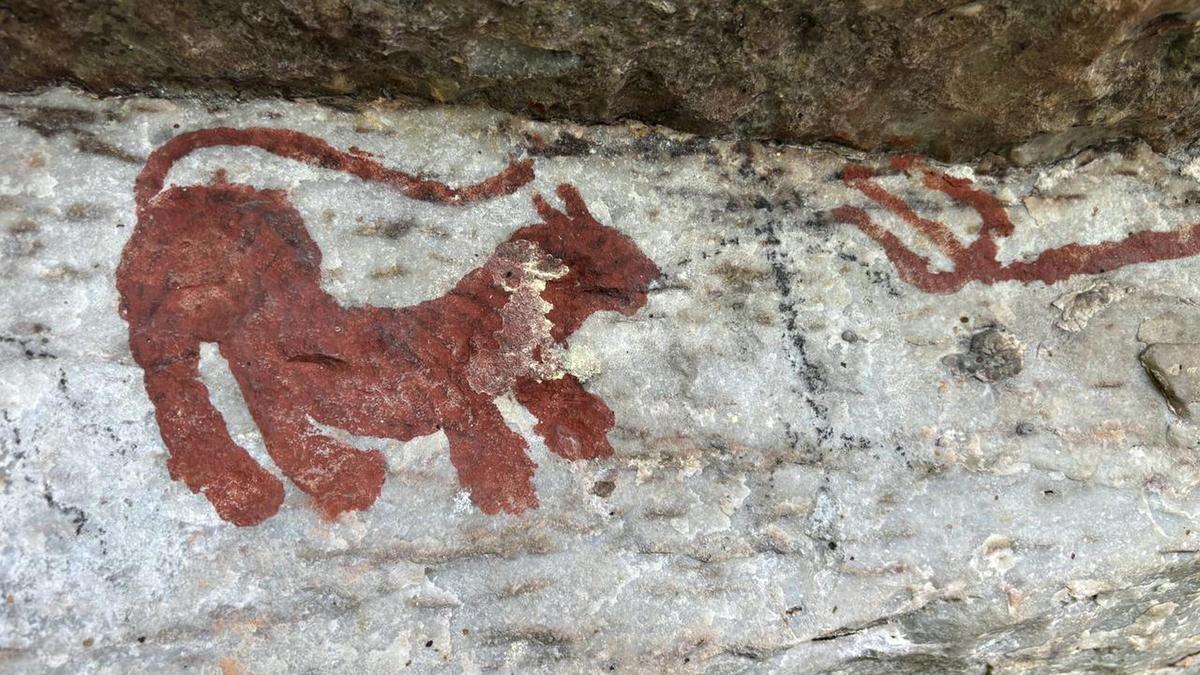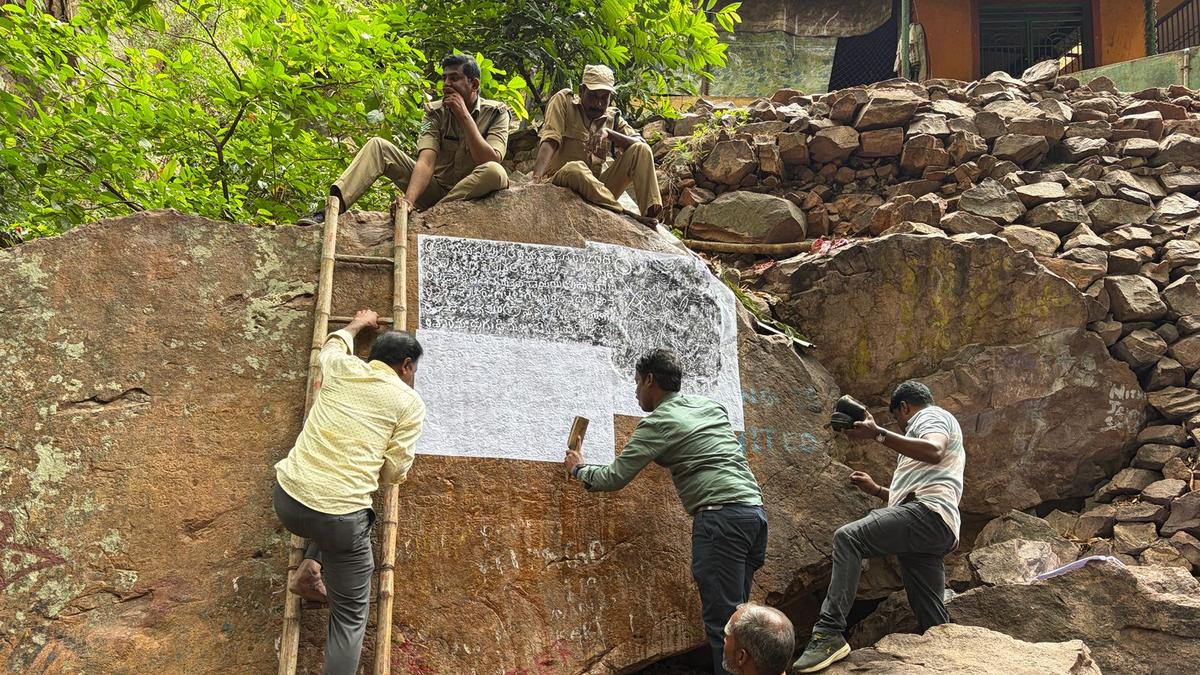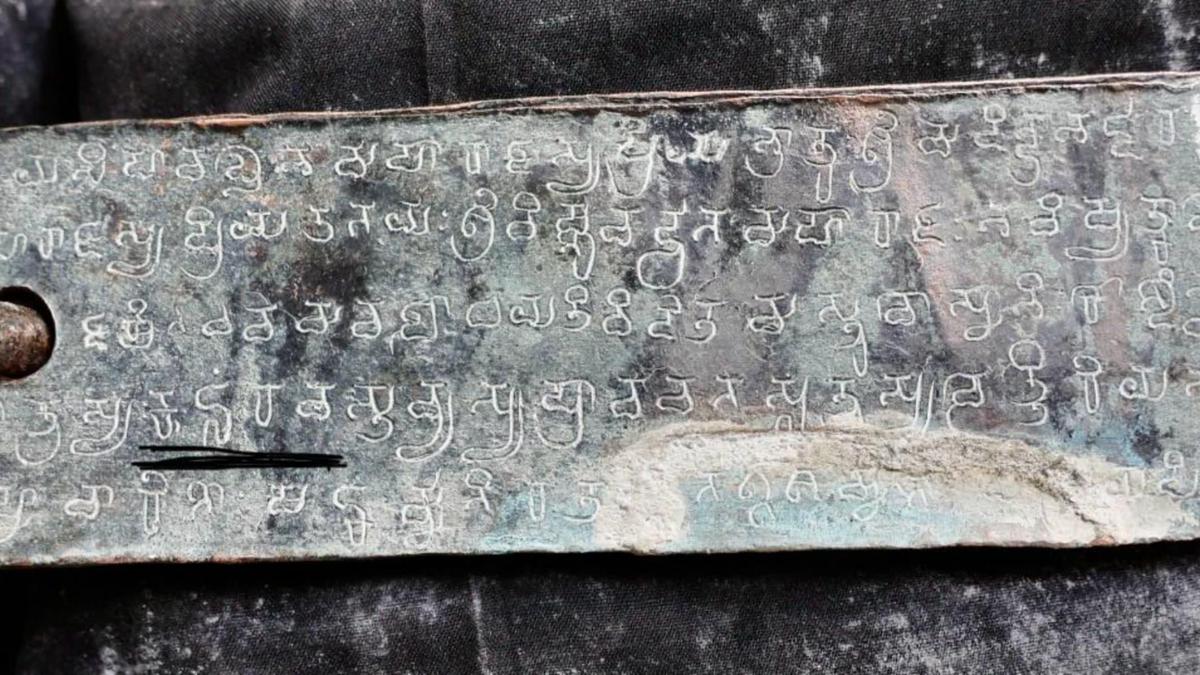
First epigraphical reference of Guntur found in Pune copper plates of the king Vishnuvardhana II of Eastern Chalukya dynasty, issued in his 1st regnal year dated in 669 C.E.
| Photo Credit: Special Arrangement
The Archaeological Survey of India (ASI) Director (Epigraphy), Dr. K. Munirathnam Reddy, has revealed that new insights gained through archaeological discoveries have shed light on the antiquity of Guntur in Andhra Pradesh.According to the findings, Mr. Munirathnam Reddy told The Hindu that the first-ever epigraphical reference to Guntur appears in the Pune copper plates issued by King Vishnuvardhana II of the Eastern Chalukya dynasty. Dated to his first regnal year in 669 C.E., these historical records document the evolution of the city's nomenclature over centuries.Epigraphical data highlights a linguistic transition from ancient forms to the modern name, moving through variations such as Kumturu, Gomturu, and Gunturu. Further historical backing comes from the 10th-century Ederu copper plate inscription, which records the city's name as Gomturu. Records indicate that this particular nomenclature remained in continuous usage across regional inscriptions from the 10th down to the 14th century.Experts stressed that these copper plate inscriptions serve as crucial historical milestones, offering a tangible window into the socio-political and linguistic evolution of Andhra Pradesh during the medieval period under the Eastern Chalukyas. Published - August 24, 2026 07:07 pm IST